
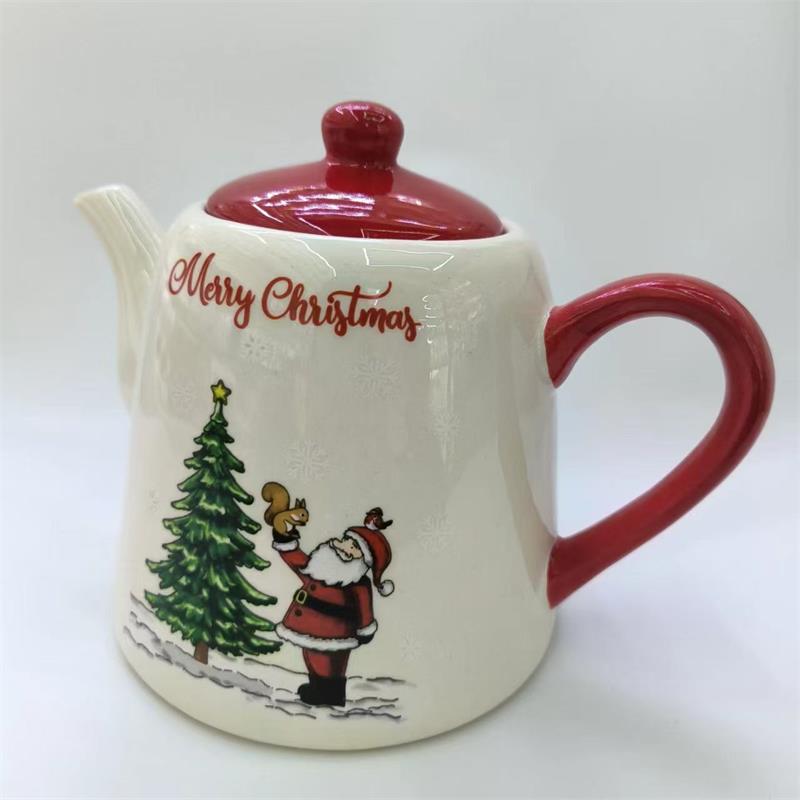
Santa Ceramic Teapot: The Funny Holiday Host
There is a specific kind of chaos that arrives when you buy a Santa Claus teapot at the age of thirty-four and refuse to explain yourself to anyone.
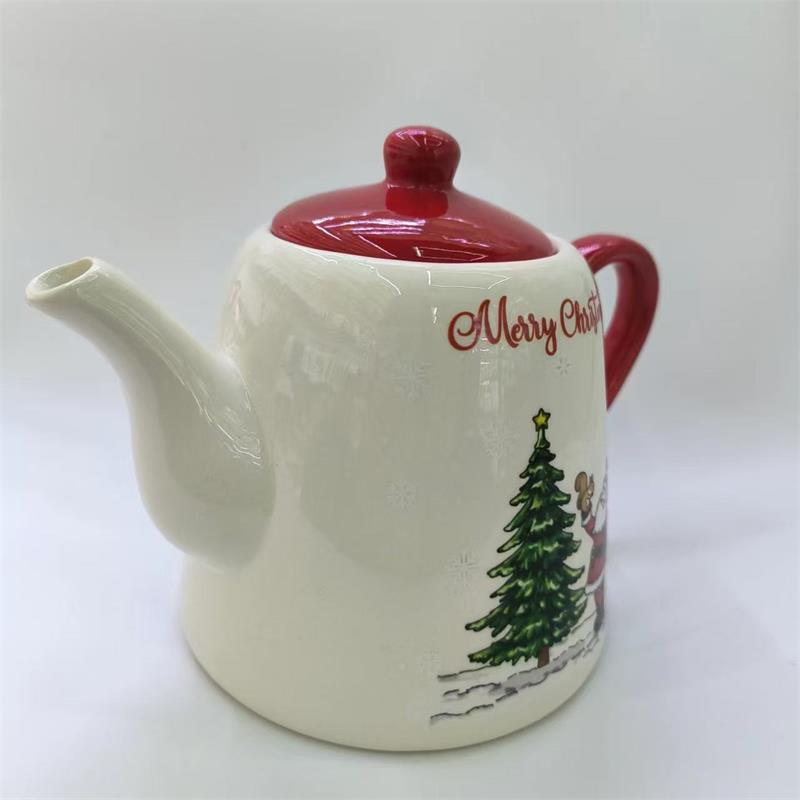
It started on a Tuesday. I had been scrolling through holiday decor for approximately four hours, which is the modern equivalent of wandering a department store until security notices you. I wanted something that said “festive” without screaming “I have sixteen inflatable reindeer on my lawn.” Then I saw him: a hand-painted ceramic Santa, rosy-cheeked and slightly smug, perched on a round teapot body like he owned the place. Twenty centimeters of pure holiday attitude. Roughly fourteen and a half centimeters tall, thirteen and a half wide—small enough for a shelf, big enough to be a conversation piece.
Reader, I clicked “add to cart” so fast my mouse filed a complaint.
He arrived on a Friday. I unboxed him on the kitchen counter and immediately understood the problem: this was not a “tuck it in the corner” teapot. This was a “guests will fight over who gets to sit near him” teapot. The ceramic has a nice weight to it—not flimsy, not brick-like, the kind of heft that makes you trust a pour. The paintwork is genuinely hand-done, which means his eyebrows are just uneven enough to look like he’s judging your cookie choices. In a charming way. Mostly.
I put him on the dining table. Big mistake. Wonderful mistake.
My neighbor Carol came over for coffee the next morning and spotted him immediately. “Oh,” she said, in the tone people use when they’ve found a rival. “Where did you get that?”
“Online,” I said, vague on purpose, because I am not above petty power moves.
By Sunday, three separate people had asked to borrow him for their own holiday dinners. Three. One of them was my brother-in-law, who has never borrowed anything in his life except my patience. The teapot had become a social currency. I half expected a group chat to form. It did. It was called “The Santa Situation,” and it was not about Christmas.
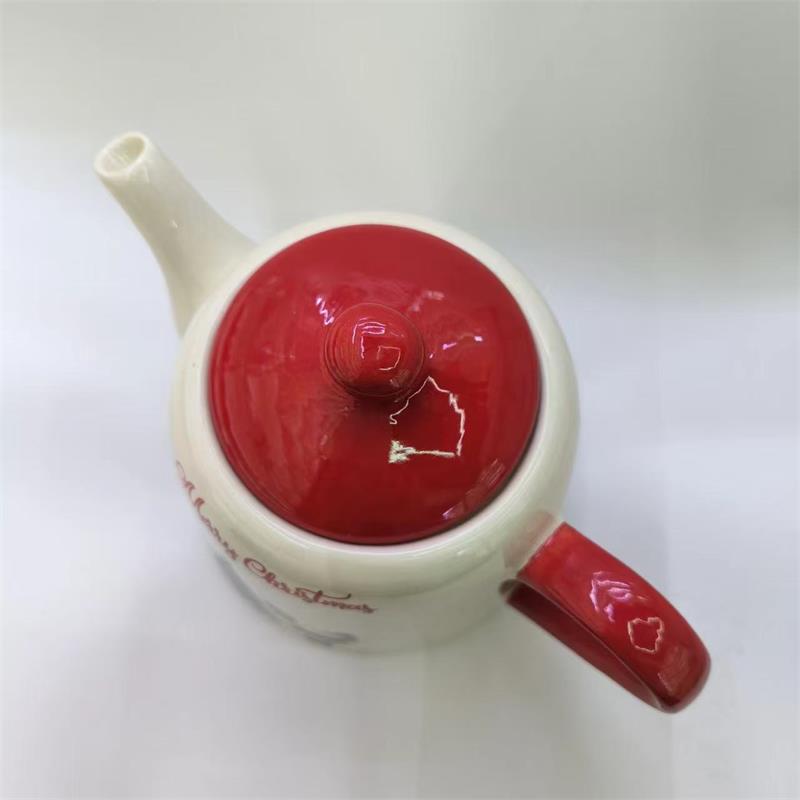
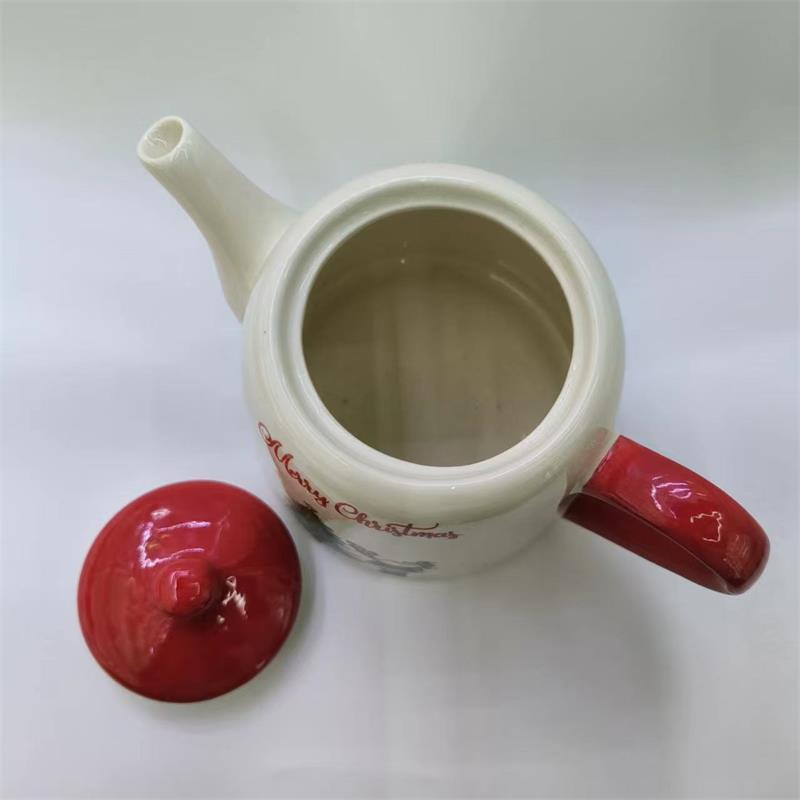
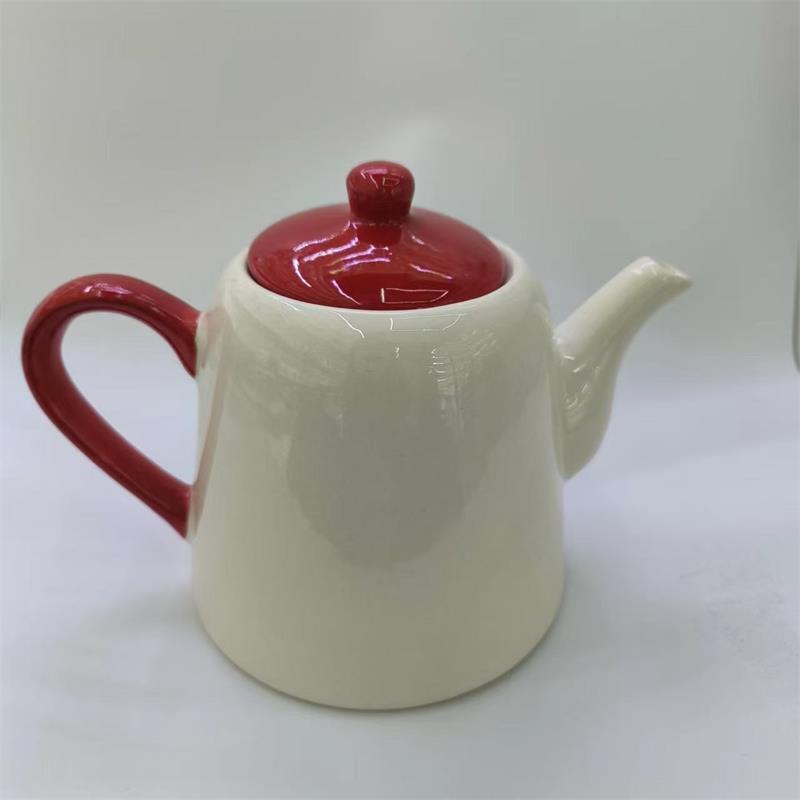
Here’s the thing I didn’t anticipate: he’s actually a good teapot. Not just a shelf ornament. I brewed a pot of spiced black tea for the neighborhood cookie exchange, and the pour was clean—no drips, no drama, just a steady stream that made me feel like a person who has their life together. For ten whole seconds, I did. The handle stays cool, the lid sits snug, and the spout doesn’t do that annoying thing where it dribbles down the side like it’s crying. Twenty centimeters across means he holds enough for four decent cups, which is exactly the number of people who can fit around my kitchen table before someone has to sit on the counter.
The standoff came to a head at my holiday party. Carol brought her own teapot—a plain white thing, perfectly nice, absolutely no personality—and set it next to mine like a challenge. My aunt Linda, who is sixty-seven and has no filter, picked up my Santa, examined the hand-painted details, and announced, “This one has more character than my last two husbands.” The room agreed. Carol’s plain teapot was quietly relocated to the kitchen. Carol has not fully recovered.
What nobody tells you about buying a decorative Santa teapot is that it turns you into a person who hosts. I used to be a “come over, but bring your own everything” type. Now I’m a “I have a festive teapot, so clearly I must provide spiced cider and a cheese board” type. It’s a slippery slope. Next thing you know, I’ll be buying matching mugs and sending handwritten invitations. My friends are concerned. My mother is thrilled. The teapot, with his slightly crooked eyebrows, seems pleased with himself.
He’s also, unexpectedly, a great gift. My sister-in-law collects holiday ceramics, and when I gave her one for her birthday in July—yes, July, because I am chaotic and she loved it—she actually teared up. “He looks like Grandpa,” she said, which I did not see coming but now cannot unsee. The hand-painted face has that warm, slightly rumpled quality, like a Santa who’s been at the cookies and has no regrets. That’s the thing about painted ceramic: no two are identical. The eyebrows, the cheeks, the little glint in the eye—yours will have its own personality. It won’t be a factory-perfect clone. It’ll be yours.
I’ve since bought a second one. Not for me. For the office gift exchange, where the budget is twenty dollars and the stakes are somehow higher than my mortgage. It was the most stolen gift of the night—five steals, a new record. My coworker Dave, who has the personality of a filing cabinet, held it above his head and declared, “This is the only good thing that has happened to me all year.” Dave. Dave. It’s a teapot. But also, fair.
So here’s my honest review, delivered from the trenches of neighborhood teapot warfare: this ceramic Santa is a hand-painted conversation starter with a genuinely functional pour, a solid twenty-centimeter footprint that fits on a shelf or a table, and enough personality to start a friendly feud among adults who should absolutely know better. It’s a funny gift for the person who has everything except a smug Santa on their counter. It’s a collectible for the holiday ceramics person in your life. It’s a decoration that earns its keep by actually making tea. And it’s a keepsake for anyone who wants a small, slightly judgmental face reminding them that the holidays are about gathering, laughing, and occasionally stealing a teapot from your neighbor’s table.
Carol still hasn’t forgiven me. She’s coming over Saturday. I’m making spiced cider. The Santa is on the table.
I’m not above petty power moves.
Leave Your Message
Related PRODUCTS
-
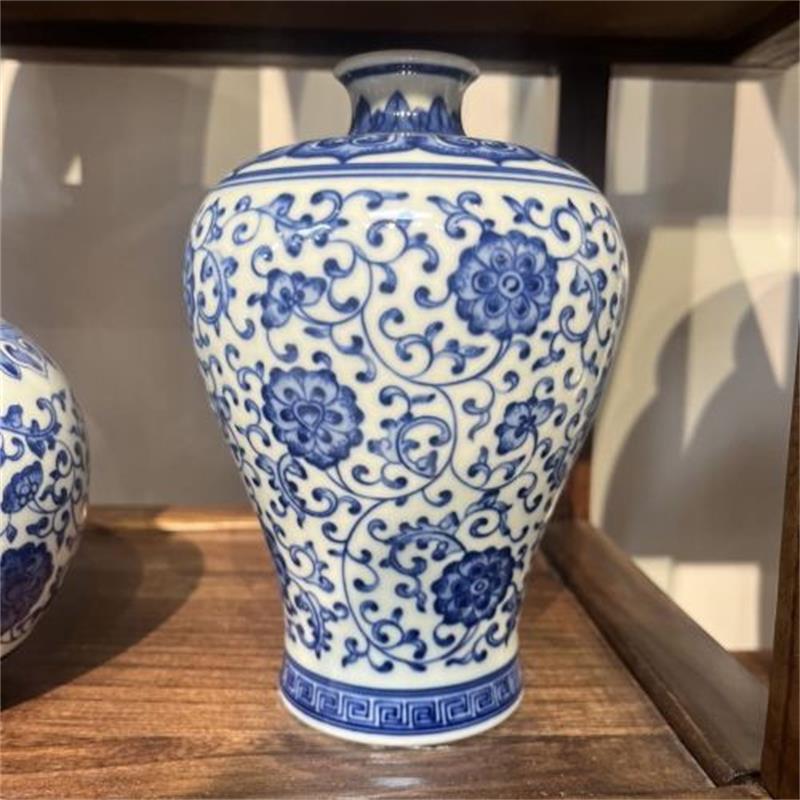
Hand-Painted Ceramic Plum Lotus Vase | Artisanal Decor
-
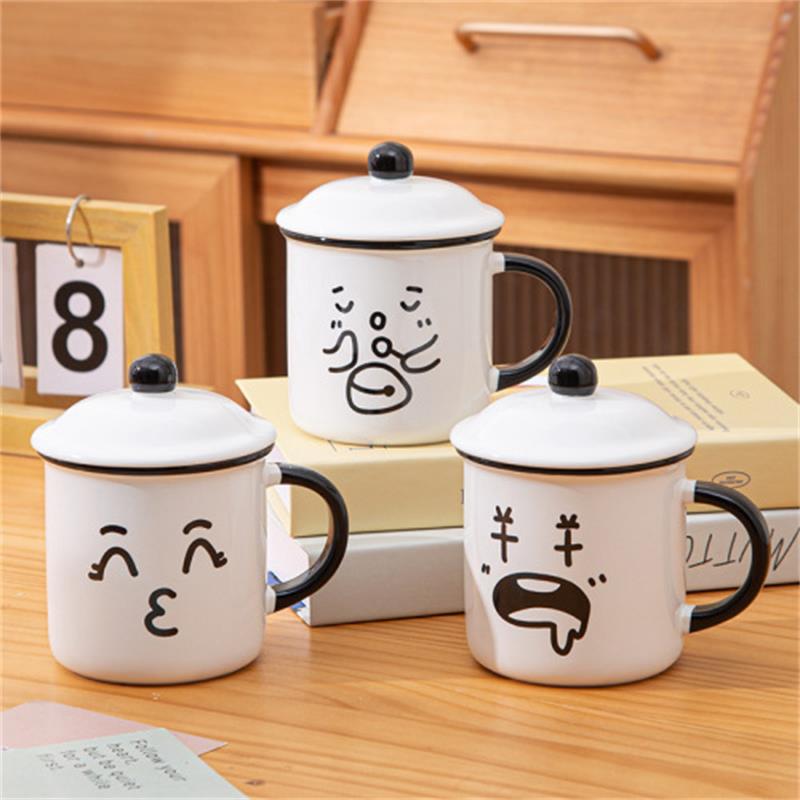
Quirky Ceramic Mug with Lid | Fun Unique Gift & Desk Decor
-
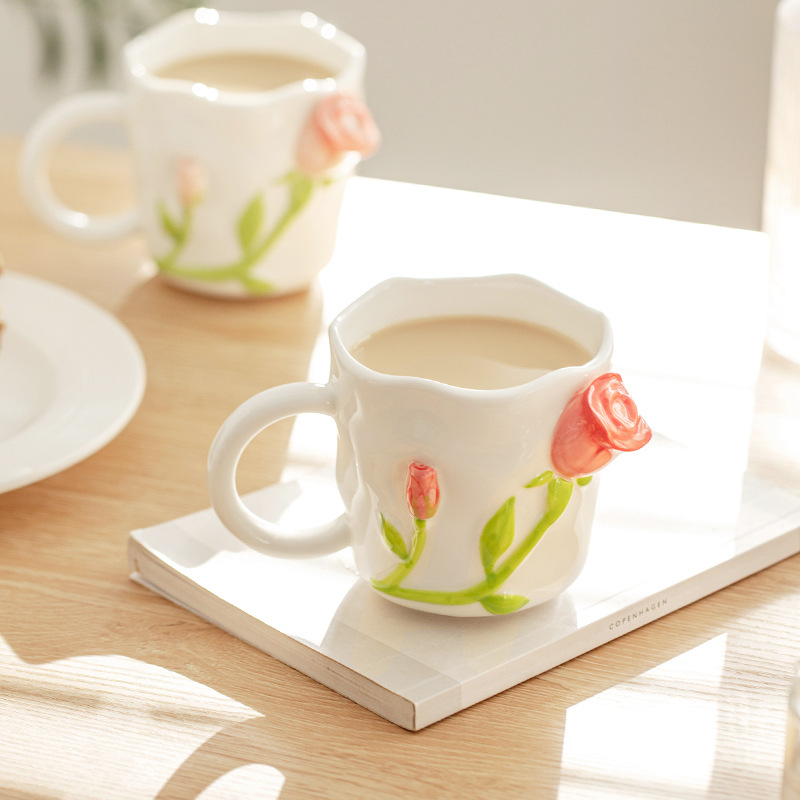
Handcrafted Rose Relief Ceramic Mug | Gift & Home Decor
-
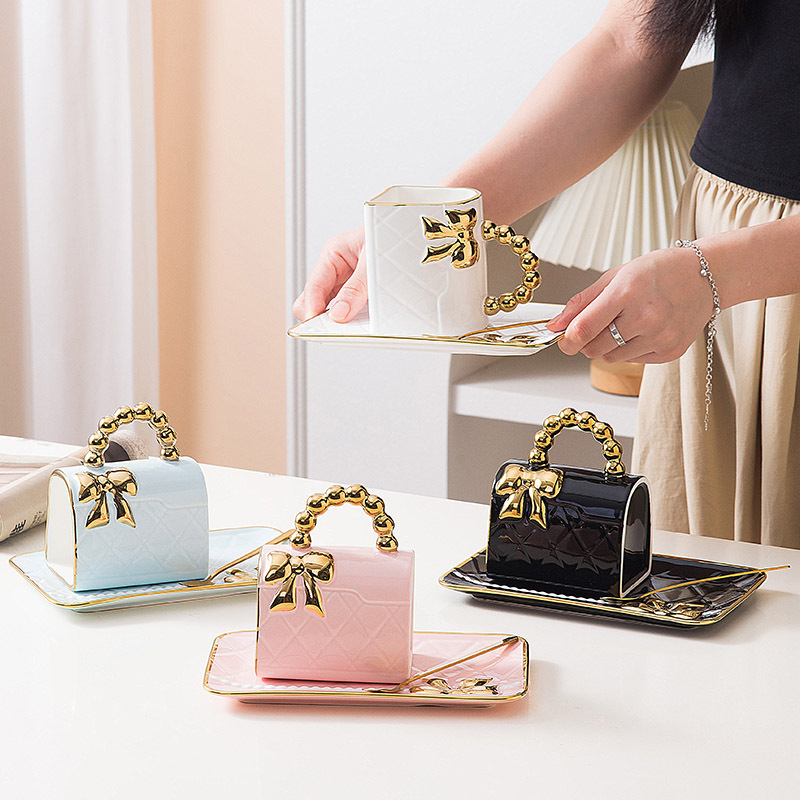
Handcrafted Ceramic Bow Bag Mug | Cozy Home Decor Gift
-
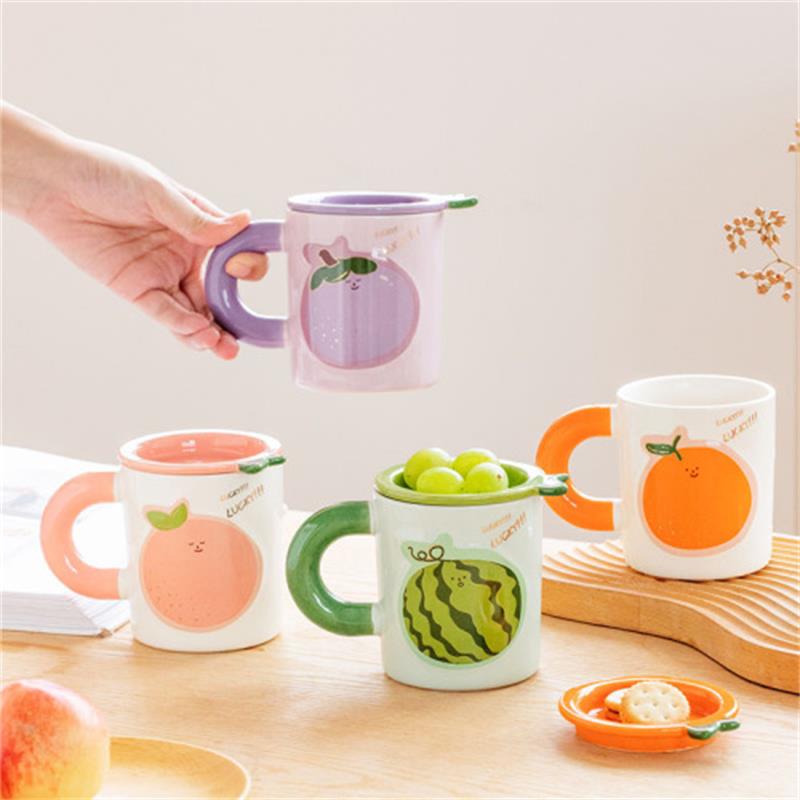
Fruit-Patterned Ceramic Mug | Handcrafted Cozy Home Decor
-
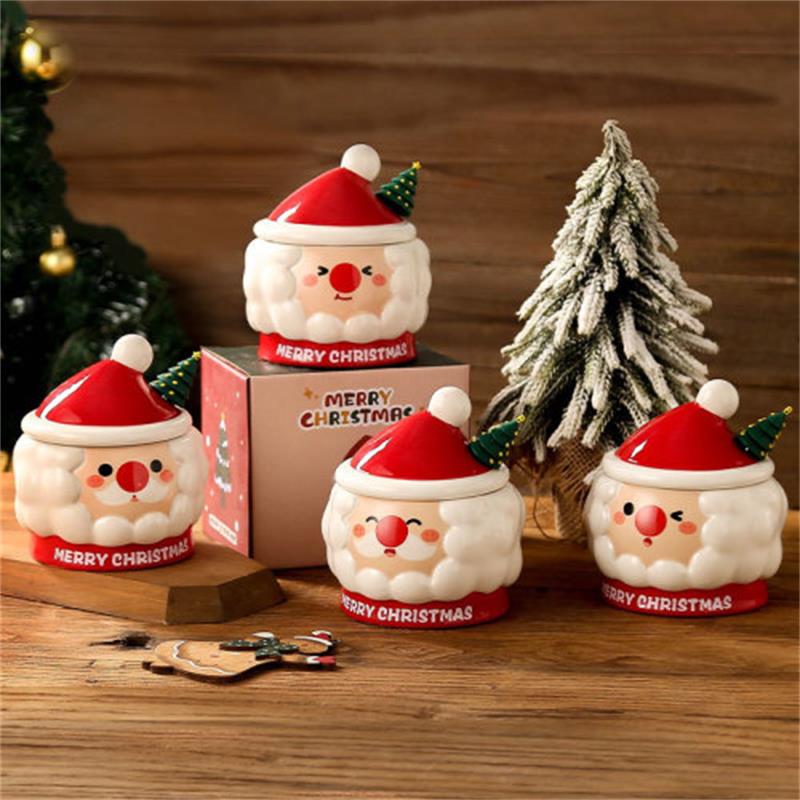
Handcrafted Santa Ceramic Mug | Cozy Home Decor & Gift