
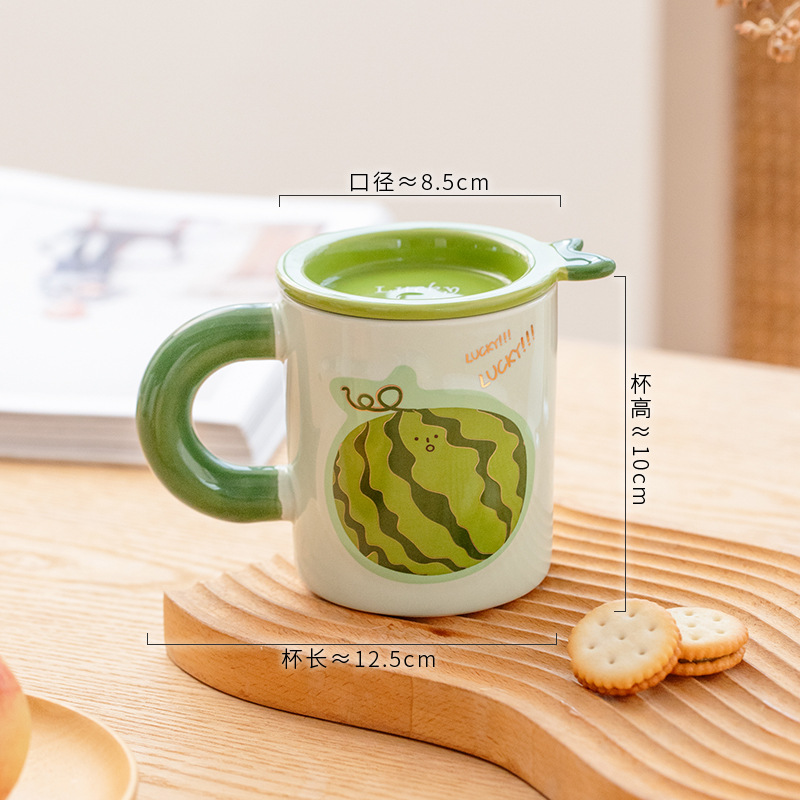
Fruit-Patterned Ceramic Mug | Handcrafted Cozy Home Decor
There’s a particular kind of quiet that settles over a kitchen just before the house wakes up. The kettle hasn’t started its low rumble yet. The light coming through the window is still soft, still deciding what kind of day it wants to be. And on the counter, or on the open shelf beside the sink, sits a mug—glazed ceramic, painted with a small cluster of grapes or the bright curve of a watermelon slice—waiting for the first hand of the morning to reach for it.
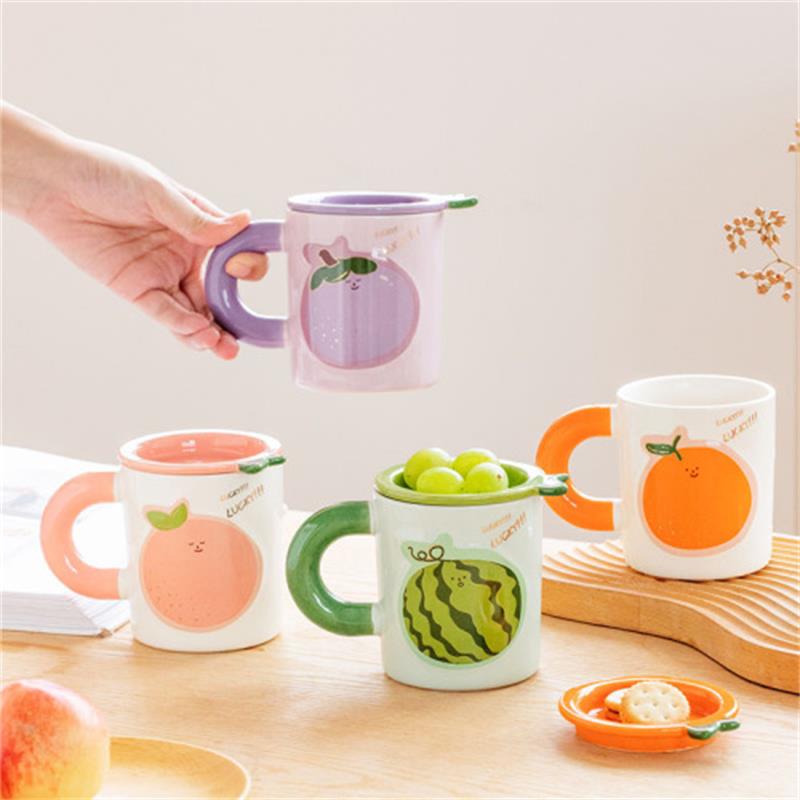
That moment, more than any product spec, is where this mug began. Not in a design studio, but in the ordinary ritual of a slow breakfast: the same cup, the same chair, the same ten minutes of quiet before the day gets loud. The fruit patterns—watermelon, orange, grape, peach—were chosen for that ritual. Each one carries a little of the season it belongs to, a little of the warmth we associate with fruit shared at a family table. A peach mug for the height of summer. A grape mug for the slower, darker evenings of autumn. A watermelon mug that feels like a picnic even when it’s raining outside. An orange mug that brings a small, bright cheer to a gray January morning.
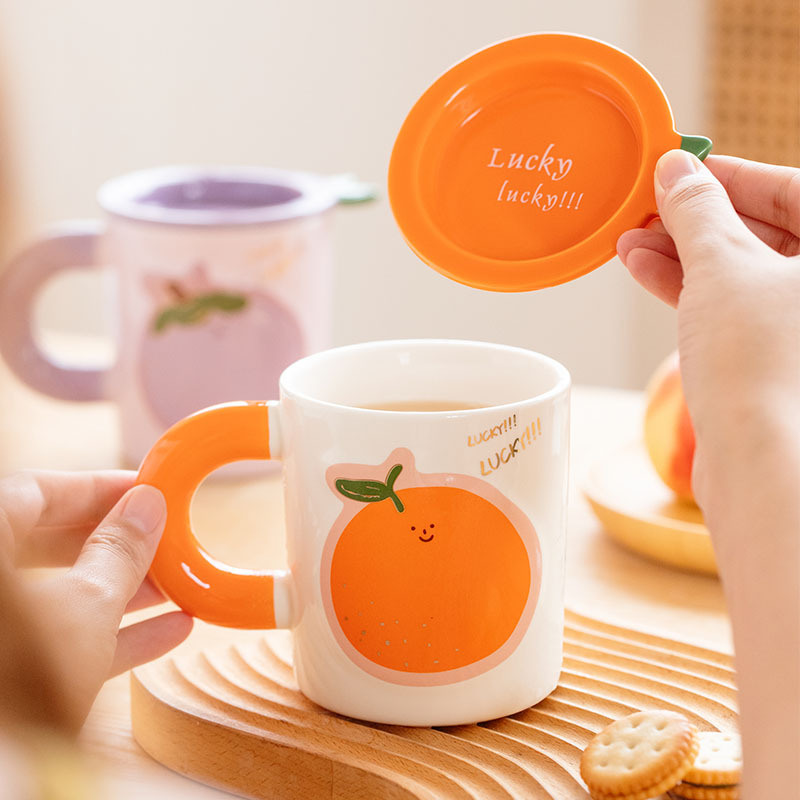
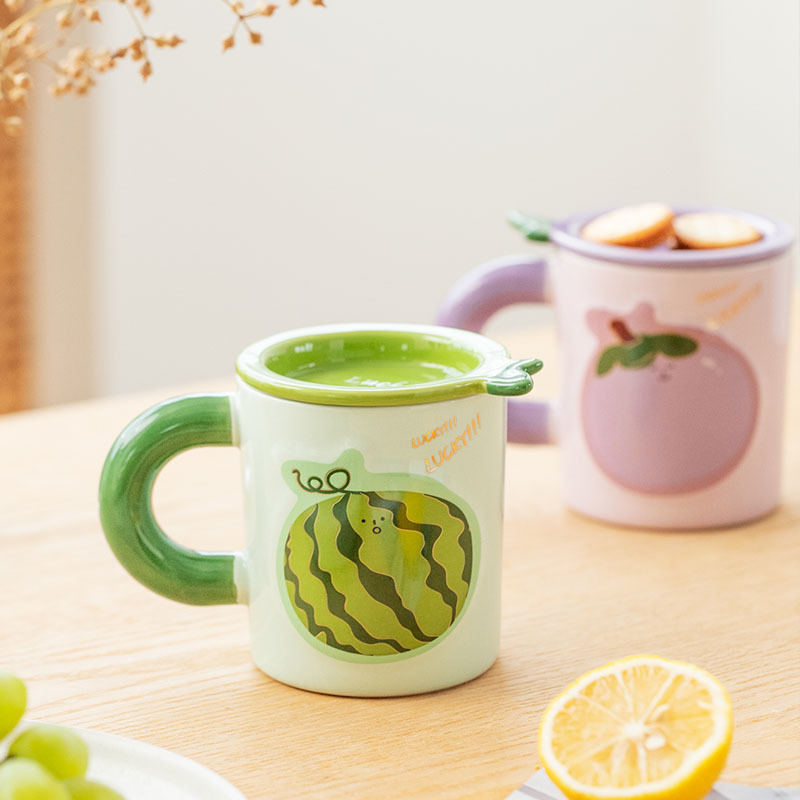
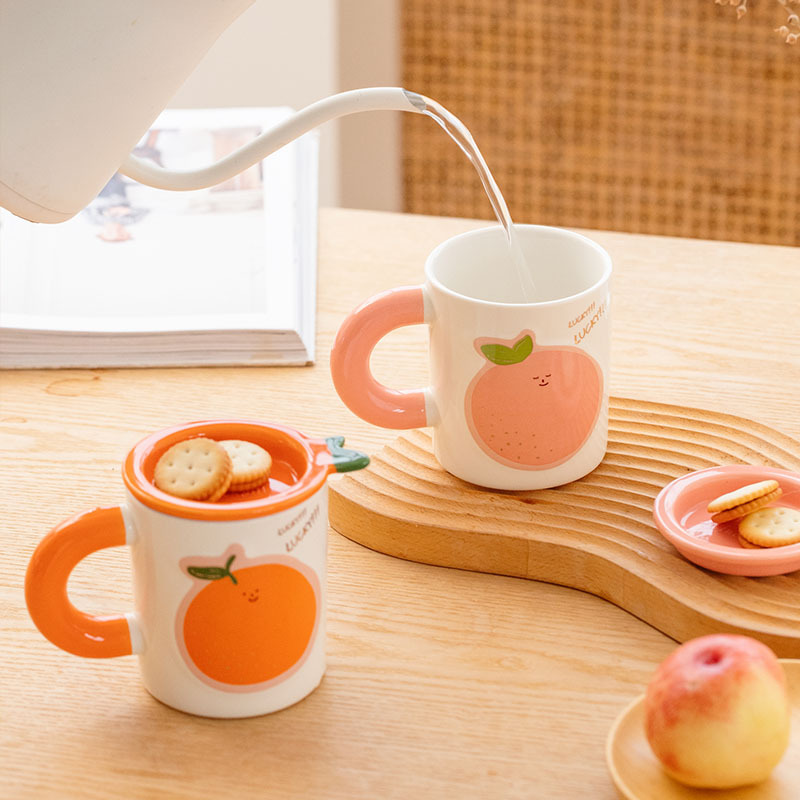
What makes these mugs feel different in the hand is the ceramic itself. The body is substantial without being heavy—301 to 400 milliliters, enough for a generous pour of coffee or a full cup of tea, but balanced enough that it doesn’t tire your wrist on the second refill. The glaze has a soft, slightly satin finish, the kind that catches window light in a gentle band rather than a hard shine. Run your thumb along the side and you feel the smooth curve of the body, the slight lift where the fruit motif sits raised just a touch above the glaze—not printed flat, but applied with enough care that it reads as a small painted detail rather than a decal. The handle is shaped for a comfortable grip, wide enough for a finger or two, sized for hands that are still half asleep.
The fruit patterns themselves are done in a style that feels hand-painted rather than mass-produced. The watermelon slice has a soft, uneven edge, the way a real slice does when it’s cut on a kitchen counter. The orange segments are suggested with a few confident strokes rather than labored detail. The grapes cluster loosely, some slightly overlapping, the way they hang on the vine. The peach has a gentle blush that fades toward the base, the kind of gradient you only get when a human hand moves a brush across a curved surface. None of it is precious or fussy. It’s the kind of decoration that belongs in a real home, on a real shelf, next to a stack of plates and a jar of jam.
And that’s where these mugs tend to end up. On open kitchen shelving, where the fruit pattern adds a small pop of color against white dishes and wooden spoons. On a desk, holding pens or a afternoon coffee, the peach or orange motif a quiet bit of cheer during a long workday. On a bedside table, catching the last of the evening light, the grape pattern deepening to a rich plum tone. As a table centerpiece for a casual brunch, four mugs in four fruit patterns lined up alongside a plate of pastries—it’s the kind of small styling choice that makes a table feel intentionally set without feeling overdone. And in a collector’s display cabinet, where ceramic pieces are arranged by glaze and motif, the fruit series sits comfortably alongside other artisanal tableware, each mug a small study in color and form.
They also make the kind of gift that doesn’t require an occasion. A housewarming present for a friend who just moved into her first apartment, paired with a bag of good coffee and a handwritten note. A small thank-you for a neighbor who watered the plants all summer. A thoughtful pick for a gift exchange where the budget is modest but the taste is good. For families, a set of four—one fruit for each person at the table—turns an ordinary breakfast into a small daily ritual, everyone reaching for their own pattern without thinking. For gift-givers shopping for someone who already has everything, a single mug in a favorite fruit is a low-pressure, high-warmth choice: useful, beautiful, and personal without being intimate.
There’s a quieter audience for these mugs, too. Corporate gift buyers and small wholesale shoppers looking for decorative gifts that feel considered rather than generic often land on ceramic tableware for exactly this reason: it’s useful, it photographs well, and it carries a handmade quality that reads as thoughtful. A small café might order a set for its counter display; a boutique hotel might place a few in guest rooms; a corporate gifting team might pair a fruit-patterned mug with a box of tea for a client appreciation gift. The fruit motif works across seasons—watermelon and peach for spring and summer gifting, grape and orange for autumn and winter—which makes the series easy to build into a seasonal gift assortment without changing the core product. For collectors and decor enthusiasts, the appeal is simpler: a well-glazed ceramic mug with a hand-painted motif is the kind of small, affordable piece that earns a permanent spot on the shelf, the one you reach for first every morning.
What these mugs offer, in the end, isn’t a dramatic transformation of a home. It’s a small, daily pleasure: the weight of a well-made cup in your hand, the soft gleam of glaze in morning light, a fruit pattern that makes you smile before you’ve fully woken up. It’s the kind of object that settles into a home quietly and then becomes indispensable—the mug you look for in the cupboard, the one you’d notice immediately if it were missing. Whether it’s a gift for someone you love, a small upgrade to your own morning routine, or a decorative piece chosen for its color and craft, it does what the best home objects do: it makes an ordinary moment feel a little more cared for. And that, more than any pattern or glaze, is the real reason it belongs on your shelf.
Leave Your Message
Related PRODUCTS
-
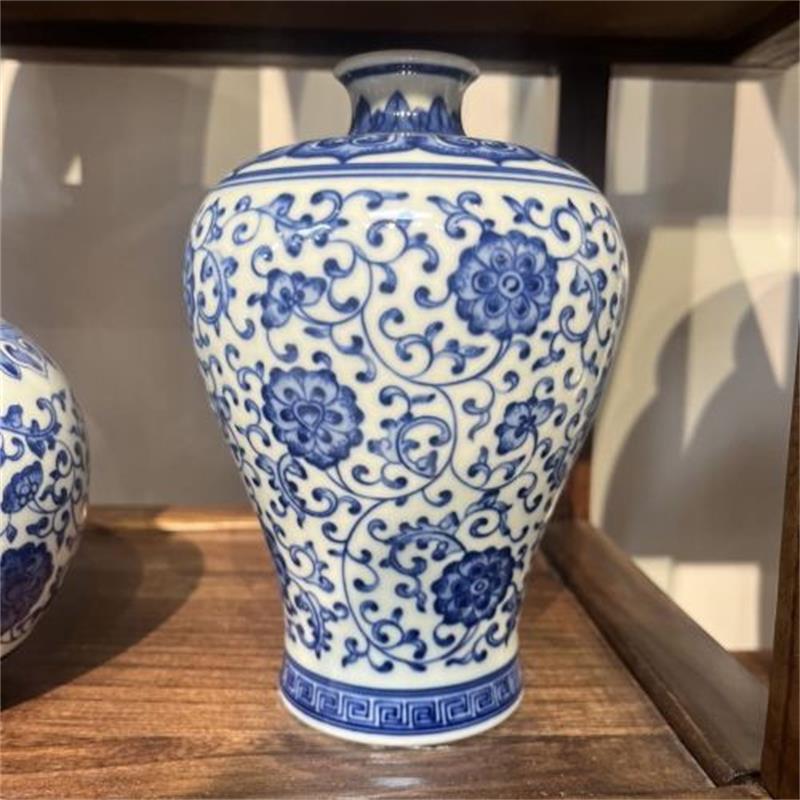
Hand-Painted Ceramic Plum Lotus Vase | Artisanal Decor
-
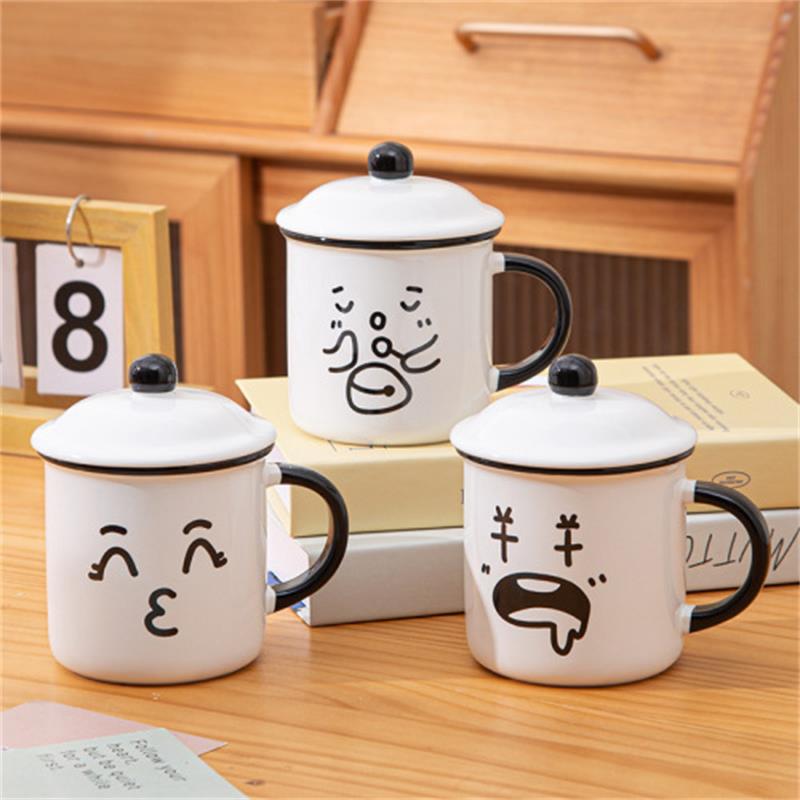
Quirky Ceramic Mug with Lid | Fun Unique Gift & Desk Decor
-
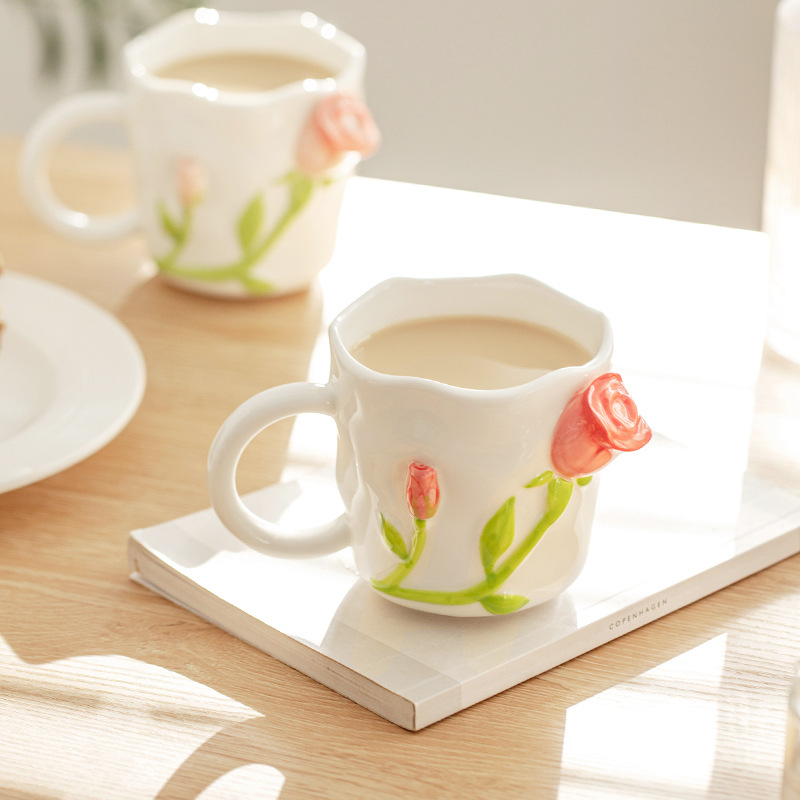
Handcrafted Rose Relief Ceramic Mug | Gift & Home Decor
-
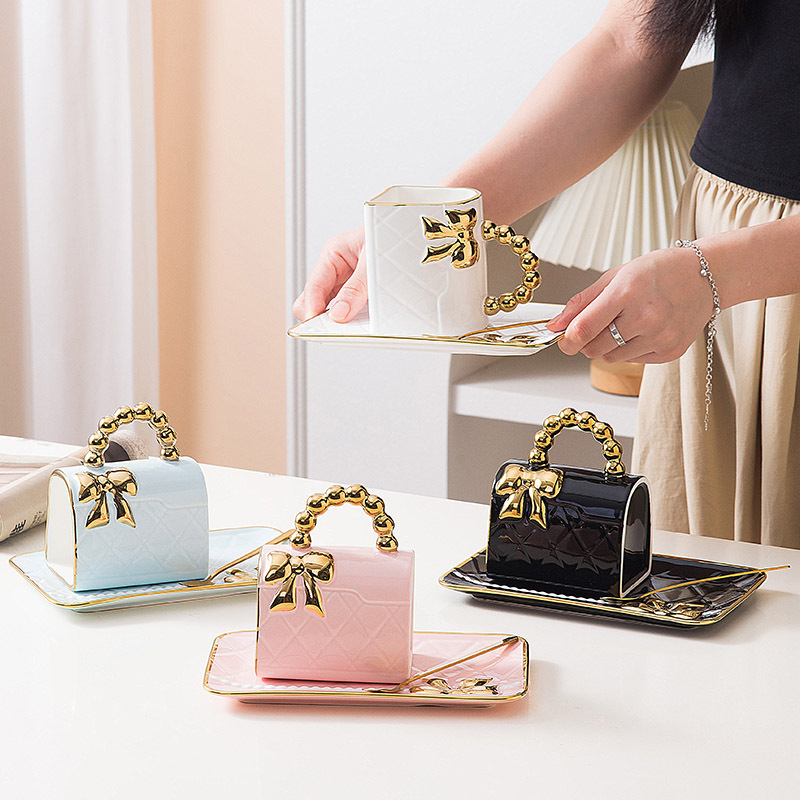
Handcrafted Ceramic Bow Bag Mug | Cozy Home Decor Gift
-

Handcrafted Santa Ceramic Mug | Cozy Home Decor & Gift
-
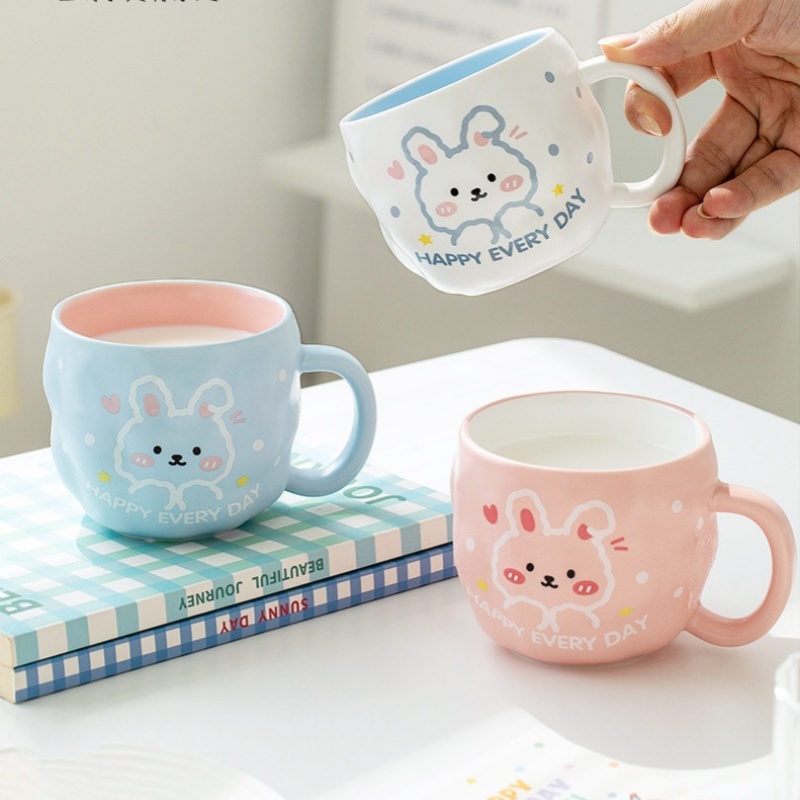
Handcrafted Ceramic Rabbit Mug for Cozy Home Decor