
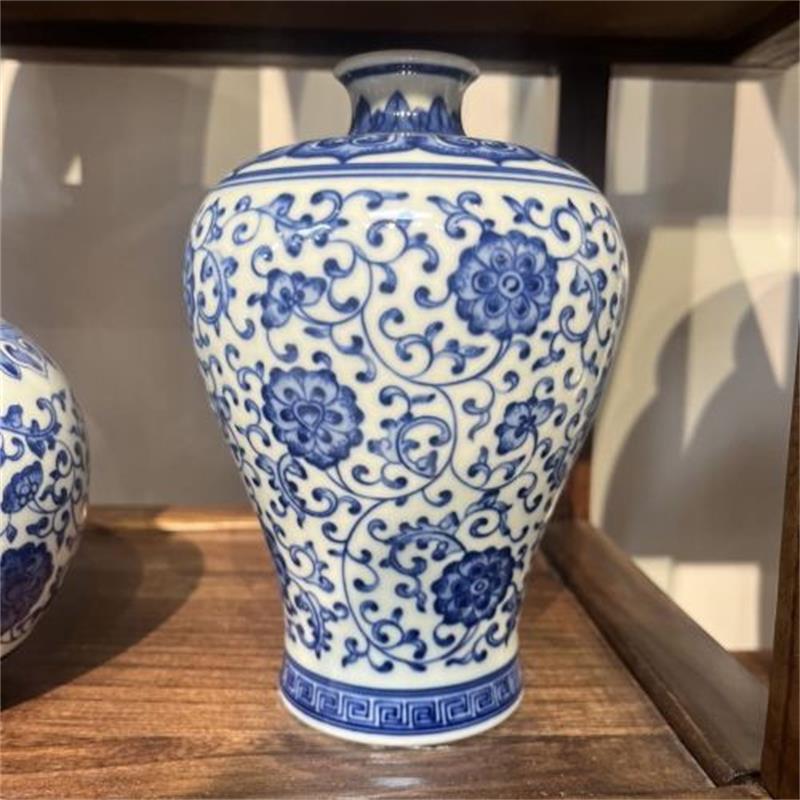
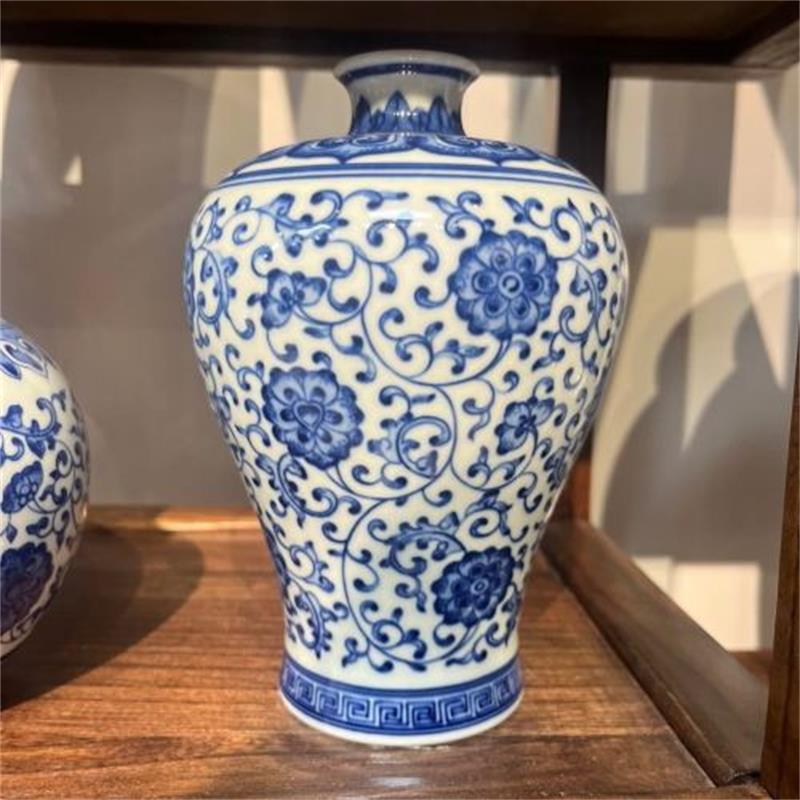
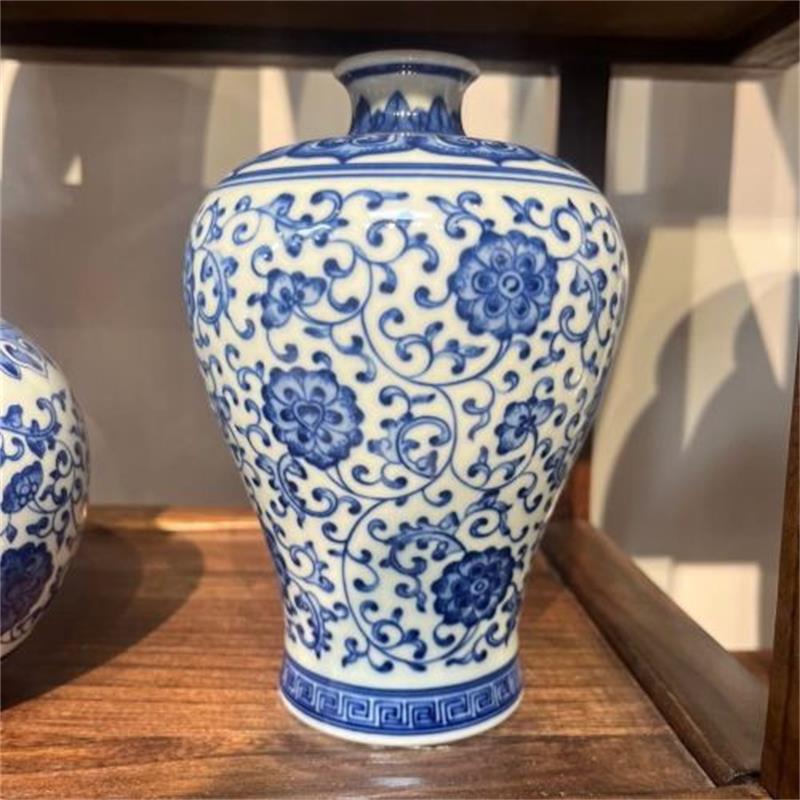
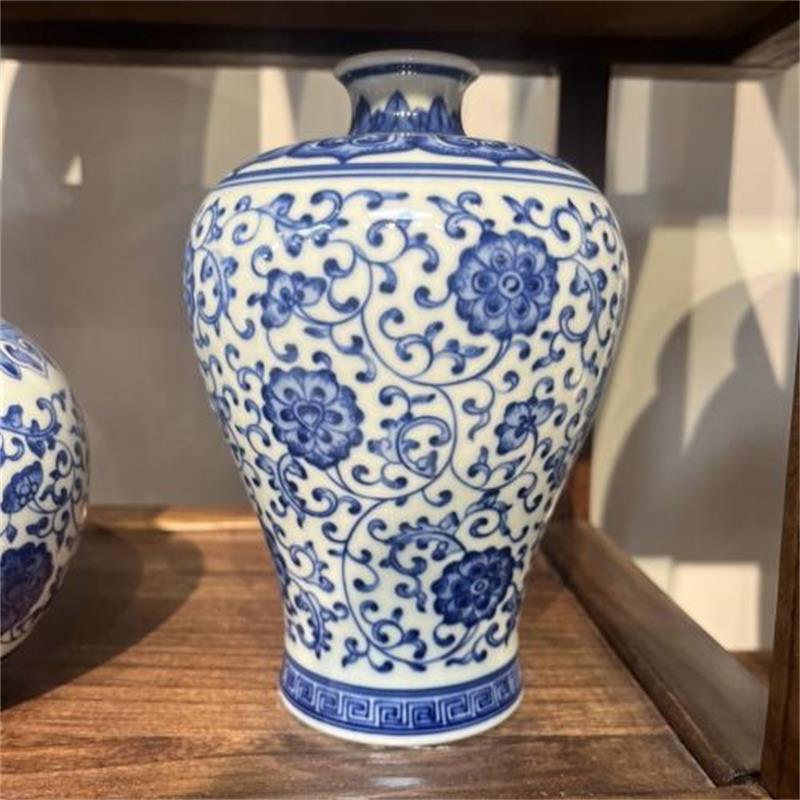
Hand-Painted Ceramic Plum Lotus Vase | Artisanal Decor
There is a certain hour in the afternoon when the light turns slow and amber, and the room asks for something quiet to hold it. Not a statement piece. Not a burst of color. Just an object with enough presence to anchor the corner of a shelf, and enough restraint to disappear into the calm. That hour is where this vase began.
The idea came from an old porcelain fragment—a shard of celadon-glazed stoneware, its surface worn soft by years of handling, still carrying a faint painted line of a plum branch. Whoever painted it had worked quickly, confidently, with a brush that knew the curve of the branch before the hand did. That confidence is what we wanted to carry forward: not a reproduction of a museum piece, but the same gesture, the same unhurried hand, translated onto a form that could live in a modern home without feeling like a relic behind glass.
The vase is wheel-thrown in ceramic, then hand-painted with a plum branch that climbs one side and a lotus bloom that opens along the other. The plum branch is spare—a few dark strokes, a handful of five-petaled blossoms rendered in muted rose and ink. The lotus is softer, its petals layered in pale washes that deepen toward the center. Between them, the glaze pools and thins in the way only a hand-applied finish can, leaving a surface that shifts from matte to a low, quiet sheen depending on where the light falls. Run a fingertip across it and you feel the slight variation of the brushwork, the tiny ridges where the pigment sits a fraction higher than the glaze. It is not perfectly smooth. It is not meant to be.
In size, it sits comfortably in the hand—roughly the height of a small paperback stood on end, with a weight that feels substantial without being heavy, the kind of object you can pick up and move without thinking about it. That proportion matters more than it sounds. A vase that is too tall dominates a shelf; one that is too small gets lost. This one holds its ground on a console table, a windowsill, a stack of art books, or the quiet end of a dining table where a single stem of dried grasses or a bare branch is all the arrangement it needs.
In a living room, it earns its place on a low shelf among stones and candles, catching the late light along its painted branch. On a desk, it becomes a still point in the middle of a working day—something to rest the eyes on between tasks. As a table centerpiece, it asks for very little: one stem, one shadow, one clean line of ceramic against a linen runner. For collectors of artisanal ceramics, it sits naturally beside other hand-thrown pieces, its painted motifs giving the eye a place to land without competing for attention. And for those who choose decorative gifts with an eye toward quiet quality, it carries the weight of a considered present—appropriate for a housewarming, a retirement, a thank-you that needs to say something without saying too much. In corporate gift selection, where restraint reads as respect, a small run of these vases, each with its own slight variation in brushwork, offers something more personal than a branded object and more lasting than a card.
The plum and lotus are old motifs, and we treat them as such—not as symbols with fixed meanings, but as forms that have earned their place through centuries of use. The plum branch, painted in a few confident strokes, carries the suggestion of early cold and quiet persistence. The lotus, opening in pale layers, suggests something unfolding at its own pace. We do not ask the object to promise anything. It is ceramic, glaze, and pigment, and its value is in how it sits in a room: calmly, with a kind of patience.
What the vase offers, in the end, is atmosphere. It is the sort of object that does not announce itself but changes the room around it—softening a bare shelf, giving a table a center, making a gift feel chosen rather than ordered. It holds light the way a still surface holds a reflection: quietly, and only for those who take the moment to notice. Place it somewhere visible, let the afternoon find it, and it will do the rest.
Leave Your Message
Related PRODUCTS
-
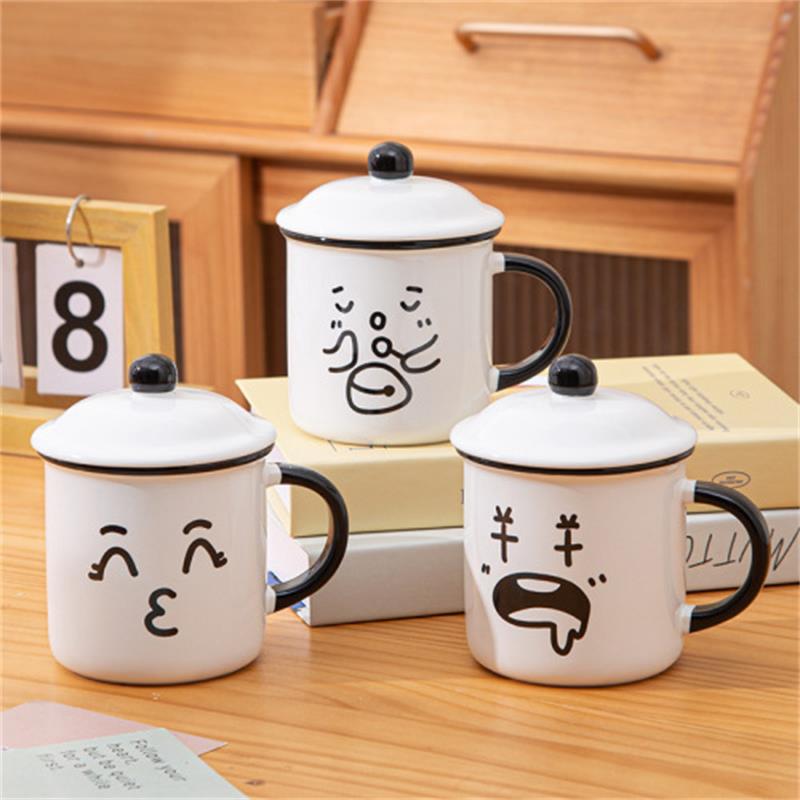
Quirky Ceramic Mug with Lid | Fun Unique Gift & Desk Decor
-
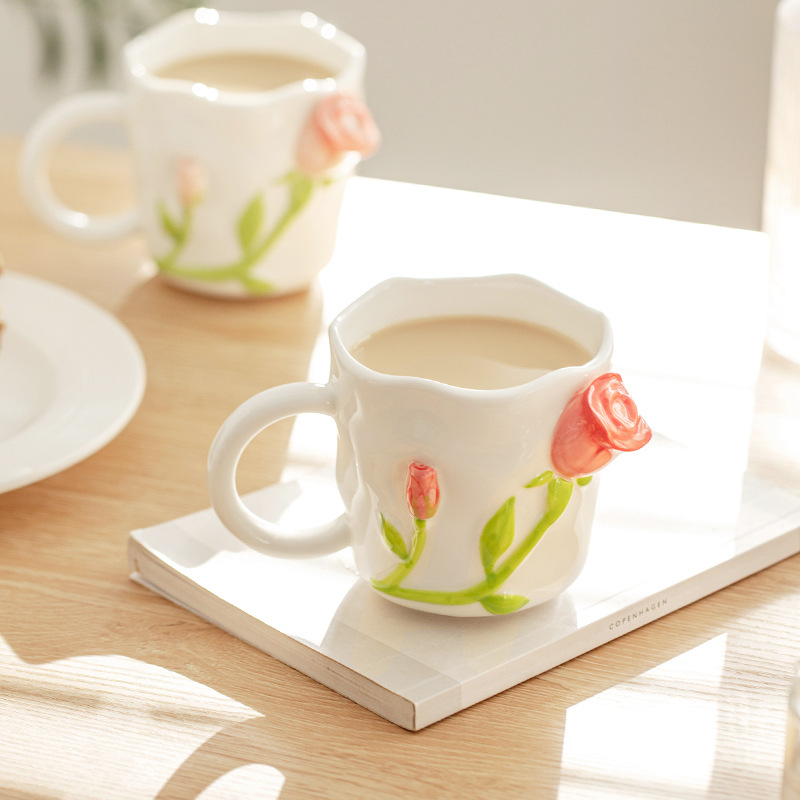
Handcrafted Rose Relief Ceramic Mug | Gift & Home Decor
-
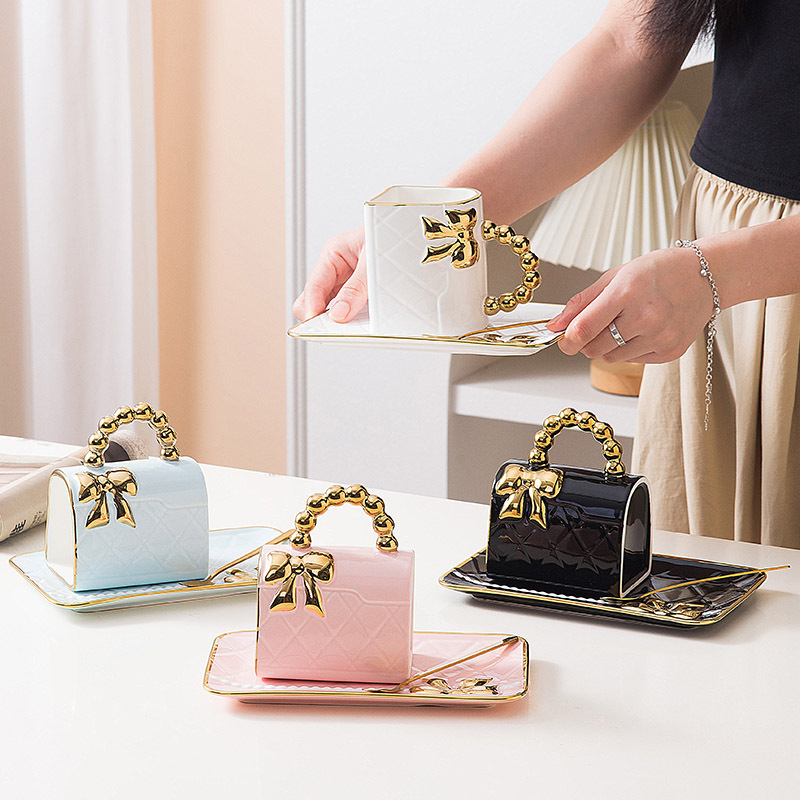
Handcrafted Ceramic Bow Bag Mug | Cozy Home Decor Gift
-
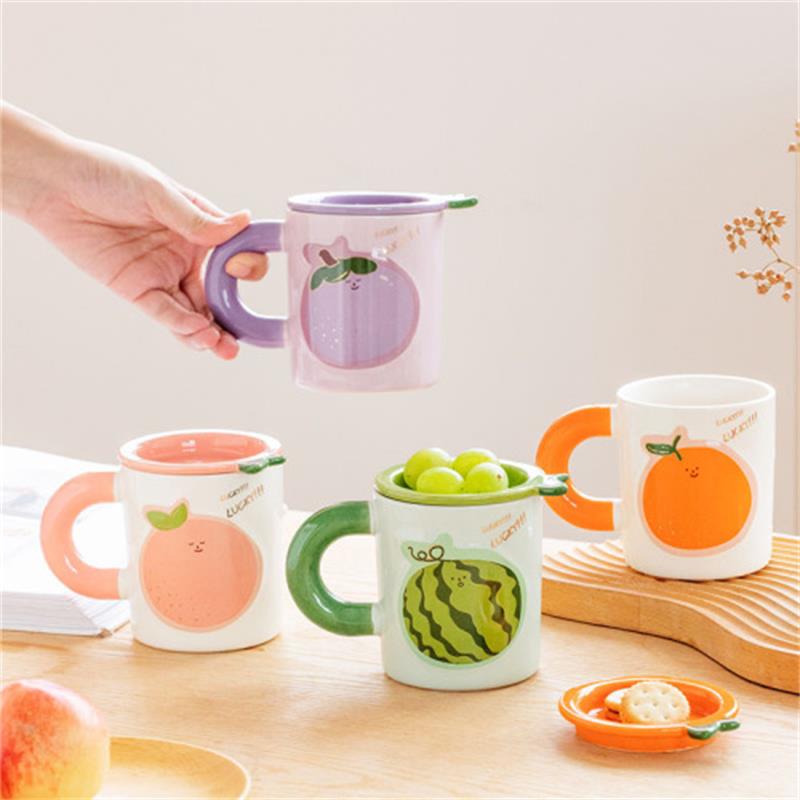
Fruit-Patterned Ceramic Mug | Handcrafted Cozy Home Decor
-
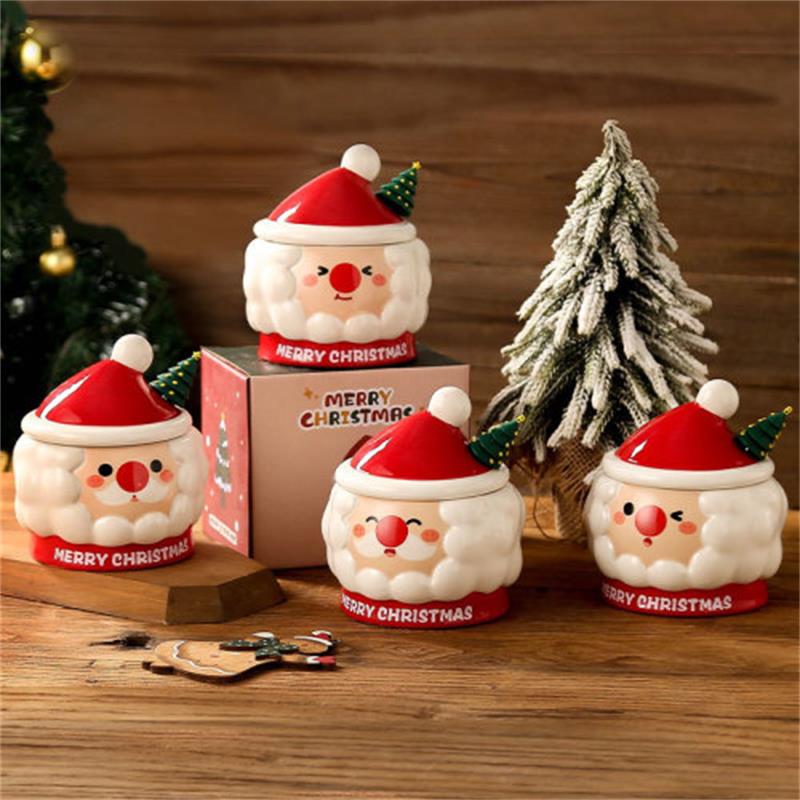
Handcrafted Santa Ceramic Mug | Cozy Home Decor & Gift
-
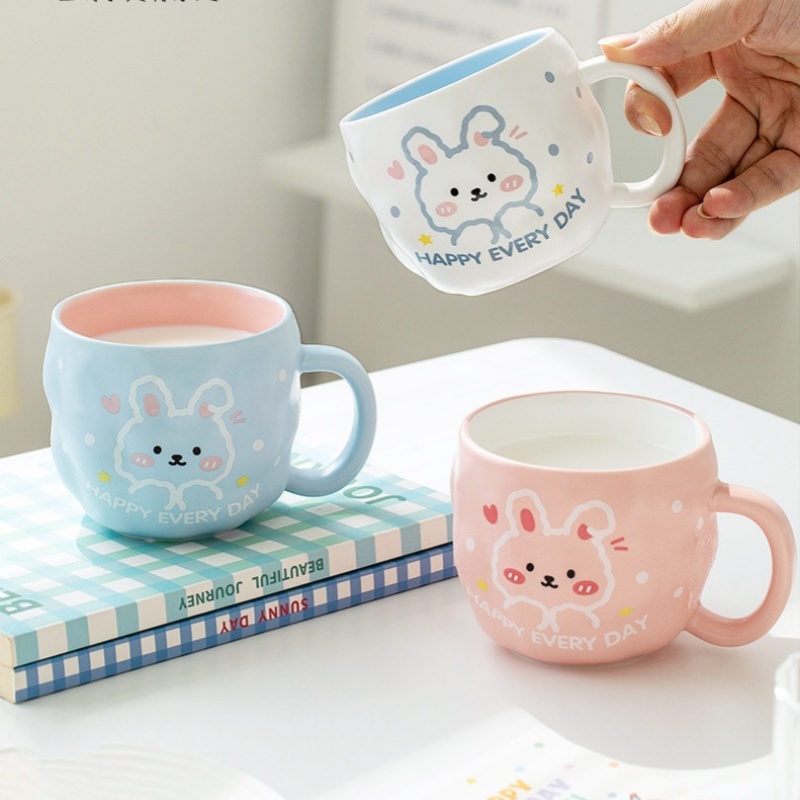
Handcrafted Ceramic Rabbit Mug for Cozy Home Decor