
Santa Ceramic Mug – Heartwarming Holiday Home Accent & Gift
The Santa Mug That Found Its Way Home
Some objects arrive in our lives with a story already tucked inside them. This Santa mug was never meant to be just another holiday decoration. It began as a small idea about the way certain cups seem to hold more than coffee—they hold the feeling of a season, the memory of a kitchen table, the sound of family laughing somewhere in the next room. That idea took shape in ceramic, and the result is a piece that feels less like merchandise and more like something that has always belonged on a shelf, waiting for December to come around again.
The story starts with a grandmother named Eleanor, though you would never find her name printed anywhere on the mug. She kept a small collection of holiday ceramics on a narrow shelf beside her kitchen window. Nothing expensive, nothing matching—just pieces she had picked up over the years because each one reminded her of a particular Christmas. Her favorite was a Santa mug with a pattern of tiny stars and snowflakes pressed into the clay, the kind of detail you only notice when you hold it close. Every morning in December, she filled it with milk, sat by the window, and watched the neighborhood wake up. The mug was chipped near the handle by the time her granddaughter was old enough to reach for it, but that chip became part of the story. It was the mug you were allowed to use only when you were old enough to be careful.
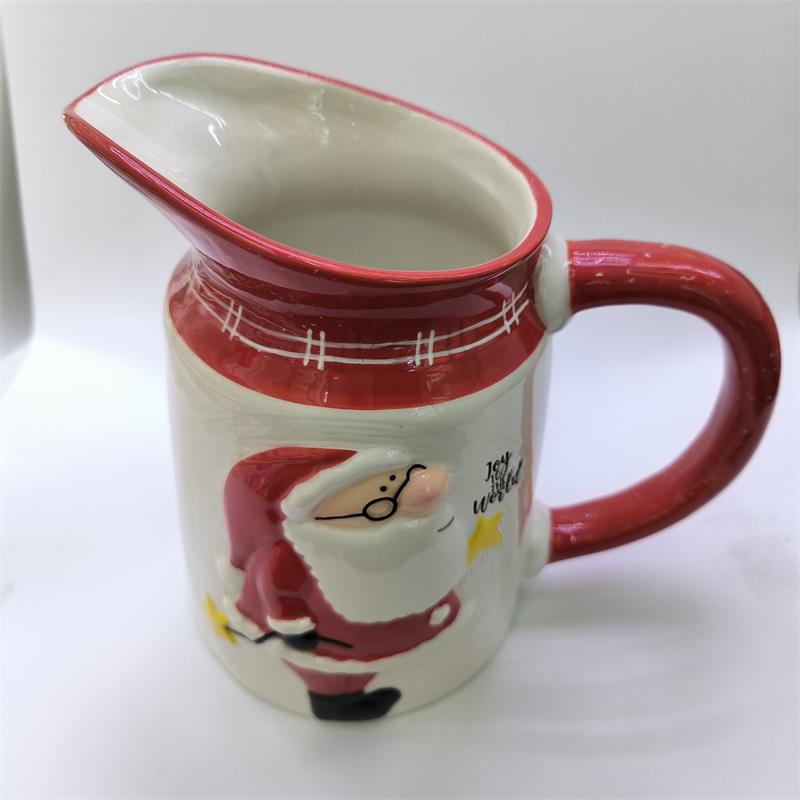
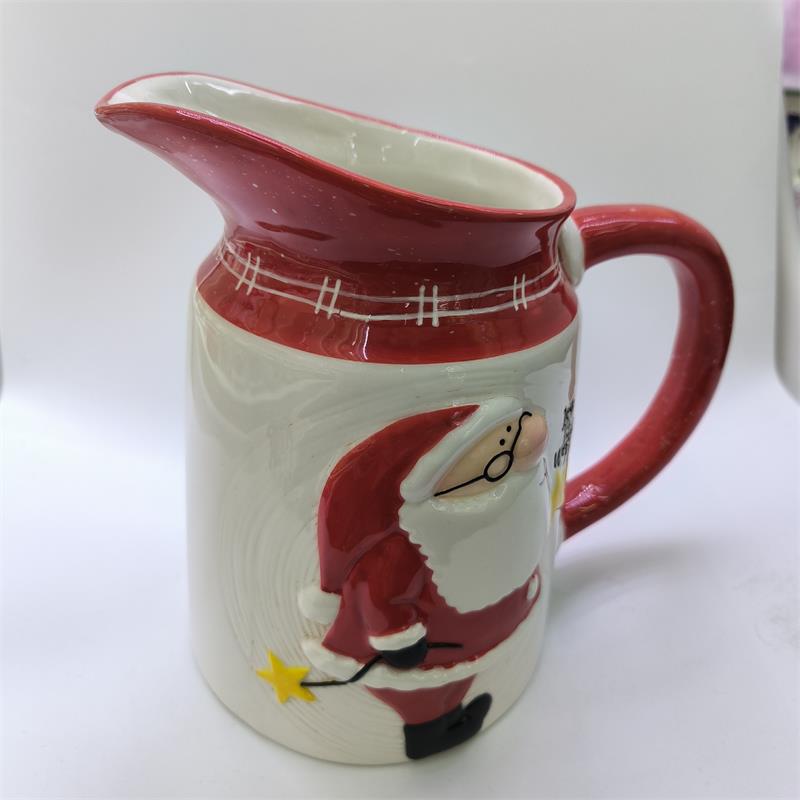
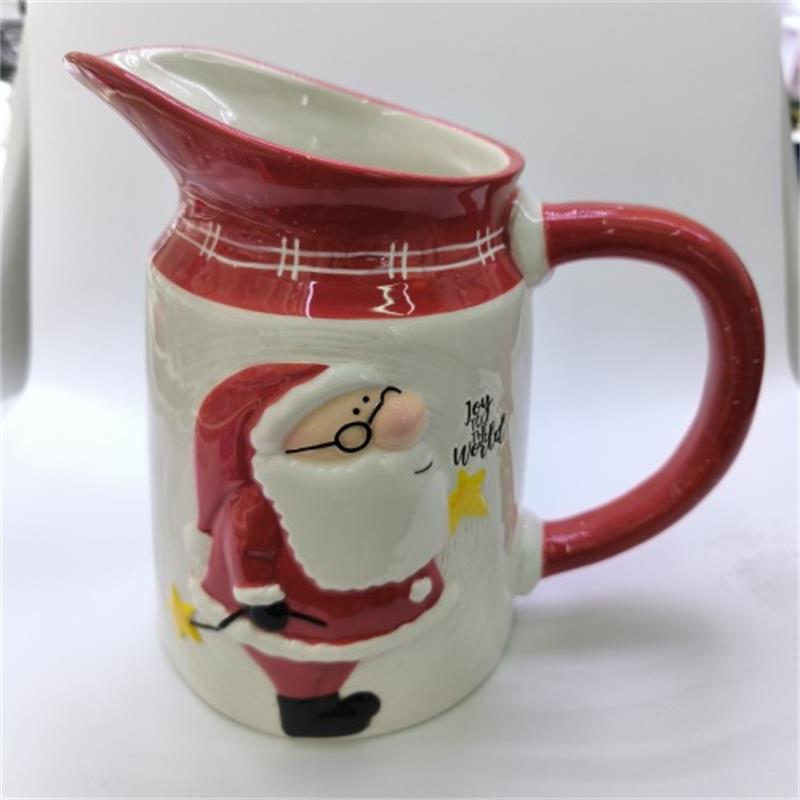
That is the spirit this Santa mug carries. The ceramic body is sturdy and smooth, with a finish that catches light softly rather than glaring. The patterned surface—Santa’s face surrounded by delicate holiday motifs—is pressed into the material, not painted on top, so it holds up to daily use and still looks warm under string lights or morning sun. At roughly 20.7 by 13.4 by 19 centimeters, it has a satisfying presence without crowding a countertop. It feels good in two hands. It sits evenly on a shelf. It is the kind of object that makes a small space feel intentional.
What makes this piece different from a standard holiday cup is the way it works as both a usable mug and a decorative object. On a desk, it holds pens or dried eucalyptus. On a shelf, it anchors a small cluster of winter decor—a candle, a sprig of pine, a framed photo. On a holiday table, it becomes a conversation piece, the thing a guest picks up and turns over in their hands while asking where it came from. The pattern rewards a closer look: the Santa figure is rendered with a gentle, old-fashioned expression, more grandfatherly than commercial, and the surrounding flourishes echo the hand-painted ceramics that used to be passed down rather than bought new.
For families, this mug fits naturally into the rituals that make the season feel like itself. It is the cup that comes out of the box with the ornaments. It is the one a child reaches for when setting the table for holiday breakfast. It is small enough to tuck into a gift basket alongside cocoa and a handwritten note, and substantial enough to feel like a real present rather than a filler item. For gift-givers, it solves the familiar problem of finding something that feels personal without being overly specific—a holiday gift for a neighbor, a hostess, a coworker, or a grandparent who insists they do not need anything. It carries warmth without requiring an explanation.
Collectors of holiday ceramics tend to look for pieces that hold their own on a display shelf, and this Santa mug earns its place. The ceramic has a pleasant weight—not heavy, but grounded—and the glaze has a subtle sheen that reads as quality rather than shine. It pairs well with other winter-themed pieces without matching them exactly, which is what makes a collection feel curated instead of purchased all at once. On a shelf display, it can sit beside metal ornaments or crystal figures without competing; the matte-leaning finish of the ceramic balances the reflections around it. As a decorative table sculpture in miniature, it brings a bit of narrative to a space that might otherwise just hold candles and bowls.
There is also a practical side to a piece like this, one that matters to people who actually live with their decorations. The size is forgiving. It does not demand a dedicated display cabinet. It fits on a kitchen windowsill, a bookshelf, a desk corner, or a mantle ledge. It is easy to dust, easy to move, and sturdy enough to survive being packed away and brought out year after year. For anyone who has struggled with holiday decor that looks beautiful in photos but feels fragile in real life, this mug offers a calmer alternative—something you can actually use, hold, and hand to a guest without wincing.
The emotional weight of the piece comes from the way it invites routine. A mug is a daily object. When you make it a holiday mug, you are giving yourself permission to slow down for a few weeks. You are saying that this season deserves its own cup, its own small ceremony. For memorial-minded buyers, that quality matters. A piece like this can become a keepsake for a family member who loved Christmas, a way to keep their favorite ritual present at the table. It does not announce itself as a memorial object. It simply holds space, the way a good ceramic always does.
For corporate buyers looking for client gifts or employee tokens, the mug occupies a useful middle ground. It is festive without being overly personal, decorative without being impractical, and distinctive enough to be remembered after the season ends. It can be paired with a box of tea or a small bag of coffee and presented as a complete gift, and its ceramic construction means it travels well and arrives looking as it should. As a home accent, it also works year-round for anyone who simply likes the warmth of the design—the holiday motifs are gentle enough to sit out past January without feeling out of place.
In the end, what this Santa mug offers is not a grand statement but a small, steady one. It says that the holidays are made of ordinary mornings and familiar objects. It says that a cup can be a keepsake, that a shelf can hold a memory, and that the best decorations are the ones you reach for without thinking. Placed on a desk, a shelf, or a holiday table, it does what the best ceramic pieces do: it makes a space feel lived in, cared for, and ready for the people who matter. That is a quiet kind of gift, and often the kind that lasts the longest.
Leave Your Message
Related PRODUCTS
-
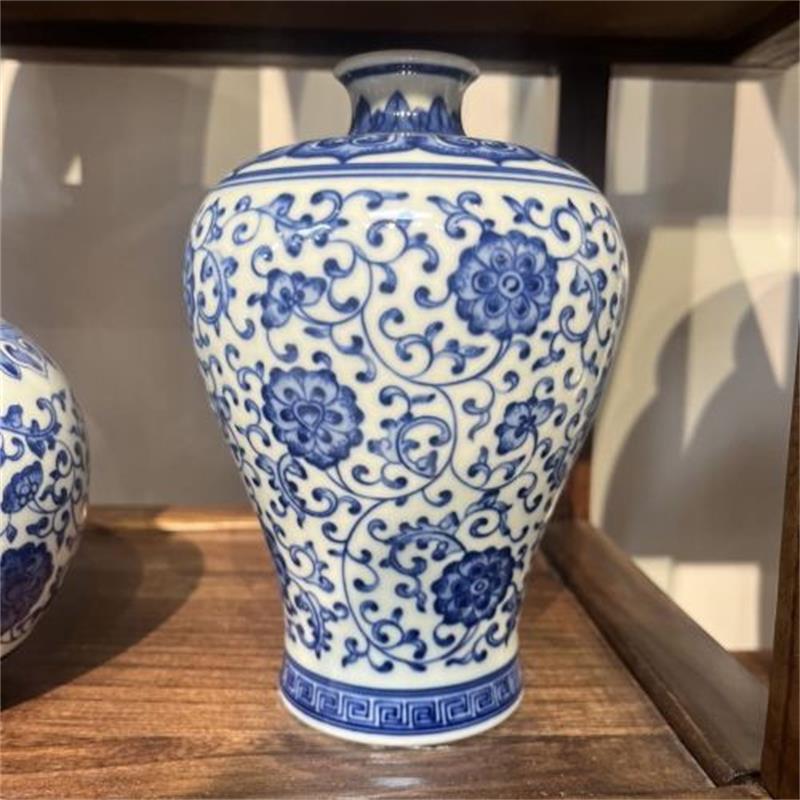
Hand-Painted Ceramic Plum Lotus Vase | Artisanal Decor
-
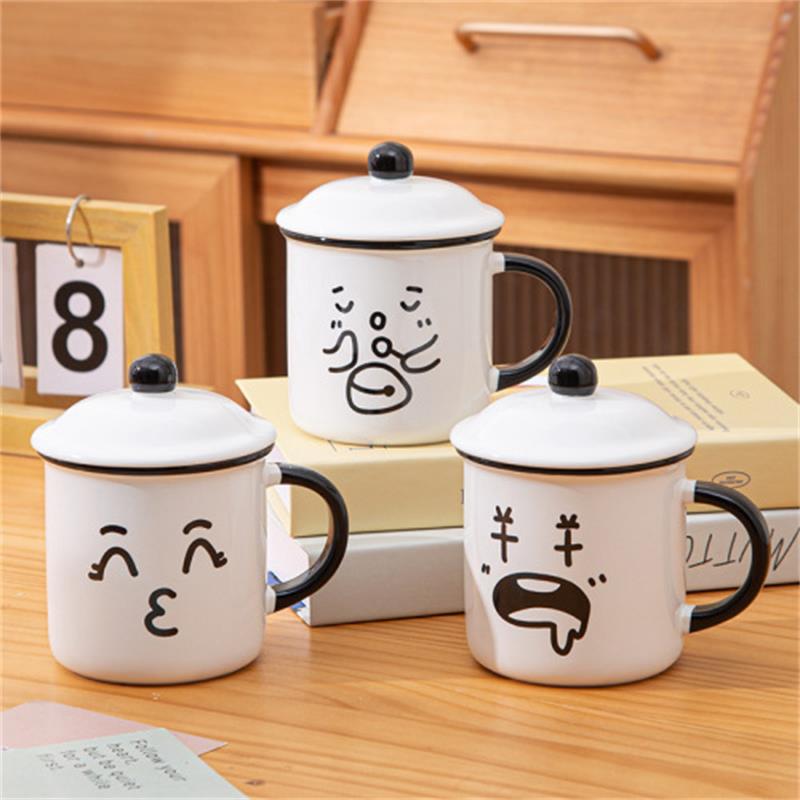
Quirky Ceramic Mug with Lid | Fun Unique Gift & Desk Decor
-
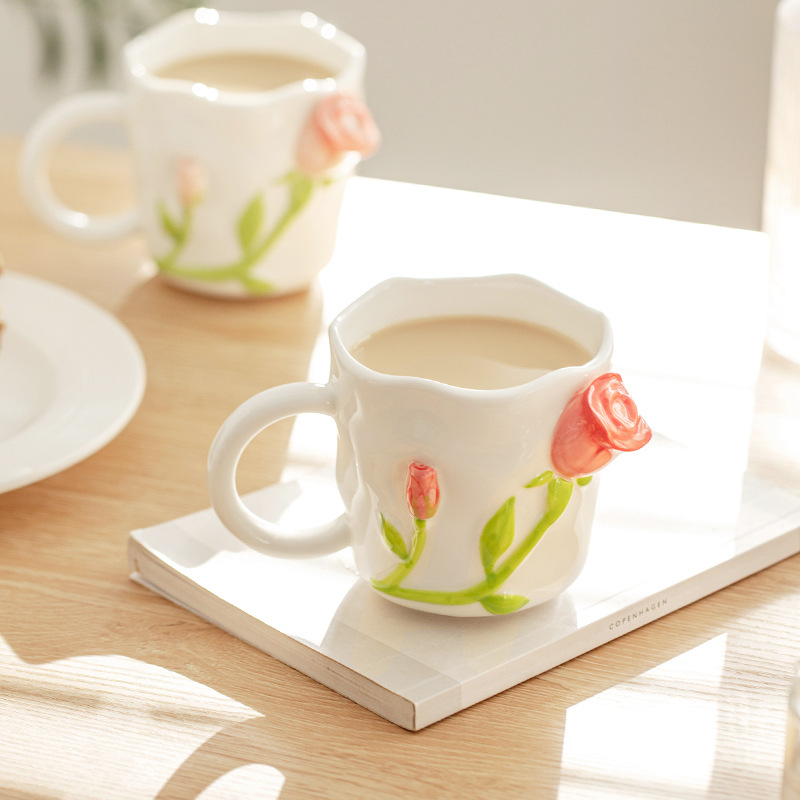
Handcrafted Rose Relief Ceramic Mug | Gift & Home Decor
-
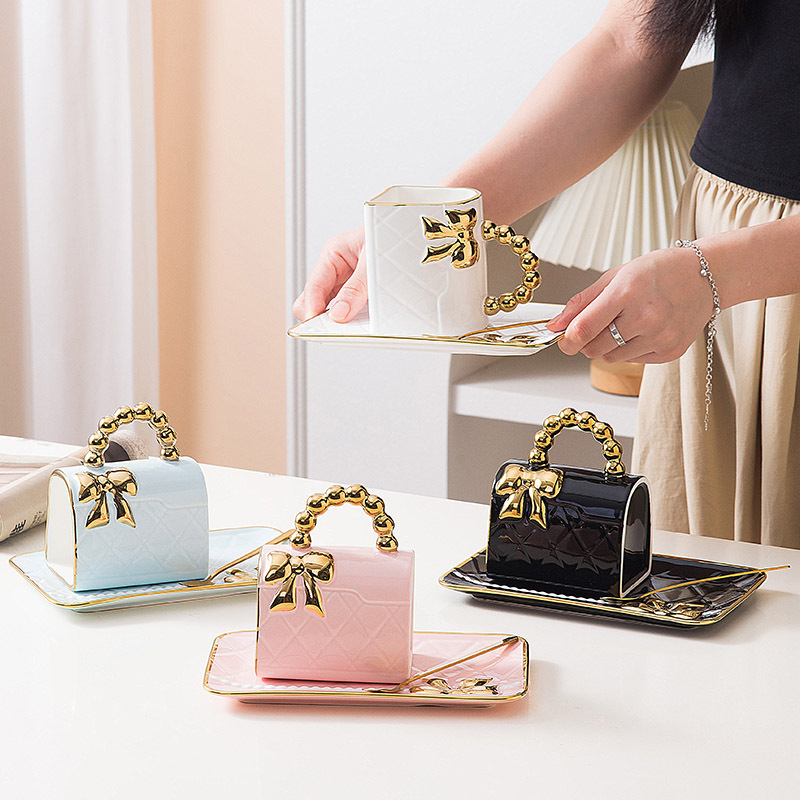
Handcrafted Ceramic Bow Bag Mug | Cozy Home Decor Gift
-
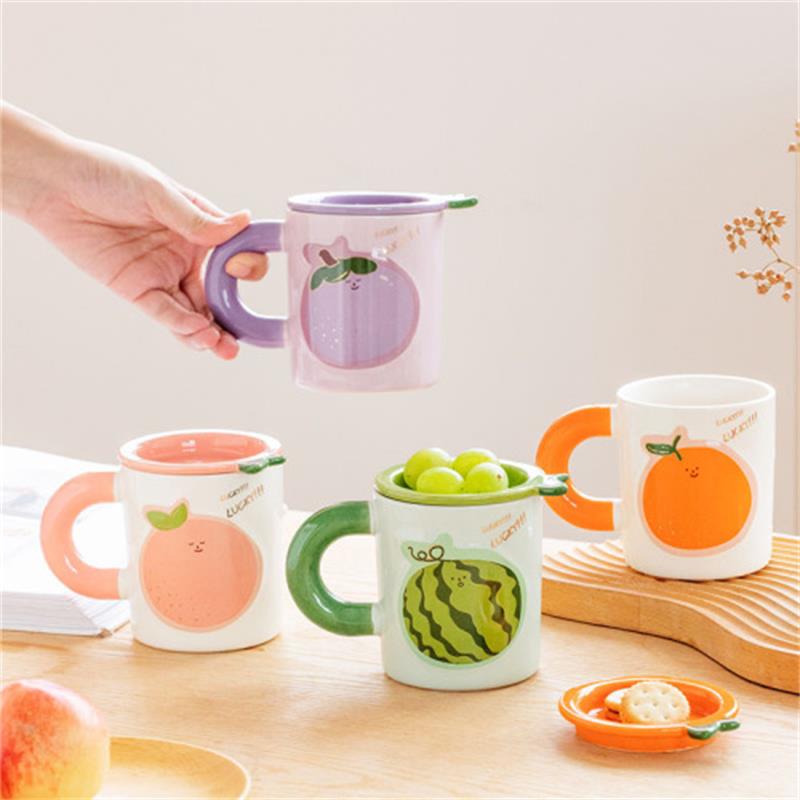
Fruit-Patterned Ceramic Mug | Handcrafted Cozy Home Decor
-
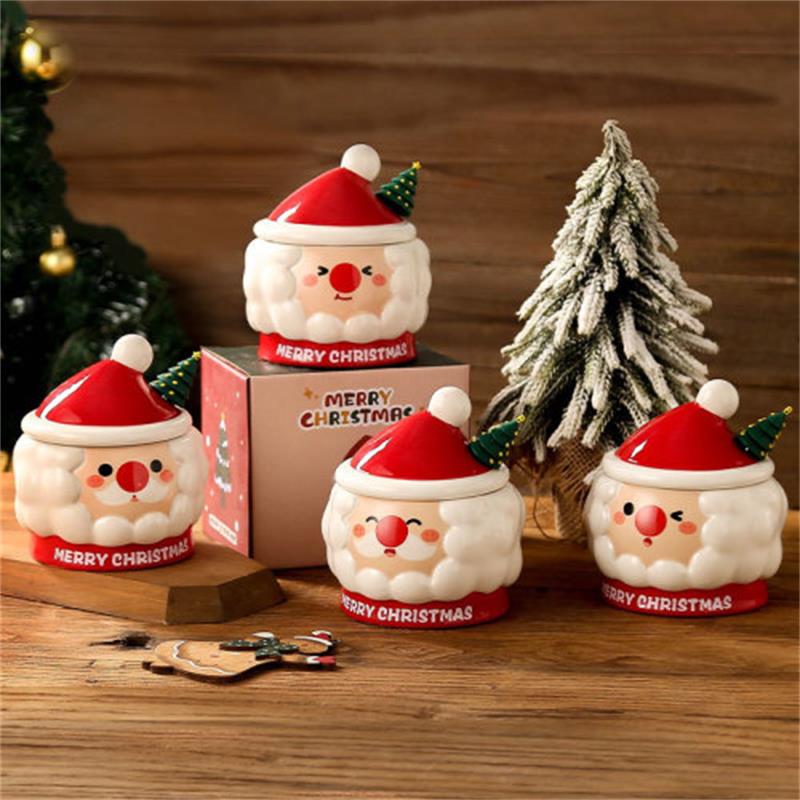
Handcrafted Santa Ceramic Mug | Cozy Home Decor & Gift