
Santa Candy Dish: Heartwarming Holiday Keepsake
Every December, my grandmother had one rule for the dining table: nothing could sit in the center unless it had a story.
The candles had a story. They came from the little shop downtown where she bought one every year on the first snowy day. The linen runner had a story too — she sewed it the winter my mother turned ten, and the stitches were still a little crooked at one corner. Even the salt and pepper shakers, shaped like tiny snowmen, had a story. Grandma found them at a church rummage sale and swore they were the only pair in the whole world.
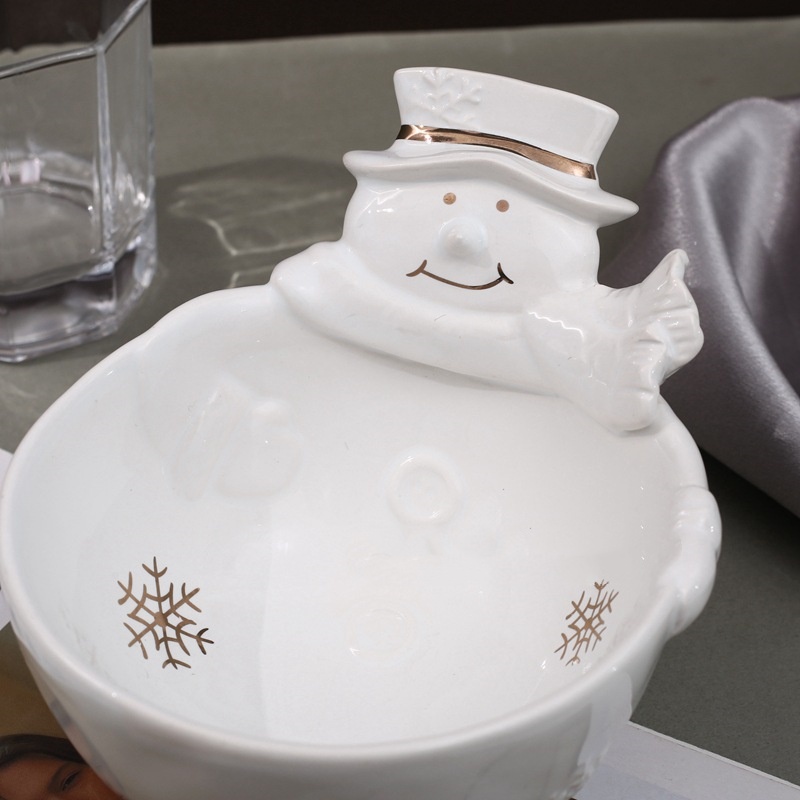
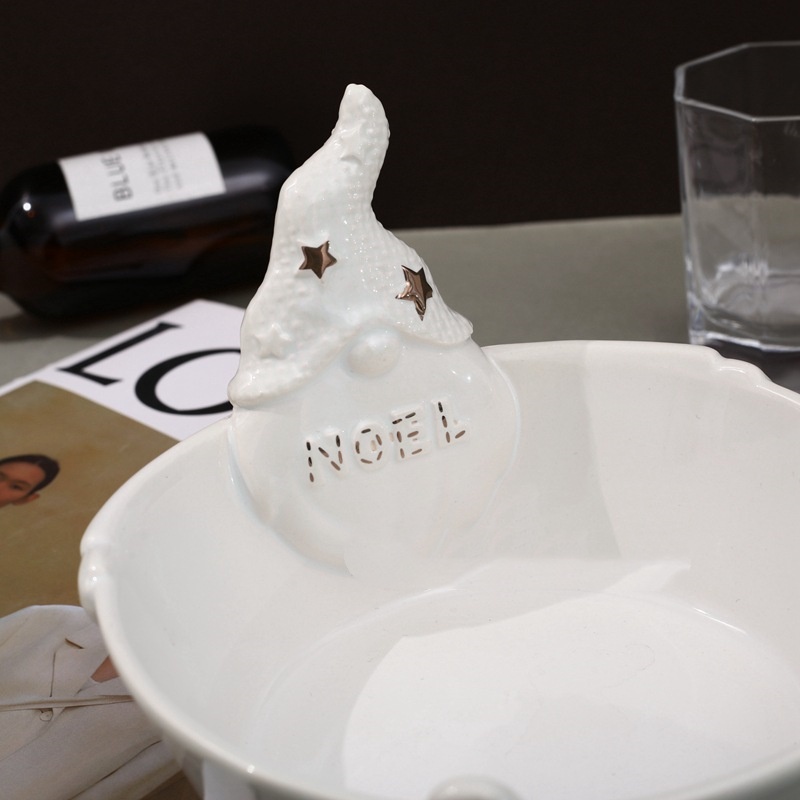
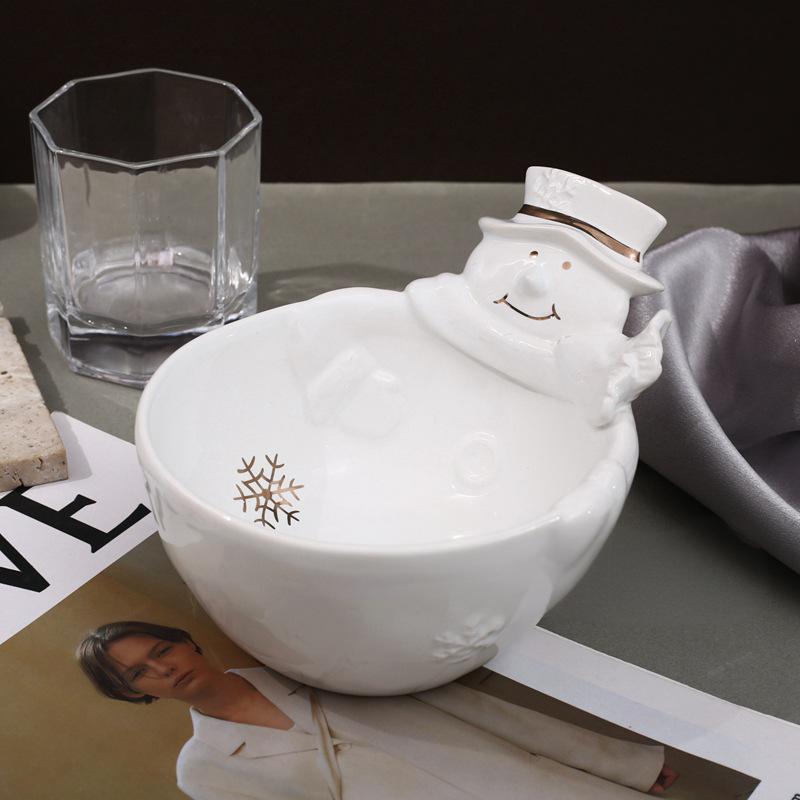
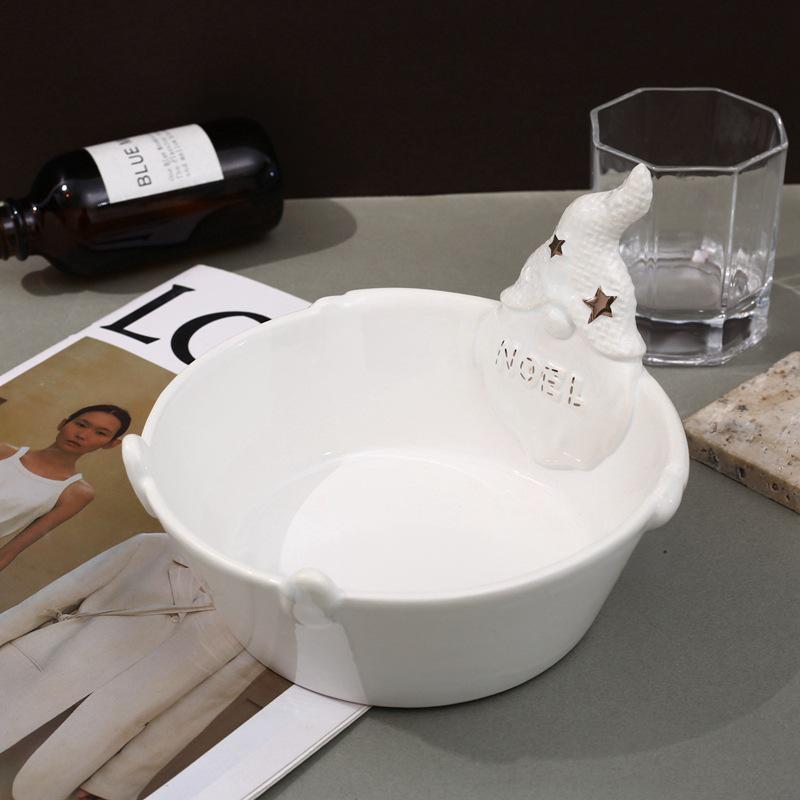
So when I brought home a ceramic Santa bowl one November, I wasn’t sure it would pass her test. It was small — about sixteen centimeters across, fifteen deep, eleven tall — but it had weight to it, the kind of sturdy, glazed ceramic that feels like it was made to be passed down. Santa’s face was painted in warm reds and soft creams, with a little pointed hat that curved just slightly to one side. His open arms formed the bowl, wide enough to hold a handful of wrapped candies or a scoop of roasted nuts.
Grandma picked it up, turned it over, and set it back down on the table. “Well,” she said, “where did you find it?”
And that was the beginning of its story.
I told her about the craft market two towns over, the one held in an old barn with strings of lights and the smell of cinnamon in the air. I had walked past three booths of ornaments and two tables of hand-knit scarves before I saw the Santa bowl sitting alone on a wooden crate. The woman behind the table said her father made ceramics for forty years, and this was one of the last pieces from his workshop. She had wrapped it in newspaper for the drive home. I still remember the headline on the page — something about a town’s Christmas parade — pressed lightly against Santa’s painted sleeve.
Grandma listened the way she always did, with her chin resting on her hand and her eyes half-closed, as if she were storing the story somewhere safe.
That Christmas, the Santa bowl found its place in the center of the table, right between the candles and the crooked runner. We filled it with peppermint candies and mixed nuts — the kind with the shells still on, because Grandma insisted cracking them open was half the fun. My little cousins took turns reaching into Santa’s arms for a candy, and every time they did, Grandma would say, “Careful now. That bowl has a story.”
By the next December, the bowl had become part of the family. It held candy canes in the weeks before Christmas and roasted almonds on New Year’s Eve. When my mother hosted her first holiday dinner in her own home, she asked to borrow it. “Just for the season,” she said. But I saw the way she set it on her table, right in the middle, and I knew it had found a second home.
The following year, I bought another one — the same Santa shape, the same warm glaze — for my best friend’s first Christmas in her new apartment. She had just moved across the country and didn’t have a single holiday decoration to her name. When she unwrapped it, she laughed and said, “A candy bowl? You know I don’t bake.” But then she filled it with chocolate truffles and set it on her coffee table, and later she sent me a photo of it sitting beside a tiny potted pine, with the caption: “My first real Christmas thing.”
That’s what a good holiday piece does, I think. It doesn’t need to be expensive or fancy. It just needs to be something you want to bring out every year — something that holds candy and nuts and, quietly, a few memories too. The ceramic Santa bowl is that kind of piece. It’s solid enough to survive a house full of cousins, pretty enough to leave out on the table when guests come over, and small enough to tuck onto a shelf when the season ends. The glazed finish wipes clean with a damp cloth, so even a sticky candy cane doesn’t leave a mark. And at sixteen by fifteen by eleven centimeters, it fits just as well on a crowded holiday table as it does on a quiet kitchen counter.
Grandma passed away two winters ago. When we sorted through her things, I found the snowman salt and pepper shakers wrapped in tissue, and I found the crooked linen runner folded in the bottom of a drawer. But the Santa bowl was still on the table, exactly where she always put it, holding a few stray peppermint candies from the last Christmas she spent with us.
I brought it home. It sits on my shelf for most of the year, but every December, I take it down, fill it with nuts and candies, and set it in the center of the table. And when my own kids reach into it, I say what Grandma always said: “Careful now. That bowl has a story.”
It’s a story about family, and gifts, and the small things that make a house feel like a home during the holidays. It’s a story that keeps going, one Christmas at a time.
Whether you’re looking for a thoughtful holiday gift, a piece for your own collection, or a centerpiece that brings warmth to your table, this ceramic Santa bowl is ready to hold its first story — and all the ones that come after.
Leave Your Message
Related PRODUCTS
-
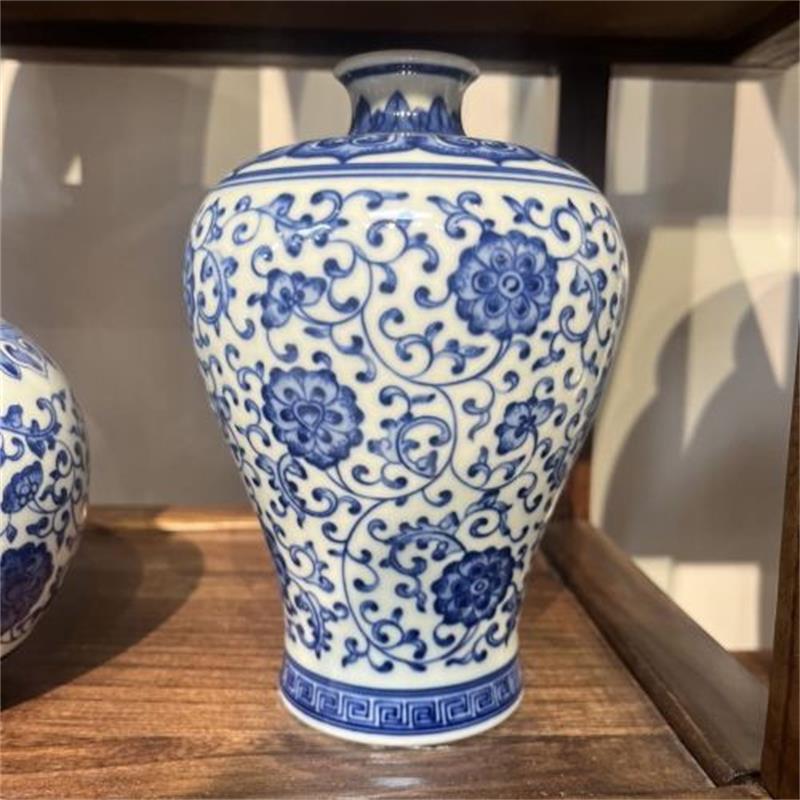
Hand-Painted Ceramic Plum Lotus Vase | Artisanal Decor
-
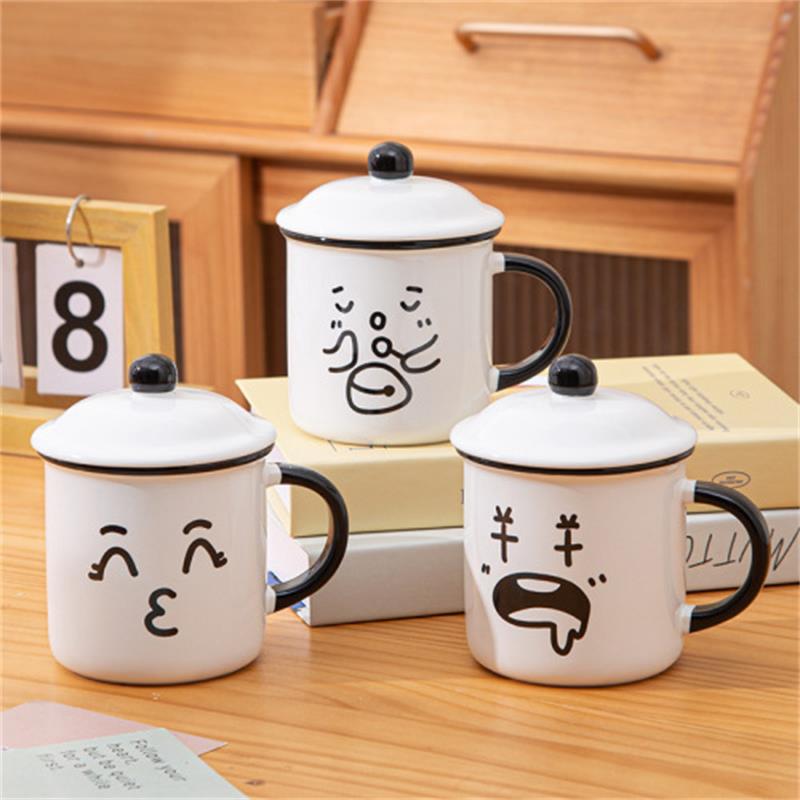
Quirky Ceramic Mug with Lid | Fun Unique Gift & Desk Decor
-
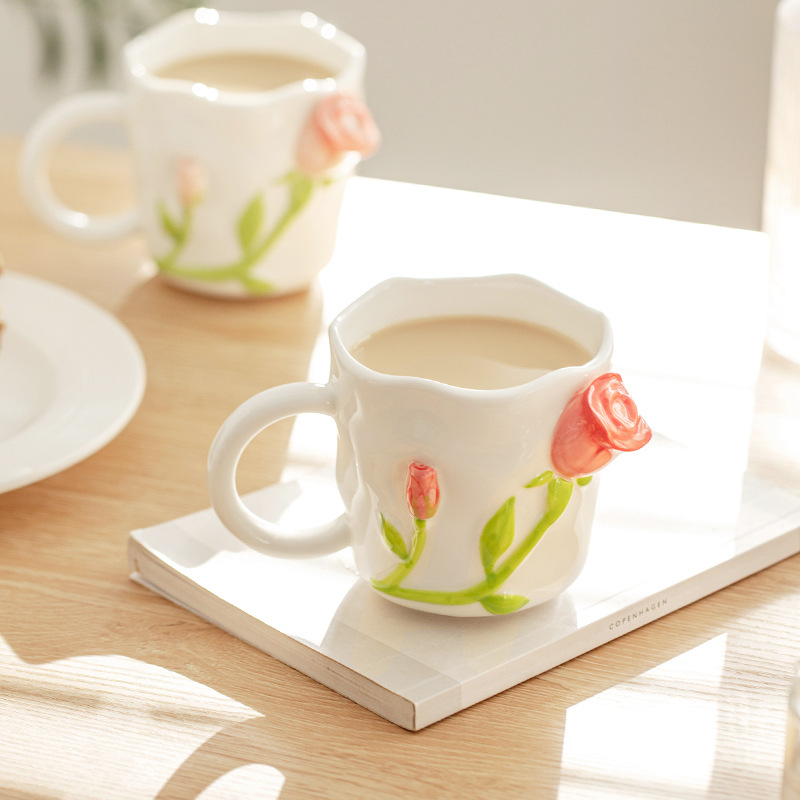
Handcrafted Rose Relief Ceramic Mug | Gift & Home Decor
-
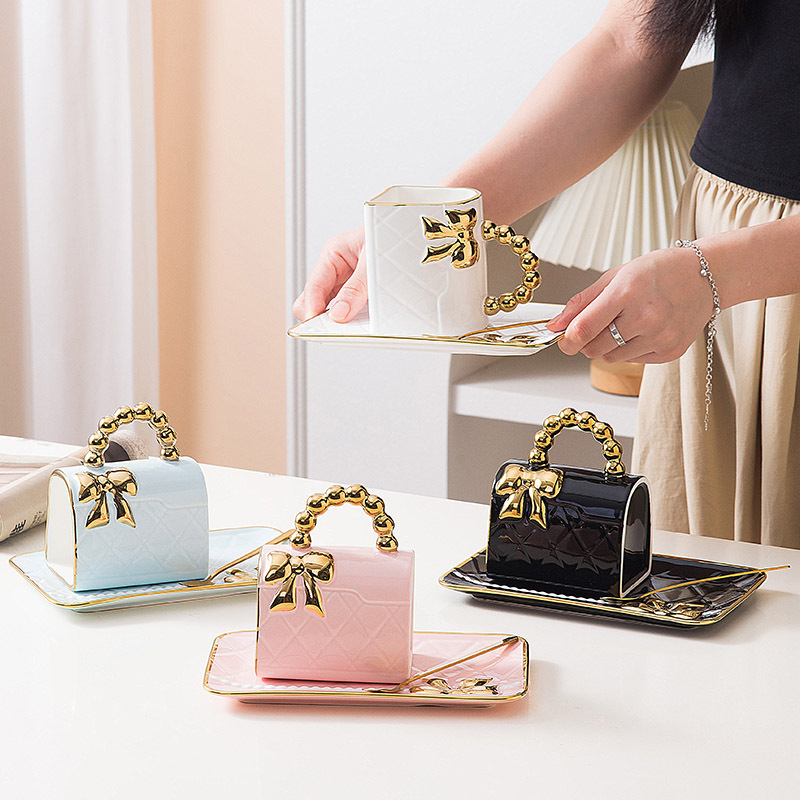
Handcrafted Ceramic Bow Bag Mug | Cozy Home Decor Gift
-
Fruit-Patterned Ceramic Mug | Handcrafted Cozy Home Decor
-
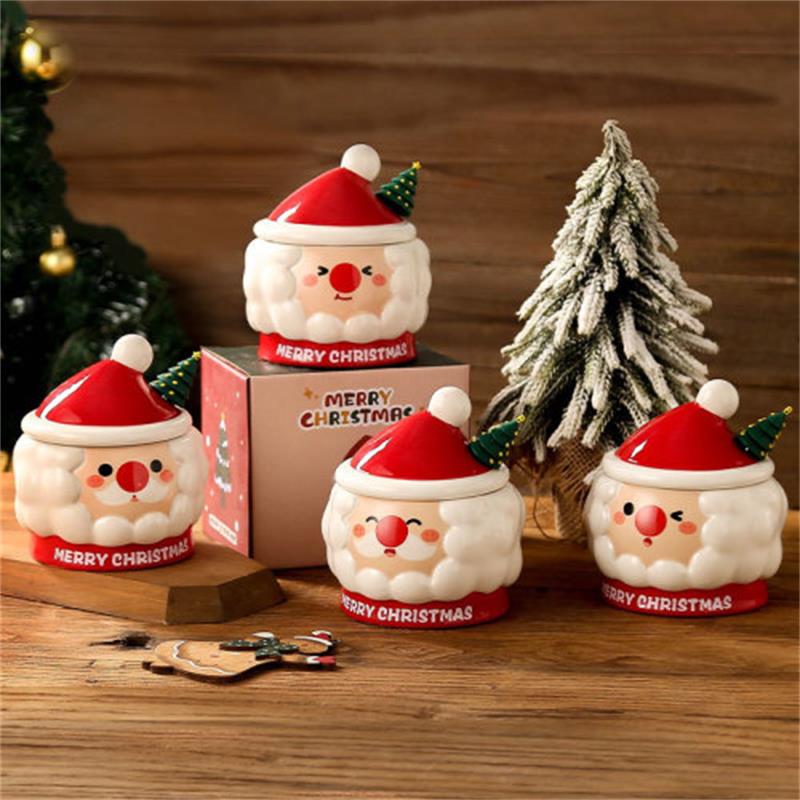
Handcrafted Santa Ceramic Mug | Cozy Home Decor & Gift