
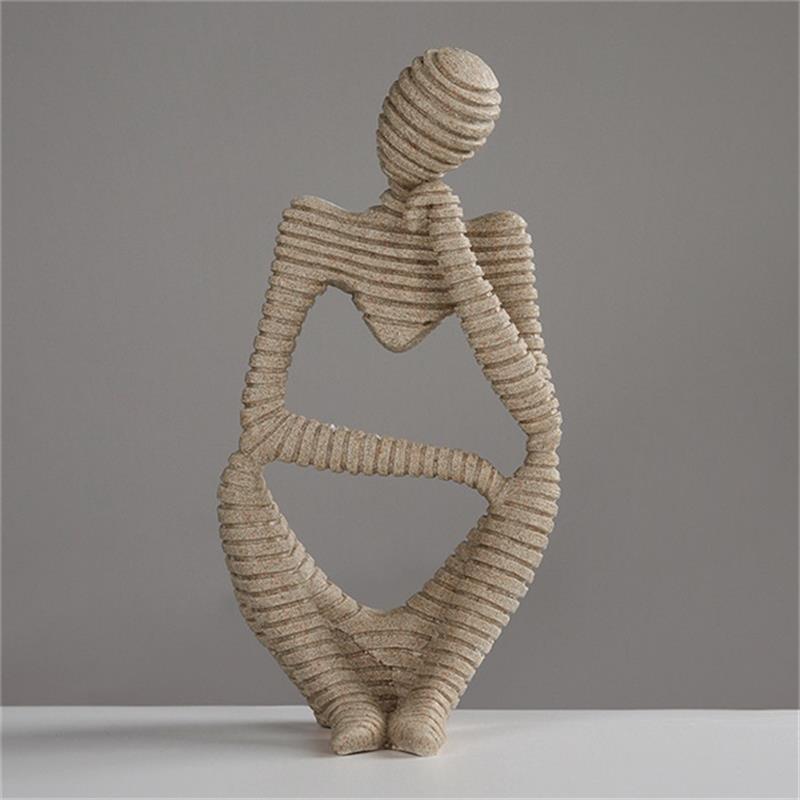
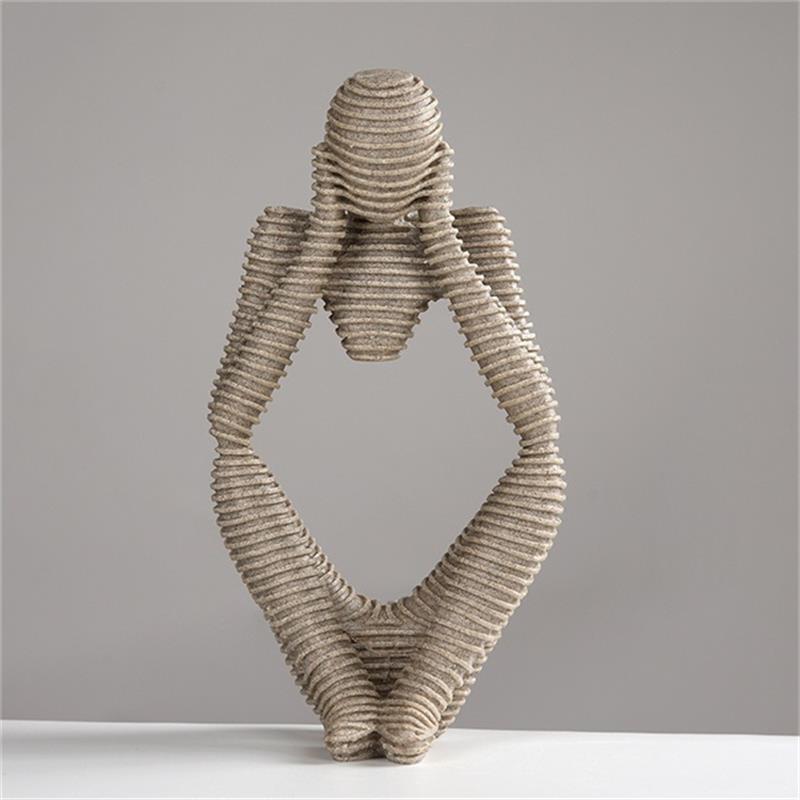
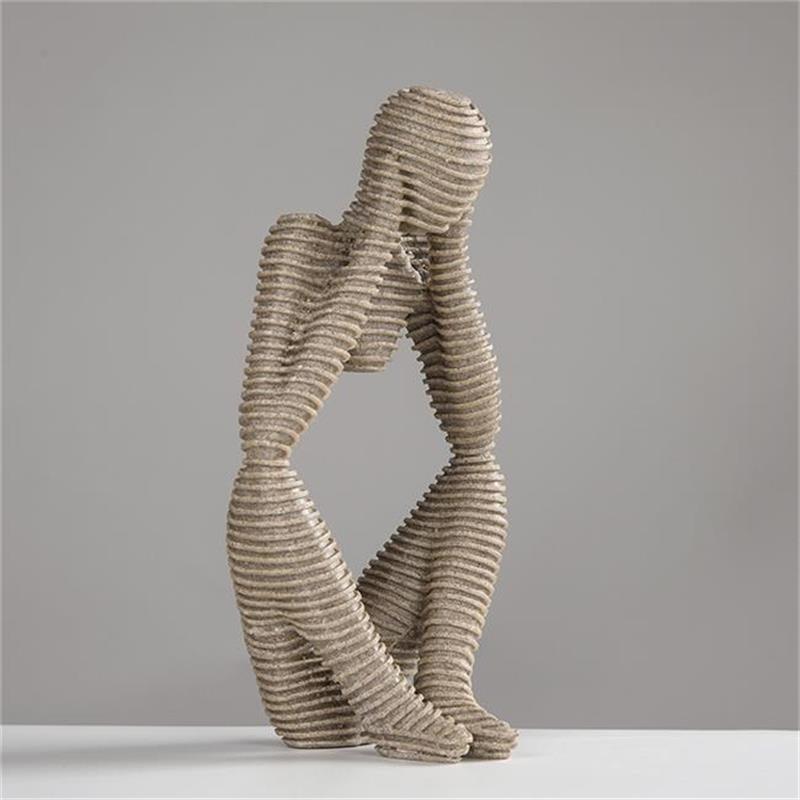
Sandstone Abstract Figurine – Heartfelt Home Decor Gift
Some objects arrive in a home quietly and then never leave. They sit on a shelf, catch the afternoon light, and slowly become part of the family without anyone deciding it should be so. This sandstone abstract figurine began that way for one household — not as a grand statement piece, but as a small, warm presence that people started to notice every day.
The story starts with a wedding. A young couple, setting up their first apartment, received a box from an aunt who had a habit of giving gifts that felt strangely personal. Inside was this abstract figure — two softened forms leaning gently toward each other, carved in a warm sandstone tone, with a texture that looked like wind had smoothed it over years. The aunt said only this: “Put it somewhere you’ll both walk past every morning.” They did. It went on a narrow console near the front door, beside a bowl for keys. And every morning, on the way out, one of them would glance at it and feel, without quite saying so, that the day had been blessed.
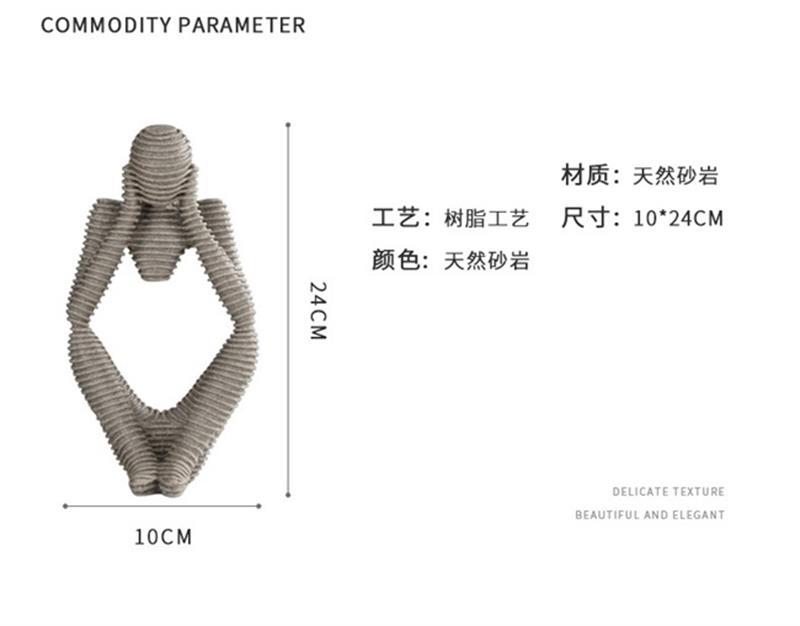
That is the thing about this piece. It does not shout. Standing about 24 centimeters tall and roughly 12 by 10 centimeters at the base, it holds a modest footprint — small enough for a crowded desk, tall enough to anchor a corner of a shelf. The resin is finished to resemble weathered sandstone, matte and slightly grainy to the touch, so the light does not bounce off it sharply but settles into its curves. In the morning, near a window, the figure glows a soft cream. By lamplight in the evening, the shadows deepen along its shoulders and the whole shape seems to breathe.
Months later, the couple hosted their first Thanksgiving. The figure had by then migrated to the living room, to a low shelf beside a stack of books and a small ceramic vase. A grandmother noticed it first. She picked it up — it is light enough to hold easily in one hand — turned it slowly, and said it reminded her of the coast where she grew up, the way rocks get worn into soft shapes by the sea. No one had told her that. She simply felt it. The figurine stayed in her hands for a while, and then went back on the shelf, and the evening carried on. But something had shifted. The object now had a memory attached to it, and memories have a way of multiplying.
This is why people give this sculpture as a gift. It suits weddings, yes — the leaning forms read naturally as two lives bending toward each other. But it also suits quieter occasions. A housewarming for a friend who has just moved cities. A memorial gesture for someone who has lost a parent, offered not as a heavy symbol but as a gentle object to hold onto, a keepsake for the shelf where the small things of a life are gathered. It works as a gift for collectors, too, the kind of person who arranges objects by feel and texture rather than by brand, who wants a decorative table sculpture that earns its place by being looked at, not just owned.
For home decor shoppers, the appeal is simpler. It fills the awkward space. Every home has one — the gap between a lamp and a picture frame, the empty stretch of a bookshelf, the console that never quite looks finished. A sculpture like this gives that space a purpose without cluttering it. The abstract form means it never feels out of place; it belongs equally in a minimalist apartment, a warm traditional living room, or a bright sunroom lined with plants. Its sandstone finish picks up the tones of wood, linen, and ceramic, which makes it an easy home accent to live with rather than a piece that demands the room be redesigned around it.
There is also something to be said for what it does not do. It does not need watering, dusting is a matter of a soft cloth, and it will not tip easily thanks to its stable base. For offices and waiting rooms, it offers a calm focal point — something for the eye to rest on during a difficult conversation or a long afternoon. Several small businesses have ordered it for reception desks precisely because it is neutral, warm, and never dated. It reads as considered, not corporate.
But the story keeps returning to the shelf in that first apartment. The couple has since moved twice. The figure has traveled in bubble wrap, always placed on top so nothing heavy rests on it. In the new house it sits in the hallway, on a wooden ledge under a mirror, and their daughter — now three — has started saying good morning to it. She does not know why. She simply sees a soft shape that looks, to her, like a person, and so it is one. That is perhaps the truest review the piece will ever receive.
If you are looking for a gift that will be remembered, or a decorative sculpture that will quietly become part of the furniture of your life, this is the kind of object that earns its keep. It is not flashy. It is not loud. It is a small, warm presence in sandstone tones, about the height of a coffee cup and a half, made to sit on a desk, a shelf, a windowsill, or a console — and to be noticed, day after day, until it is simply part of home.
Leave Your Message
Related PRODUCTS
-
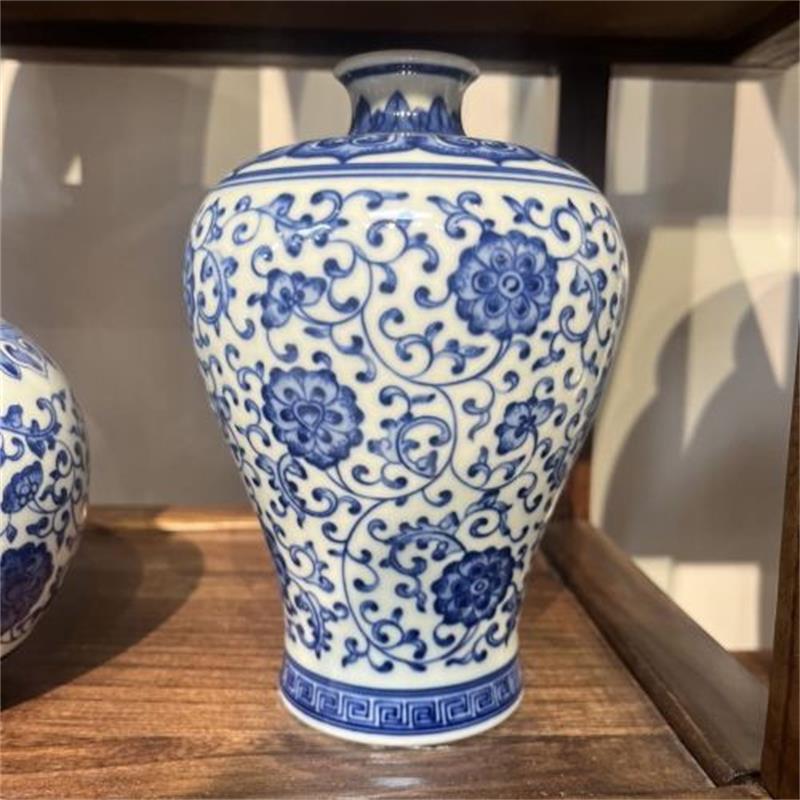
Hand-Painted Ceramic Plum Lotus Vase | Artisanal Decor
-
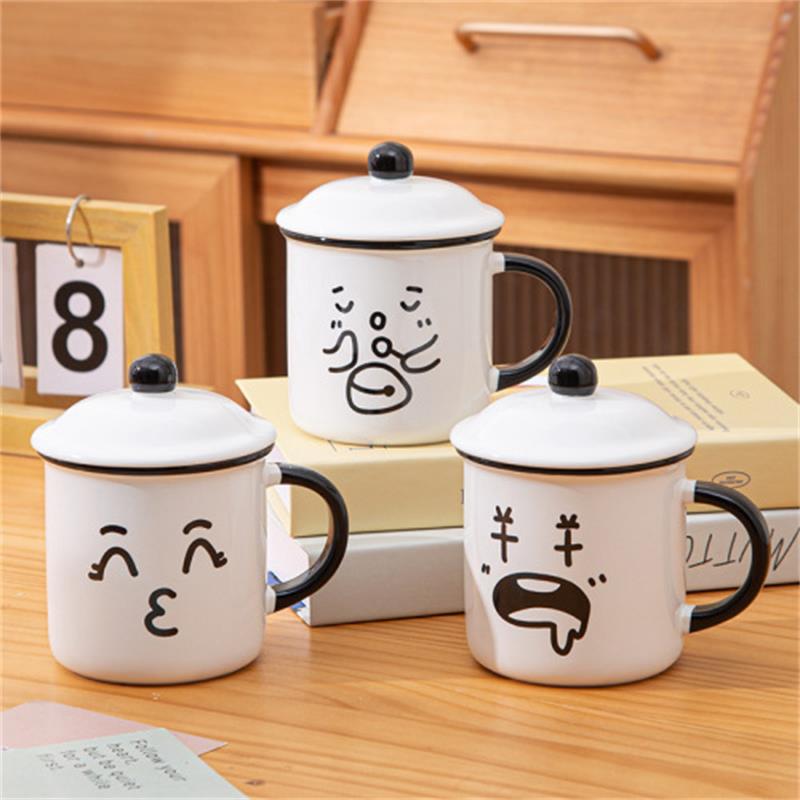
Quirky Ceramic Mug with Lid | Fun Unique Gift & Desk Decor
-
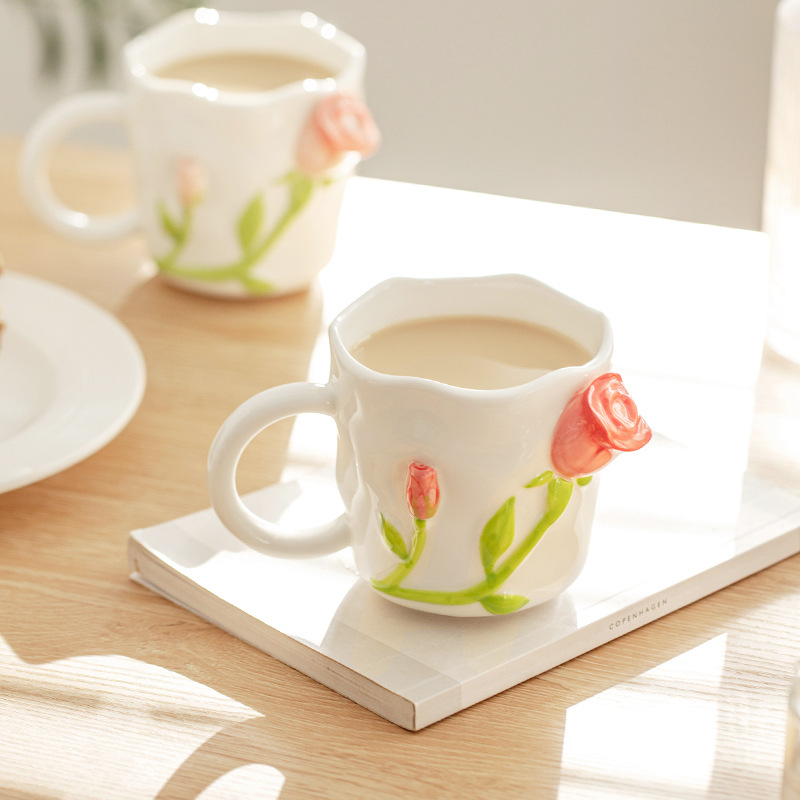
Handcrafted Rose Relief Ceramic Mug | Gift & Home Decor
-
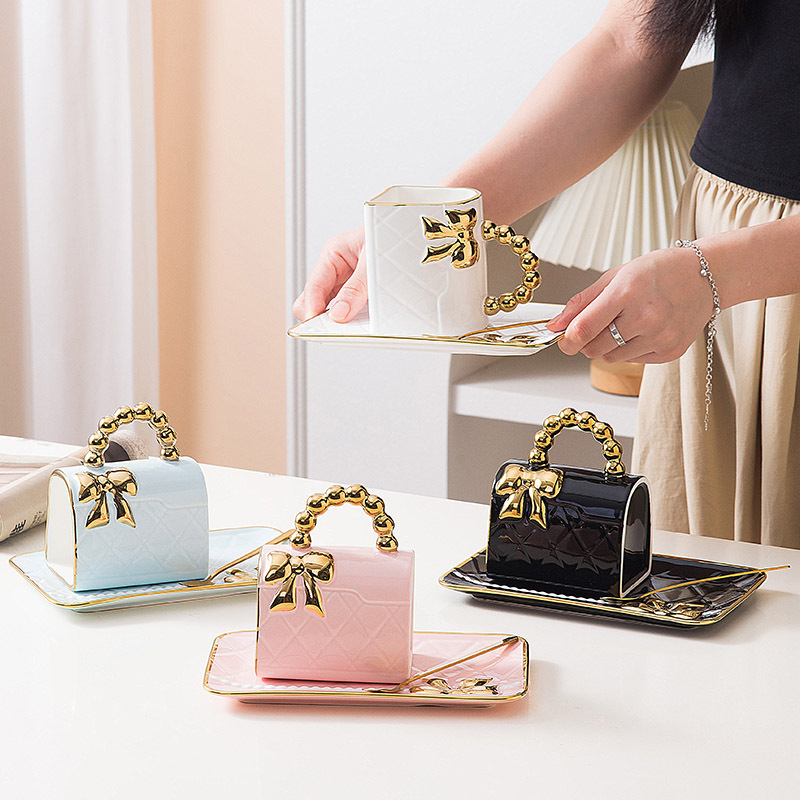
Handcrafted Ceramic Bow Bag Mug | Cozy Home Decor Gift
-
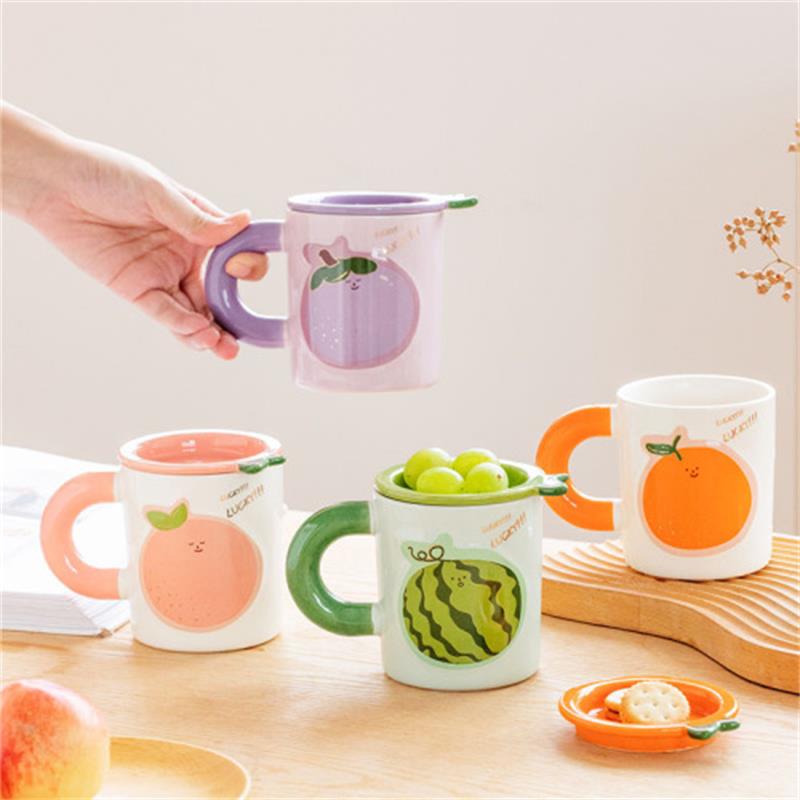
Fruit-Patterned Ceramic Mug | Handcrafted Cozy Home Decor
-
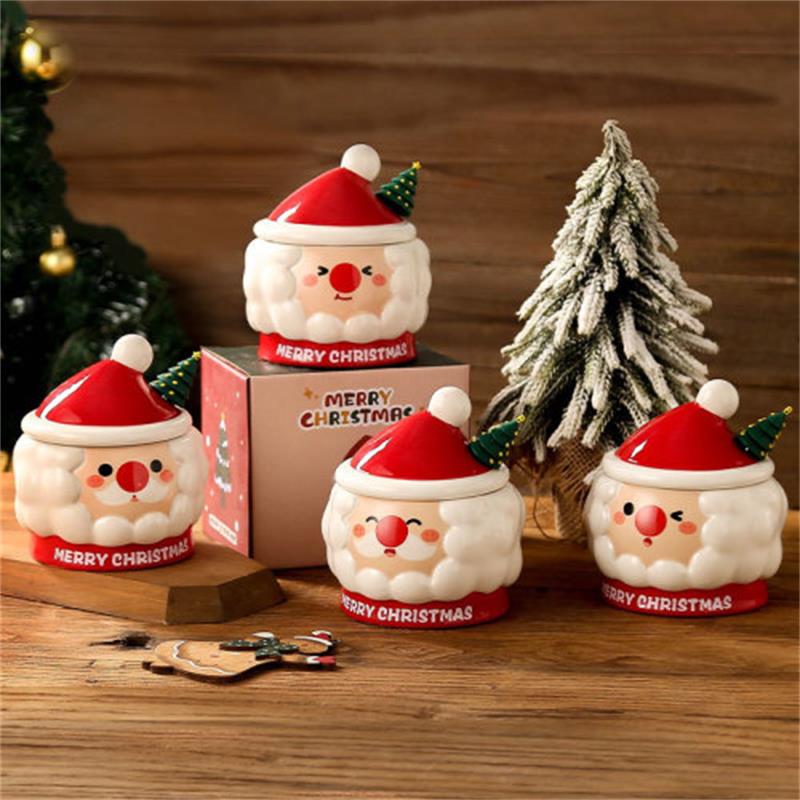
Handcrafted Santa Ceramic Mug | Cozy Home Decor & Gift