
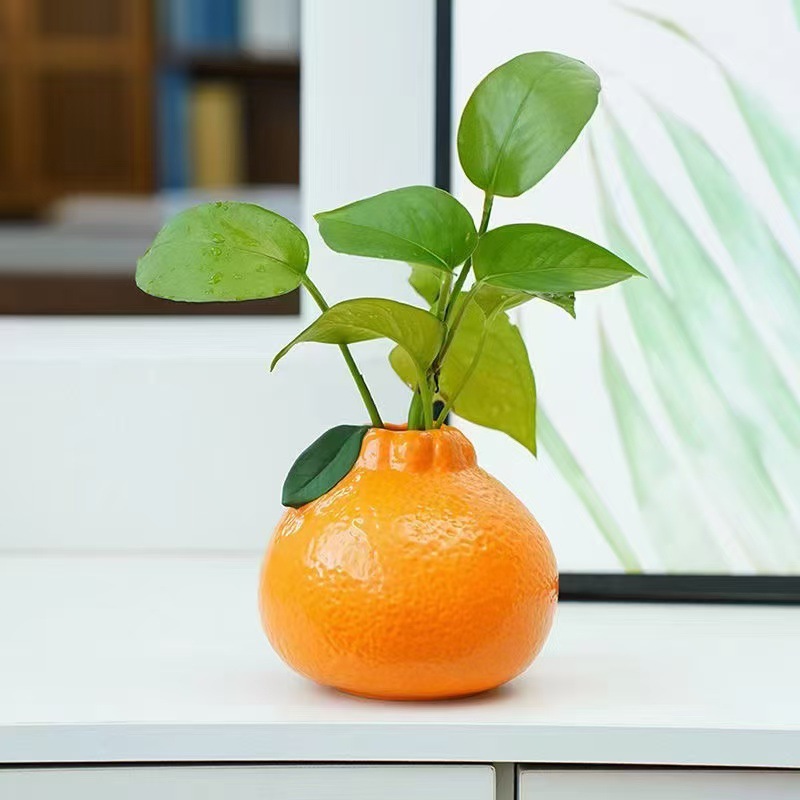
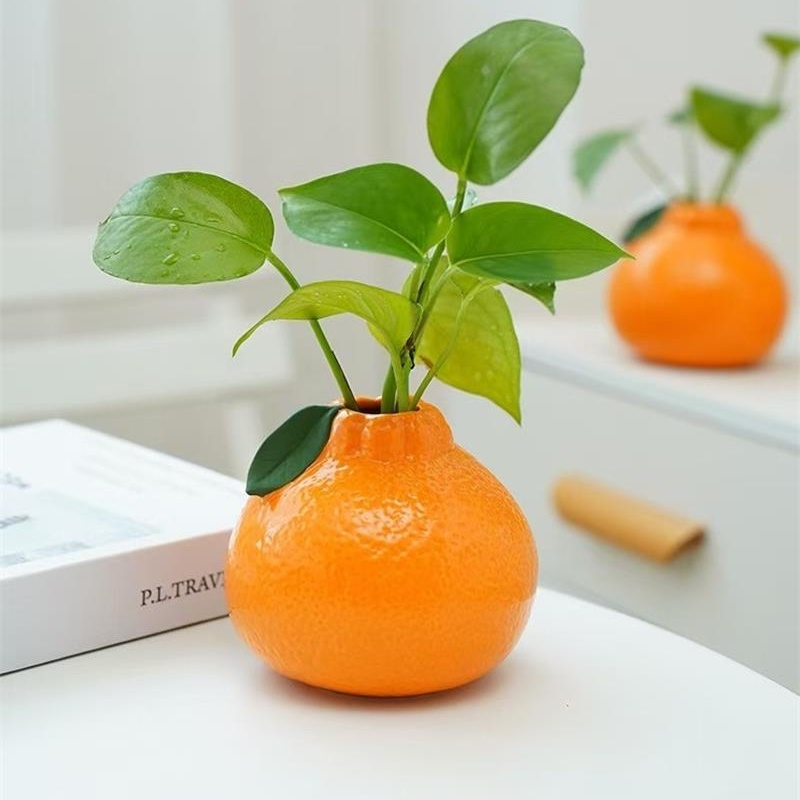
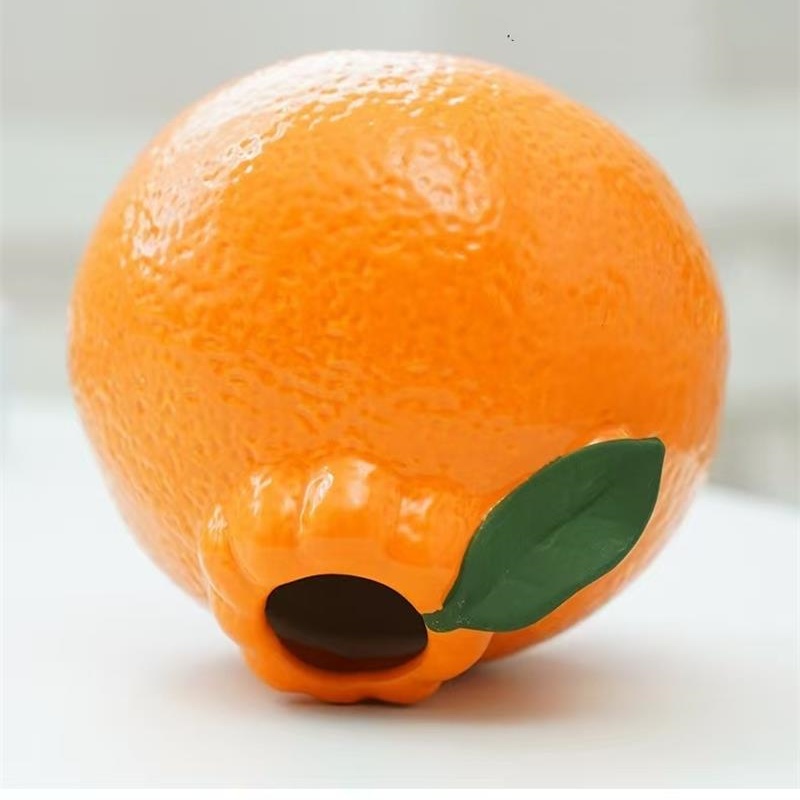
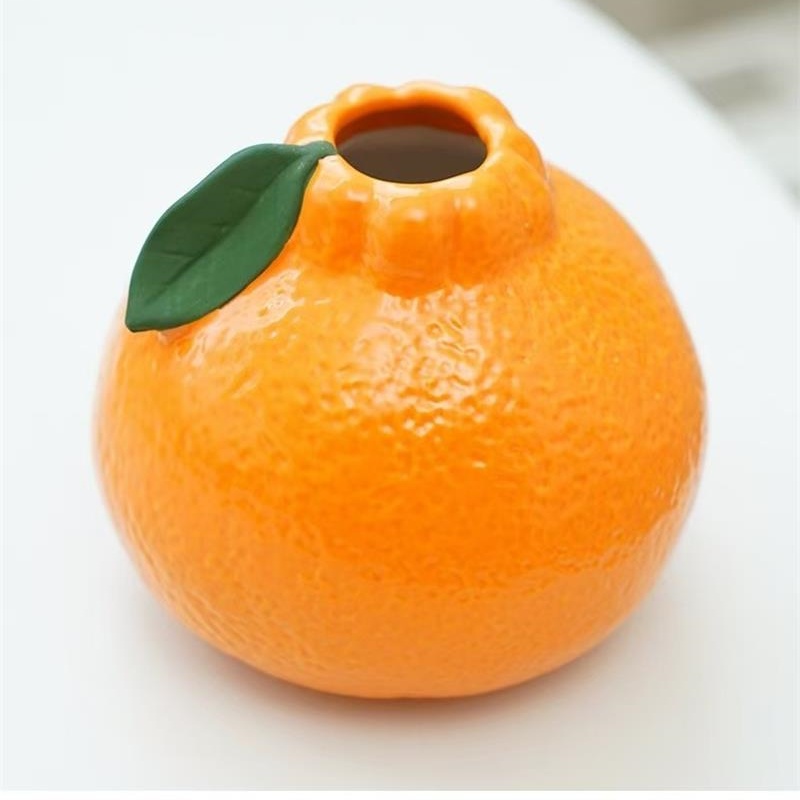
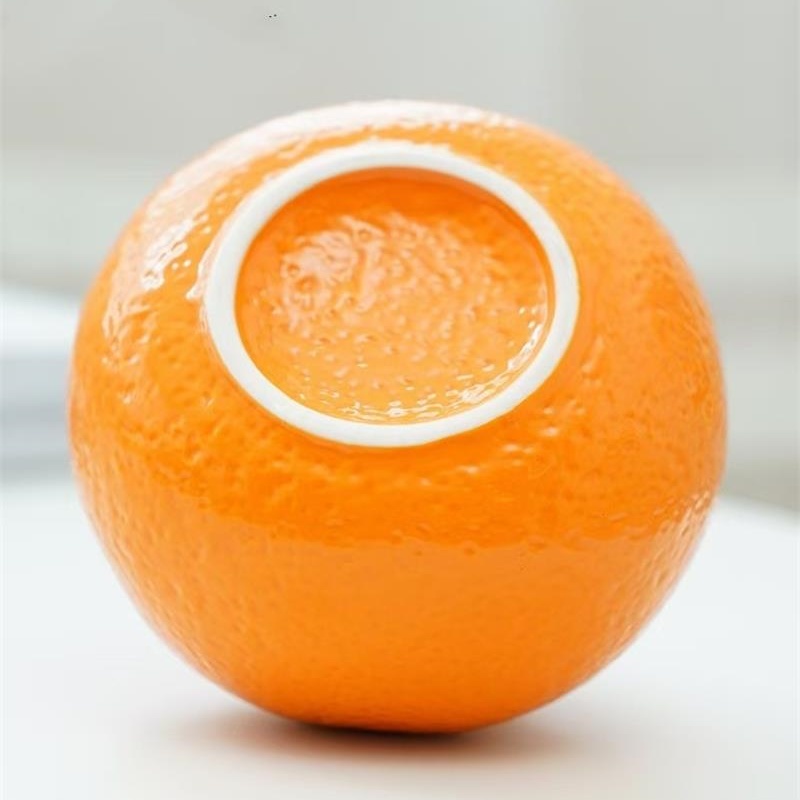
Orange Ceramic Bud Vase – Warm Little Home Gift
The Little Orange Vase That Found Its Place on Grandma’s Windowsill
Some things arrive in our lives quietly. They don’t announce themselves. They simply appear one afternoon, wrapped in soft paper, and somehow they never leave.
That’s how the little orange vase came into Mia’s family.
It started on a gray Tuesday in November. Mia had been clearing out her grandmother’s apartment, a task she had postponed for almost a year. The rooms smelled of lavender and old books. Every drawer held a memory, and every memory made her hands slow down.
In the back of a kitchen cabinet, wrapped in a faded tea towel, she found it: a small ceramic vase, round and bright, the color of a ripe orange. It was only about eleven centimeters tall, small enough to hold in one palm. The glaze was smooth and warm, and when she turned it toward the window, the light seemed to gather inside it like a tiny sun.
She remembered it then. It used to sit on her grandmother’s windowsill, holding a single stem of whatever was blooming that week — a sprig of rosemary in winter, a wild daisy in spring, a rose from the neighbor’s garden in summer. Nothing fancy. Nothing expensive. Just a small orange vase doing a small, faithful job.
Mia took it home.
At first, she wasn’t sure where to put it. Her apartment was small and modern, all clean lines and neutral colors. The little orange vase felt like a visitor from another world. She set it on the kitchen counter, then moved it to the bookshelf, then to the bathroom shelf, where it looked slightly out of place.
One morning, she placed it on the windowsill above her sink. She picked a single stem of eucalyptus from a bunch she’d bought at the market and set it inside. The vase held it perfectly — not too tight, not too loose, the way a good friend holds a secret.
That was the day it started to feel like home.
Her roommate noticed it first. “That’s cute,” she said. “Where did you get it?” Mia told her the story, and her roommate nodded slowly. “My mom had something like that,” she said. “A little blue one. She kept it on the kitchen table.”
A week later, Mia’s cousin came to visit. She was going through a difficult time — a new city, a new job, a long-distance relationship that was starting to feel like a long-distance phone call. She sat at Mia’s kitchen table, holding a mug of tea, and her eyes kept drifting to the windowsill.
“That vase,” she said. “It reminds me of Grandma’s place.”
Mia nodded. “I know.”
“Can I hold it?”
Mia handed it over. Her cousin turned it in her hands, running her thumb over the smooth glaze. She didn’t say anything for a while. Then she said, “I think I need one of these.”
So Mia found another one online — the same small ceramic vase, the same warm orange color, the same quiet presence. She had it shipped to her cousin’s new apartment. When it arrived, her cousin sent a photo: the vase on her own windowsill, holding a single white tulip. “It’s perfect,” she wrote. “It makes the whole room feel less empty.”
That’s the thing about small objects. They don’t take up much space. They don’t demand attention. But they hold something bigger than themselves — a memory, a feeling, a connection to someone who once placed a flower in the same spot.
The little orange vase is eleven centimeters tall and eight point seven centimeters wide. It weighs almost nothing. It’s made of glazed ceramic, the kind that feels cool and smooth against your fingertips. It holds just enough water for a few stems. It fits on a windowsill, a bookshelf, a desk, a bedside table. It doesn’t need much.
But it gives a lot.
Mia still has it. It sits on her windowsill, holding whatever she finds that week — a sprig of lavender, a single rose, a few stems of wild grass. Sometimes she forgets it’s there. Then she walks into the kitchen in the morning, sees the light catching the orange glaze, and remembers her grandmother’s hands, wrapping it in a tea towel, keeping it safe for whoever would find it next.
She’s bought three more since then. One for her cousin, one for her best friend who just moved into her first apartment, and one for her office desk. Each time, she wraps it in soft paper and includes a short note: “For your windowsill. Love, Mia.”
Because some gifts aren’t about the object. They’re about the place it will occupy — the small, quiet corner of someone’s life where a little orange vase can sit and hold a flower and remind them that they are loved.
The vase doesn’t know any of this, of course. It’s just ceramic and glaze and a shape that happens to look like an orange. But that’s the thing about the objects we keep. They become part of our stories. They hold our memories. They sit on our windowsills and wait for us to notice them.
And when we do, we feel a little warmer. A little more at home.
That’s what the little orange vase does. It doesn’t shout. It doesn’t promise anything grand. It just sits there, small and bright, holding a single stem, and quietly makes a corner of the world feel like it belongs to you.
Leave Your Message
Related PRODUCTS
-
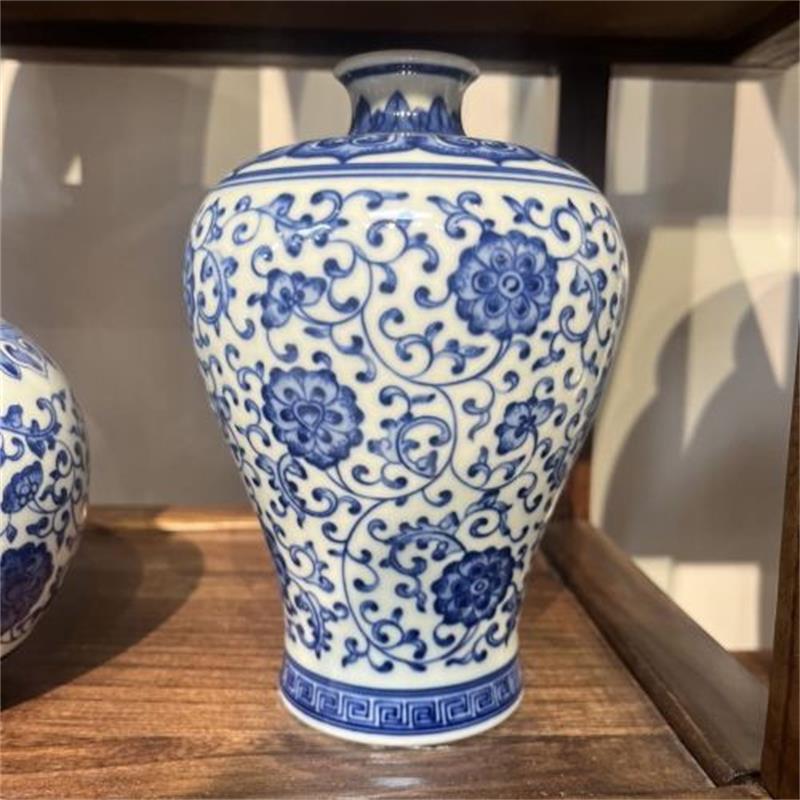
Hand-Painted Ceramic Plum Lotus Vase | Artisanal Decor
-
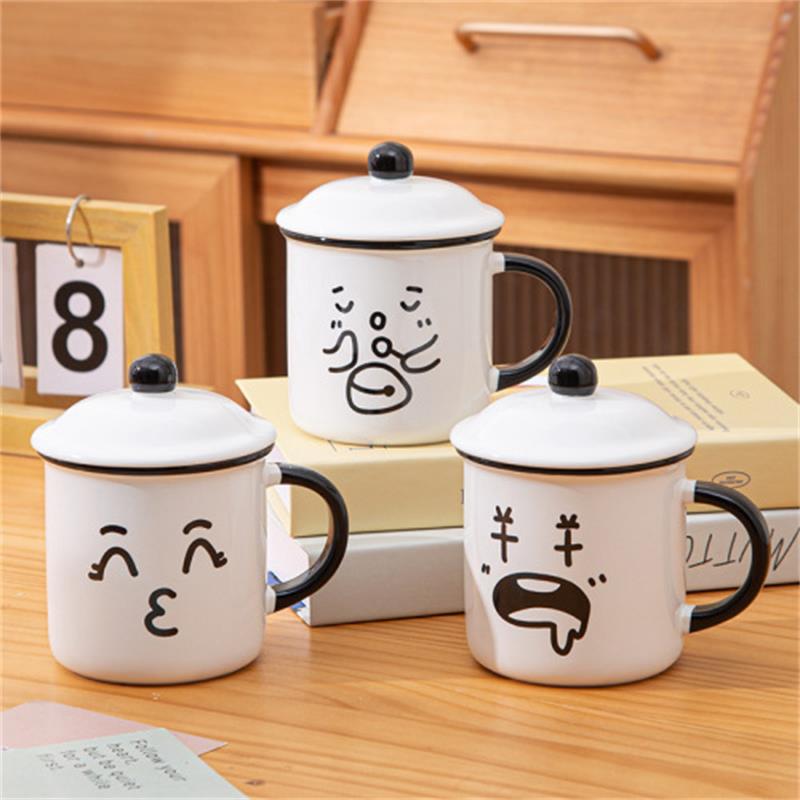
Quirky Ceramic Mug with Lid | Fun Unique Gift & Desk Decor
-
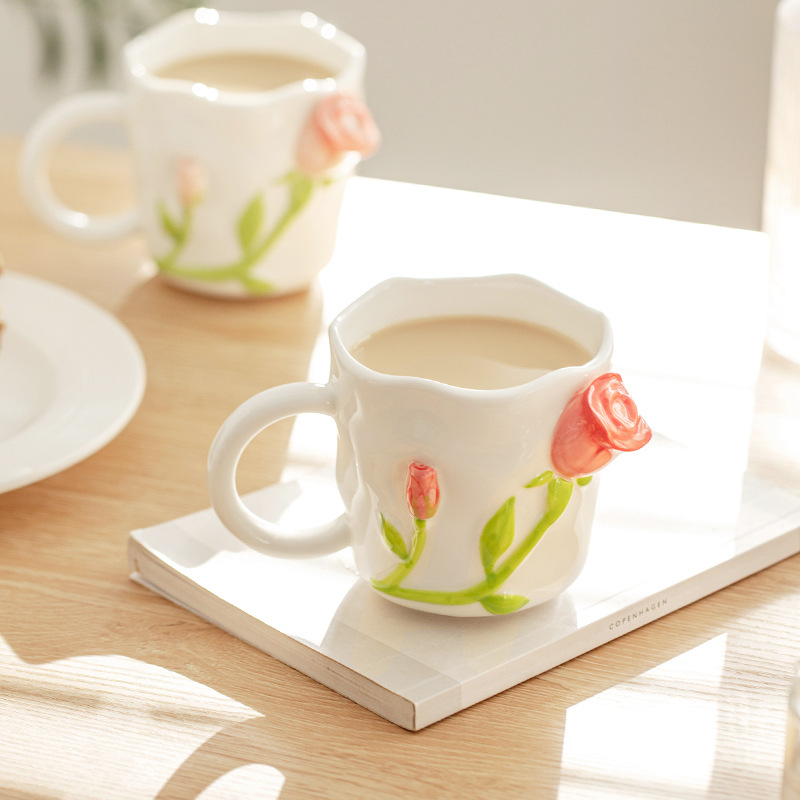
Handcrafted Rose Relief Ceramic Mug | Gift & Home Decor
-
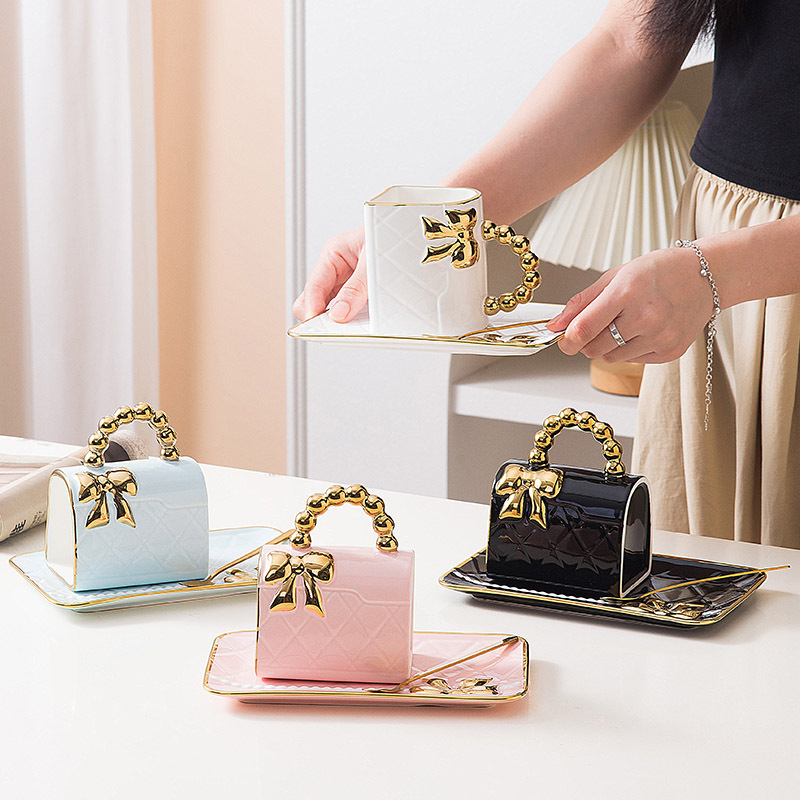
Handcrafted Ceramic Bow Bag Mug | Cozy Home Decor Gift
-
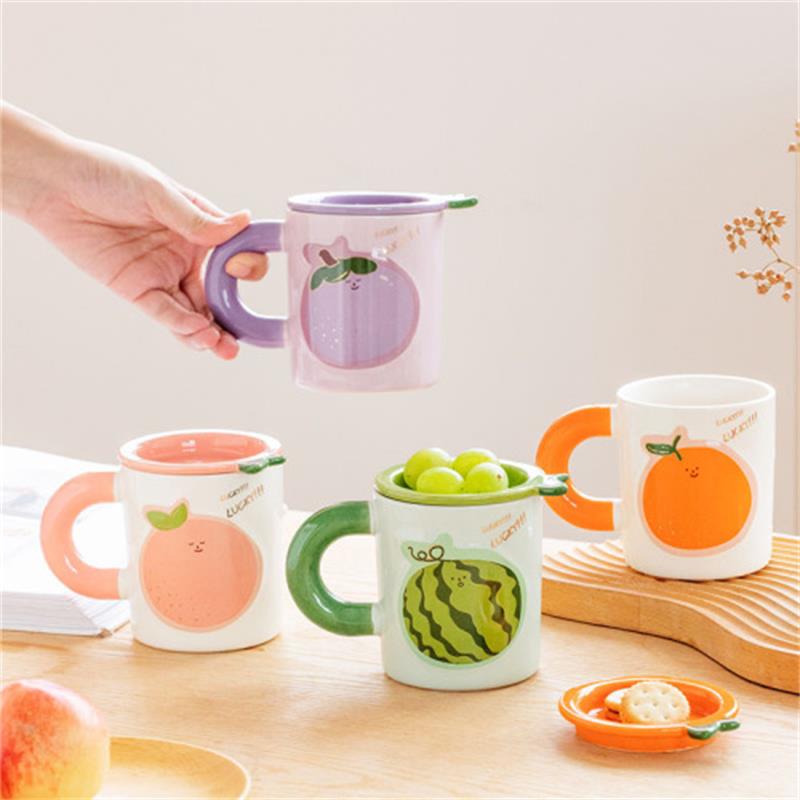
Fruit-Patterned Ceramic Mug | Handcrafted Cozy Home Decor
-
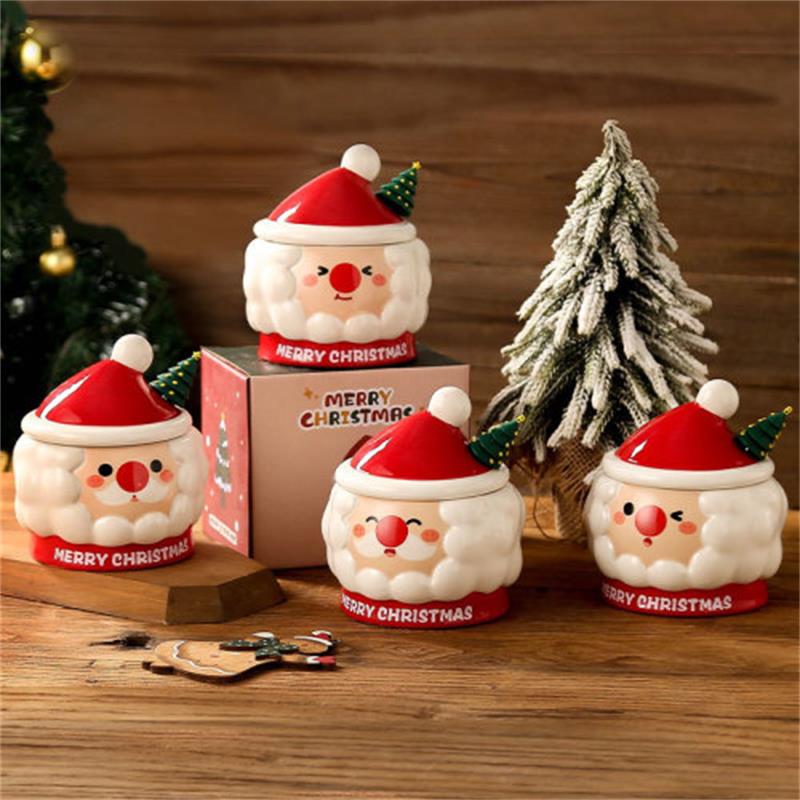
Handcrafted Santa Ceramic Mug | Cozy Home Decor & Gift