
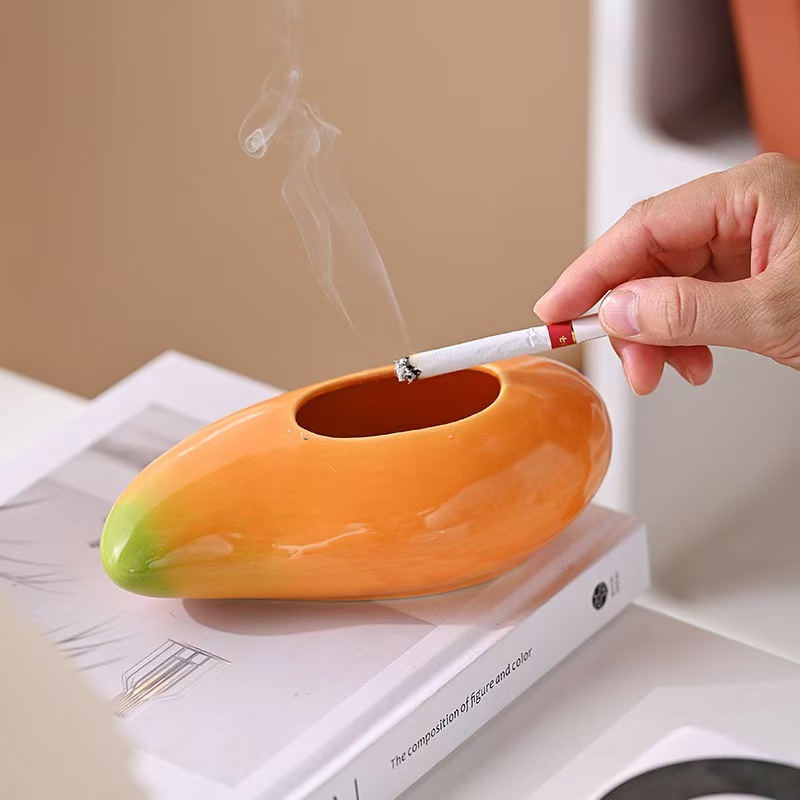
Mango Ceramic Ashtray: Cozy Home Gift Story
The Little Mango That Found Its Place on the Coffee Table
Some things arrive in a home quietly. They don’t announce themselves. They simply appear one afternoon, set down between a stack of coasters and a half-burned candle, and before anyone notices, they have become part of the room.
That is how the little mango arrived.
It was a gift, the kind you don’t plan for. My sister had wrapped it in tissue paper the color of pale butter and tucked a handwritten note inside the box. “For the table where everyone always gathers,” she wrote. “Something small. Something cheerful. Something that won’t mind a little ash and a lot of conversation.”
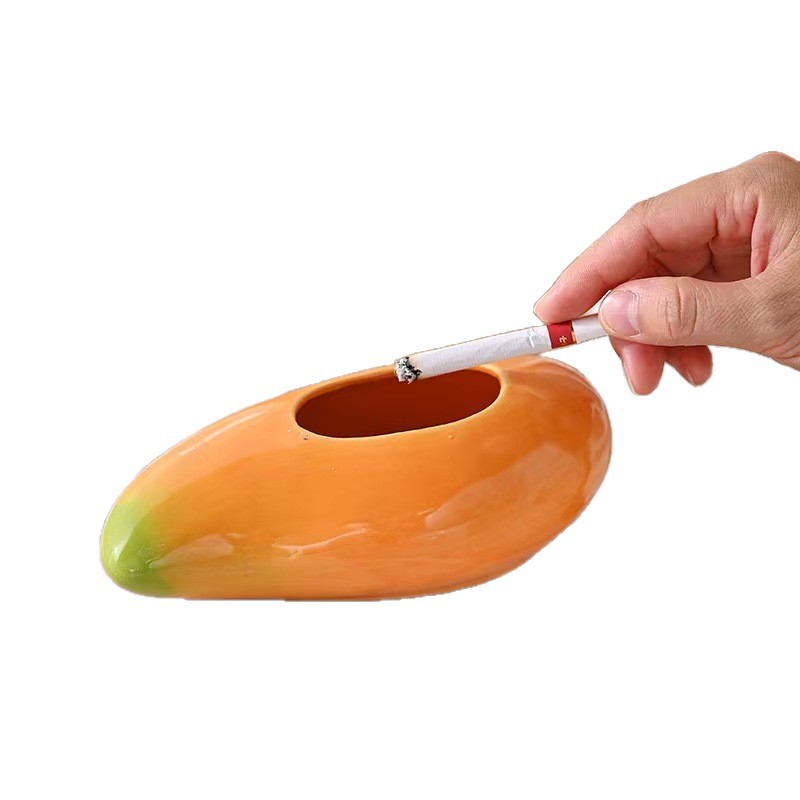
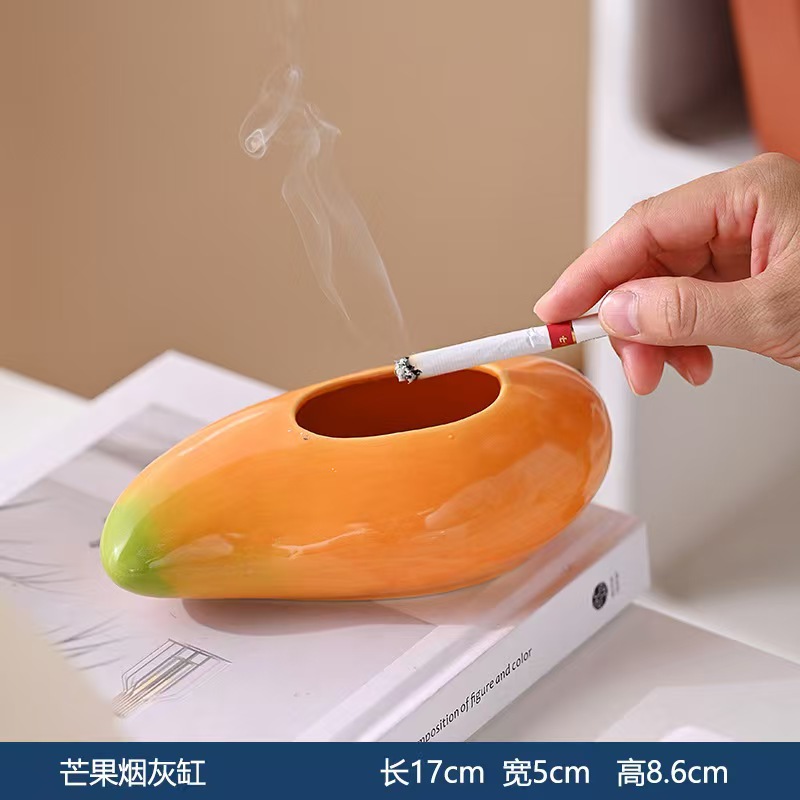
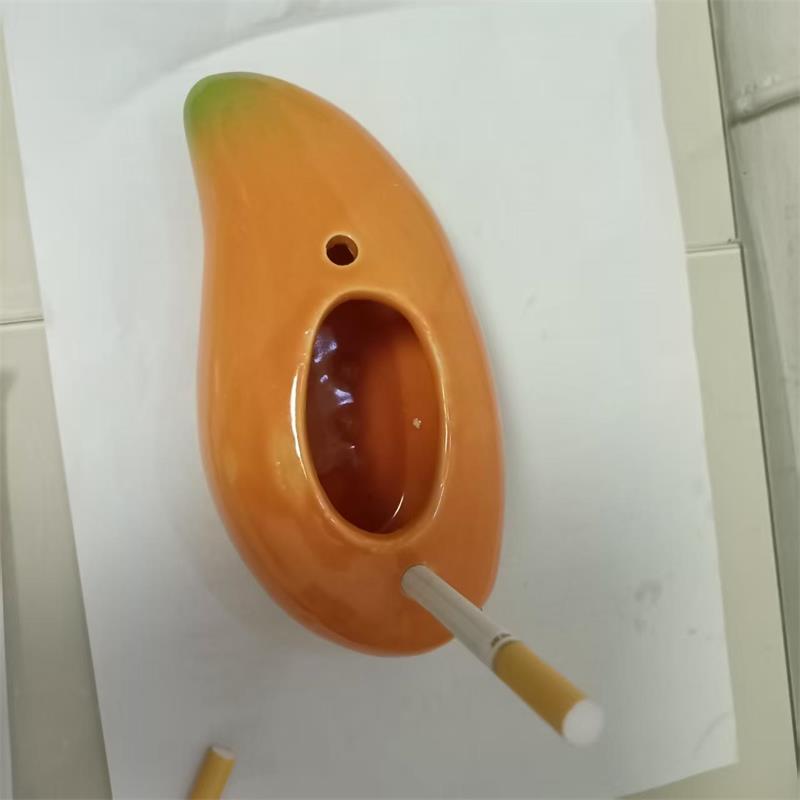
The mango is ceramic, glazed in warm sunset gold with a whisper of green near the stem. It measures about seventeen centimeters across, five centimeters tall, eight and a half centimeters deep — small enough to hold in one hand, heavy enough to stay put when the evening gets lively. It has the gentle curve of real fruit, the kind you’d reach for at a market stall in late summer. But it is not fruit. It is a small, sturdy piece of pottery with a quiet job to do.
For the first week, no one used it. It sat on the coffee table like a decoration, and honestly, it worked as one. My mother turned it slightly so the stem faced the window. My father set his reading glasses beside it, as if the mango might keep an eye on them. The dog sniffed it once and lost interest. It was simply there, a small golden presence in a room full of ordinary things.
Then came the first Sunday dinner.
The table filled up the way it always does — too many chairs, too many plates, someone’s cousin who brought a friend, a bowl of oranges nobody asked for. After the plates were cleared, the men drifted to the living room, and the little mango found its purpose. It caught the first ash of the evening. Then another. It held them without complaint, its smooth glaze easy to wipe clean with a damp cloth when the night was over. No scrubbing. No strange corners to dig into. Just a quick rinse and it was ready for tomorrow.
My aunt noticed it first. “Where did you get this?” she asked, turning it in her hands. “It’s actually nice. Not like those plastic ones.”
“Ceramic,” I told her. “My sister found it. It’s supposed to be easy to clean.”
“Easy to clean” is not usually a phrase that makes people lean in. But my aunt has bought enough decorative ashtrays that turned out to be impossible to wash — all ridges and hidden grooves — that she understood exactly what I meant. She nodded slowly, the way people do when they’re already thinking about someone else. “My neighbor’s birthday is next month,” she said. “She’d love this. She has that whole tropical thing going on in her sunroom.”
That is the thing about a small, well-made object. It travels. It gets noticed. It becomes a gift idea before you’ve even finished your coffee.
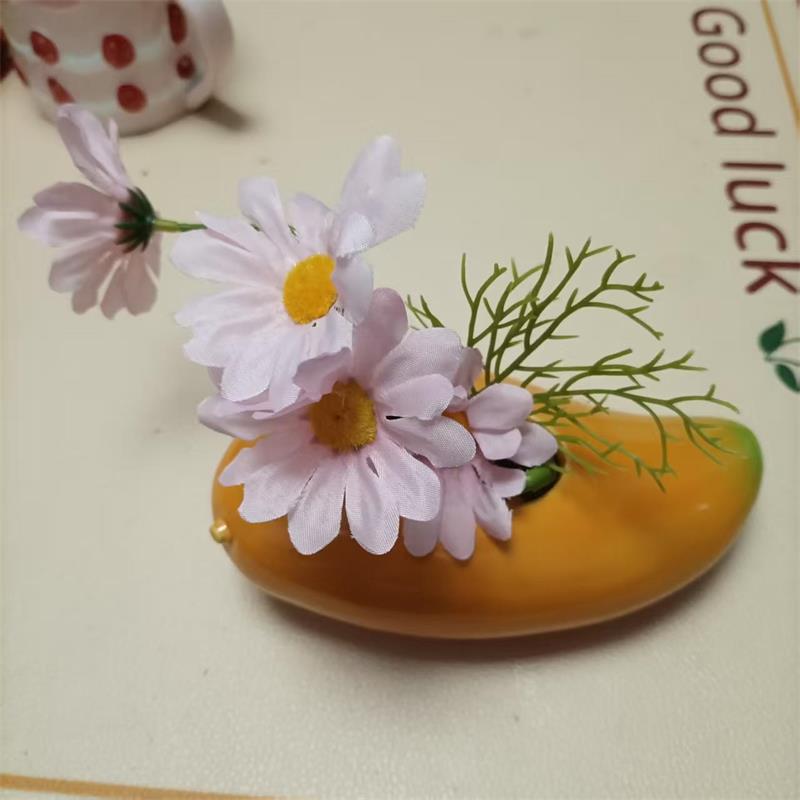
By autumn, the mango had a small routine. It lived on the coffee table during the day, catching the afternoon light. In the evening, when the porch door was open and the air was cool, it moved to the side table near the rocking chair. It was never empty for long. It held ashes, yes, but it also held the little things that accumulate around a family: a stray button, a paperclip, a peppermint candy someone didn’t want. It became a catch-all for the small debris of living.
My father, who is not a sentimental man, said one night, “You know, I like that thing. It doesn’t look like an ashtray. It looks like it belongs here.”
He was right. It didn’t look like something you hide when guests come over. It looked like something you leave out on purpose. The glazed ceramic has a soft sheen that catches lamplight, and the mango shape is just playful enough to make people smile without being silly. It sits on a desk, a patio table, a bookshelf, a reception counter — anywhere a home or a business wants a small touch of warmth without clutter.
A friend of mine bought one for her office. She runs a small design studio, and the waiting area needed something — not a plant, not another stack of magazines. Something that said “someone thought about this space.” She put the mango on the side table between two chairs, and clients kept picking it up. “Is this a mango?” they’d ask. “Is it a bowl?” She’d explain, and they’d laugh, and the room felt less like a waiting room and more like a living room.
That is what a good home decoration does. It doesn’t shout. It doesn’t try to be the center of attention. It simply sits there, being useful and being lovely, and people feel a little more at ease because of it.
The little mango is not a grand gesture. It is not expensive-looking in a way that makes people nervous to touch it. It is a sturdy, cheerful, easy-to-clean piece of ceramic that happens to look like fruit. It fits in a living room, a sunroom, a studio, a shop counter. It works as a gift for a neighbor, a host, a colleague, a parent who already has everything. It works as a small memorial of an evening well spent — a keepsake of Sunday dinners and porch conversations and the quiet hours in between.
My sister’s note is still folded in a drawer somewhere. I don’t need to read it anymore. The mango is on the table right now, catching the late-afternoon light, holding a single paperclip and nothing else. Tomorrow it will hold ashes again, or a stray candy, or nothing at all. It doesn’t mind. It is home.
And somewhere across town, in my aunt’s neighbor’s sunroom, another little mango is sitting on another table, doing the same quiet work. A gift that arrived without fanfare, found its place, and stayed.
Leave Your Message
Related PRODUCTS
-
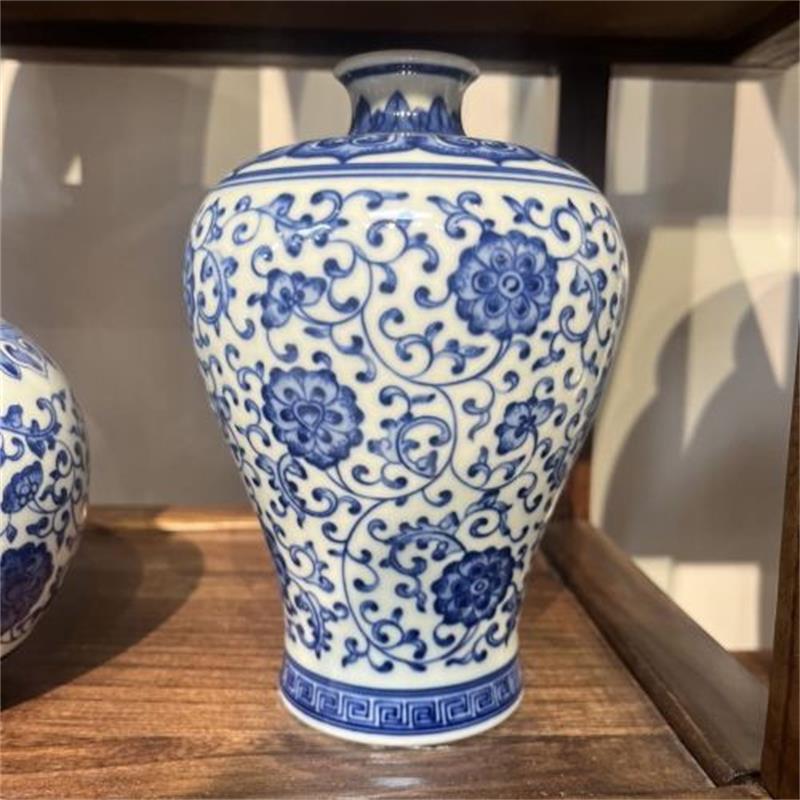
Hand-Painted Ceramic Plum Lotus Vase | Artisanal Decor
-
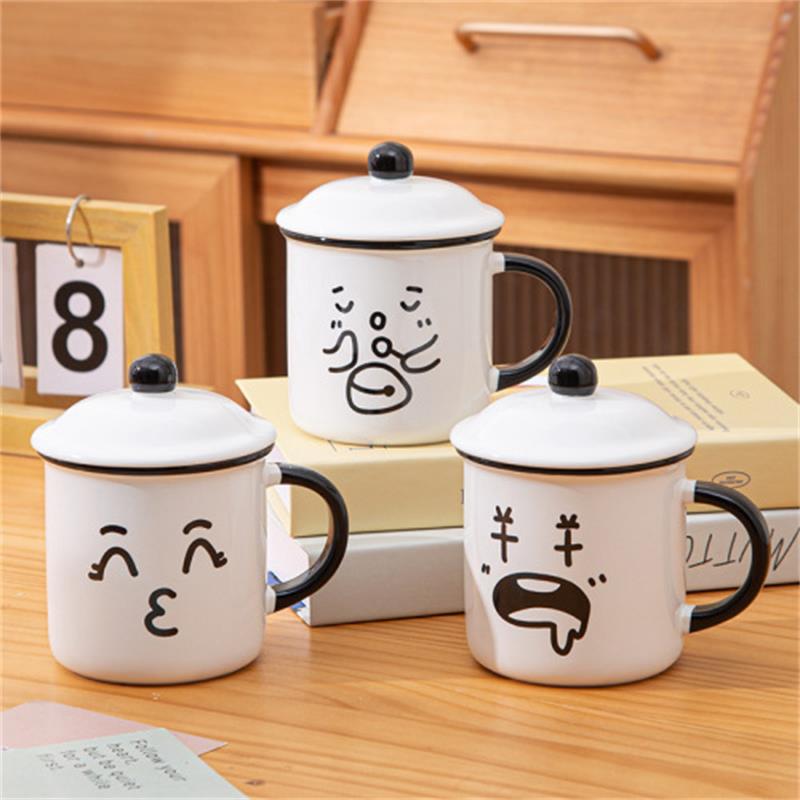
Quirky Ceramic Mug with Lid | Fun Unique Gift & Desk Decor
-
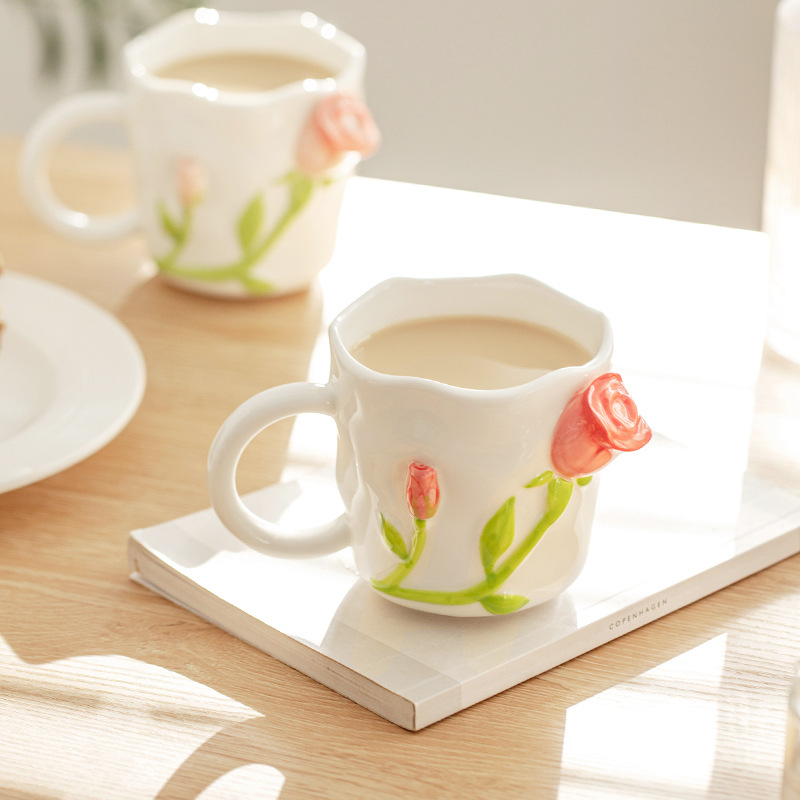
Handcrafted Rose Relief Ceramic Mug | Gift & Home Decor
-
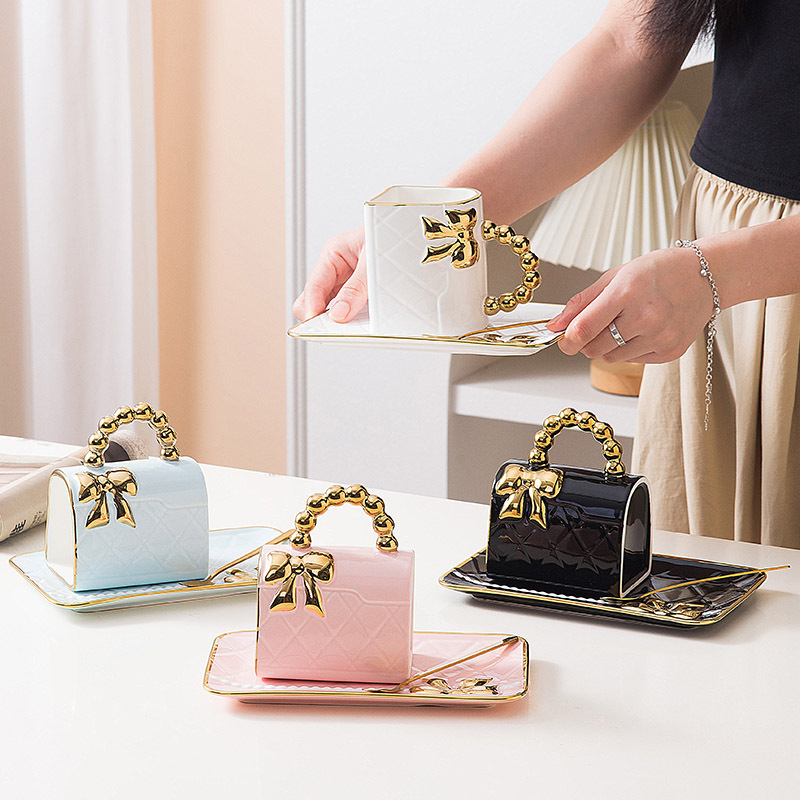
Handcrafted Ceramic Bow Bag Mug | Cozy Home Decor Gift
-
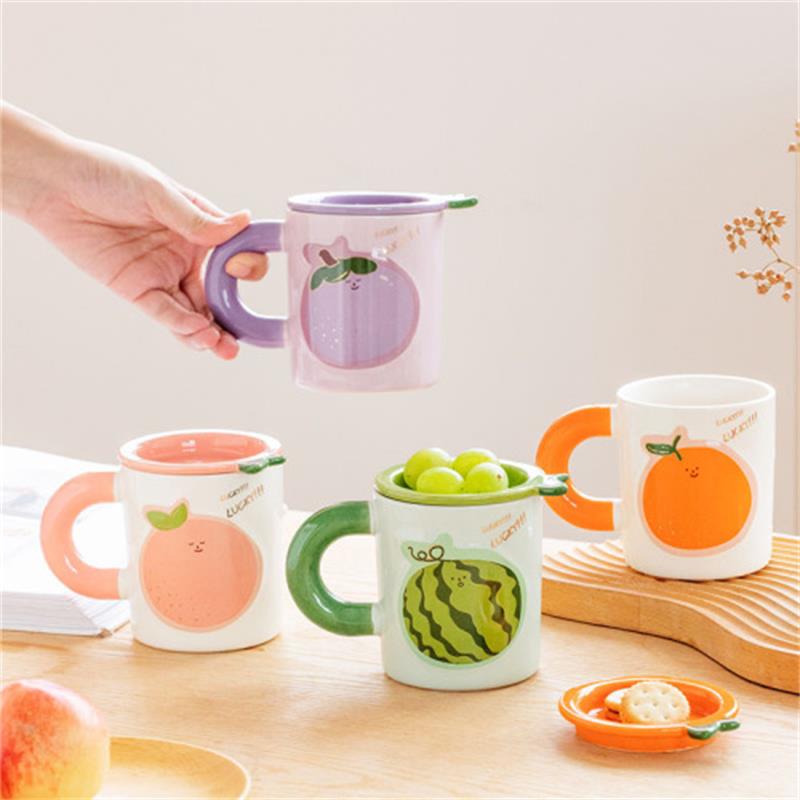
Fruit-Patterned Ceramic Mug | Handcrafted Cozy Home Decor
-

Handcrafted Santa Ceramic Mug | Cozy Home Decor & Gift