
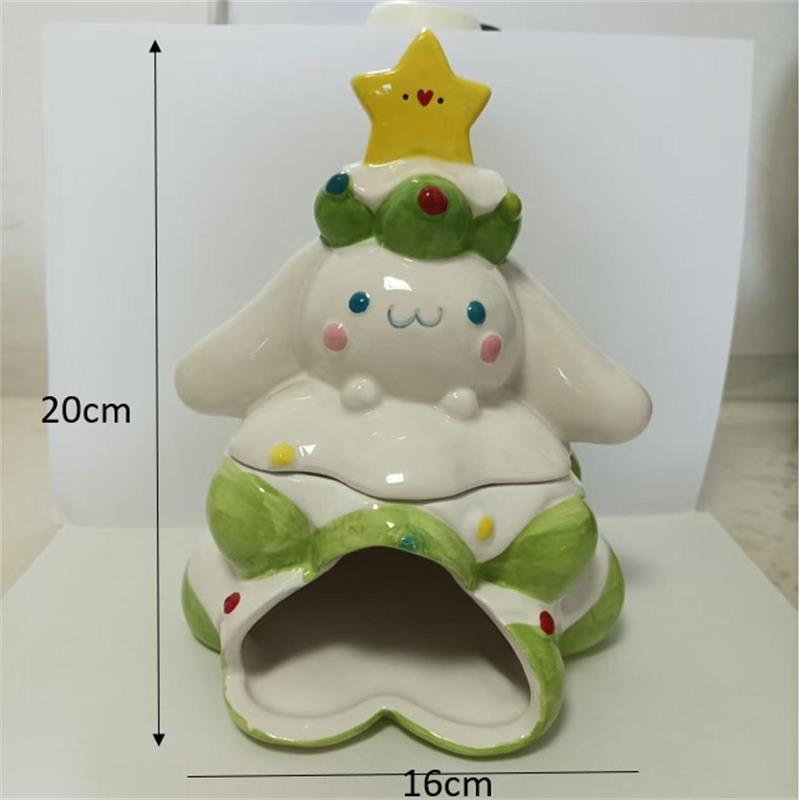
Handcrafted Ceramic Mushroom Hamster House | Cozy Home Decor
Some objects arrive in a home quietly, without announcement, and then somehow become the thing everyone notices first. That is what happened with the little ceramic mushroom house—a piece that began, as most good things do, with a simple observation. Someone noticed how a small animal will turn a sheltered corner into a whole world, arranging bedding just so, retreating to the same spot each evening. There was something deeply familiar in that. We all do it. We all want a place that feels entirely ours. And so the idea took shape: a dwelling small enough to sit on a shelf, warm enough to feel like a story, and beautiful enough to belong in a room long after its first purpose was served.
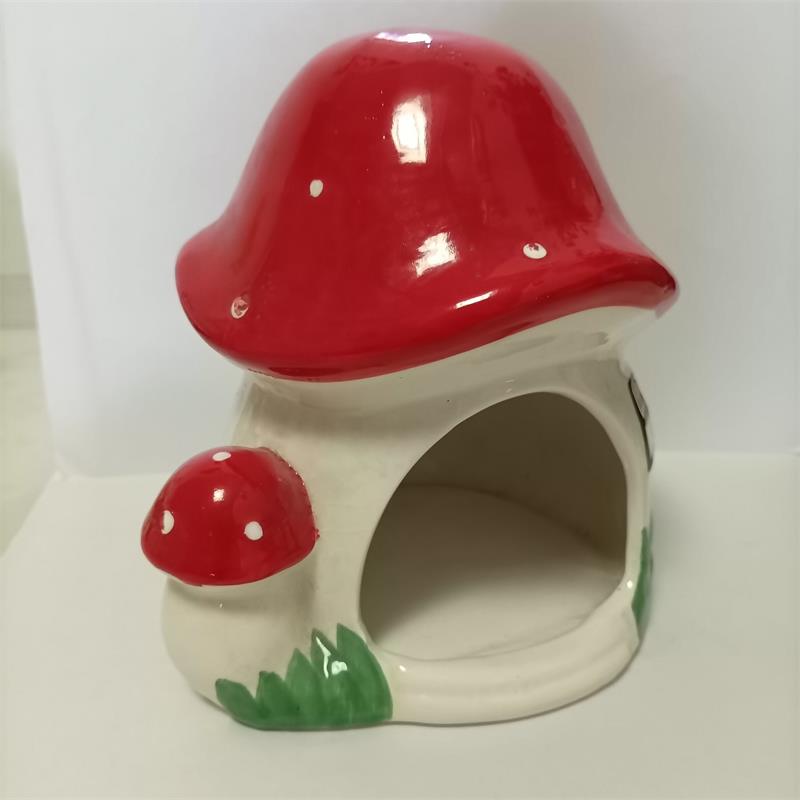
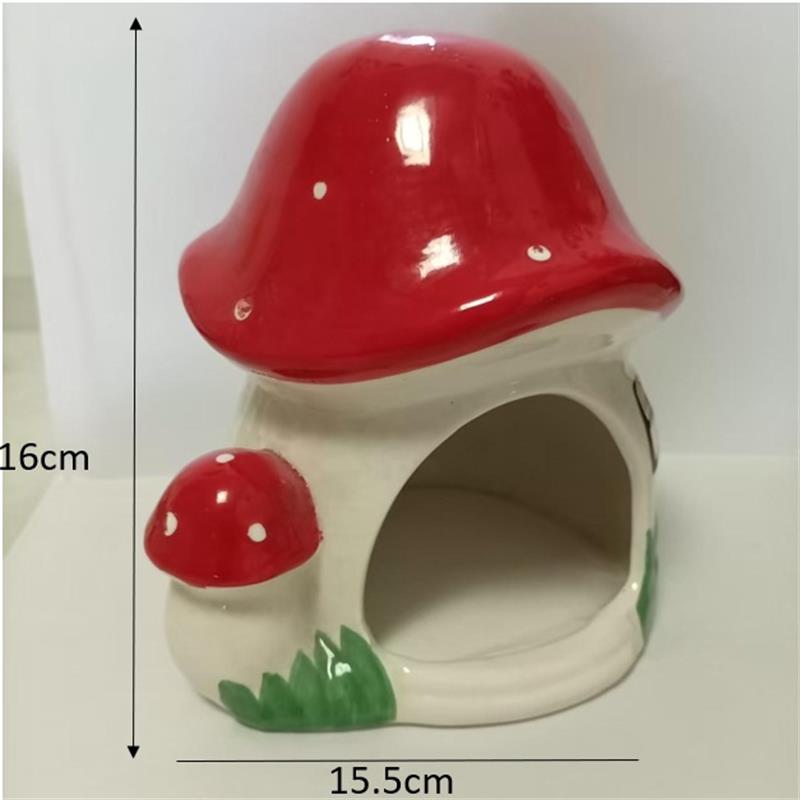
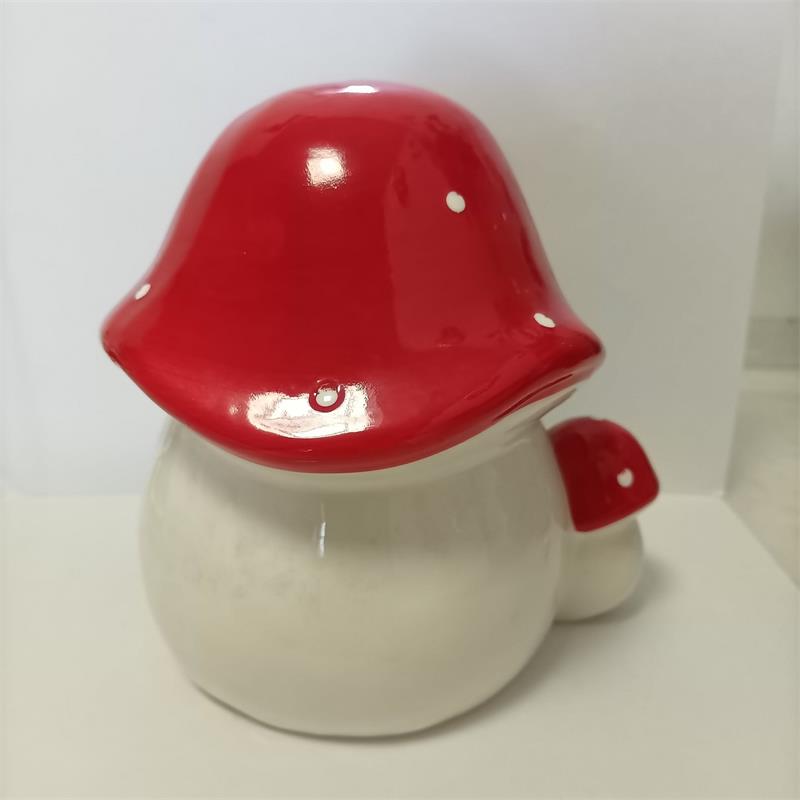
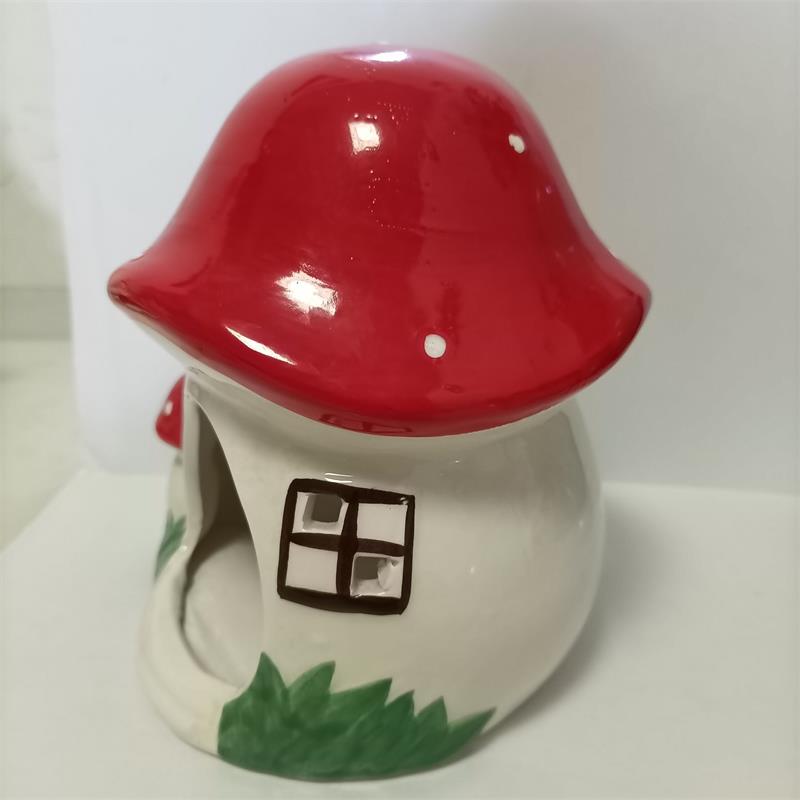
The mushroom shape came naturally. There is a reason mushrooms appear in so many children’s books and forest tales—they carry a certain gentle magic without trying. A rounded cap, a soft stem, a low doorway. In ceramic, that silhouette becomes something more substantial: cool to the touch at first, then warming to the hand, with a glaze that catches afternoon light and holds it. The cap is smooth and slightly glossy, the kind of surface that makes you want to run a finger across it. The base is weighted just enough to stay put on a windowsill or a desk, and the whole piece stands at a comfortable, unassuming height—small enough to tuck between books, large enough to hold its own in a display. Every edge is finished by hand, which means no two pieces are exactly alike. A slight variation in glaze, a faint ripple in the cap—these are not flaws. They are the signature of something made by a person rather than a machine.
In a home, it settles in fast. On a desk, it becomes a small anchor in the middle of a workday—something to glance at between emails, a reminder that not everything has to be urgent. On a shelf, it joins the quiet company of books and candles and stones collected from walks. As a table centerpiece, it draws conversation the way small, curious objects always do; guests lean in, ask what it is, and the answer is always a little story. And for anyone who keeps a hamster or another small pet, it becomes something rarer: decor that earns its place twice over, a cozy hideaway that also happens to look lovely in the room. The cap provides shade and shelter, the wide base stays stable, and the ceramic surface wipes clean easily—practical in the way good design always is, without announcing itself as practical.
But the mushroom house has a second life that has nothing to do with pets at all. It has become a gift—the kind people choose when they want to give something that feels considered rather than expensive. A housewarming present for a friend’s first apartment. A small token for a coworker who just moved into a new office. A keepsake for someone who loves forest-inspired decor, or who has a shelf of tiny treasures and is always looking for the next one. For families, it fits naturally into a child’s room or a reading nook. For gift-givers shopping for someone who “has everything,” it offers a graceful answer: something small, handmade, and quietly beautiful. And because ceramic pieces photograph so well in natural light, it has found a following among collectors who display them in groupings—three mushroom houses of different heights on a windowsill, a single one on a bedside table, a pair flanking a stack of books.
This is also why the piece has started appearing in less personal settings. Corporate gift buyers looking for something warmer than a branded mug have discovered that a small handcrafted ceramic object carries a message a logo cannot: we thought about this. Event planners use them as table accents for autumn gatherings and woodland-themed showers. Small boutiques and gift shops order them in modest batches, arranging them near the register where customers can pick one up and feel the glaze. None of this was the original plan. It is simply what happens when an object is made with care and priced within reach—it travels.
What stays with people, in the end, is not the ceramic itself but the feeling it creates. A corner with a mushroom house in it feels a little more settled, a little more lived-in. It suggests a home where small things matter. It sits patiently through seasons, through redecorating, through the changing light of a room, asking nothing. And every so often, someone new walks in, spots it on the shelf, and smiles before they even know why. That is the whole story, really: a small dwelling, made to shelter something, that ends up sheltering a little bit of warmth in the room around it.
Leave Your Message
Related PRODUCTS
-
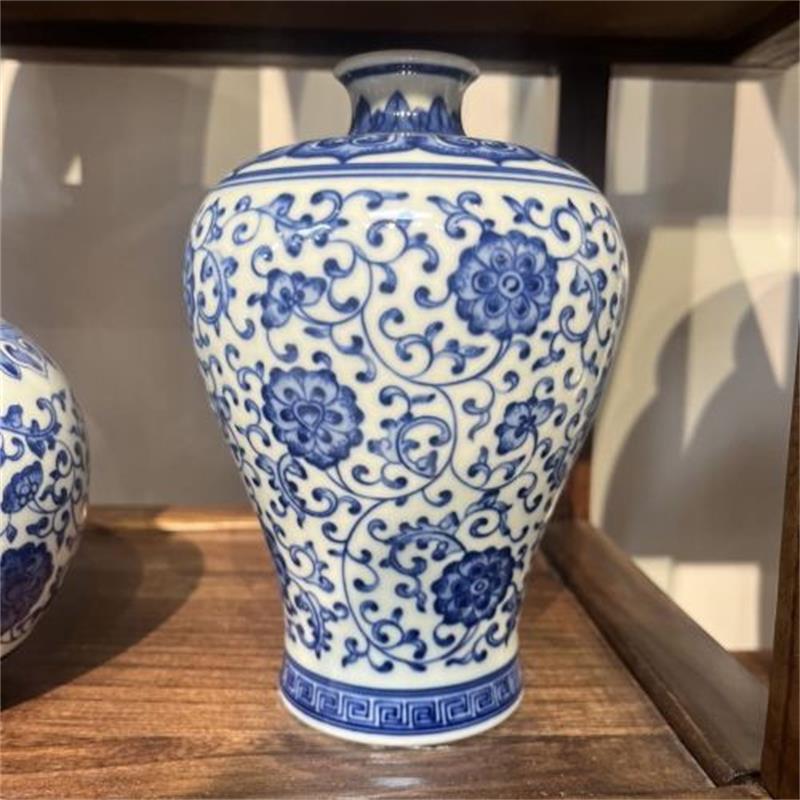
Hand-Painted Ceramic Plum Lotus Vase | Artisanal Decor
-
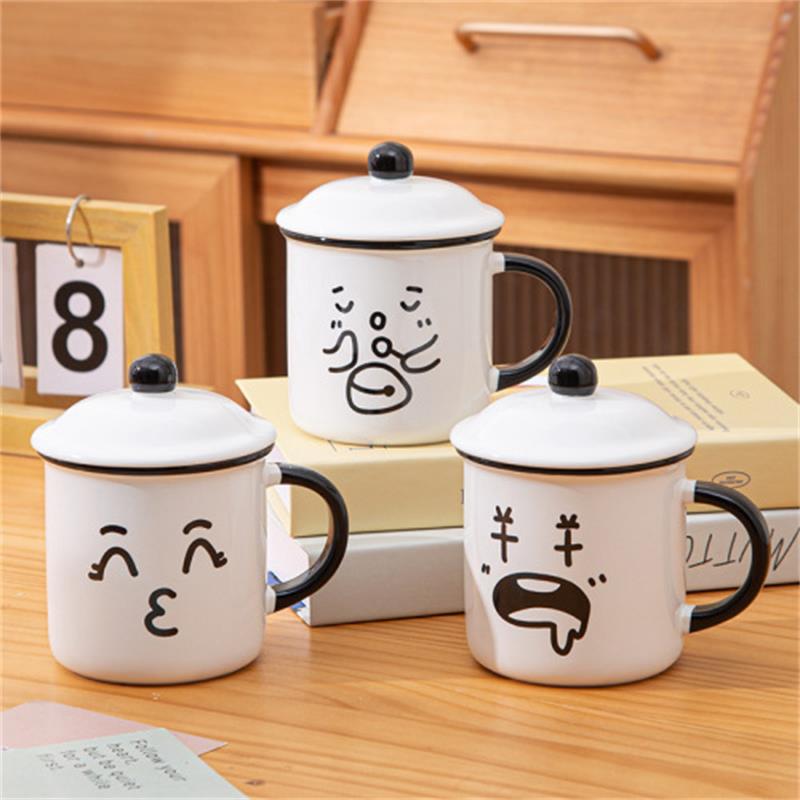
Quirky Ceramic Mug with Lid | Fun Unique Gift & Desk Decor
-
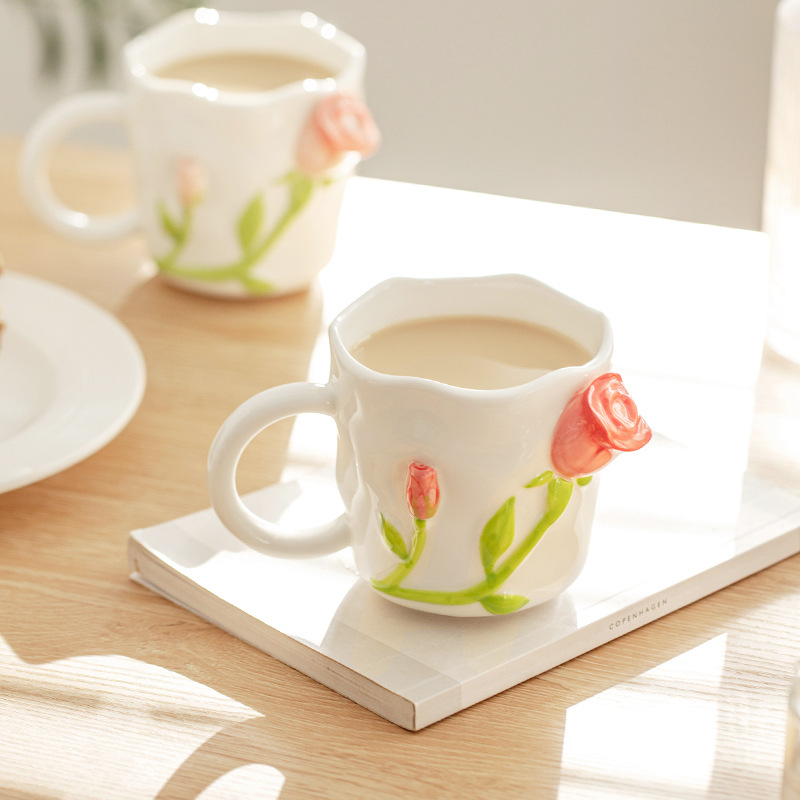
Handcrafted Rose Relief Ceramic Mug | Gift & Home Decor
-
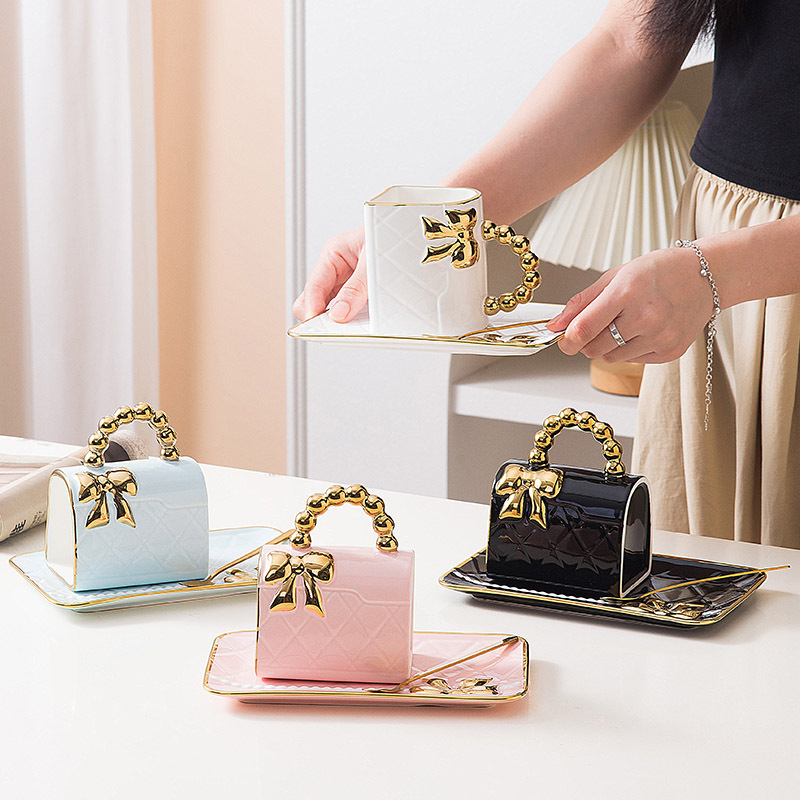
Handcrafted Ceramic Bow Bag Mug | Cozy Home Decor Gift
-
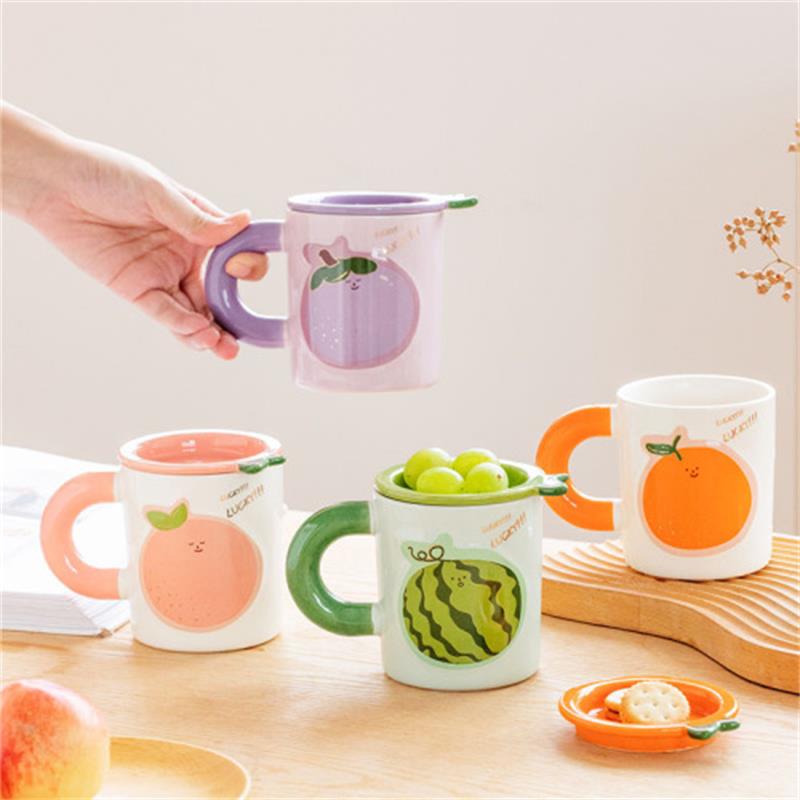
Fruit-Patterned Ceramic Mug | Handcrafted Cozy Home Decor
-
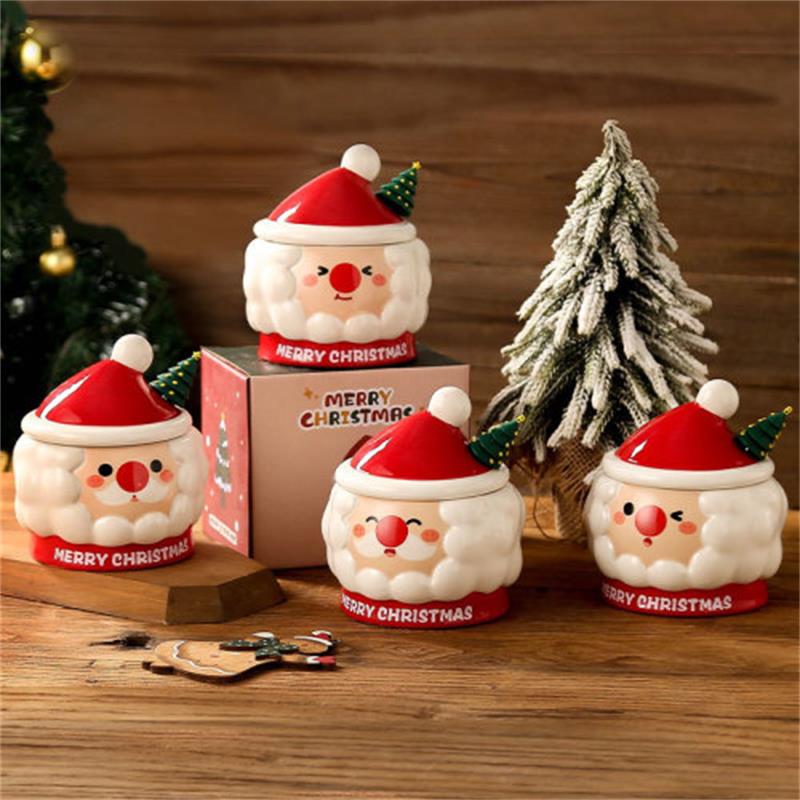
Handcrafted Santa Ceramic Mug | Cozy Home Decor & Gift