
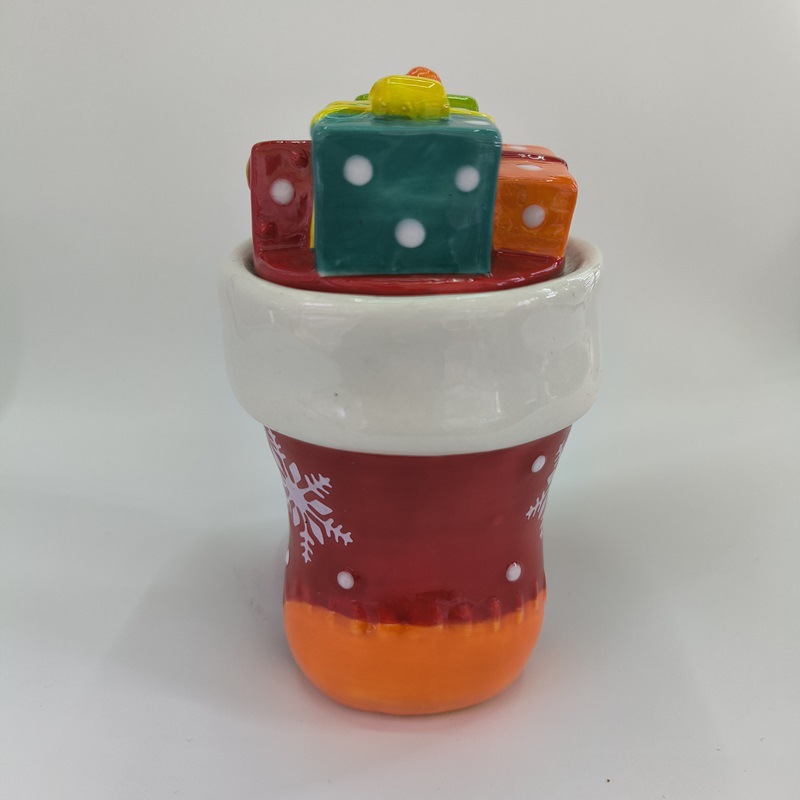
Christmas Boot Ceramic Jar – A Heartwarming Keepsake Gift
Some objects arrive in a home quietly, without fanfare, and then somehow become impossible to imagine the room without. This Christmas boot ceramic jar is one of those objects. It began, as many good things do, with a small memory — a grandmother’s hallway, a pair of worn winter boots by the door, and a tin of peppermint candies that appeared every December without fail. The boot shape was never about fashion. It was about welcome. It said, without words, that someone had just come in from the cold and that something sweet was waiting.
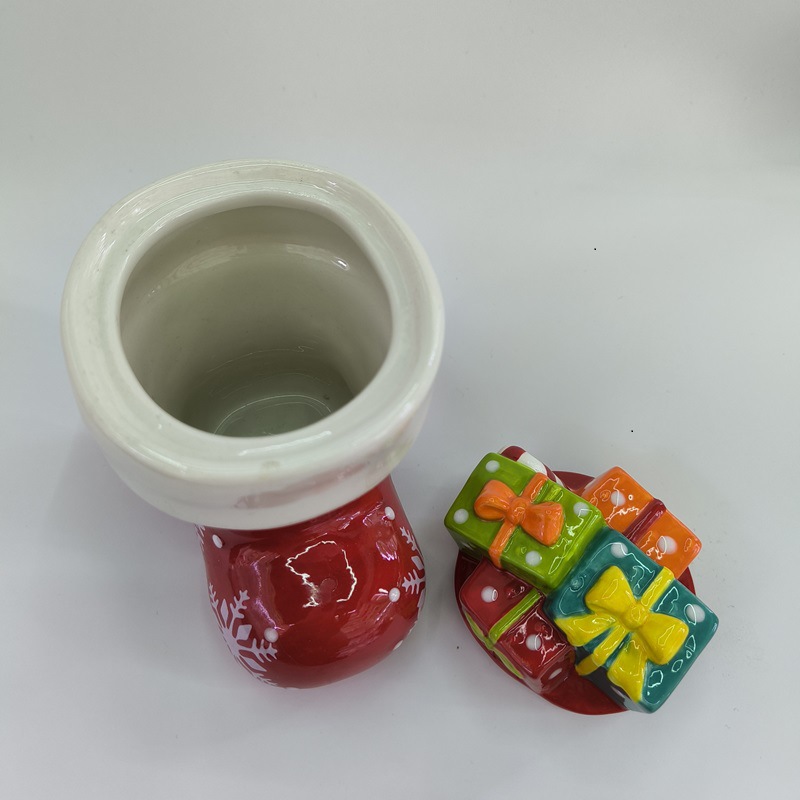
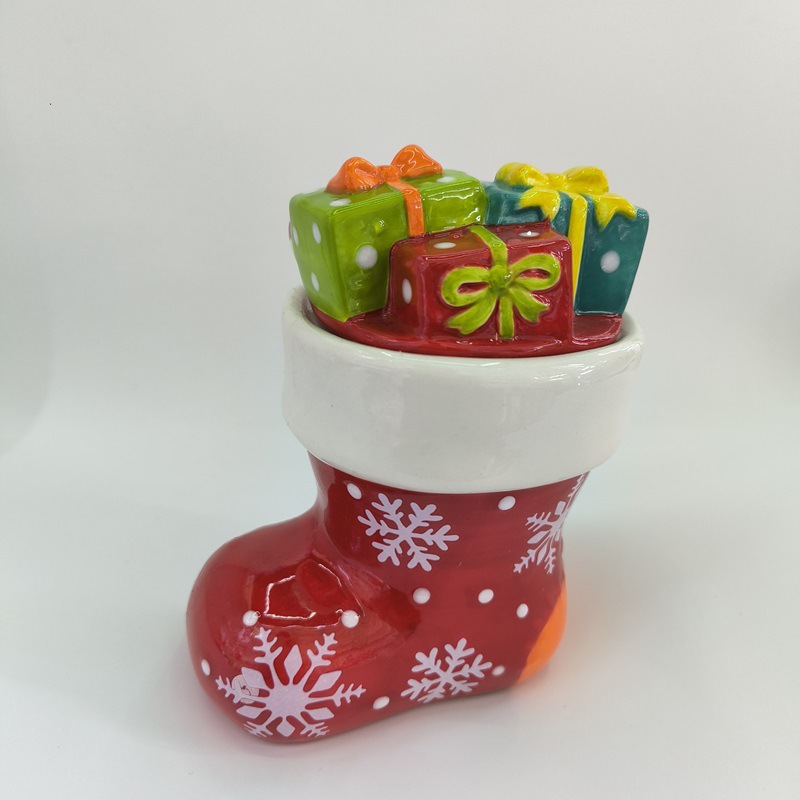
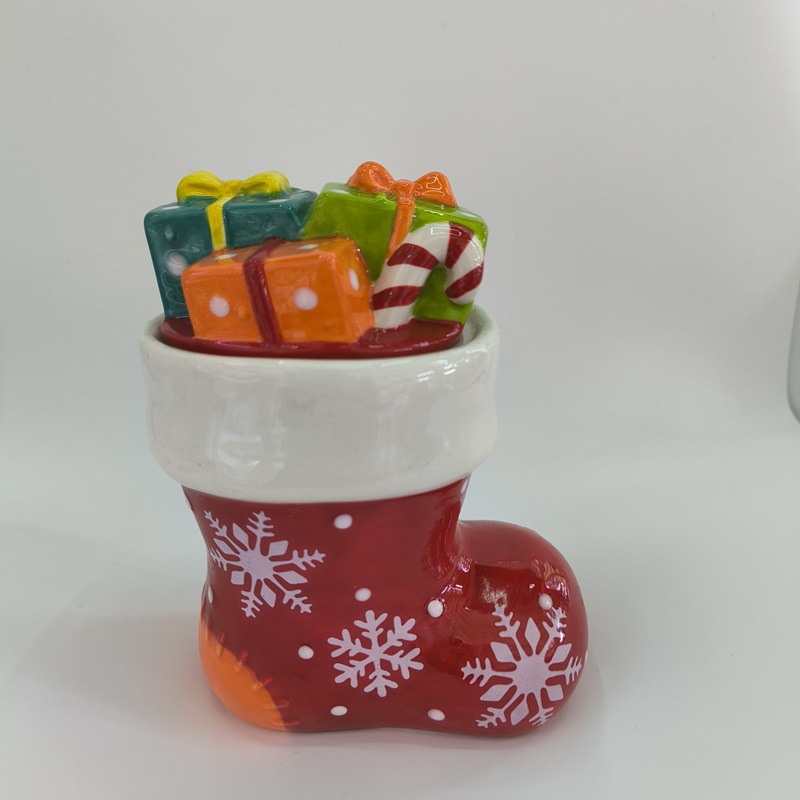
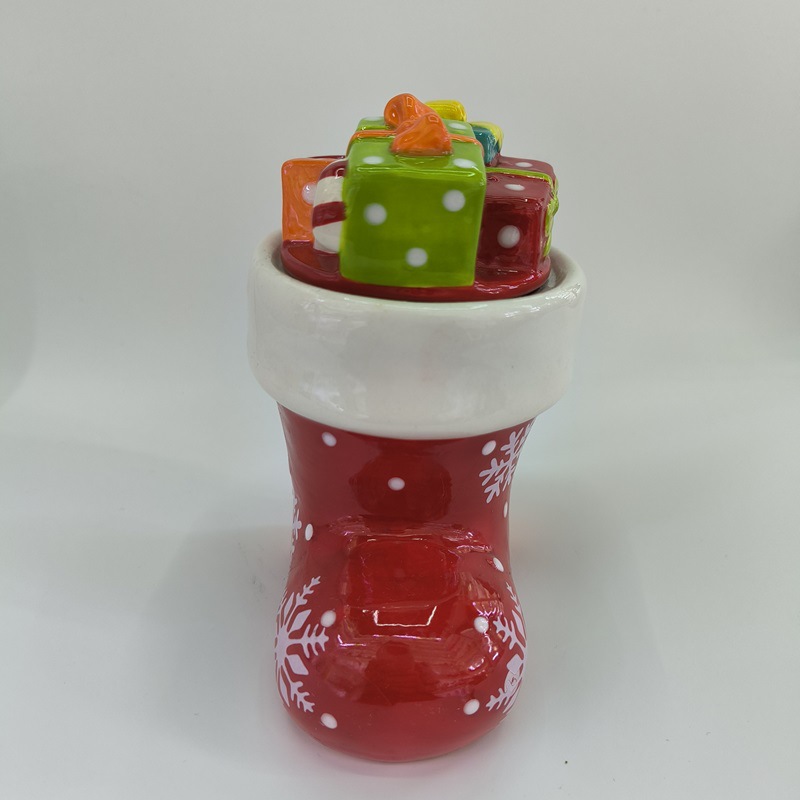
That is the spirit this piece carries. Shaped like a soft, rounded winter boot and finished with a classic holiday pattern, it is a decorative table sculpture as much as it is a container. The ceramic body has a gentle weight in the hand — about 11.9 by 8.7 by 15 centimeters — substantial enough to feel like a real object, light enough to lift down from a shelf without effort. The glaze catches light along the curve of the toe and the rim, giving the surface a soft, almost candlelit sheen in the evening. Run a fingertip along the pattern and you feel the slight texture of the finish, the small honest unevenness that tells you this was shaped and glazed by hand rather than stamped out by the thousand.
In our house, it sits on the kitchen counter for most of December, filled with candy canes and roasted nuts, and then it moves to the living room shelf for the rest of winter, holding nothing in particular — a few spare keys, a folded note, a stray ornament hook. That is the quiet genius of a piece like this. It is a candy jar when you need one, a snack container when guests arrive, and a small decorative vessel when the holidays are over and the house settles back into its ordinary rhythm. It never has to be put away. It simply changes jobs.
For families, this is the kind of object that becomes part of the ritual. A child learns to lift the lid carefully, to take one candy and not four, to put it back exactly where it belongs. Years later, that small ceremony is what they remember — not the candy, but the boot on the counter and the sound of the lid being set down. It makes a thoughtful gift for a new home, a first apartment, a grandparent who insists she needs nothing, or a friend who hosts the same holiday dinner every year and deserves something that says thank you. Paired with a bag of good coffee or a handful of wrapped chocolates, it becomes a gift that is used, not just displayed.
Collectors of holiday ceramics tend to notice the details first: the proportion of the boot, the way the pattern wraps cleanly around the ankle, the weight of the lid. This piece holds its own on a shelf display beside mugs, figurines, and small handcrafted ornaments. It is not oversized or loud. It sits at a friendly scale, roughly the height of a mug and a half, so it fits on a bookshelf, a windowsill, a desk corner, or a side table without crowding anything. On a desk, it holds paper clips and a few wrapped candies; on a shelf, it anchors a small winter vignette; on a entryway table, it catches keys and the occasional glove. It works because it was made to be lived with, not just looked at.
There is a particular kind of warmth that comes from a home accent that carries a story. A mass-produced bowl is just a bowl. But a boot-shaped jar with a holiday pattern and a slightly imperfect glaze has a point of view. It suggests that the person who owns it likes small pleasures, remembers old traditions, and is not in a hurry to throw things away. For anyone shopping for a gift for a collector, or for a family member who treasures handmade ceramics, this is an easy choice — it is useful without being boring, decorative without being fragile in spirit.
The memorial side of it is gentler and worth saying plainly. Many of us keep a small object from someone we have lost — a mug, a pin, a figurine — not because it is valuable, but because it was theirs. A piece like this can become that kind of keepsake over time. It does not announce itself as a memorial. It simply sits where it always sits, holding candy or keys, and reminds you of a person or a winter or a kitchen that felt like home. That is the quiet work of a good ceramic object. It holds things, and it holds memory.
When the season ends, do not box it up. That is our only real advice. Let it stay on the shelf with the books and the small lamps. Fill it with something ordinary — tea bags, marbles, loose change, the buttons that fall off coats. Let it be a little strange and a little specific. That is what makes a house feel like someone’s home. A Christmas boot that never quite leaves the shelf is not a decoration out of season. It is a small, warm reminder that the good part of the holidays — the welcome, the sweetness, the coming in from the cold — can stay with you all year.
Leave Your Message
Related PRODUCTS
-
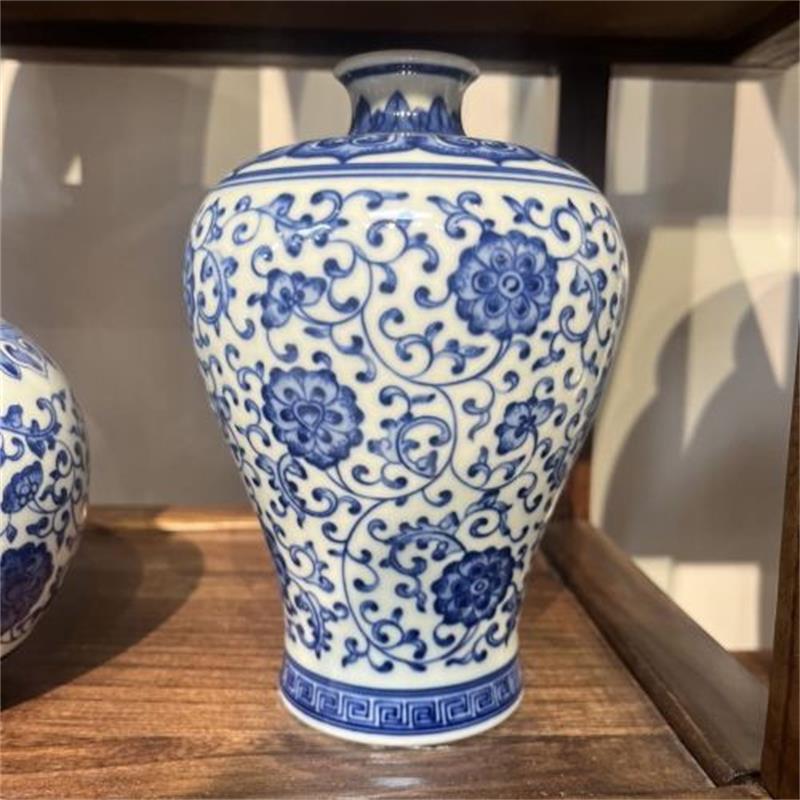
Hand-Painted Ceramic Plum Lotus Vase | Artisanal Decor
-
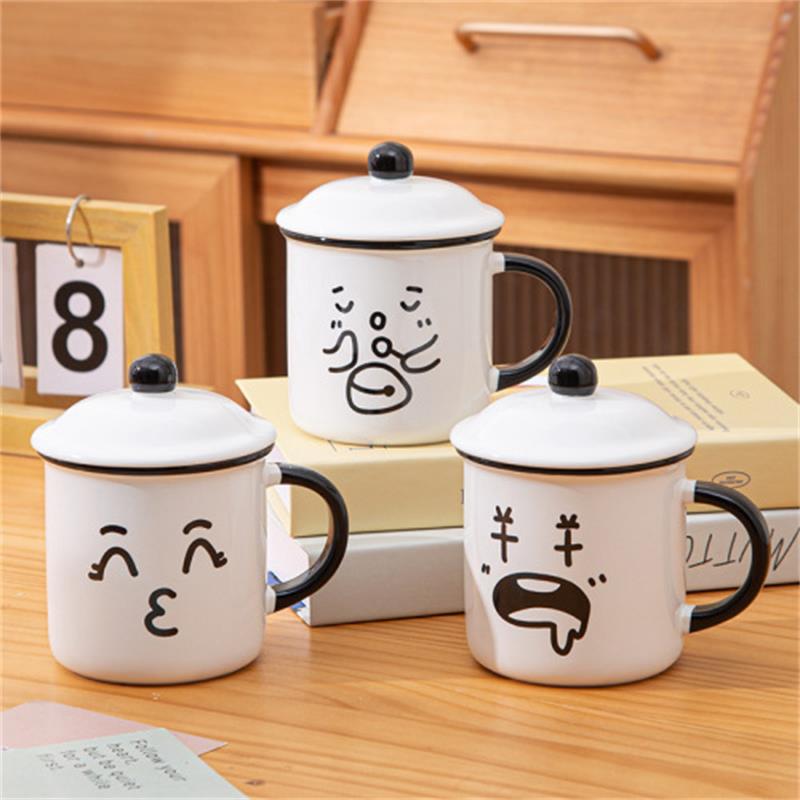
Quirky Ceramic Mug with Lid | Fun Unique Gift & Desk Decor
-
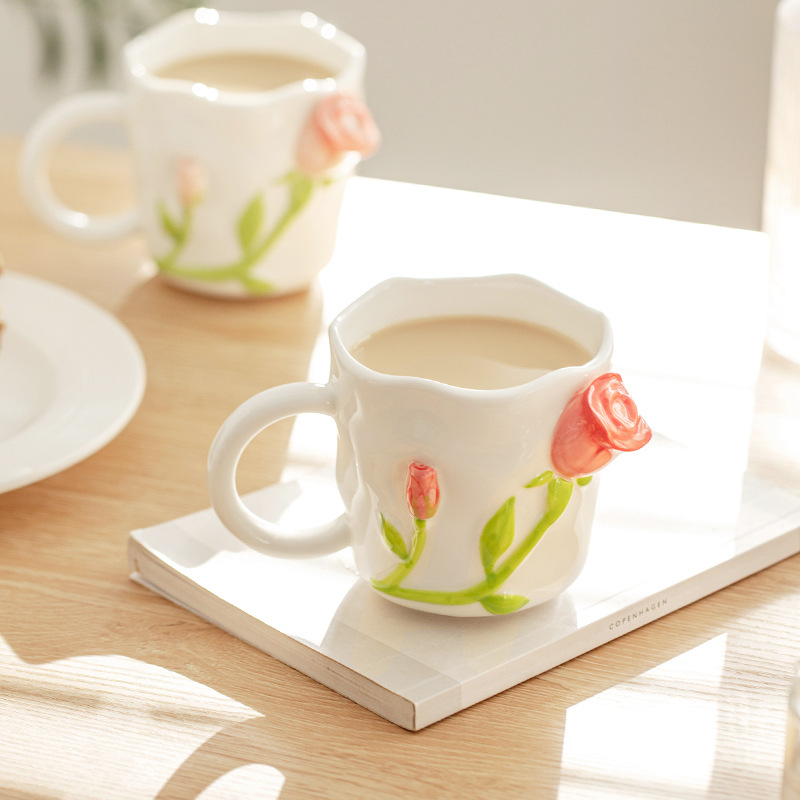
Handcrafted Rose Relief Ceramic Mug | Gift & Home Decor
-
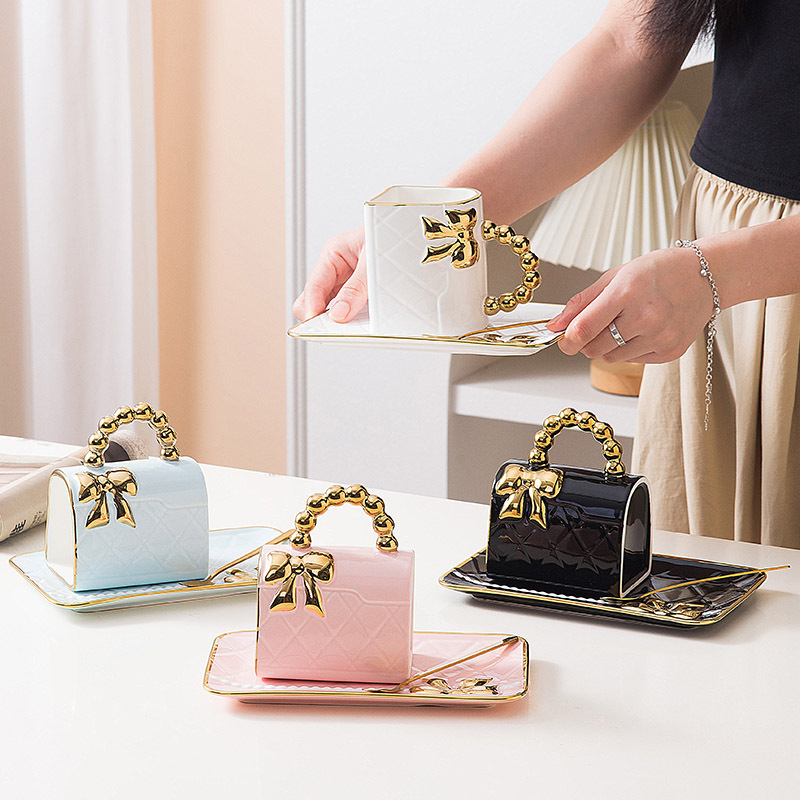
Handcrafted Ceramic Bow Bag Mug | Cozy Home Decor Gift
-
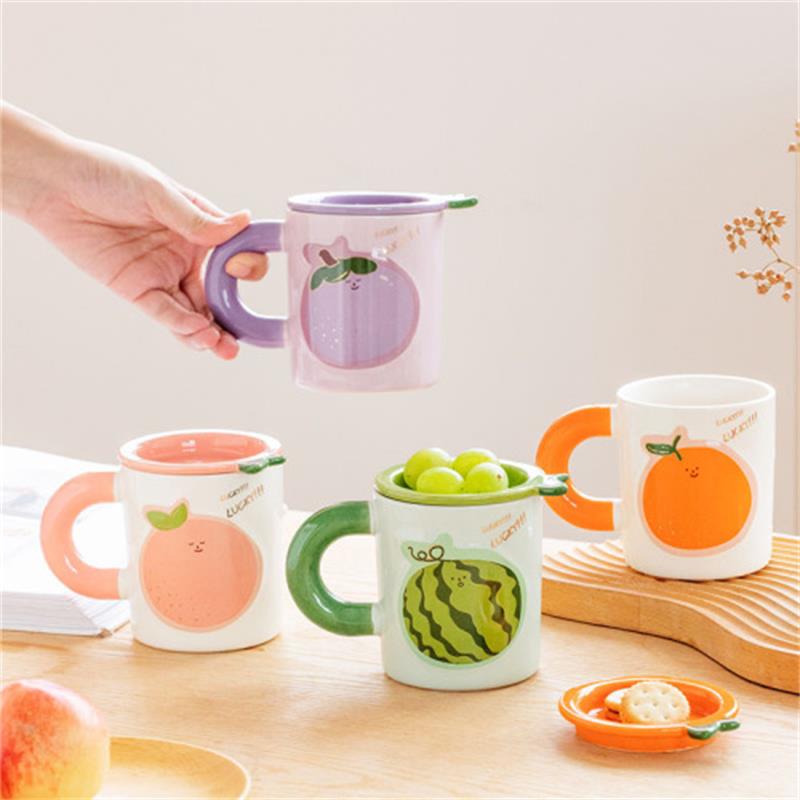
Fruit-Patterned Ceramic Mug | Handcrafted Cozy Home Decor
-
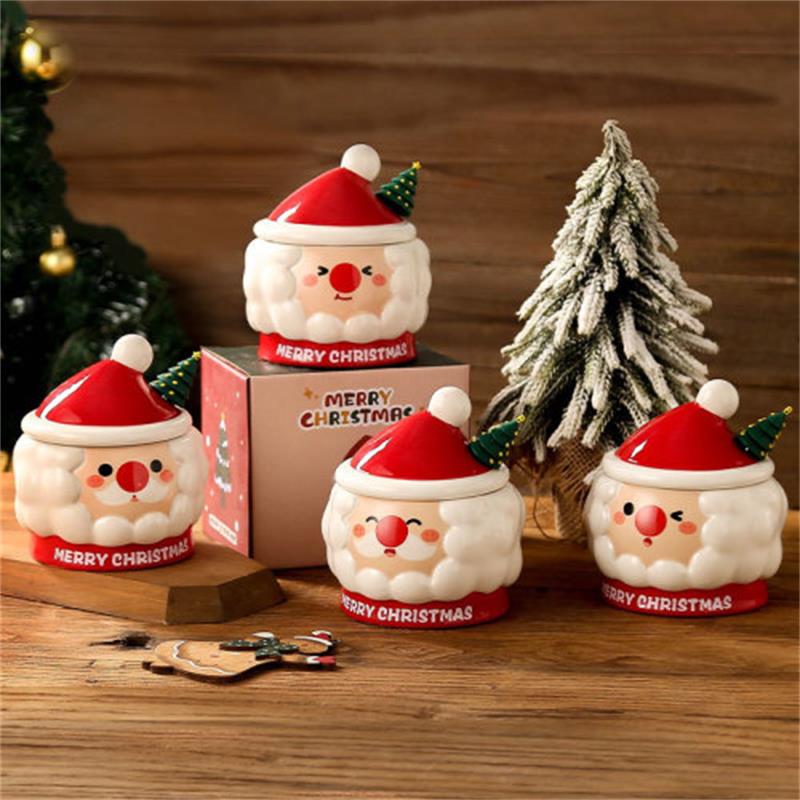
Handcrafted Santa Ceramic Mug | Cozy Home Decor & Gift