
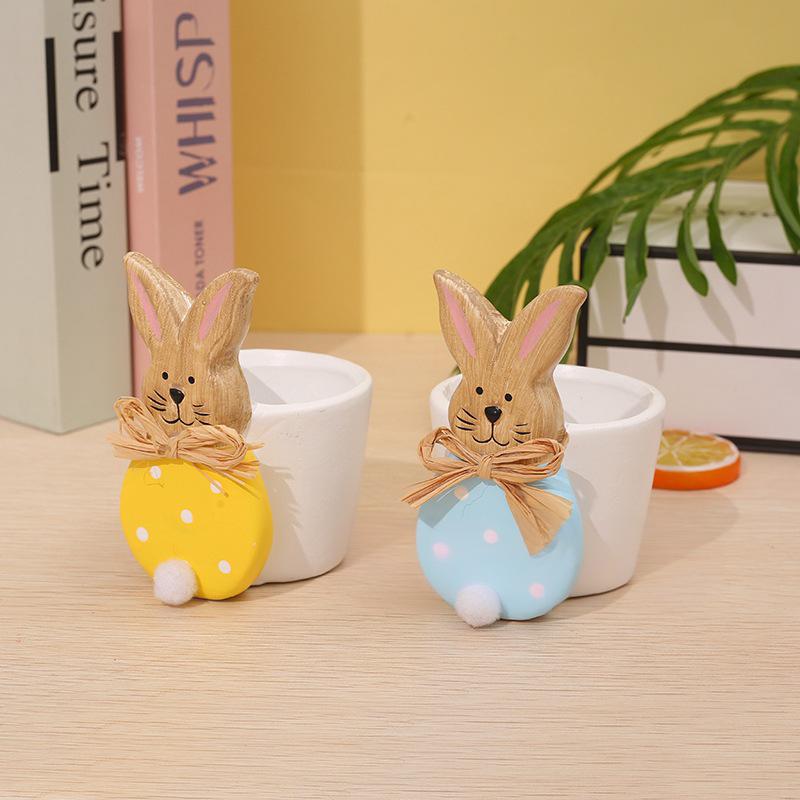
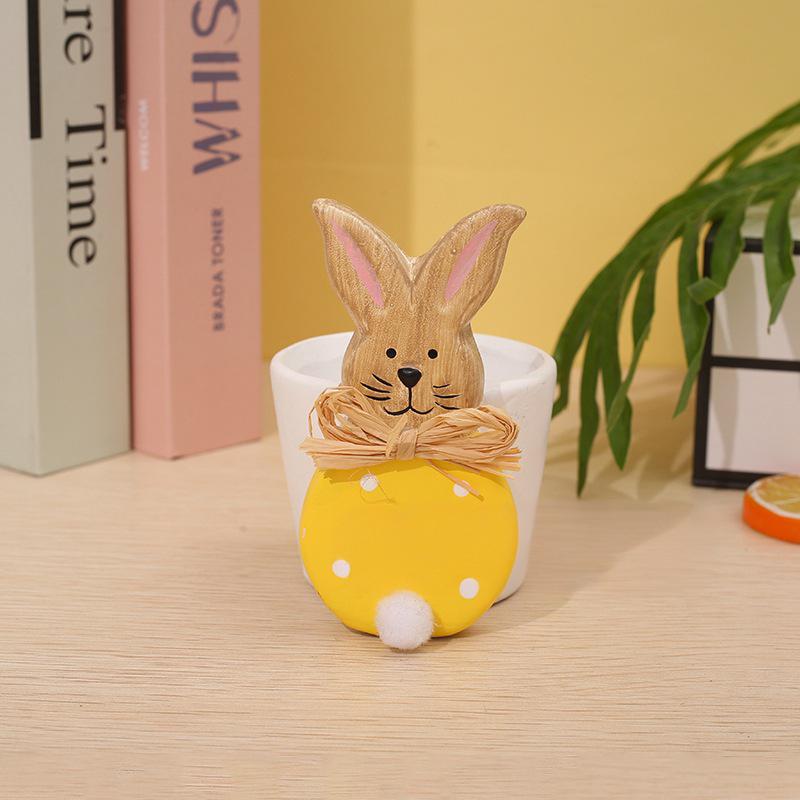
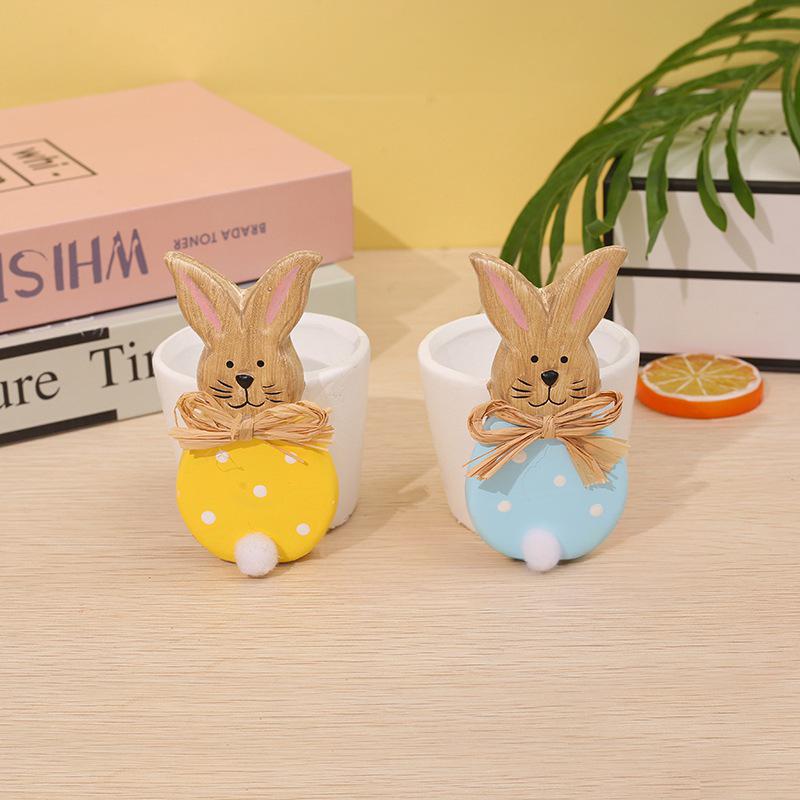
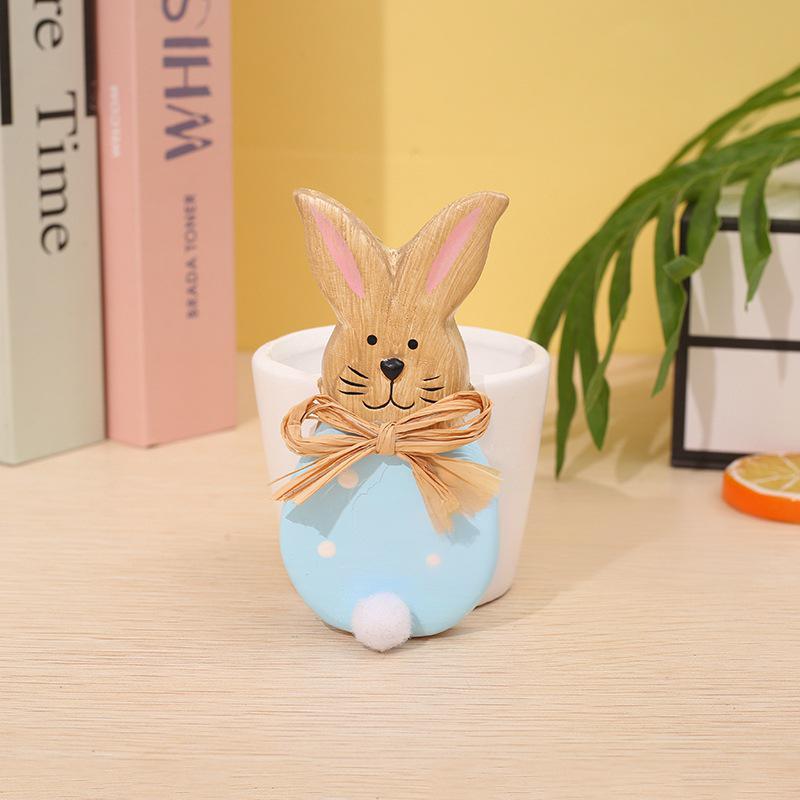
Cheerful Ceramic Bunny Planter & Keepsake Gift
Some objects arrive in a home quietly, without ceremony. They are set down on a shelf or a windowsill, and then, almost without anyone noticing, they begin to belong. That is how the little ceramic bunny found its place in the home of a family who never planned to become attached to a planter.
It started as a small gift. A daughter had been browsing for something to bring to her mother’s house—something that was not another candle, not another box of tea, but a small object with a bit of personality. She wanted a home accent that would make her mother smile each time she passed it, a decorative table sculpture with a gentle presence. When she saw the bunny, with its calm face and its open top, she thought of the kitchen counter where her mother kept stray pens and paper clips, and the way that counter always seemed to gather small things. She chose the blue one, because it matched the kitchen curtains, and she wrapped it in tissue paper before the visit.
Her mother laughed when she unwrapped it. “What is it?” she asked, turning it over. “A planter? A candy jar? A pen holder?” The daughter shrugged. “All of it, I think.” That ambiguity turned out to be the point. The bunny did not insist on a single job. It simply sat there, pleasant and patient, waiting to see what the household needed.
For a few weeks, it held nothing at all. It sat on the kitchen counter near the fruit bowl, and the morning light moved across its glazed ceramic surface, catching the soft curve of its ears and the smooth, round body. The blue glaze had a quiet depth to it, a color that shifted slightly depending on the hour—pale and cool in the early morning, warmer in the afternoon. The ceramic itself had a pleasant weight in the hand, substantial without being heavy, the kind of object that feels solid and well-finished when you pick it up. It was not delicate in a fragile way. It was sturdy, the sort of decorative piece that can live on a counter and survive the small bumps of daily life.
Then one day her mother dropped a handful of pens into it. Then came a few rubber bands, a stray button, a set of keys. The bunny became a catchall, a small keeper of the things that had no other home. And somehow, that made it more loved than any purely ornamental object could have been. It was useful and cheerful at the same time, a combination that is harder to find than it sounds.
The daughter noticed this when she visited. She noticed, too, that her mother had begun to treat the bunny as part of the routine. It was mentioned in passing—“I put the spare key in the bunny”—as though it had always been there. That is the quiet magic of a well-chosen keepsake gift. It does not announce itself. It simply becomes part of the furniture of a life.
A few months later, the daughter bought a second one, this time in yellow, for her own apartment. She set it on her desk, where it held pens and a few paper clips and, on one memorable week, a small collection of candy wrappers that she kept meaning to throw away. The yellow glaze was brighter than the blue, a sunny, buttery tone that made the corner of the desk feel less like a workspace and more like a place where a person actually spent time. It was a small thing, but small things matter in a home office. A desk decor piece that makes you smile when you sit down is worth more than its size suggests.
The bunny’s shape is simple and pleasing. Its face is calm, almost serene, with a small nose and gently rounded cheeks. The ears stand upright, giving it a look of quiet attention, as though it is listening to the room. The opening at the top is wide enough to be practical—it holds a generous handful of pens, a good scoop of candy, or a small bundle of collected odds and ends—but it does not look like a utilitarian container. It looks like a character. That is why it works as a gift for collector, too, the kind of person who keeps small decorative sculptures on a shelf and enjoys the way different pieces talk to each other across a room.
For families, the bunny has a particular charm. It can hold candy in a living room, where children learn to ask before taking a piece. It can sit on a kitchen counter and collect the loose change that always seems to appear at the end of the day. It can hold pens by the phone, or hair ties in a bathroom, or small treasures on a child’s dresser. It is a home accent that adapts, and that adaptability is what makes it feel personal.
The material matters here, too. Ceramic has a long history in the home—it is the material of mugs and plates and the small dishes that hold rings by the sink. It is familiar and warm, and it takes glaze in a way that gives each piece a subtle individuality. The blue and yellow finishes are smooth to the touch, with a gentle sheen that catches the light without being flashy. The weight of the piece is balanced, so it sits firmly on a shelf or counter and does not slide or tip easily. These are small details, but they are the details that make an object feel cared for, and that make it last.
As a gift, the bunny works across a wide range of occasions. It is a housewarming present that does not feel generic. It is a small token for a friend who has just moved into a new apartment and needs a bit of cheer on a shelf. It is a gift for a grandparent who likes practical things with a touch of whimsy. It is a thoughtful choice for a coworker, a neighbor, or a host who has everything. And for the collector, it is a charming addition to a shelf display of decorative table sculptures, a piece that holds its own without competing with the objects around it.
The daughter, for her part, has stopped thinking of the bunny as a gift she gave. It is simply part of her mother’s kitchen now, as ordinary and necessary as the salt shaker. And yet, when she visits, she still notices it. She notices the way the morning light finds the blue glaze. She notices the pens leaning out of the top. She notices that her mother has, without saying so, begun to keep the bunny clean and free of clutter, treating it with a small, unspoken respect.
That is what a good keepsake gift does. It does not demand attention. It earns a place, quietly, and then it holds that place for years. The little ceramic bunny, with its calm face and its open top and its soft blue or yellow glaze, is not a grand object. It is a small, cheerful, useful thing. But small things, placed with care, are often the ones that make a house feel like a home. And that is more than enough.
Leave Your Message
Related PRODUCTS
-
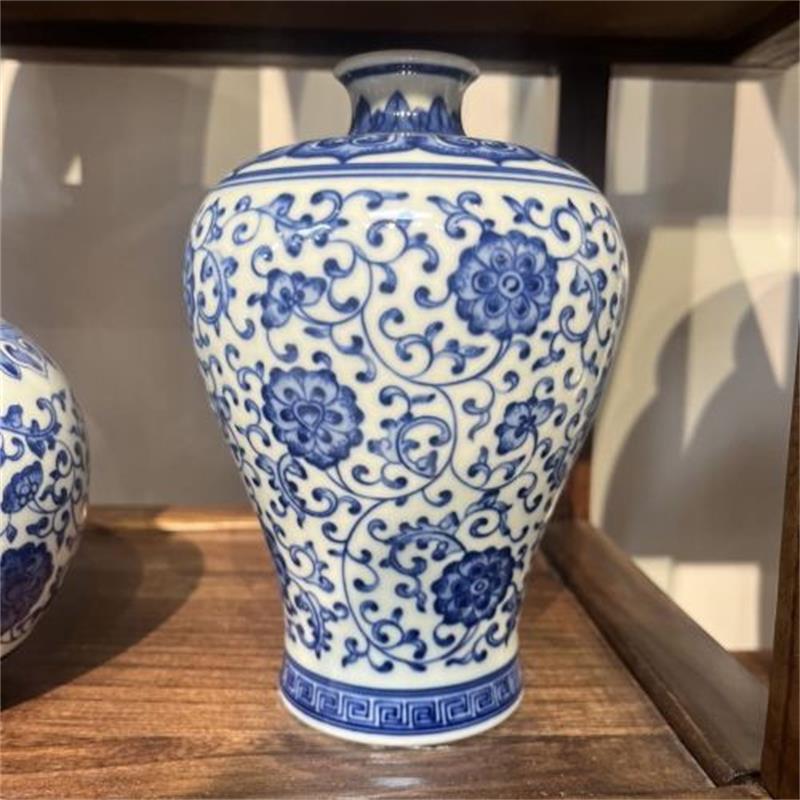
Hand-Painted Ceramic Plum Lotus Vase | Artisanal Decor
-
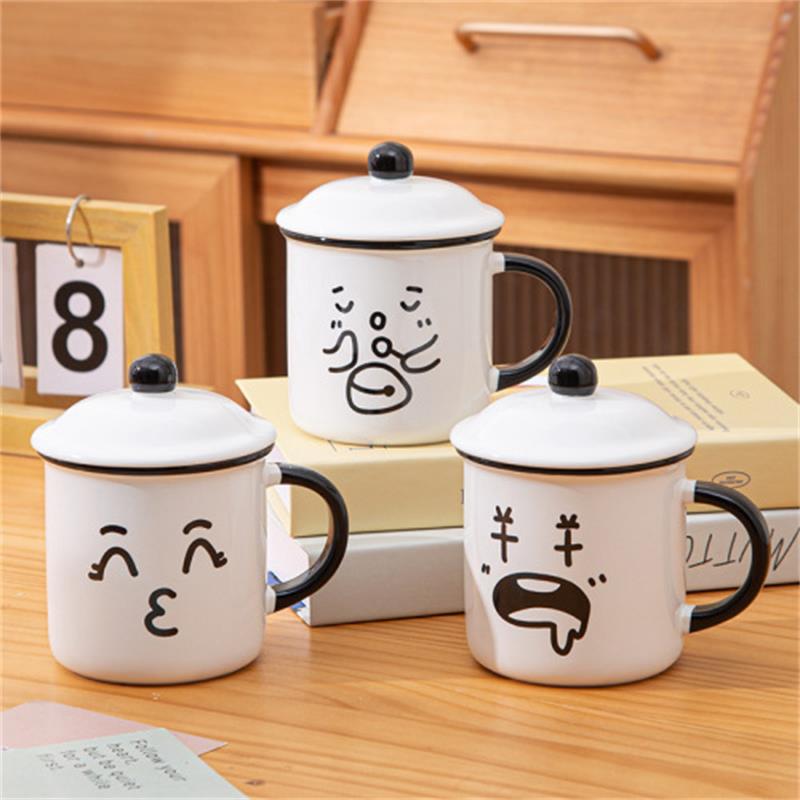
Quirky Ceramic Mug with Lid | Fun Unique Gift & Desk Decor
-
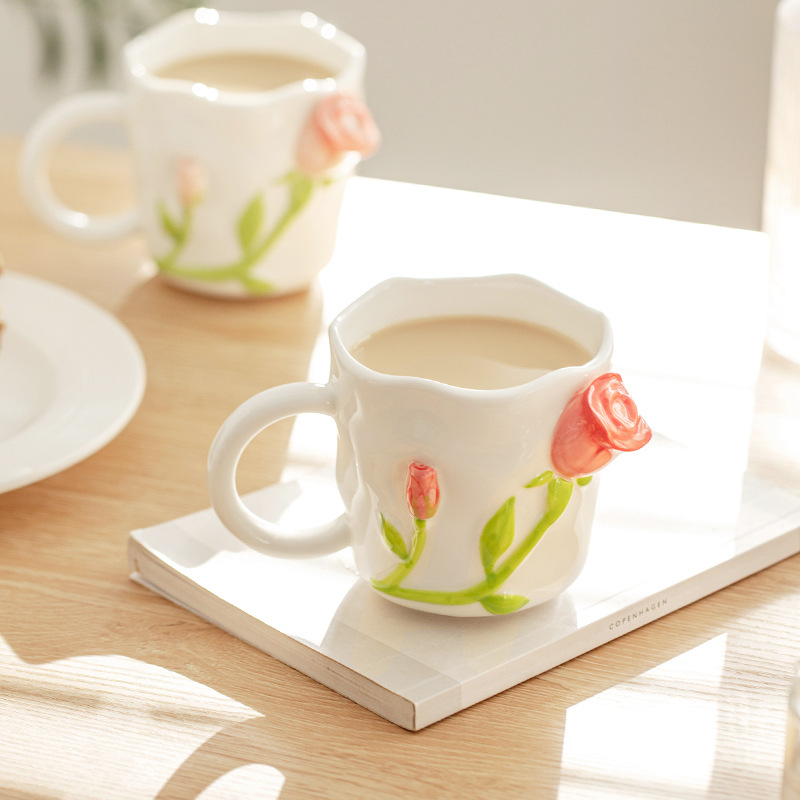
Handcrafted Rose Relief Ceramic Mug | Gift & Home Decor
-
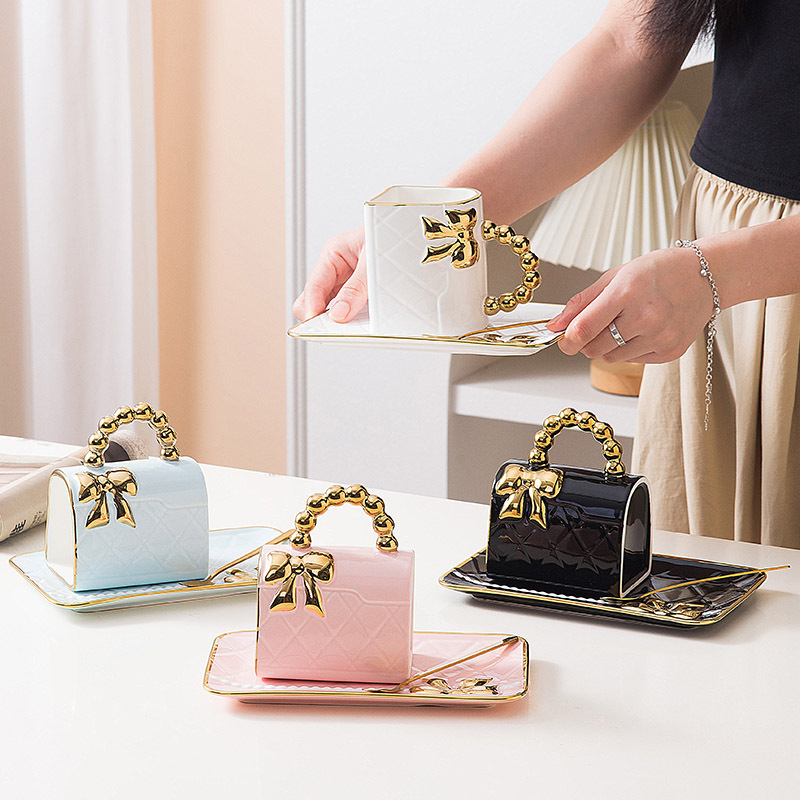
Handcrafted Ceramic Bow Bag Mug | Cozy Home Decor Gift
-
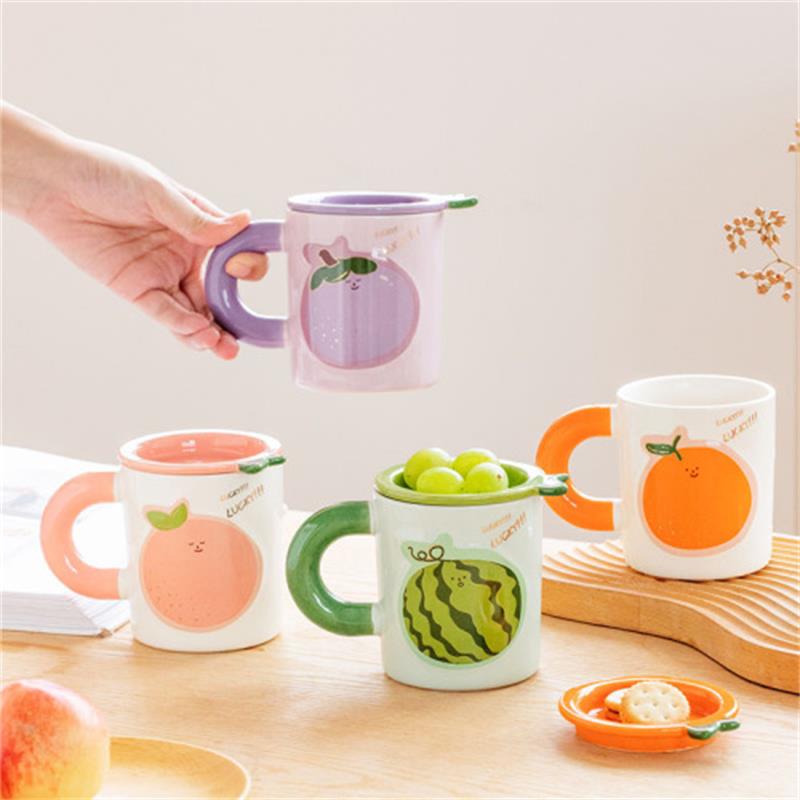
Fruit-Patterned Ceramic Mug | Handcrafted Cozy Home Decor
-
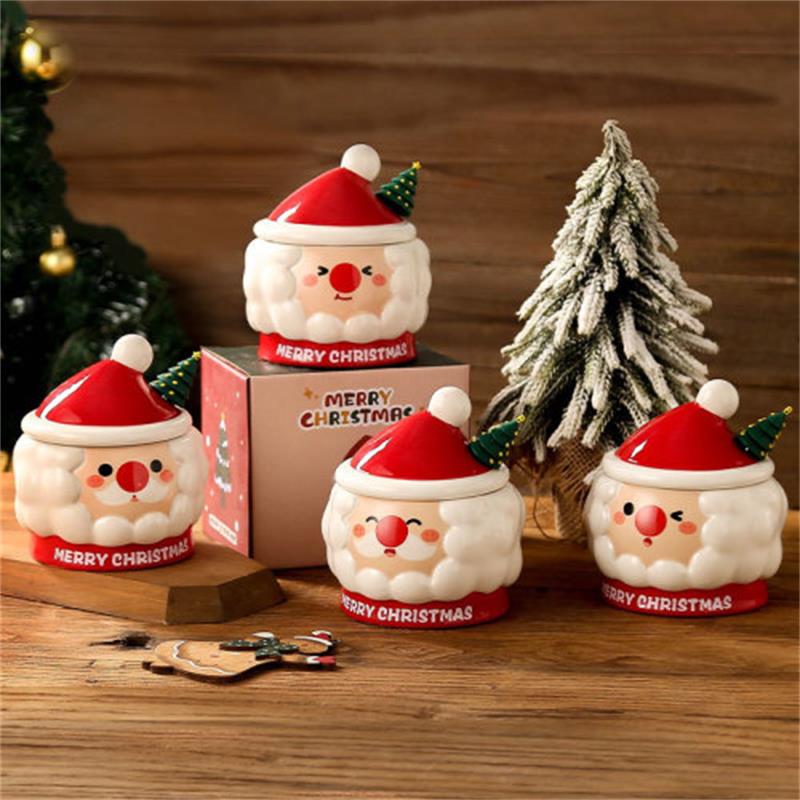
Handcrafted Santa Ceramic Mug | Cozy Home Decor & Gift