
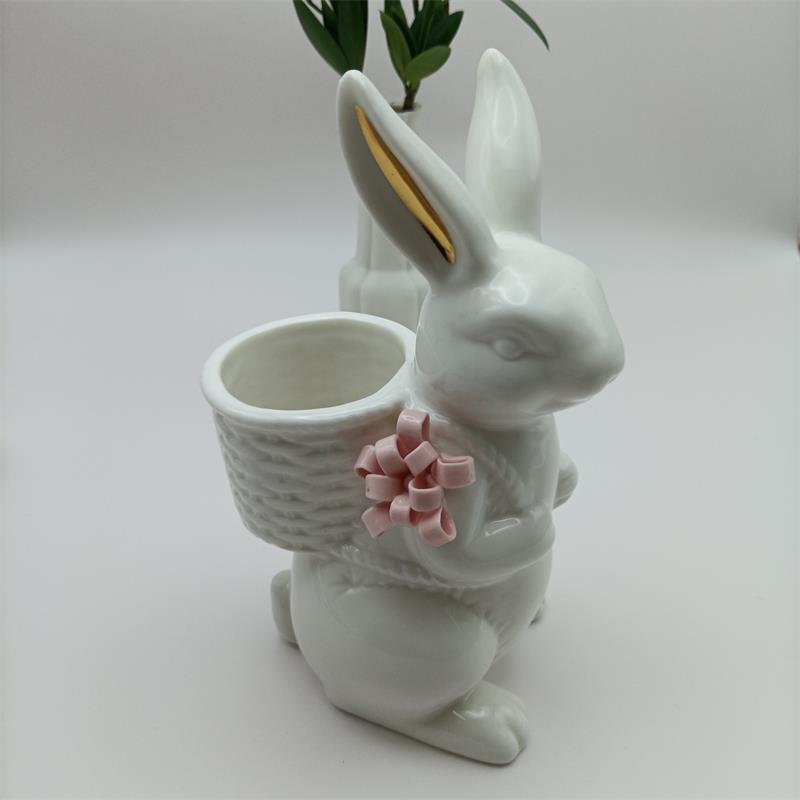
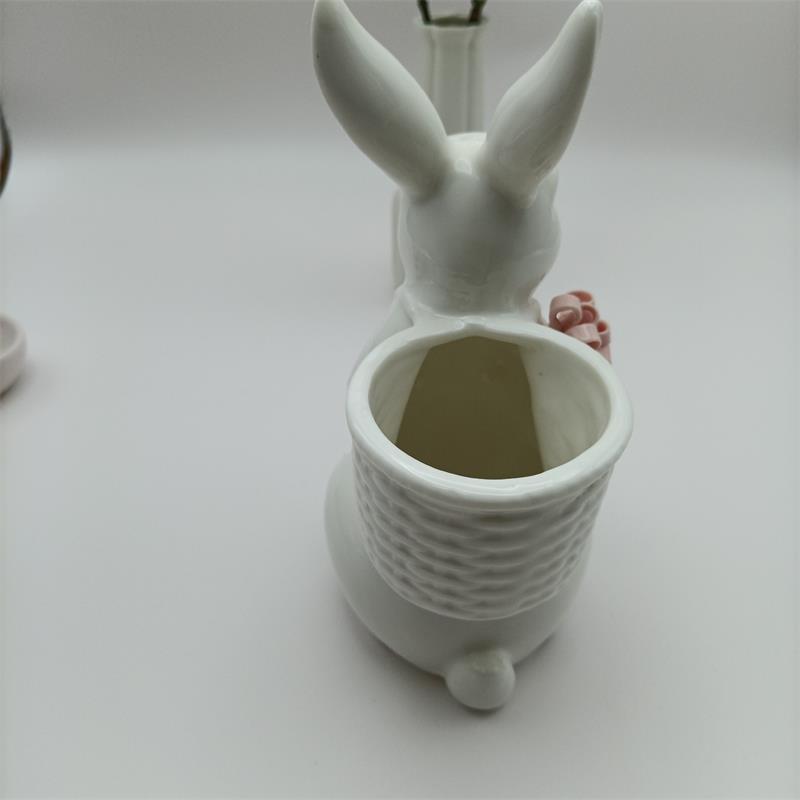
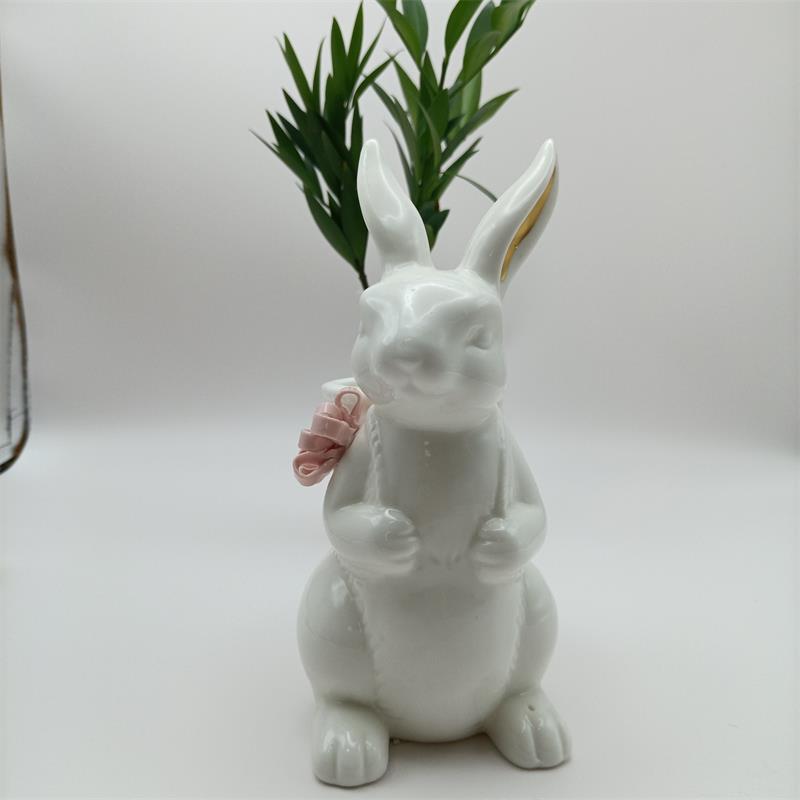
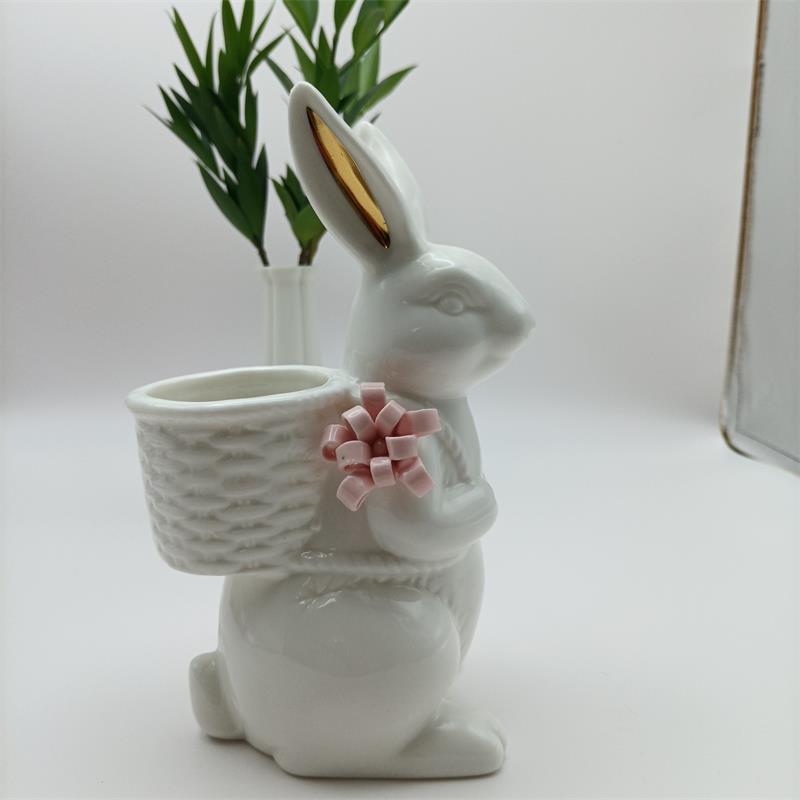
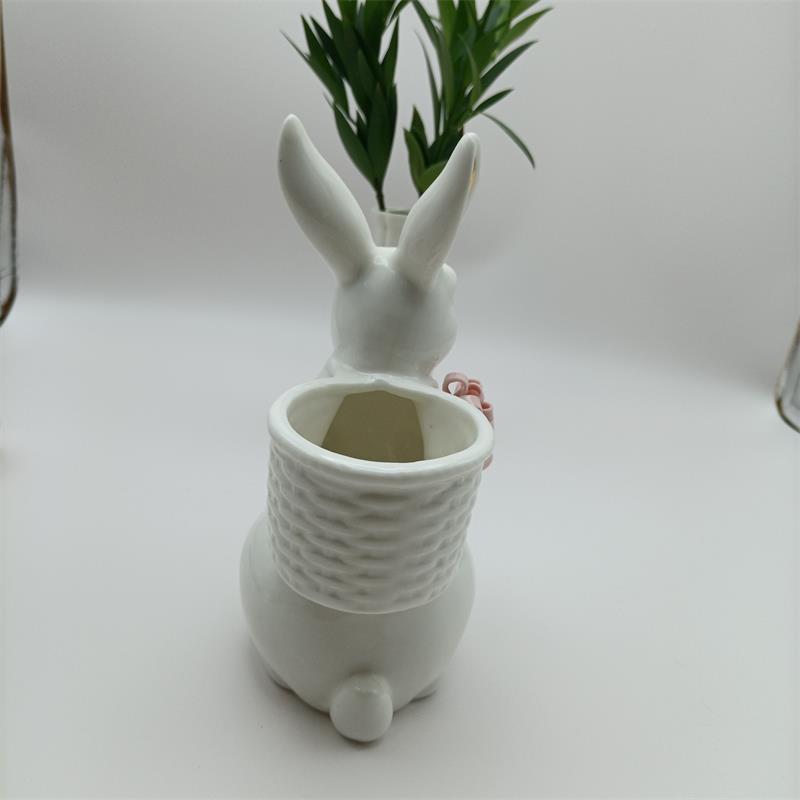
Ceramic Rabbit Planter | Cozy Home Gift & Keepsake
The Little Rabbit Who Carried Spring
Some things arrive in a house quietly. They don’t announce themselves. They simply find a corner, settle in, and before anyone notices, the whole room feels a little softer.
That is how the rabbit arrived.
It came wrapped in paper, tucked inside a box that had traveled across a few too many miles. When my grandmother opened it on a gray afternoon in late November, she didn’t say much at first. She just turned it slowly in her hands. A small ceramic rabbit, its ears tipped forward, its paws wrapped around a round planter like it had been walking a long way and finally found a place to rest.
“well,” she said at last, “look at you.”
The rabbit was not a grand thing. It was maybe six inches tall, light enough to lift with two fingers, glazed in a soft, warm finish that caught the window light. The planter it carried was small enough for a handful of soil, a few stems, or a cluster of tiny flowers. But that day, it held nothing at all. It just sat on the kitchen table, patient and quiet, while the rain tapped the glass.
My grandmother had a way of giving things a job. The next morning, the rabbit moved to the windowsill above the sink. She filled its little planter with a sprig of rosemary from the garden, the kind that smells like memory when you brush past it. And there the rabbit stayed, holding its small green thing, watching the seasons change.
It became a small fixture of her days. When she made tea, the rabbit was there. When she watered the rosemary, she’d murmur something to it, the way people talk to plants and sometimes to things that feel like company. When my cousins came over, they’d lift the rabbit down and turn it over, inspecting the smooth ceramic bottom, the careful curve of its ears. “Can I hold it?” they’d ask, and the answer was always yes, carefully.
The rabbit was not fragile in the way people fear. It was ceramic, yes, but it was made to be held. The planter was deep enough to keep a small plant happy, with a smooth interior that wiped clean in seconds. The base was flat and steady, so it never wobbled on the sill. It weighed almost nothing, which meant it could move from room to room without effort—windowsill to desk to dining table, wherever the light was best.
In spring, my grandmother filled the planter with tiny white flowers. In summer, it held cuttings from her basil. In autumn, it sat empty for a week, and she said the rabbit looked like it was resting. In winter, she tucked a few pine sprigs into it and set it beside a candle, and the whole kitchen smelled like a small celebration.
People noticed it. Visitors would pick it up and ask where it came from. “It’s a rabbit with a planter,” my grandmother would say, as if that explained everything. And somehow it did. It was a planter, but it was also a little dish by the door for keys. It was a holder for pens on the desk when my uncle worked from home. It was a candy bowl during the holidays, filled with peppermints wrapped in red and white. Once, it held a birthday candle and a single match, waiting for the cake.
It was, in the truest sense, a small thing that did many things.
When my grandmother passed, the rabbit came to me. I didn’t unwrap it right away. I let it sit in its box on the shelf for a month, because some things are easier to hold when you’re ready. When I finally lifted it out, the glaze was still warm in the light. The rosemary was long gone, but the planter still smelled faintly of soil and old summers.
I put it on my own windowsill. For a while it held nothing. Then I added a small succulent, the kind that forgives you for forgetting. The rabbit sat there, ears forward, paws around its little pot, and the room felt a little softer.
My daughter was three then. She liked to stand on a chair and touch the rabbit’s nose. “He’s carrying a flower,” she said. “He’s carrying spring.” And I thought, yes, that’s exactly it. That’s what my grandmother had seen in it, too. Not just a planter. Not just a ceramic figure. A small creature carrying a little bit of spring from one day to the next, from one person to another.
The rabbit has held many things since. It has held pens and pencils. It has held candy for Halloween. It has held a tiny cactus, a sprig of lavender, and once, a single feather my daughter found in the yard. It has been a gift, a keepsake, a small piece of home. It has sat on desks and shelves and kitchen tables, always steady, always quiet, always ready to hold whatever the day brings.
If you are looking for a gift for someone who loves their home, or for someone who needs a small, gentle thing to hold onto, this rabbit is a good place to start. It doesn’t ask for much. A little soil, a little water, a few small treasures. In return, it carries a bit of spring into the room, and it keeps it there.
Some things arrive in a house quietly. They find a corner. They settle in. And before anyone notices, the whole room feels a little softer.
Leave Your Message
Related PRODUCTS
-
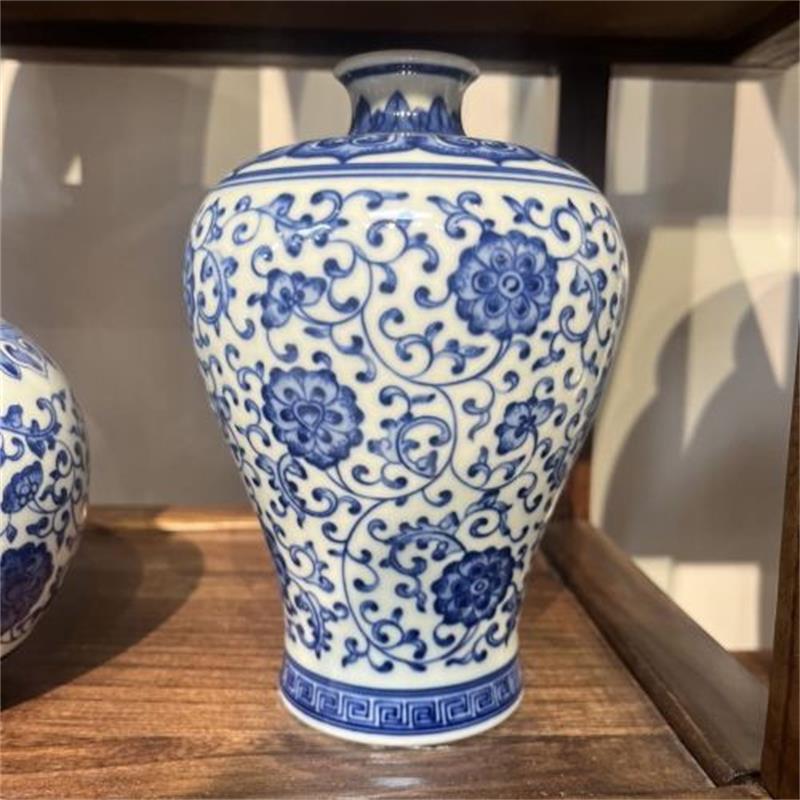
Hand-Painted Ceramic Plum Lotus Vase | Artisanal Decor
-
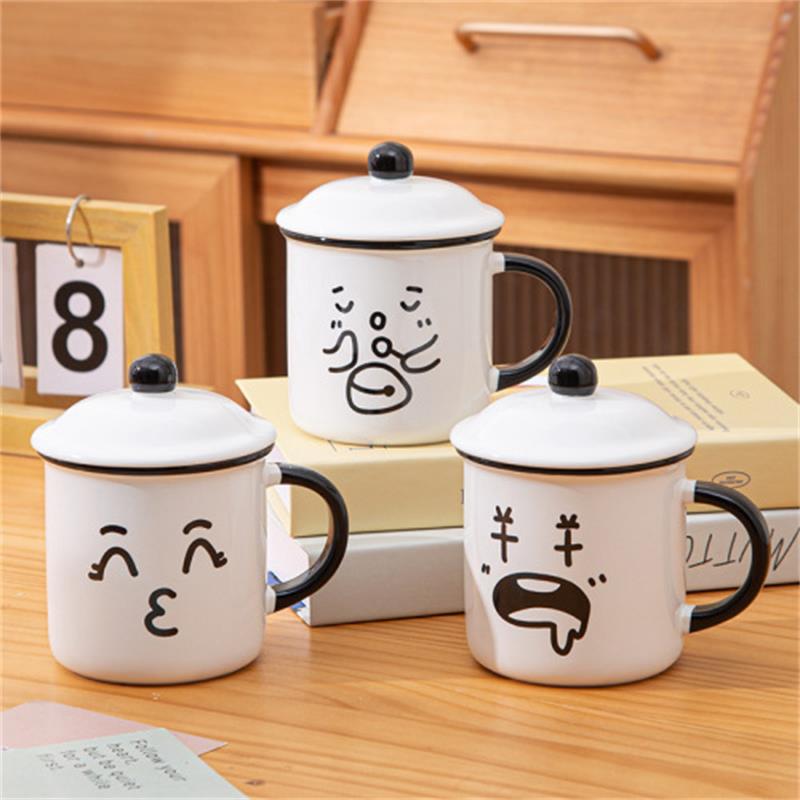
Quirky Ceramic Mug with Lid | Fun Unique Gift & Desk Decor
-
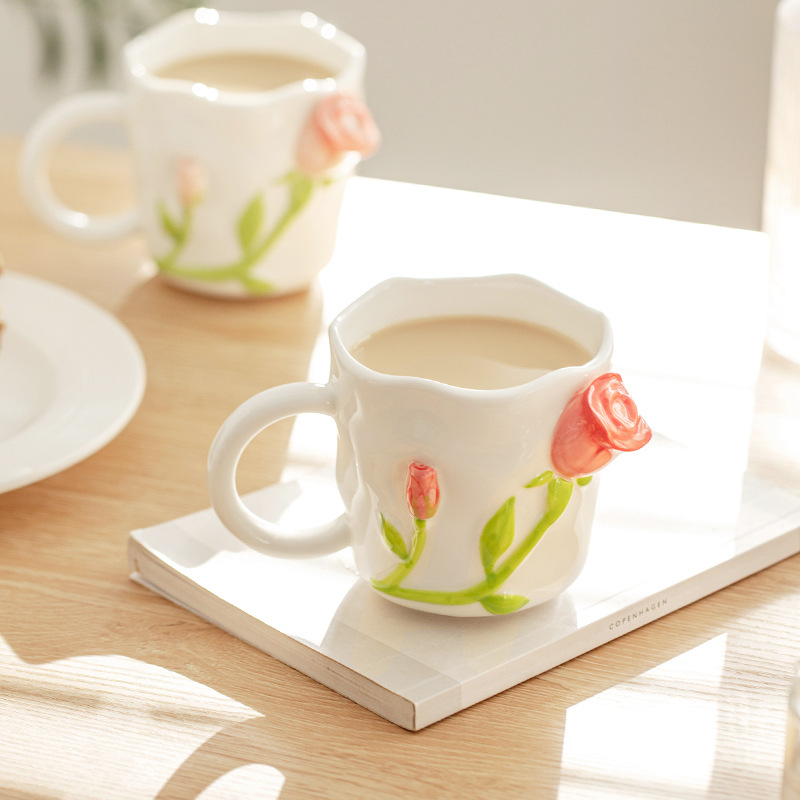
Handcrafted Rose Relief Ceramic Mug | Gift & Home Decor
-
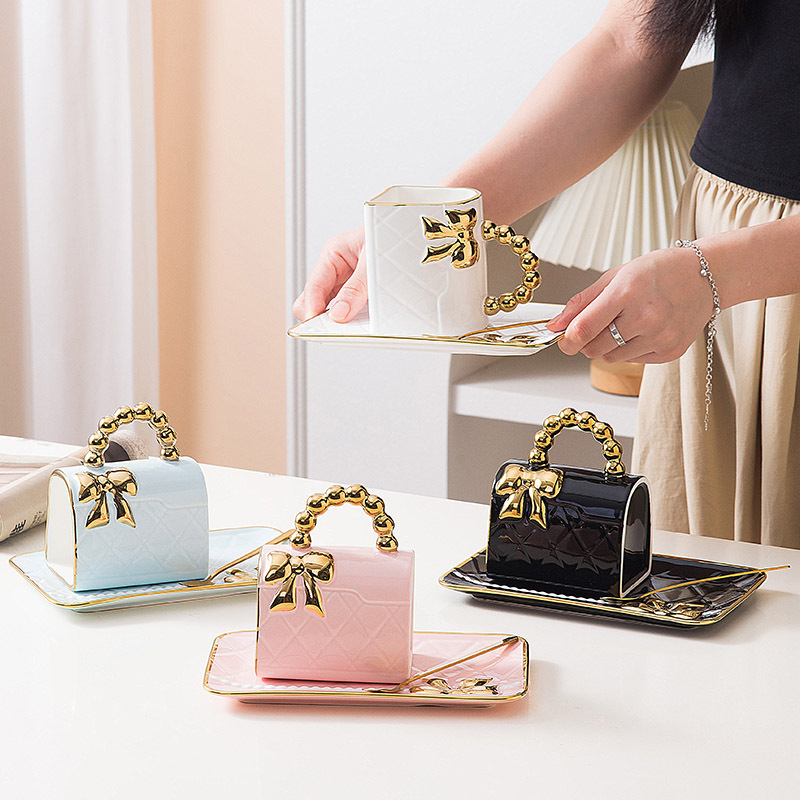
Handcrafted Ceramic Bow Bag Mug | Cozy Home Decor Gift
-
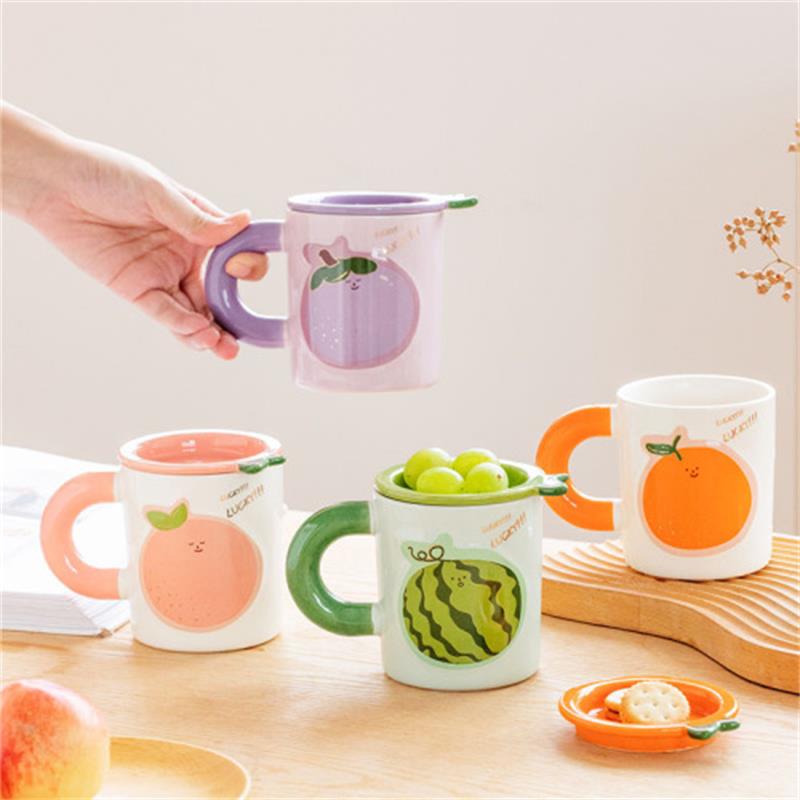
Fruit-Patterned Ceramic Mug | Handcrafted Cozy Home Decor
-
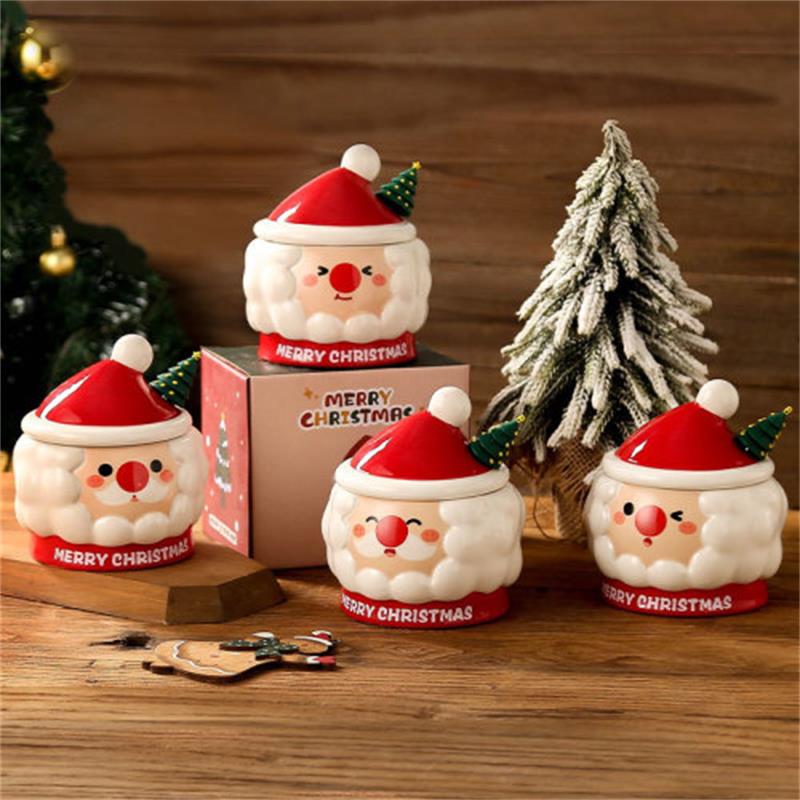
Handcrafted Santa Ceramic Mug | Cozy Home Decor & Gift