
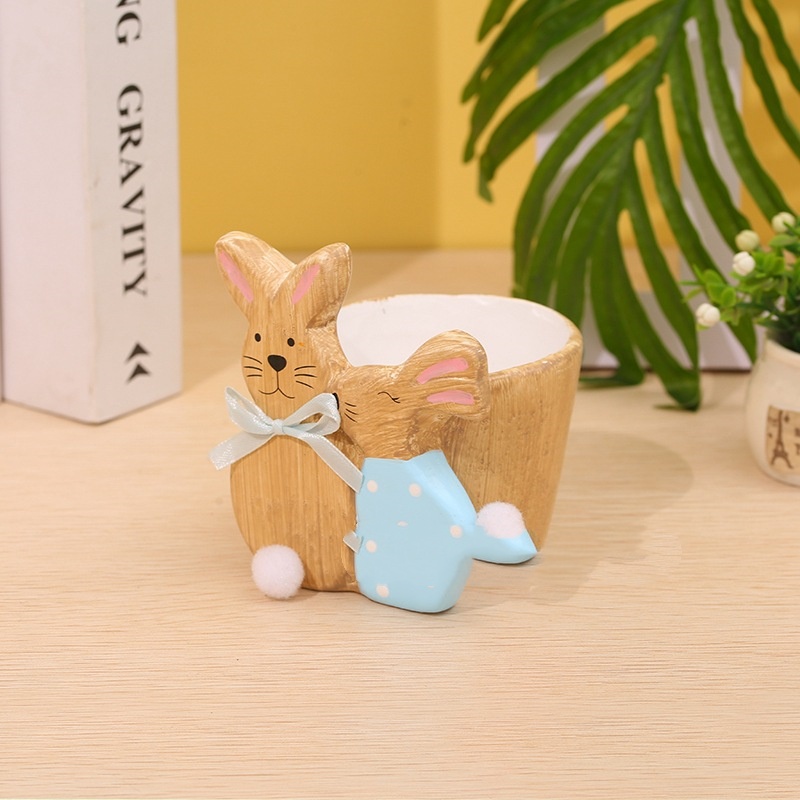
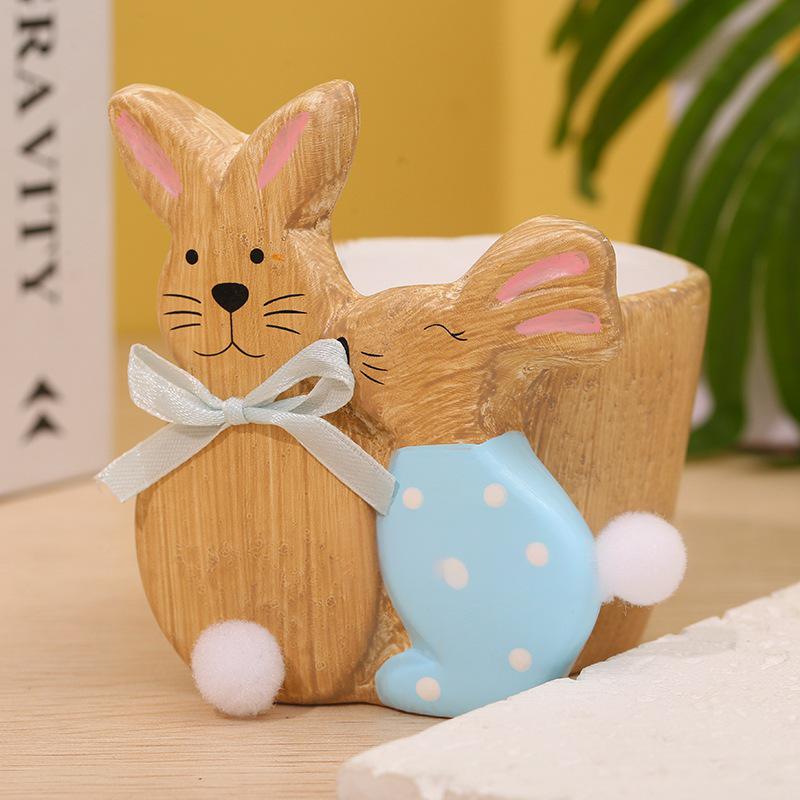
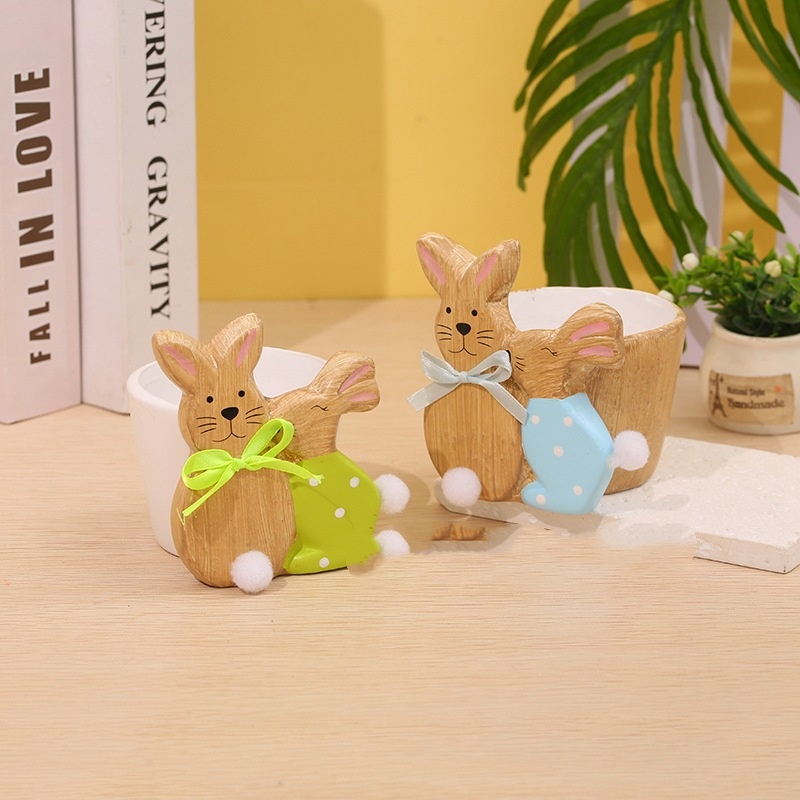
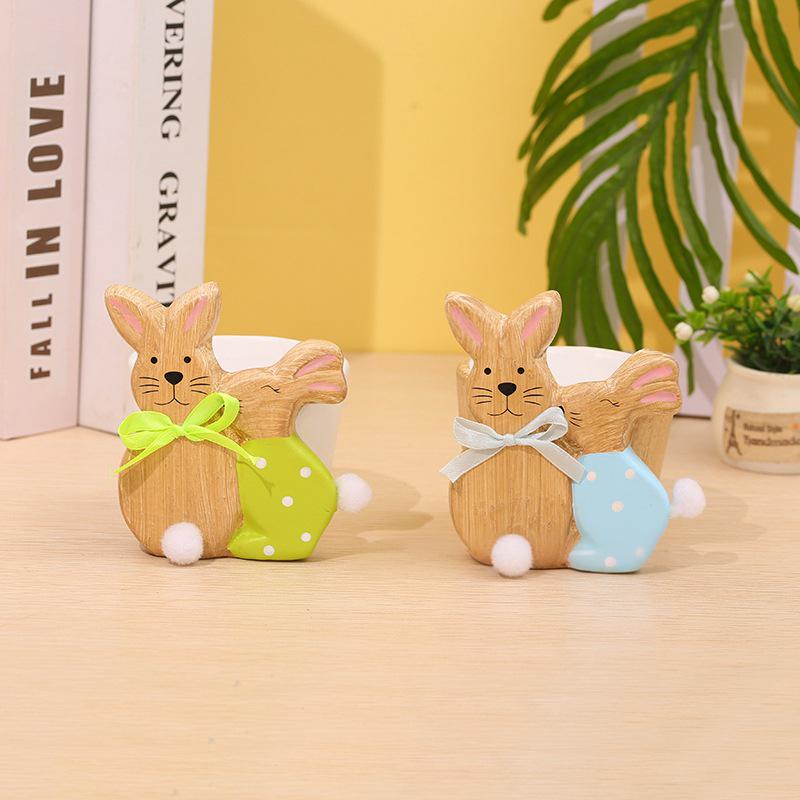
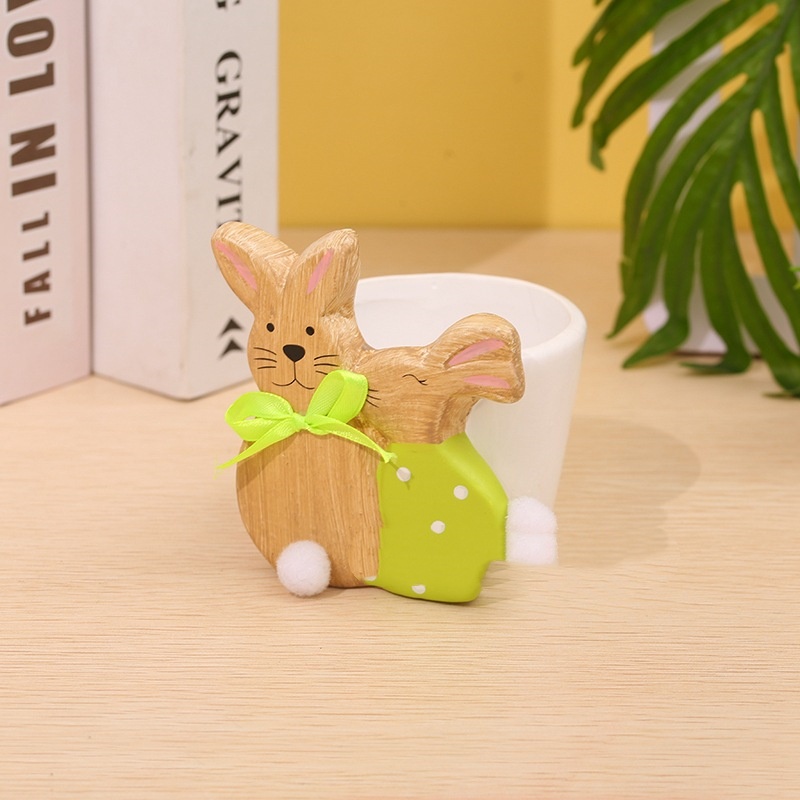
Ceramic Rabbit Hug Trinket Dish | Handcrafted Home Accent
Some ideas arrive quietly, the way a rabbit appears at the edge of a garden at dusk — not with a grand entrance, but with a gentle presence you somehow feel before you see. The first sketch of this piece began with a simple question: what if a small creature could hold something precious? Not clutch it, not guard it, but hug it — the way you’d hold a warm cup on a cold morning, or the way a child carries a found treasure in both hands. That question became a rabbit, and the rabbit became a bowl, and the bowl became the kind of object that seems to have always belonged on a shelf, waiting for you to notice it.
The story of this ceramic rabbit is a story about holding on, softly. Imagine a rabbit who wandered into a garden one evening and found, nestled between the stones, a tiny pool of rainwater reflecting the last light of the sky. The rabbit didn’t drink from it. Didn’t disturb it. Just wrapped its paws around the little pool and sat with it, keeping it still, keeping it safe, as if the whole day’s warmth was gathered in that one small circle of water. That’s the posture you see in this piece — arms curved around a shallow bowl, ears tilted forward, eyes calm. It’s not a dramatic pose. It’s a quiet one. And quiet poses, somehow, are the ones that stay with us longest.
Crafted from ceramic and finished by hand, each rabbit carries the small variations that come with clay shaped by human fingers. The glaze settles differently on every curve — a little deeper along the ears, a little lighter where the light catches the rim of the bowl. You’ll notice it most in the two colorways. The blue version has the soft depth of a morning sky just before the sun clears the roof line, a blue that shifts between slate and periwinkle depending on where you place it. The green carries the muted warmth of moss on a garden wall, closer to sage than to emerald, the kind of green that makes a room feel lived-in rather than styled. Both are glazed to a gentle sheen, not glossy enough to look fragile, not matte enough to disappear. Run your thumb along the bowl’s interior and you’ll feel the smooth, cool finish of fired clay — the same material that has held flowers and candy and keys and hope on kitchen tables for generations.
As for size, this is a piece that understands its place. It’s compact enough to sit on a windowsill without crowding the light, substantial enough to feel present when you lift it. The bowl is deep enough to hold small treasures — a few sprigs of dried lavender, a handful of wrapped candies, the pens you reach for while paying bills, the rings you take off before washing dishes. Some people use it as a planter for a small succulent, and the rabbit seems particularly content in that role, hugging its little green world the way it hugged that rainwater pool. Others keep it by the front door for keys, or on a nightstand for earrings, or on a desk for paper clips and the quiet satisfaction of an object that is both useful and lovely. The weight is reassuring without being heavy — the kind of weight that tells you this was made to last, not to be replaced next season.
What makes a piece like this matter, though, isn’t the clay or the glaze. It’s the way it enters a life. I’ve seen it given as a housewarming gift, tucked into a basket with a candle and a bag of good coffee, the rabbit’s calm face peeking out from the tissue paper. I’ve seen it given to a friend who moved into her first apartment alone, a small companion for the kitchen counter. I’ve seen it given to a grandmother who keeps it on the shelf beside photographs of grandchildren who live too far away, and the rabbit’s patient hug seems to say what she doesn’t always say out loud: I’m holding all of you close. For collectors, it earns its place among the other small sculptures on the display shelf, a reminder that not every piece needs to be grand to be meaningful. And for families, it becomes one of those objects that migrates — from the living room to the nursery to the desk of a kid heading off to college — because nobody can quite agree to leave it behind.
There’s a particular kind of light that finds this rabbit in the late afternoon. If it sits on a shelf near a window, the sun will catch the curve of its back and throw a soft shadow against the wall, and the bowl will hold a little pool of light the way it once held rainwater. In the evening, under a lamp, the glaze warms and the rabbit seems to settle into itself, content. This is the sort of home accent that doesn’t demand attention but rewards it — the kind of decorative table sculpture you notice anew every few weeks, each time with a small, quiet pleasure. Place it among books and it looks like a reader. Place it among plants and it looks like a gardener. Place it alone on a bare shelf and it looks like a small guardian of the room’s calm.
The rabbit’s story doesn’t end when it arrives at your door. It continues in the candy dish that becomes a tradition every holiday, in the pen cup that holds the pen you use to write birthday cards, in the little planter that greets you each morning with a new leaf. It continues in the gift you give someone who needs a reminder that softness is a strength, that holding things gently is its own kind of courage. A ceramic rabbit, after all, is a simple thing. But simple things, chosen with care, have a way of becoming the objects we’d rescue first if the house ever had to be emptied. This one is already waiting — calm, glazed, arms open — for the small precious things you’ll trust it to hold.
Leave Your Message
Related PRODUCTS
-
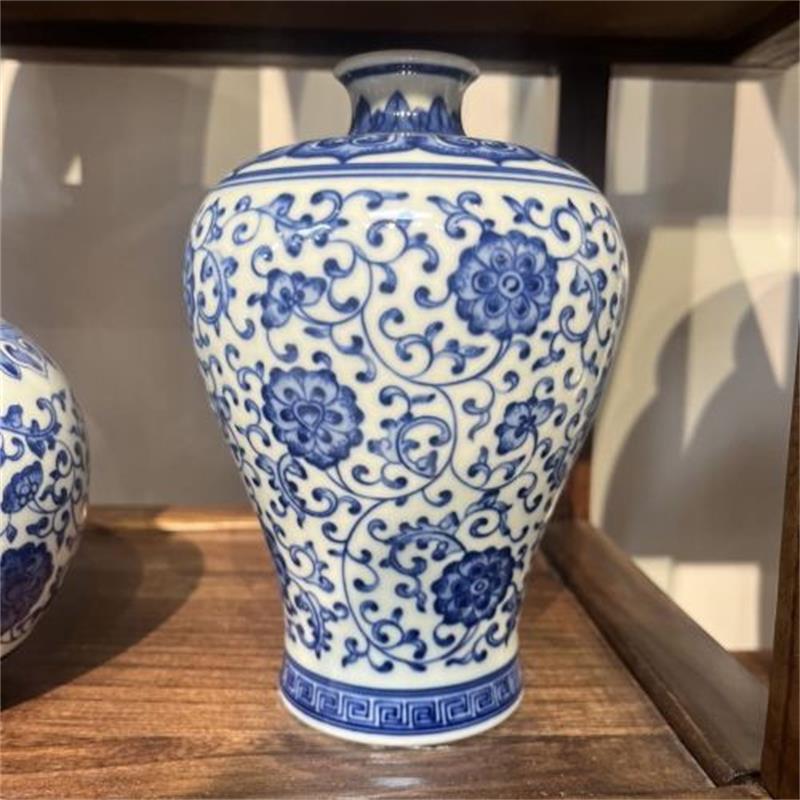
Hand-Painted Ceramic Plum Lotus Vase | Artisanal Decor
-
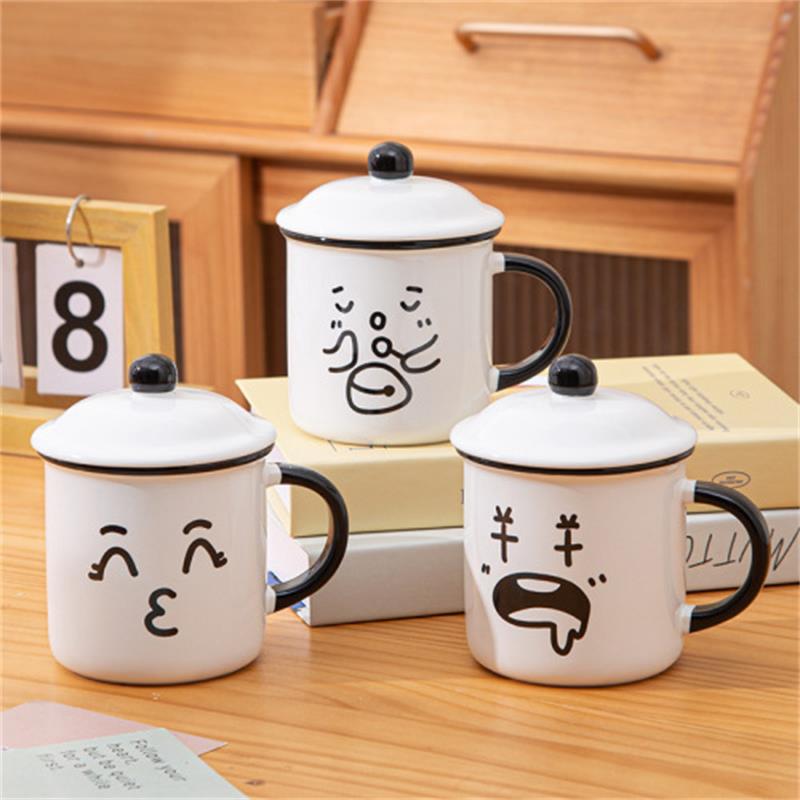
Quirky Ceramic Mug with Lid | Fun Unique Gift & Desk Decor
-
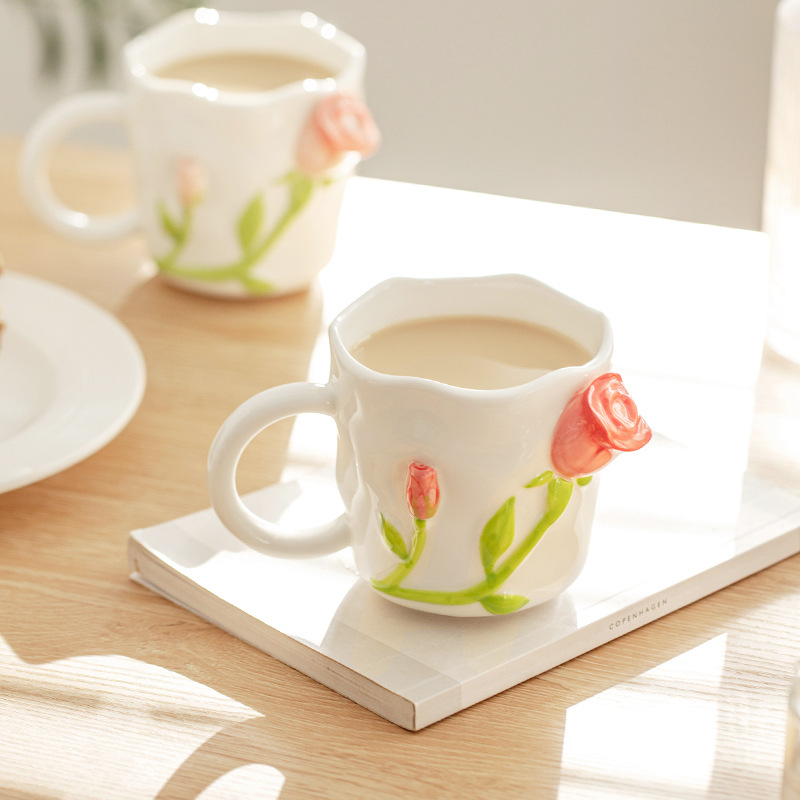
Handcrafted Rose Relief Ceramic Mug | Gift & Home Decor
-
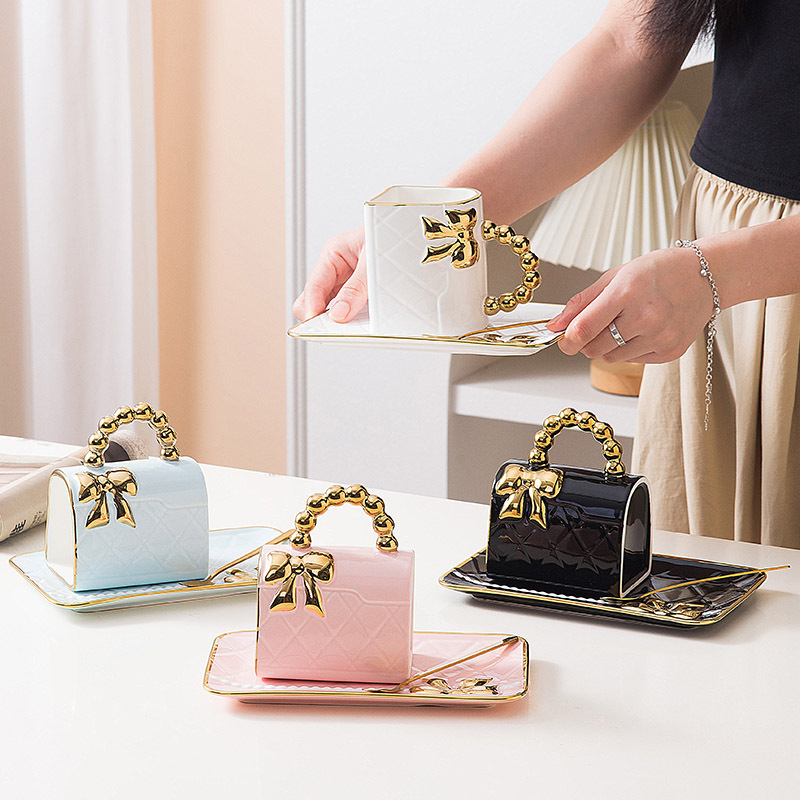
Handcrafted Ceramic Bow Bag Mug | Cozy Home Decor Gift
-
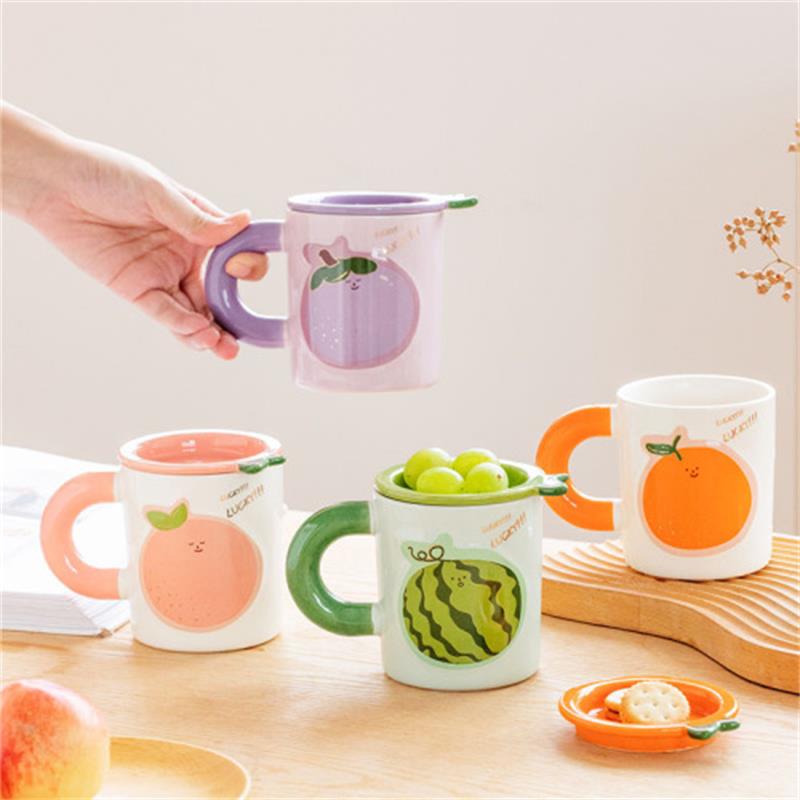
Fruit-Patterned Ceramic Mug | Handcrafted Cozy Home Decor
-
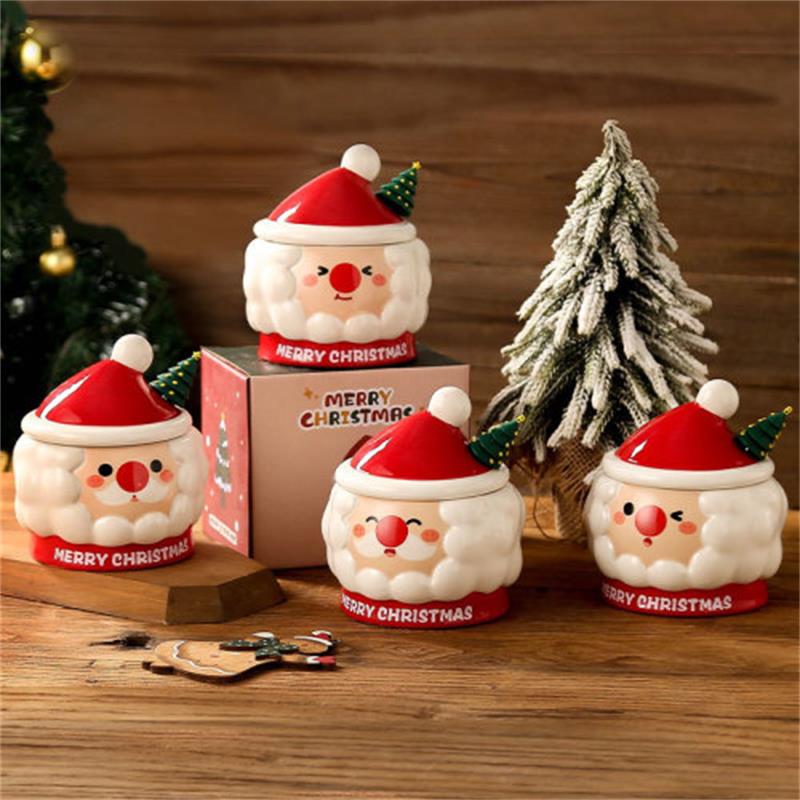
Handcrafted Santa Ceramic Mug | Cozy Home Decor & Gift