
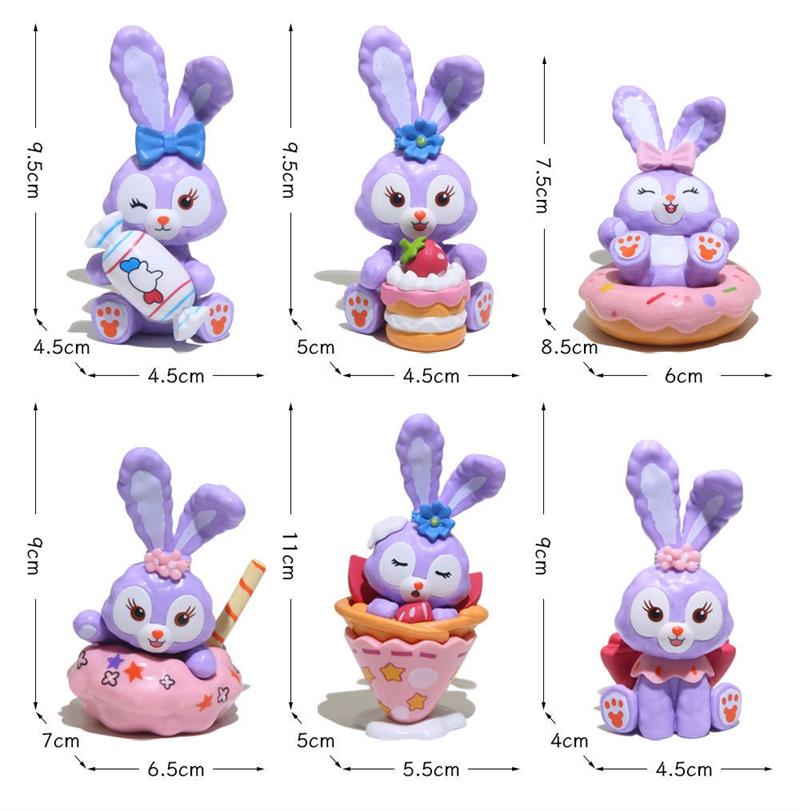
Ceramic Figurine Gift for Home & Family Memories
The Little Ceramic Figurine That Found Its Way Home
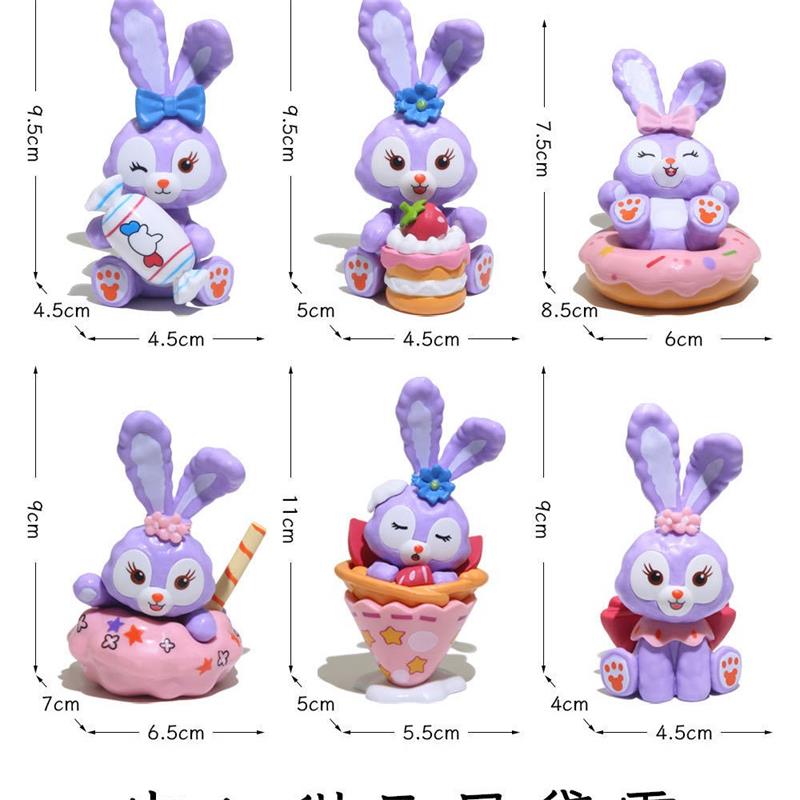
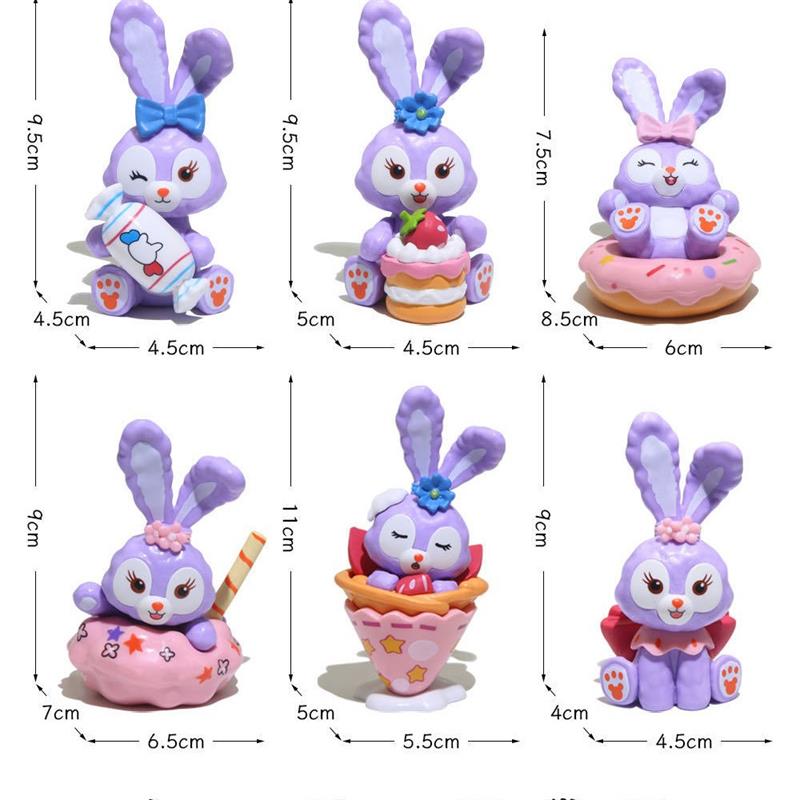
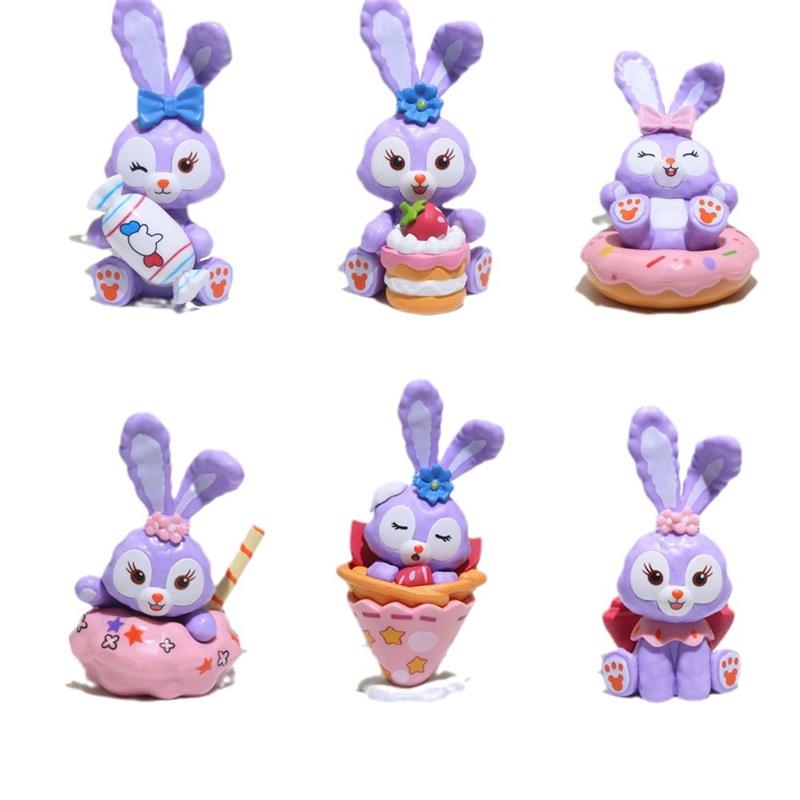
Some objects arrive in our lives quietly. They do not announce themselves with grand purpose. They simply appear on a shelf, a windowsill, or a bedside table, and before long, we cannot imagine the room without them. That is how it happened with the little ceramic figurine — a StarDale model, glazed in soft, gentle colors, small enough to hold in one hand, yet somehow large enough to hold a whole feeling inside it.
It began as a gift.
Maya had spent three weeks looking for something for her mother’s birthday. Not just anything. Something that said what she could never quite put into words. Her mother had recently moved into a smaller apartment after decades in the family house, and the new place, though bright and tidy, still felt like a stranger. The shelves were mostly bare. The corners were quiet. Maya wanted to leave something behind after her visit — a small anchor for the new space.
She found the figurine in a little shop that smelled of cedar and old paper. It stood on a low shelf, almost hidden behind a stack of books. A small ceramic figure with a calm expression and delicate details, painted by hand, glazed to a soft shine. The shopkeeper said each one was fired in a small kiln and finished by hand, so no two were exactly alike. Maya liked that. Her mother was not exactly like anyone else either.
She wrapped it in tissue paper and carried it on the plane in her carry-on bag, afraid to let it out of her sight.
Her mother opened the box slowly, the way she did everything now — carefully, as if small moments deserved attention. When she lifted the figurine out, she did not say much. She turned it over in her hands, ran a thumb along the smooth ceramic curve, and then placed it on the kitchen windowsill where the afternoon light could reach it.
“It looks like it’s watching over the room,” she said.
Maya laughed. “It’s a figurine, Mom. It’s not a security guard.”
Her mother smiled. “You know what I mean.”
And Maya did know. There was something about the little ceramic piece — its weight, its stillness, its quiet presence — that made the apartment feel less empty. It was not just decor. It was a reminder that someone had thought of her. Someone had carried this small, breakable thing across the country just to see her smile.
The figurine stayed on the windowsill through spring and summer. It watched the leaves change in autumn and caught the pale winter light in December. When Maya visited for the holidays, she noticed it had been moved to the living room shelf, then to the entryway table, then back to the kitchen. Her mother kept finding new places for it, as if it were a small companion that belonged everywhere.
“It’s the only thing in this apartment that doesn’t feel like it’s trying too hard,” her mother said one evening, stirring tea. “It just sits there and makes the room feel… settled.”
Maya understood then that the gift had done more than decorate a room. It had given her mother permission to make the new apartment her own. It had become a small ritual — a thing to move, to dust, to notice. A tiny ceramic anchor in a sea of change.
The figurine became something else, too. A conversation starter. When friends visited, they asked about it. When her mother’s neighbor stopped by with a plate of cookies, she picked it up gently and said, “This is lovely. Where did you get it?” And her mother would tell the story — the little shop, the tissue paper, the carry-on bag — and the story became part of the object, layered onto the glaze like another coat of shine.
For Maya, the figurine became a lesson in what gifts can do. Not just the obvious things — the birthdays, the holidays, the wrapped boxes. But the quiet, lasting things. A gift that becomes part of a daily routine. A gift that says, I see you. I know this is hard. I am here, even when I am far away.
She started looking at her own home differently after that. The bare shelf in her hallway. The empty corner by her reading chair. She realized that her space, too, could use a small anchor. Something that was not practical, not useful, not another item on a to-do list. Something that simply existed to make the room feel more like home.
She ordered a second figurine — the same StarDale model, but in a different glaze, a deeper color that reminded her of the ocean at dusk. It arrived in a box packed with care, wrapped in paper, snug in foam. She unwrapped it slowly, the way her mother had, and placed it on her hallway shelf. It looked small there at first. Almost lost. But by the end of the week, she could not imagine the shelf without it.
Her mother called a few days later. “Did you get one for yourself?”
“I did.”
“Good,” her mother said. “Everyone needs a little something that just sits there and makes the room feel settled.”
The figurine is not a grand object. It is small, ceramic, hand-finished, and quiet. It does not promise to change your life or solve your problems. It simply arrives, finds a spot, and stays. It becomes part of the room. Part of the routine. Part of the story.
For families, it is a gift that says what we cannot always say out loud. For collectors, it is a small treasure with its own character and charm. For anyone making a new space feel like home, it is a gentle companion. And for those who keep memories close, it is a keepsake that holds more than its own weight.
The little ceramic figurine found its way home. Maybe it will find its way to yours, too.
Leave Your Message
Related PRODUCTS
-
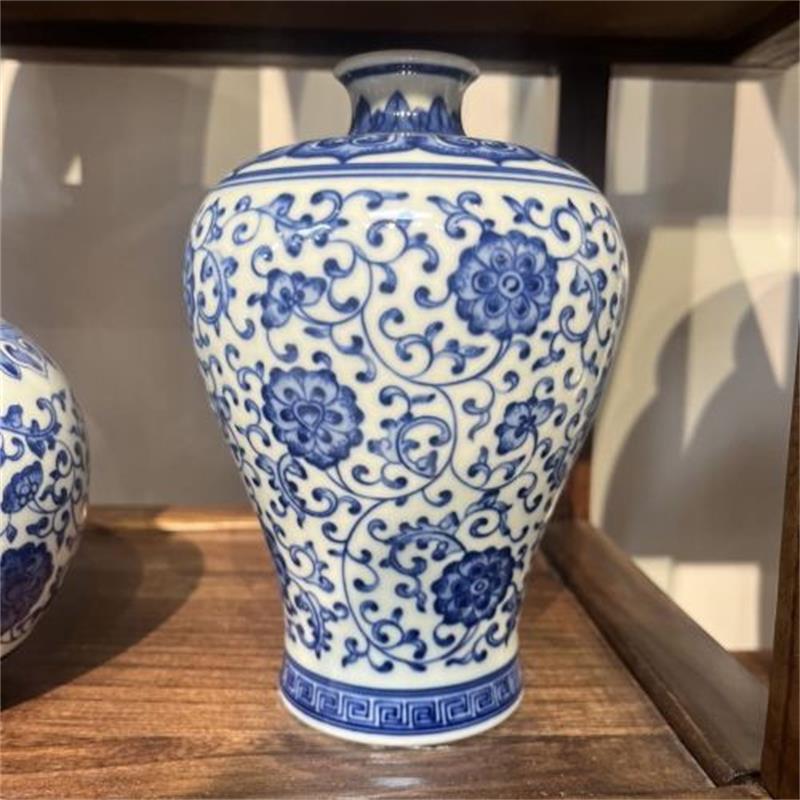
Hand-Painted Ceramic Plum Lotus Vase | Artisanal Decor
-
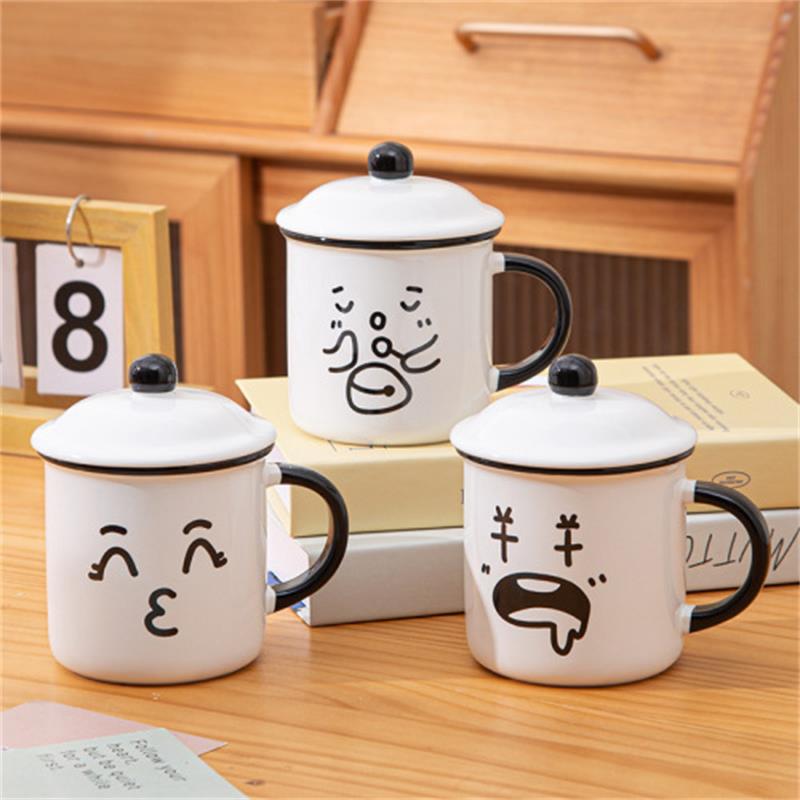
Quirky Ceramic Mug with Lid | Fun Unique Gift & Desk Decor
-
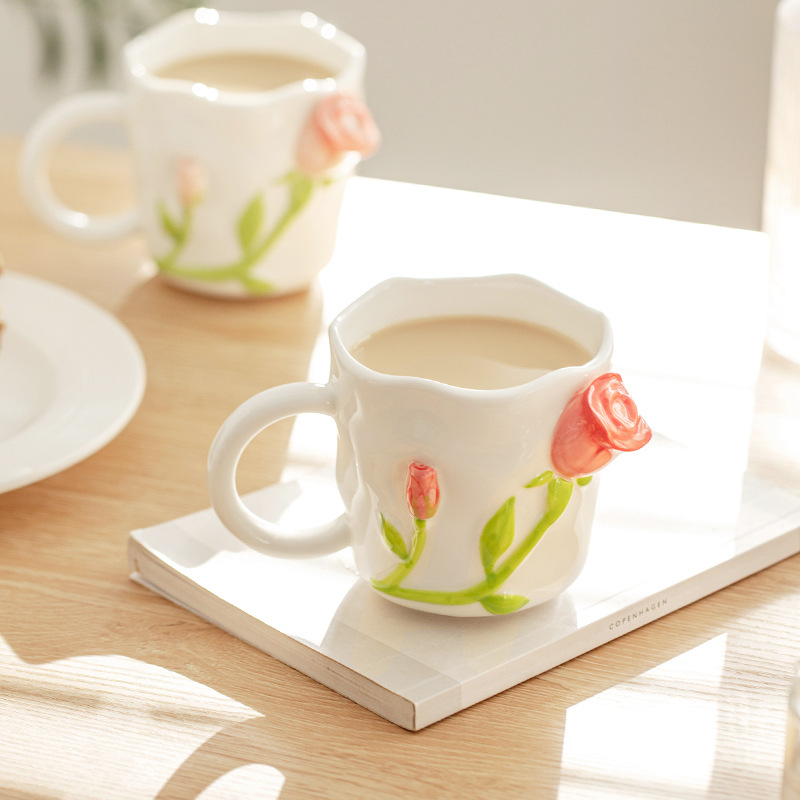
Handcrafted Rose Relief Ceramic Mug | Gift & Home Decor
-
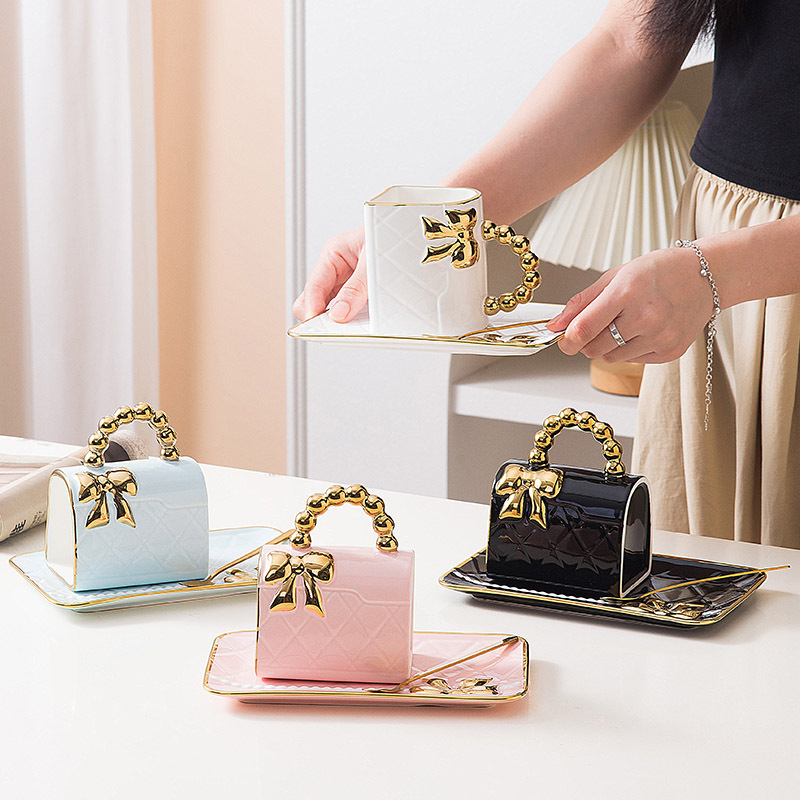
Handcrafted Ceramic Bow Bag Mug | Cozy Home Decor Gift
-
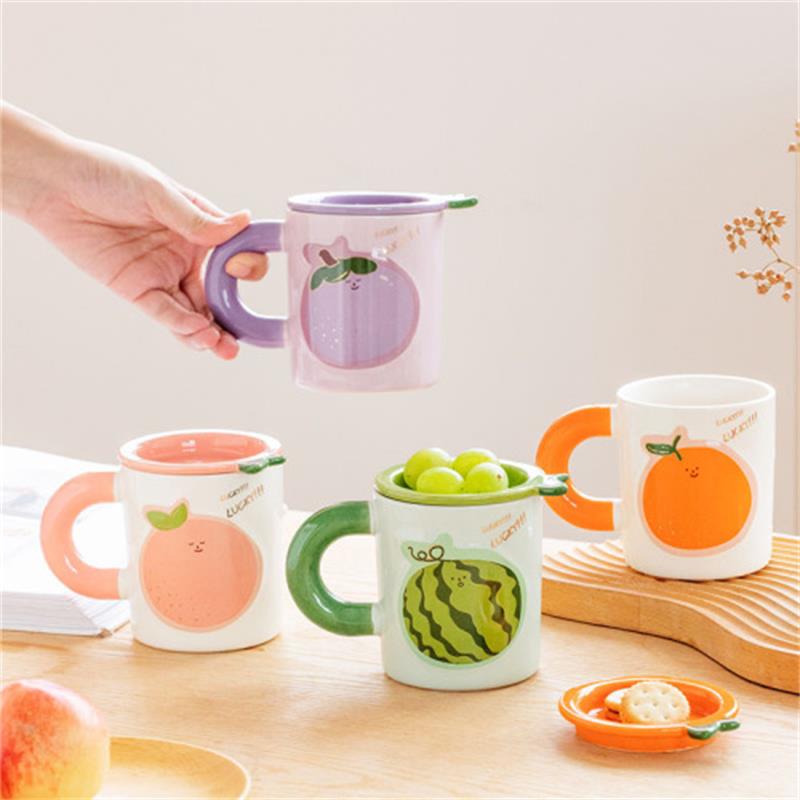
Fruit-Patterned Ceramic Mug | Handcrafted Cozy Home Decor
-
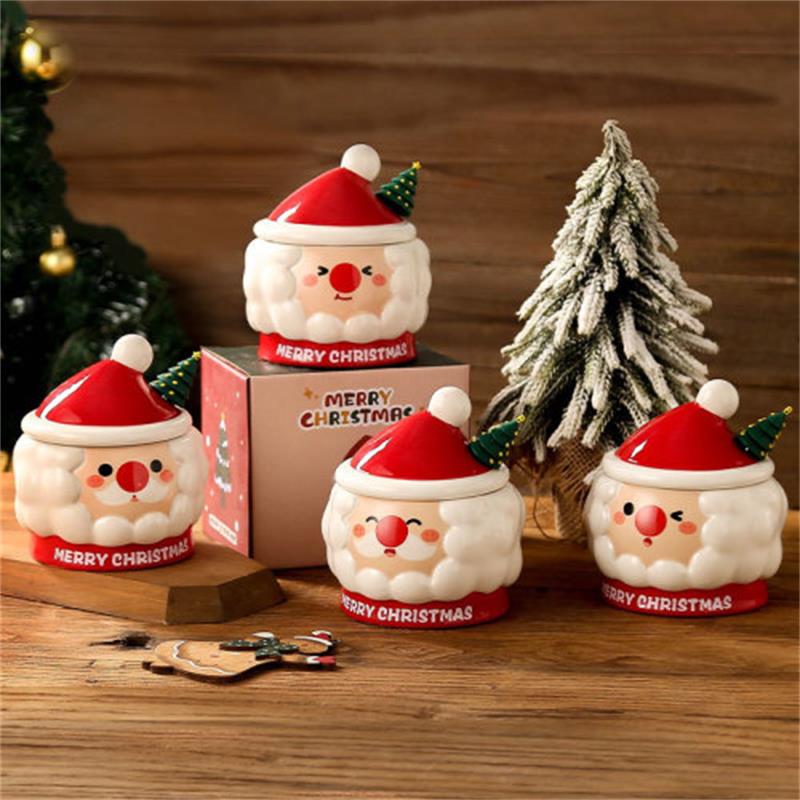
Handcrafted Santa Ceramic Mug | Cozy Home Decor & Gift