
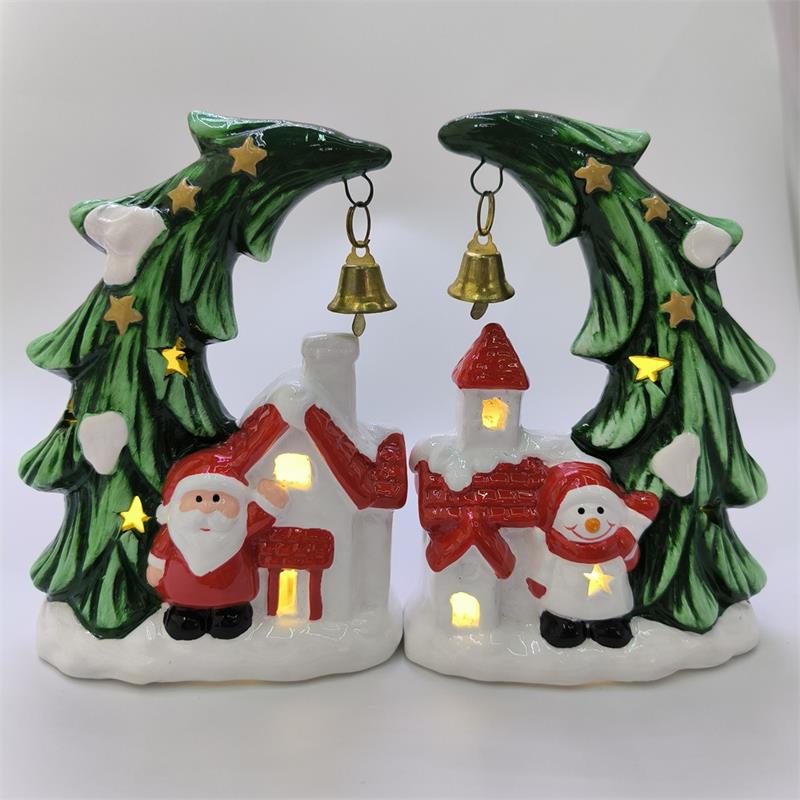
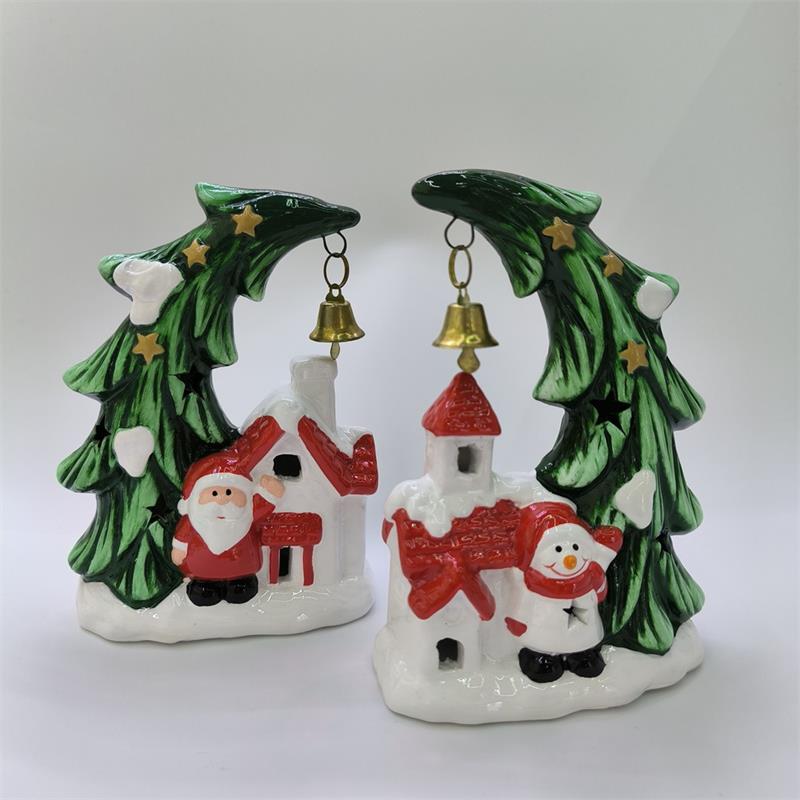
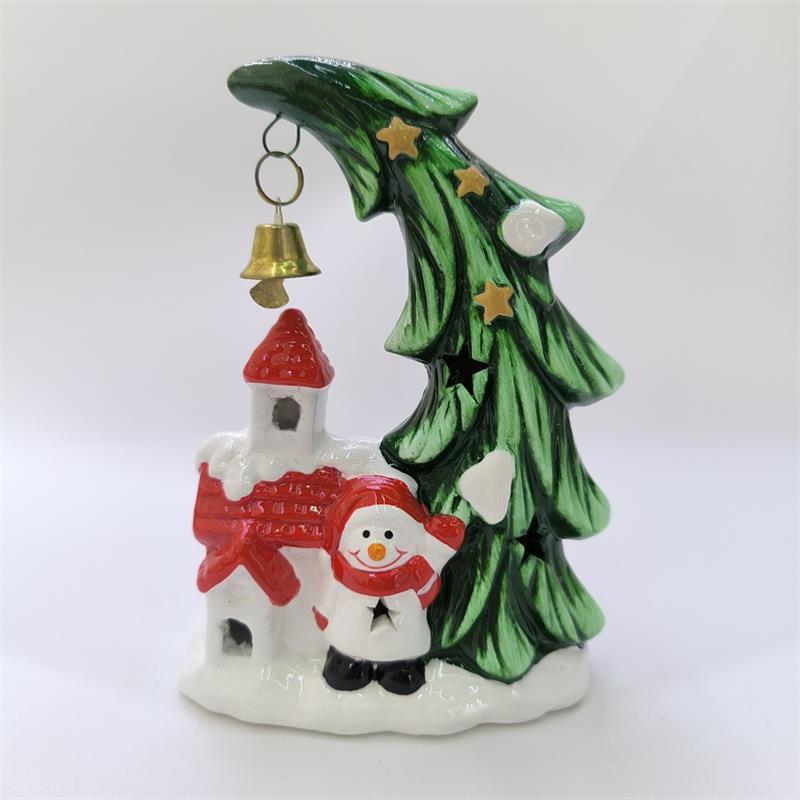
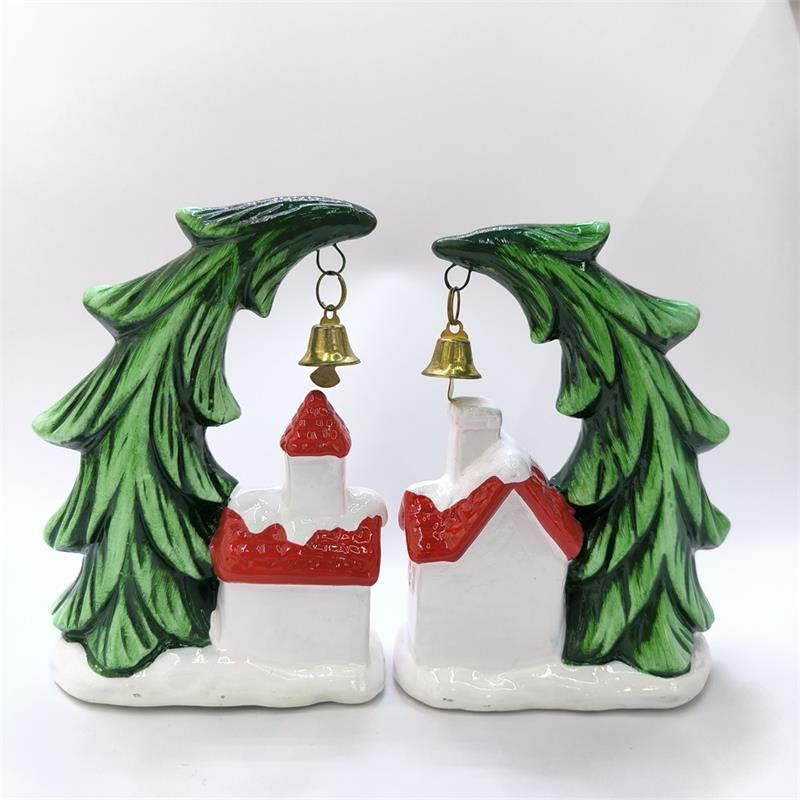
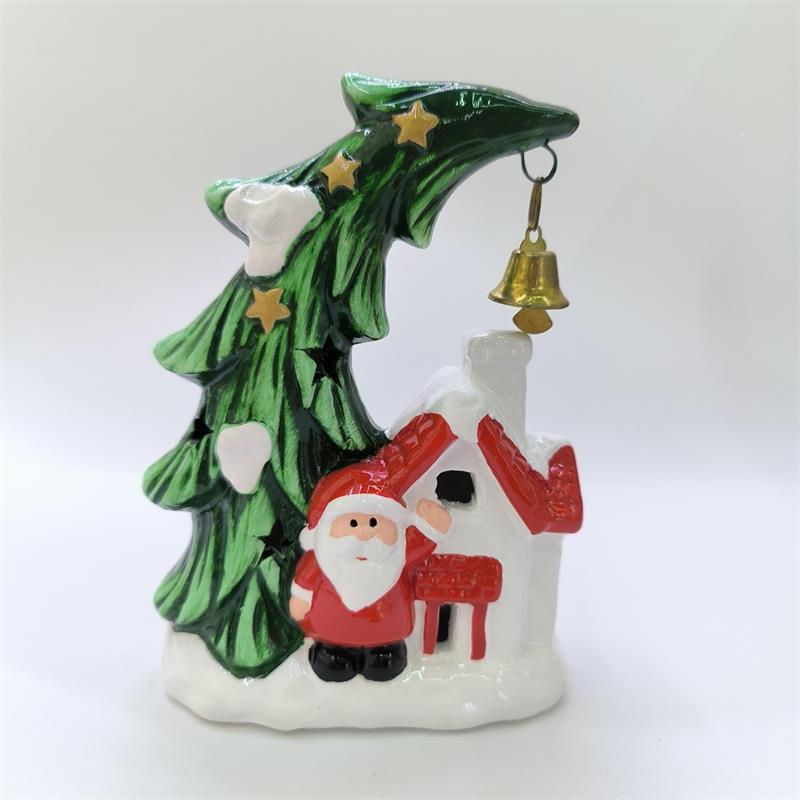
Ceramic Christmas Tree Figurine – Heartwarming Holiday Decor
Every year, when the first cold snap rolls through the neighborhood and the light turns that soft, silvery gray, Ellen pulls one small box from the back of the hall closet. It is not the big box of ornaments. It is not the tangled string of lights. It is a small, square box, and inside it, wrapped in tissue that has gone soft from years of folding, sits a little ceramic Christmas tree.
She does not remember exactly when it became a ritual. Somewhere between the years of school concerts and late-night cookie baking and the quiet stretch after the kids moved out, the tiny tree found its place on the corner of the entry table. It is not the tallest decoration in the house. It is not the brightest. But it is the one the family reaches for first. Her husband sets his keys beside it. Her daughter, home for the holidays, moves it half an inch to the left and then half an inch back, the way she has done since she was nine. The little tree stays put, patient and calm, a small green presence in a season that tends to run loud.
That is the strange gift of a simple object. It does not ask for attention. It simply waits, season after season, holding a piece of the story.
The tree is made of ceramic, and that matters more than it might seem at first glance. Ceramic has a weight to it, a cool, smooth finish that catches the light without shining too hard. Run your thumb along the tiered branches and you feel the gentle ridges, the soft glaze, the slight variation that tells you a human hand shaped it before the kiln did its quiet work. It stands just over five inches tall, a little under four inches wide, and roughly twelve and a half centimeters in height, small enough to tuck onto a crowded shelf but substantial enough to feel real in your palm. It weighs very little, but it holds its ground. It does not tip. It does not fade. It sits where you put it and quietly does its job.
Ellen has moved it around the house over the years. For a while it lived on the kitchen windowsill, catching the pale winter sun. One December it sat on the desk in the study, beside a stack of cards and a cup of tea that was always going cold. These days it lives on the entry table, where it greets everyone who comes through the door. It has become a small landmark. Guests comment on it. Children reach for it. It has been dusted, packed, unpacked, and placed again so many times that the tissue paper has memorized its shape.
What makes it a keepsake is not the material alone. It is the way a small piece of holiday decor can become a part of the rhythm of a home. A decorative table sculpture like this one does not compete with the tree in the living room or the wreath on the door. It works in the quiet spaces, the in-between places, the corners where life actually happens. It sits on a desk while you pay bills. It waits on a shelf while you wrap gifts. It stands on the entry table while you greet family you have not seen since last year. It is small, but it is present, and presence is what memory is built from.
That is also why it makes such an easy gift. Not everyone wants another scented candle. Not everyone has room for a larger ornament. But a small ceramic tree, wrapped simply and given with a note, fits almost anywhere. It suits a gift for a collector who loves handmade ornaments and decorative table sculptures. It suits a hostess who has everything except a little quiet charm for her shelf. It suits a grandparent, a coworker, a friend who just moved into a new apartment and is still figuring out where things go. It is the kind of gift that does not demand a reaction. It just settles in, and over time it becomes part of the room.
There is a particular pleasure in decorating a shelf with objects that mean something. Aesthetic shelf decor is not really about matching a color palette or following a trend. It is about arranging small things that carry a little weight of their own. The little ceramic tree earns its place because it does not try too hard. Its green glaze is deep and calm. Its shape is familiar but not cartoonish. Its size, compact enough for a bookshelf or a windowsill, makes it easy to live with. Put it beside a stack of books, a small framed photo, a bowl of pinecones, and it holds its own without shouting. That is the mark of a good home accent. It belongs.
For collectors, the appeal is even simpler. A handcrafted ornament like this one has a texture you can feel. The glaze is not flat. The branches are not perfectly uniform. There is a slight softness at the edges, a small imperfection here and there that reminds you it was made, not manufactured into blandness. Collectors know that the pieces that stay in a collection are the ones with character. This little tree has character. It is the kind of piece you keep on a shelf year-round, not just in December, because it carries a mood rather than a date.
Ellen has thought about passing it on someday. Not yet. But someday. She imagines her daughter unwrapping it years from now, holding it up to the light, and remembering exactly where it used to sit. That is what a keepsake gift really is. It is a small object that outlasts the moment it was given. It is a piece of decor that becomes a piece of history.
The little ceramic Christmas tree does not glow. It does not play music. It does not do anything except stand there, steady and quiet, holding the season in its glaze. And somehow, that is enough. It is enough because a home is made of small things placed with care. It is enough because the holidays are not really about the biggest tree in the room. They are about the corner table, the entryway, the shelf where a small green shape waits to greet you. It is enough because some objects are not decoration at all. They are memory, made solid, waiting to be placed.
Leave Your Message
Related PRODUCTS
-
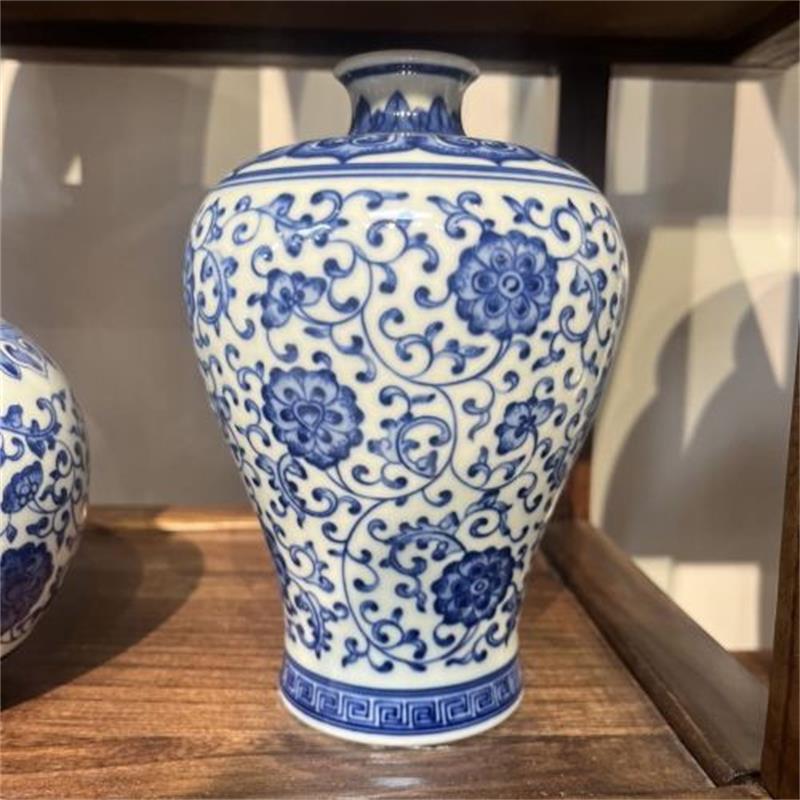
Hand-Painted Ceramic Plum Lotus Vase | Artisanal Decor
-
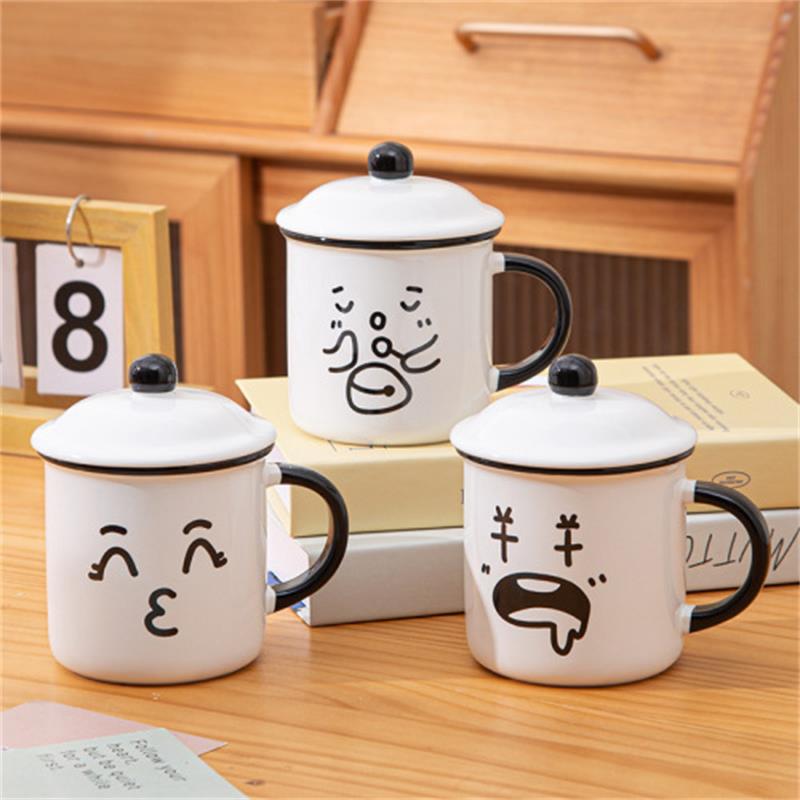
Quirky Ceramic Mug with Lid | Fun Unique Gift & Desk Decor
-
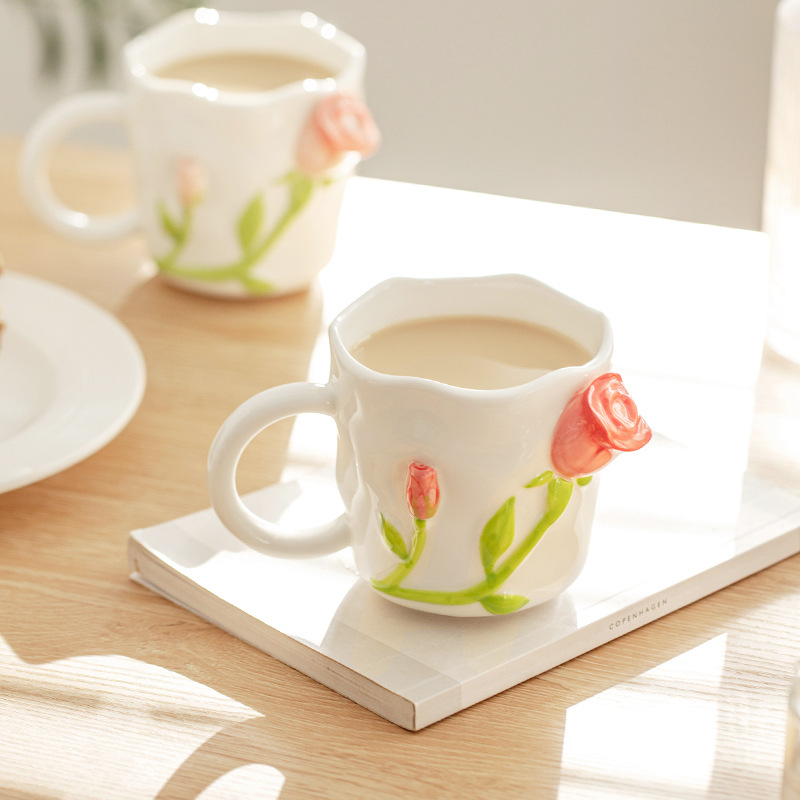
Handcrafted Rose Relief Ceramic Mug | Gift & Home Decor
-
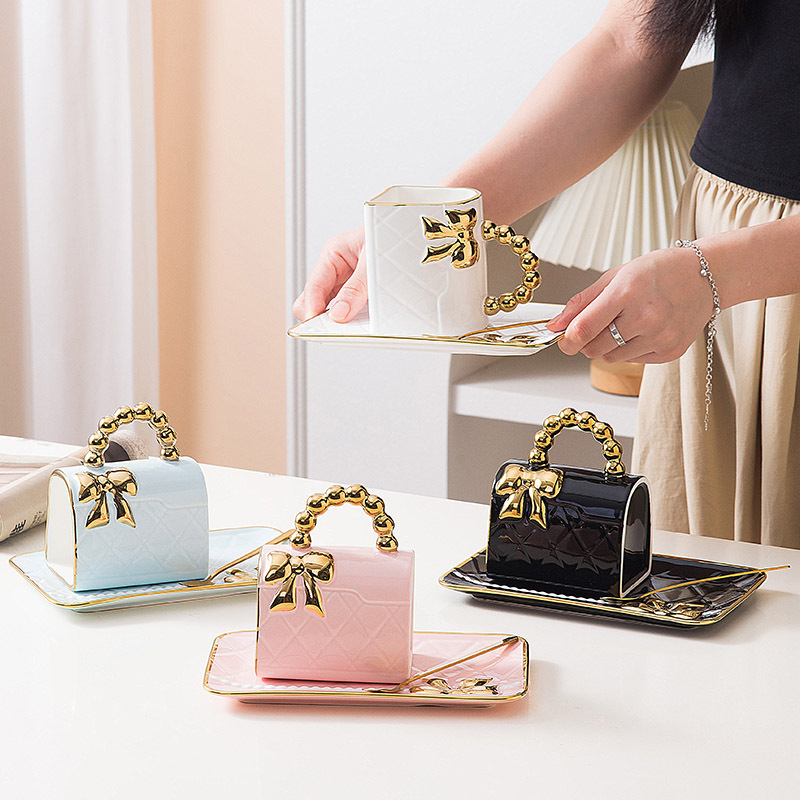
Handcrafted Ceramic Bow Bag Mug | Cozy Home Decor Gift
-
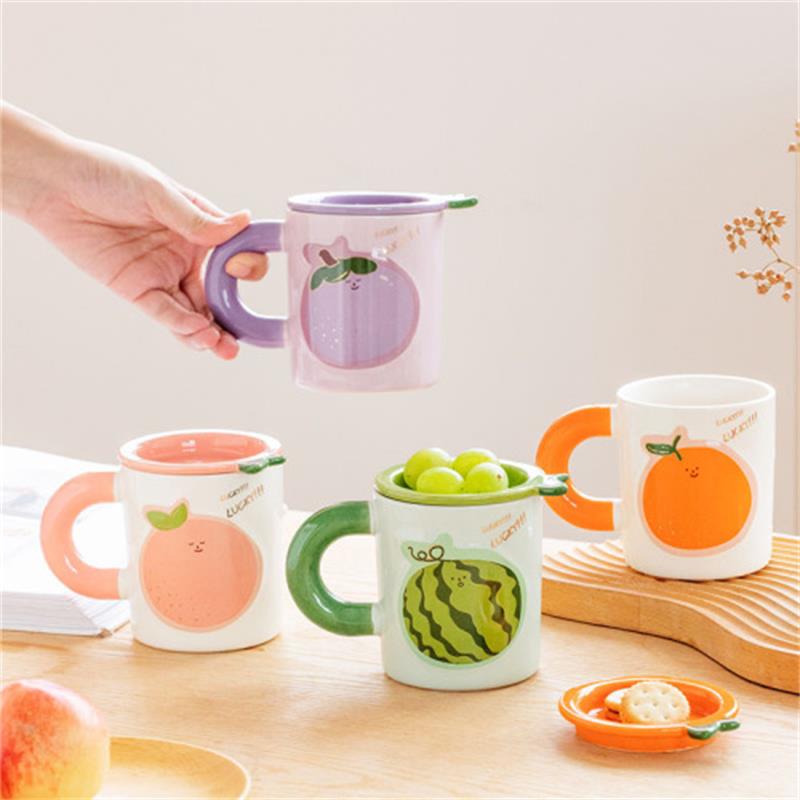
Fruit-Patterned Ceramic Mug | Handcrafted Cozy Home Decor
-
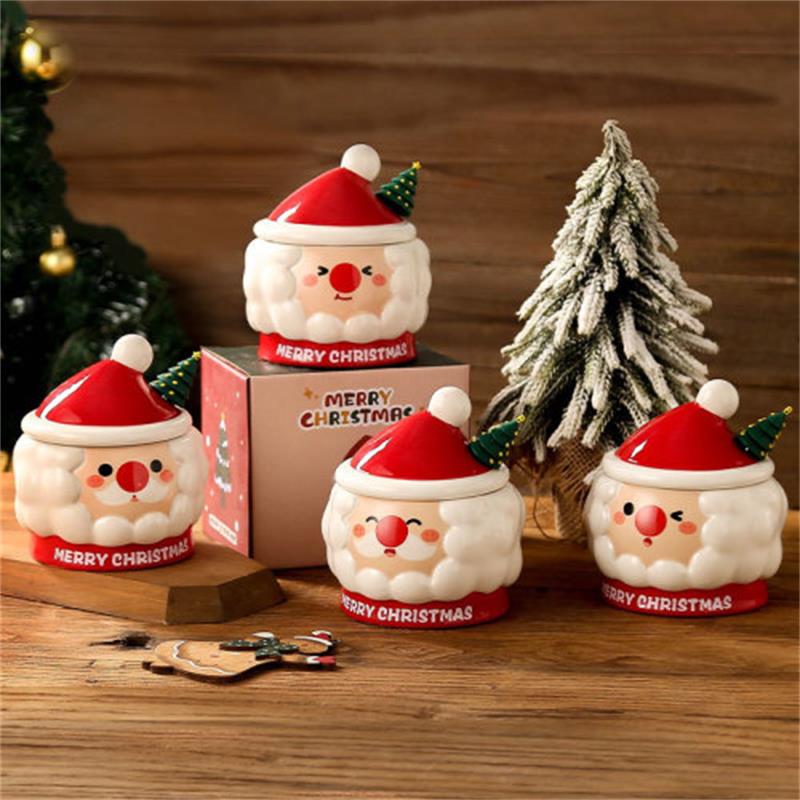
Handcrafted Santa Ceramic Mug | Cozy Home Decor & Gift