

Ceramic Bunny with Bow – A Heartwarming Home Accent & Keepsake Gift
Some objects arrive in a home quietly, without fanfare, and somehow become part of the family before anyone notices. The little ceramic bunny with a bow was like that. It began as a small thought—a wish to capture the feeling of a calm morning, the kind where sunlight lands softly on a windowsill and the day has not yet asked anything of you. That feeling became a sketch, the sketch became a form, and the form became a decorative table sculpture that now belongs wherever someone needs a gentle pause.
The story people tell about this bunny is simple. A woman bought it for her mother’s birthday, not because her mother collected bunnies, but because the two of them had once spent a spring afternoon watching a rabbit settle in the backyard grass, perfectly still, perfectly content. Her mother kept the ceramic bunny on the kitchen windowsill, where it caught the morning light and made her smile before her first cup of coffee. Later, when her mother moved to a smaller apartment, the bunny went with her. It sat on a narrow shelf above the reading chair, and it still did the same quiet work: it made a new place feel familiar.
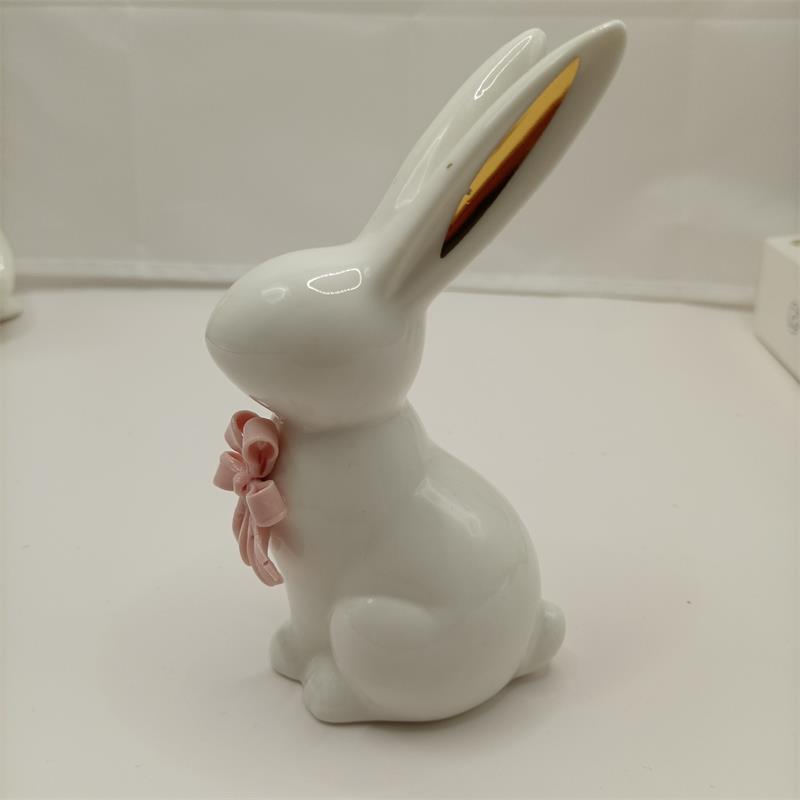
That is the thing about a keepsake gift. It does not need to be grand. It needs to hold a moment. This bunny holds the moment before the day begins—the soft, unhurried minute when the house is still and the light is low. The bow at its neck gives it a dressed-up, ready-for-something-sweet look, but the face stays calm and knowing, like it has already decided that today will be kind.
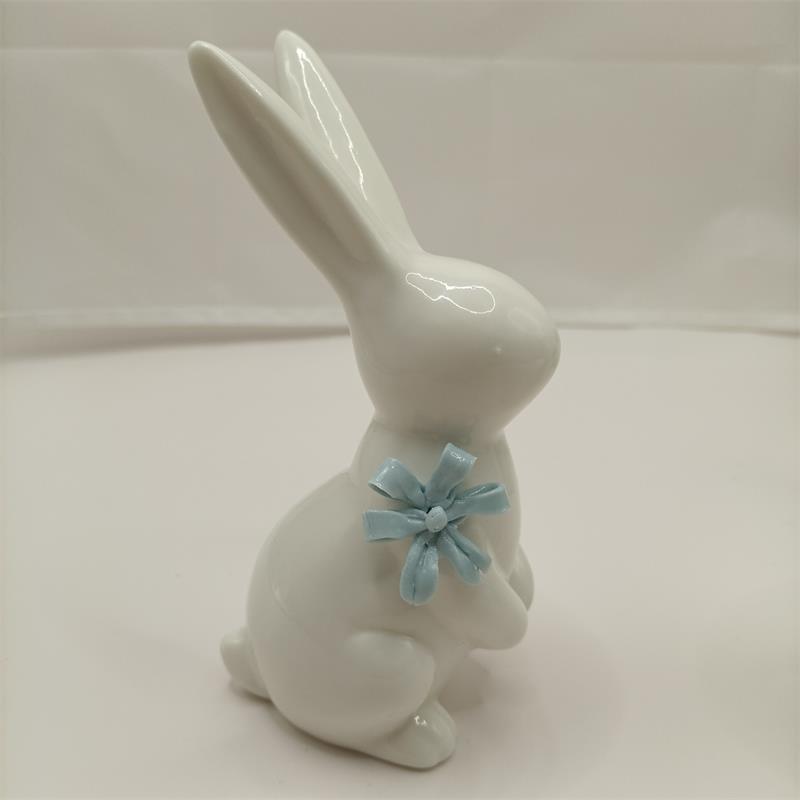
The material matters here. Ceramic has a weight and a coolness that give it presence. It is not a flimsy thing that tips when a door slams. The glaze catches light in a soft, even way, so the bunny looks different at different hours—warmer in the morning, quieter in the evening. Run a fingertip along the edge of the bow and you feel the smooth, finished surface, the small ridge where the ribbon shape meets the body. These are the details that tell you someone shaped this by hand, that a human being cared about the curve of an ear and the tilt of a head. Handcrafted ornament is a phrase that gets used loosely, but here it means something: the small variations, the gentle imperfection, the sense that no two bunnies are exactly the same.
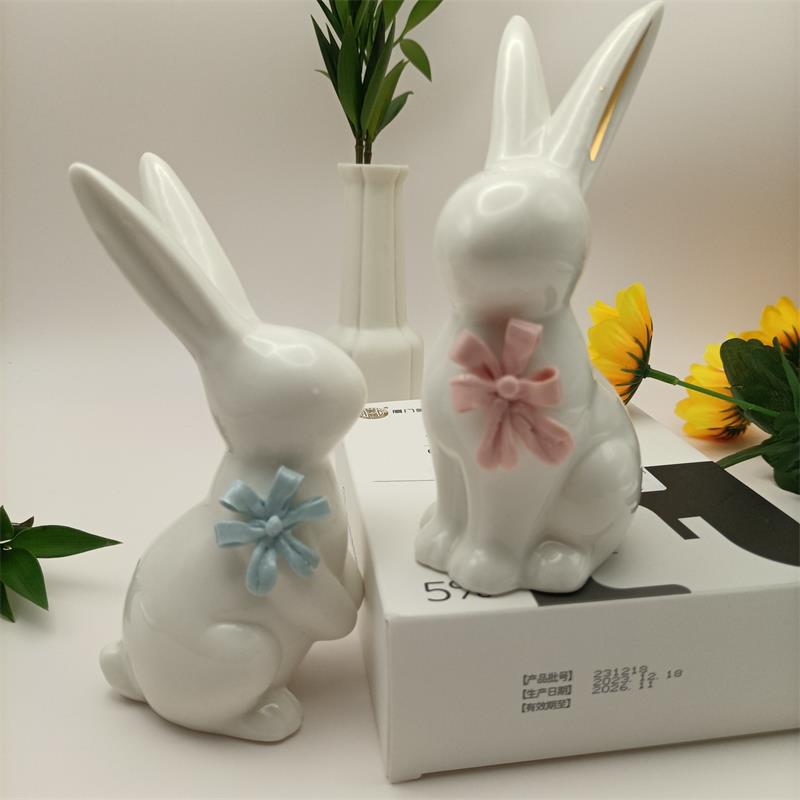
It is also a practical size for real homes. It does not demand a whole table. It fits on a desk corner, between a lamp and a stack of books, where it becomes desk decor that softens the hard lines of a workspace. It sits on a shelf display beside framed photos and a small plant, and it holds its own without shouting. On a bookshelf, it becomes a home accent that draws the eye for a second and then lets you return to what you were doing. That is what good decorative table sculpture does—it does not compete with a room. It settles into it.
For gift givers, the bunny solves a familiar problem. Some people are hard to shop for. They have what they need. They do not want more clutter. But a small ceramic bunny with a bow is not clutter. It is a keepsake gift that says, “I noticed you like quiet, pretty things.” It works for a housewarming, a birthday, a thank-you for a neighbor who watered the plants, a small token for a coworker who helped during a hard week. It works for family, too—a grandmother who keeps a tidy shelf, a sister who just moved into her first apartment, a child who is learning to be gentle with beautiful objects. And for collectors of ceramic figures and handcrafted ornaments, it earns its place on the shelf because it has a clear point of view: soft, warm, a little dressed up, and full of story.
The bow is the small detail that makes people ask about it. It is not a loud bow. It is the kind of bow you might tie on a gift for someone you love—neat, simple, and a little bit hopeful. That is why it works as a funny gift in the gentlest sense: it is not a joke, but it has a lighthearted charm that makes people smile when they see it. It does not take itself too seriously. It is a bunny in a bow. It is allowed to be sweet.
Placement is part of the pleasure. On a bedside table, it is the last calm thing you see at night and the first calm thing you see in the morning. On a hallway console, it greets guests without overwhelming them. On a home office desk, it is a small anchor—a reminder that work is not the whole day. In a nursery, it sits high on a shelf, out of reach but in view, a quiet companion. In a collector’s cabinet, it joins other small treasures and holds its own story. The bunny does not need a big space. It needs a spot where someone will look at it and feel a small, steady lift.
What makes this ceramic bunny a lasting piece is not just the look of it. It is the way it invites a story. People give it a name. They tell guests where it came from. They move it from room to room as their lives change, and it keeps doing its quiet work: making a place feel like home. That is the heart of a handcrafted ornament—it becomes part of the furniture of memory.
For a gift for collector or a first-time buyer, the bunny is an easy yes. It is a decorative table sculpture with a warm face and a neat bow, made of ceramic that feels solid in the hand and soft in the light. It is a keepsake gift for the people who matter, and a home accent for the rooms that need a little warmth. It is small enough to be practical and lovely enough to be special.
In the end, the bunny with a bow does what the best objects do. It waits. It sits on the shelf or the desk or the windowsill, and it holds a little space for calm. It does not ask for attention. It simply stays, through seasons and moves and small changes, a quiet reminder that softness belongs in a home. And when someone picks it up, turns it in the light, and smiles, the story starts again.
Leave Your Message
Related PRODUCTS
-
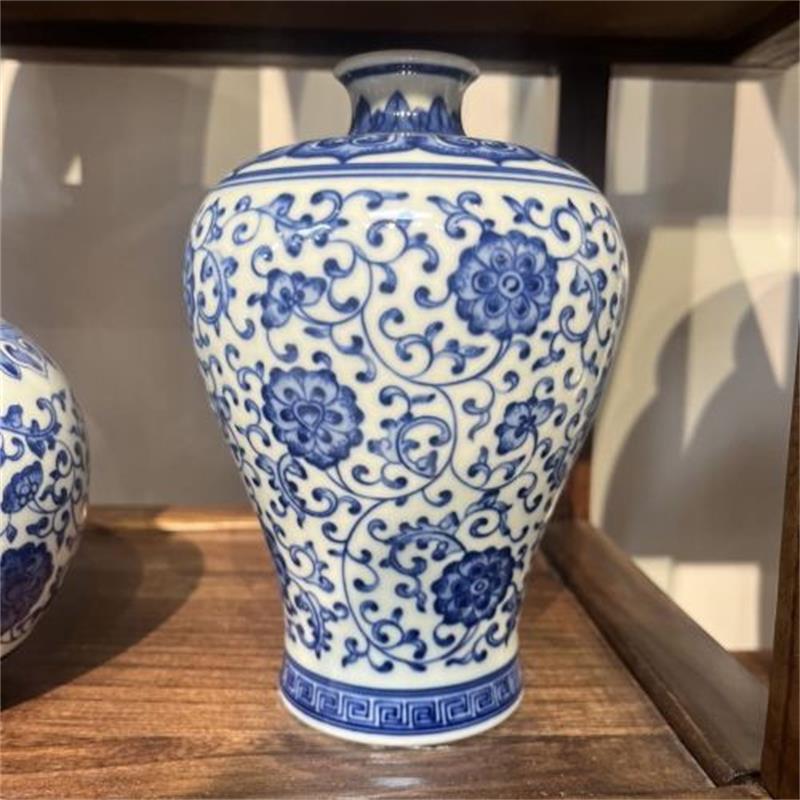
Hand-Painted Ceramic Plum Lotus Vase | Artisanal Decor
-
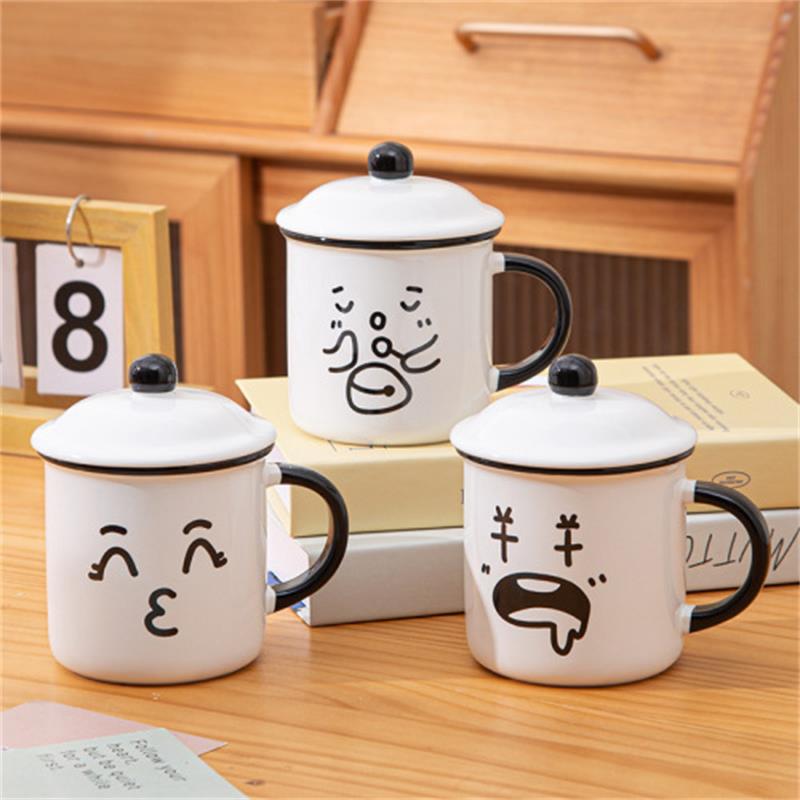
Quirky Ceramic Mug with Lid | Fun Unique Gift & Desk Decor
-
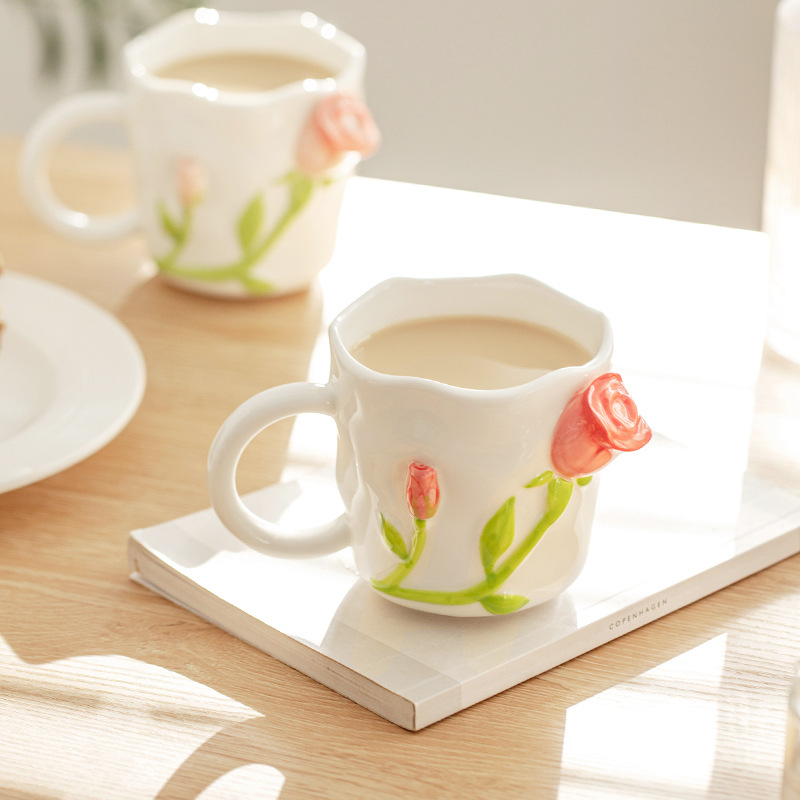
Handcrafted Rose Relief Ceramic Mug | Gift & Home Decor
-
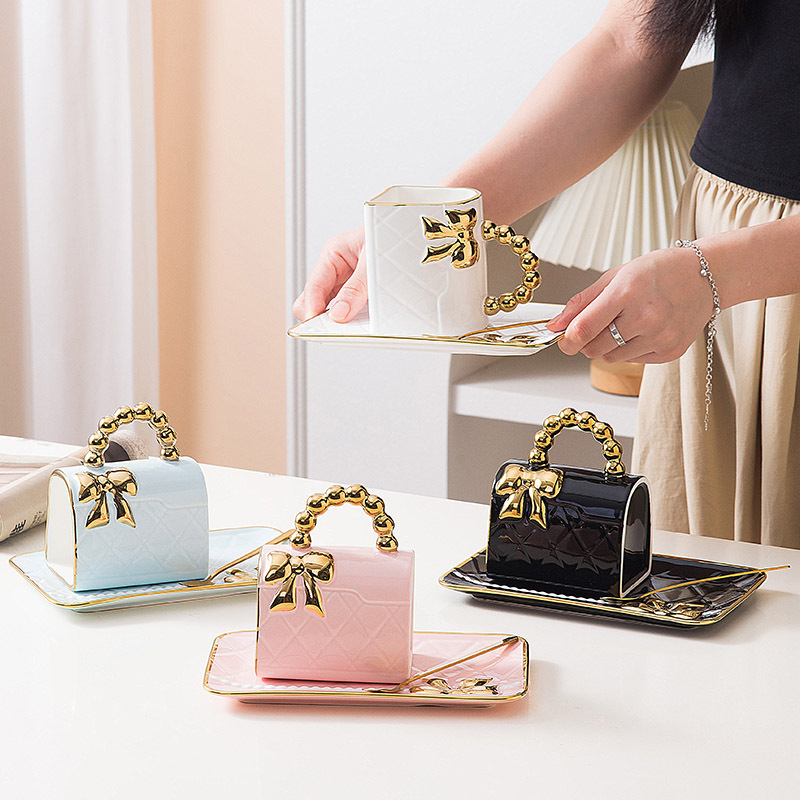
Handcrafted Ceramic Bow Bag Mug | Cozy Home Decor Gift
-
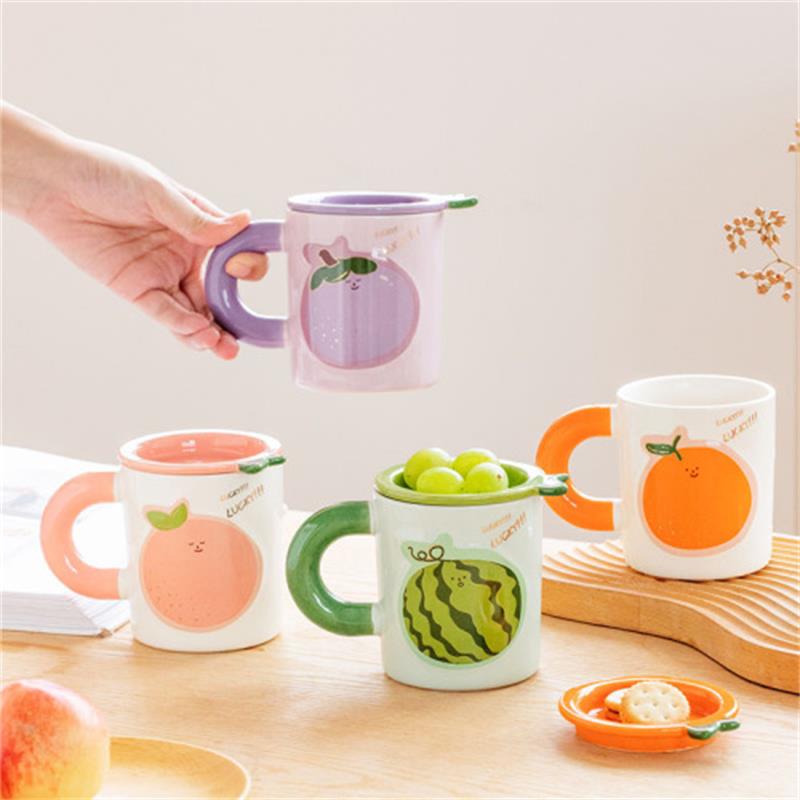
Fruit-Patterned Ceramic Mug | Handcrafted Cozy Home Decor
-
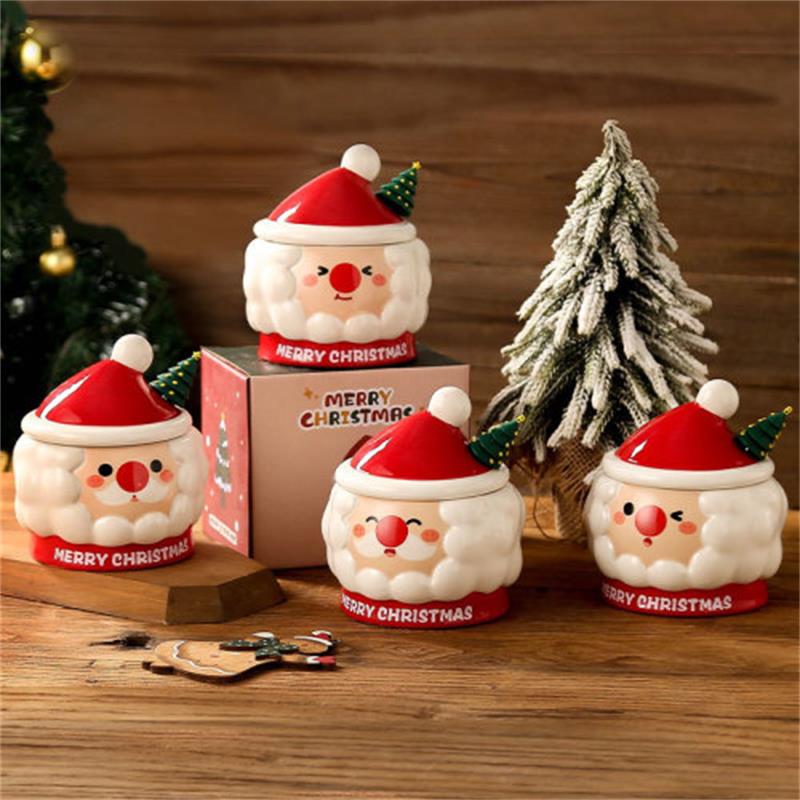
Handcrafted Santa Ceramic Mug | Cozy Home Decor & Gift