
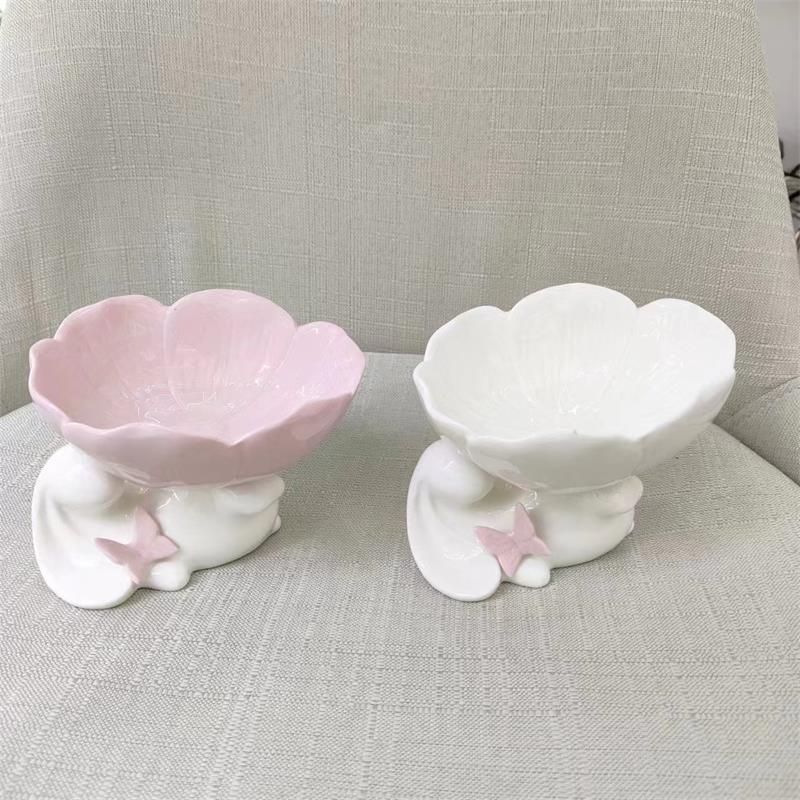
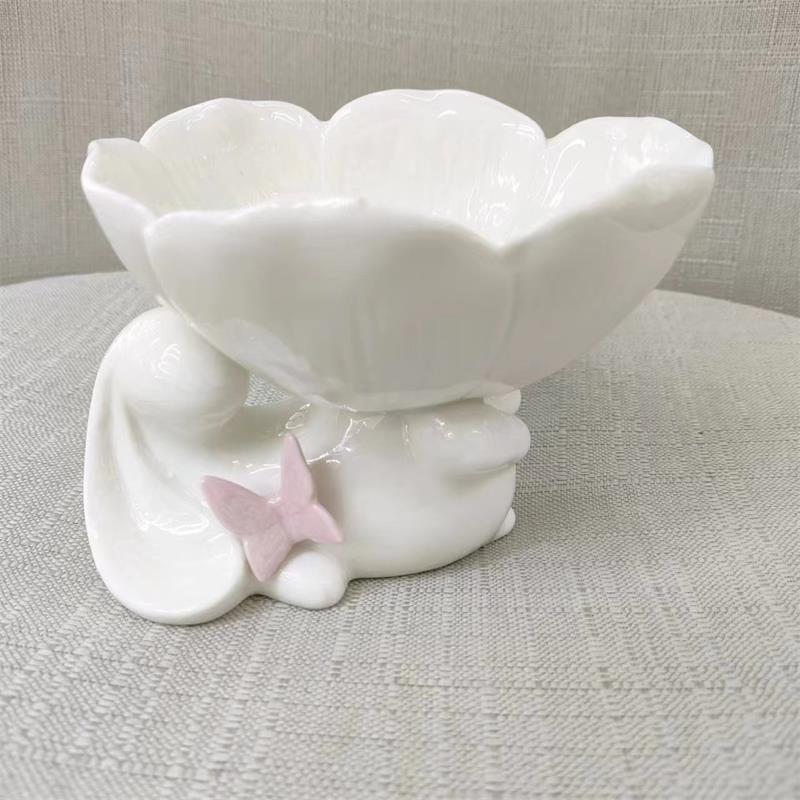
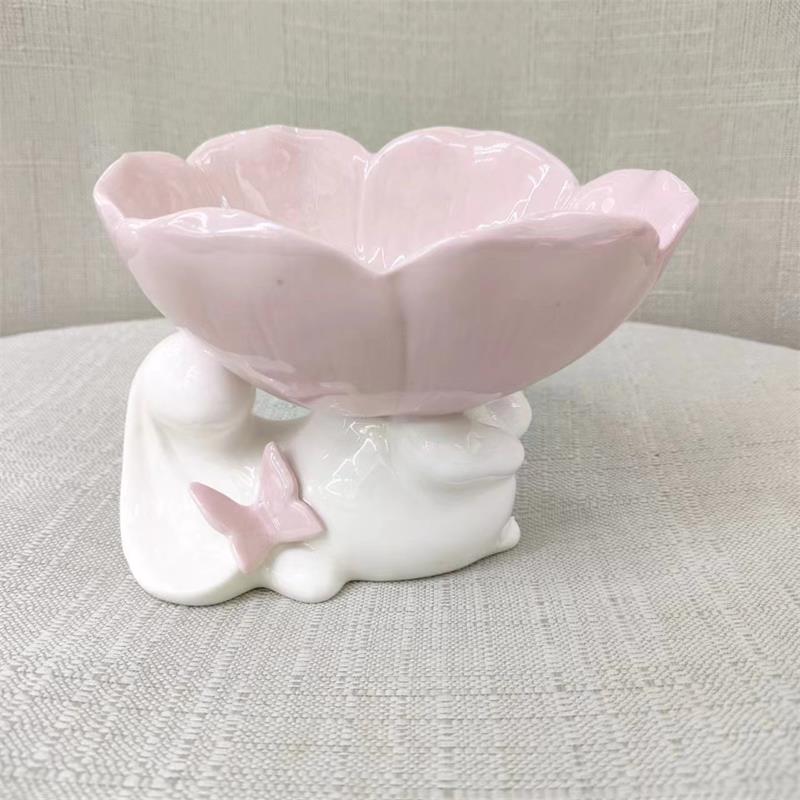
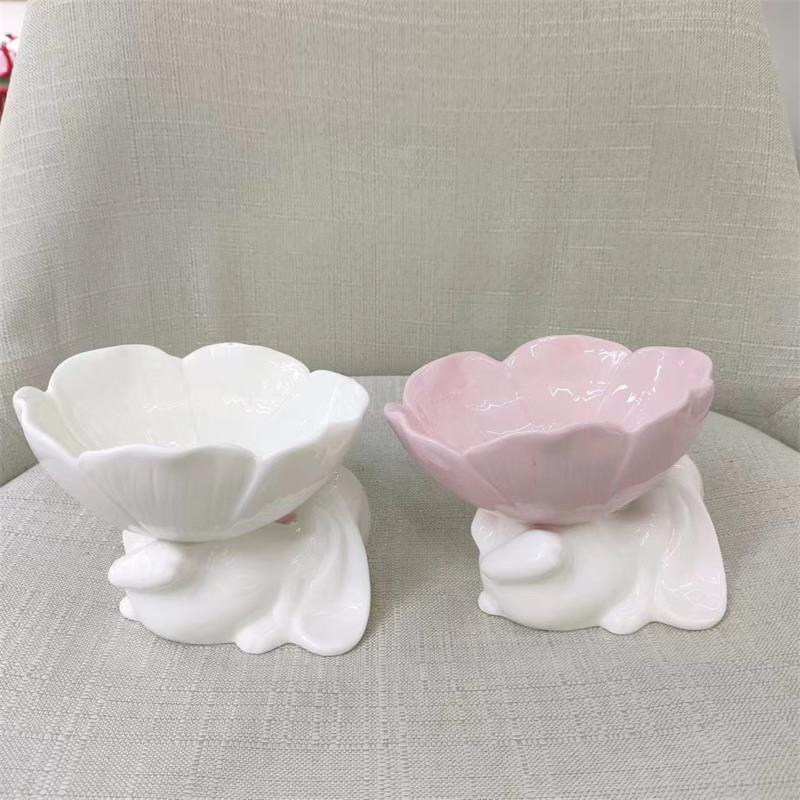
Ceramic Bunny Treat Tray – Easter Candy & Keepsake Dish
Some objects arrive in a home quietly, without ceremony, and somehow end up holding the whole rhythm of a family’s year. The ceramic bunny tray was one of those. It came wrapped in tissue paper on a gray afternoon in late March, a gift from a grandmother who had a habit of finding small, beautiful things at craft fairs and country stores. She handed it over with a smile and said only, “You’ll find a use for it.” At the time, it seemed like a simple decorative dish—pleasant, certainly, but modest. It took a few seasons to understand what she meant.
The first use came almost immediately. Easter arrived a week later, and the bunny tray found itself on the dining table, piled with foil-wrapped chocolate eggs and bright jellybeans. The children reached for it before anything else on the table, drawn to the bunny’s upturned ears and the way the glaze caught the morning light. It was, in the most ordinary way, the centerpiece. The candy disappeared within a day, but the tray stayed out. Nobody wanted to put it away.
By summer, it had migrated to the kitchen counter, holding strawberries and apricots, then to the living room coffee table with a handful of pistachios. In autumn it became a resting place for keys and loose change near the front door. By winter, it had settled into a permanent spot on the entryway console, collecting a pair of pearl earrings, a stray button, and a smooth stone a child had brought home from the beach. The bunny tray never complained about the changing contents. It simply held whatever the household handed it, with the same calm, cheerful expression.
What makes this piece work so well in daily life is the material itself. It is ceramic—fired, glazed, and finished by hand—and that matters more than it might seem. Ceramic has a slight weight to it, a settled feeling that keeps it from sliding or tipping when a child grabs a handful of candy. The surface is smooth but not glassy, with a soft sheen that reflects window light without glare. Run a finger along the rim and you feel a gentle, even curve. The bunny’s features are molded rather than painted on, so the ears and paws have a subtle dimension, a quiet texture that catches the light at different angles throughout the day. On a bright morning, the glaze glows warm and almost creamy; in the evening lamplight, it turns soft and shadowed. It is the kind of finish that rewards a second look.
The proportions are equally thoughtful. The tray is wide enough to hold a generous scatter of Easter candy, a small pile of fruit, or a collection of rings and bracelets, yet shallow enough that nothing gets lost in its depths. It sits flat and stable on any surface—wood, stone, glass, or tablecloth—and its footprint is modest, so it fits comfortably on a narrow shelf or a crowded desk without demanding space. For anyone who has tried to arrange small decorative pieces on a bookshelf, this matters. It layers well. A stack of books, a candle, and the bunny tray together create a shelf display that looks intentional rather than cluttered.
That versatility is exactly what makes it such a natural gift. For families, it becomes part of the Easter tradition—a dish that appears on the table every spring and is packed away with the decorations each year, carrying a little more memory each time. For gift-givers looking for something beyond the usual candle or picture frame, it offers warmth without being overly personal. It suits a housewarming, a hostess thank-you, a grandmother’s birthday, or a small token for a friend who has just moved into her first apartment. For collectors of ceramic animal figures and decorative table sculptures, it fits neatly into a growing collection of handcrafted ornaments—different in function from a pure figurine, but sharing the same care in finish and form. And for corporate or bulk buyers seeking a tasteful seasonal gift, the bunny tray strikes a rare balance: festive enough for Easter, neutral enough to be used year-round, and substantial enough to feel like a real present rather than a token.
In our house, it has become something of a memory keeper, though not by design. The pearl earrings that live on it now belonged to the grandmother who gave us the tray. The smooth beach stone sits beside them. At Easter, the candy returns. In between, the bunny holds whatever the days bring—mail, matches, a child’s loose tooth wrapped in tissue, a note left for someone coming home late. It has become a small, steady presence on the console, a home accent that asks nothing and holds everything.
That is the quiet pleasure of a piece like this. It does not announce itself. It does not need to. It simply waits by the door or on the table, wearing its gentle expression, ready to hold the small, ordinary treasures of a household—candy in spring, fruit in summer, keys in autumn, and memories all year long. For anyone building a home that feels warm and lived-in, or looking for a gift that carries a little heart with it, the ceramic bunny tray earns its place. It is a keepsake in the making, one Easter basket at a time.
Leave Your Message
Related PRODUCTS
-
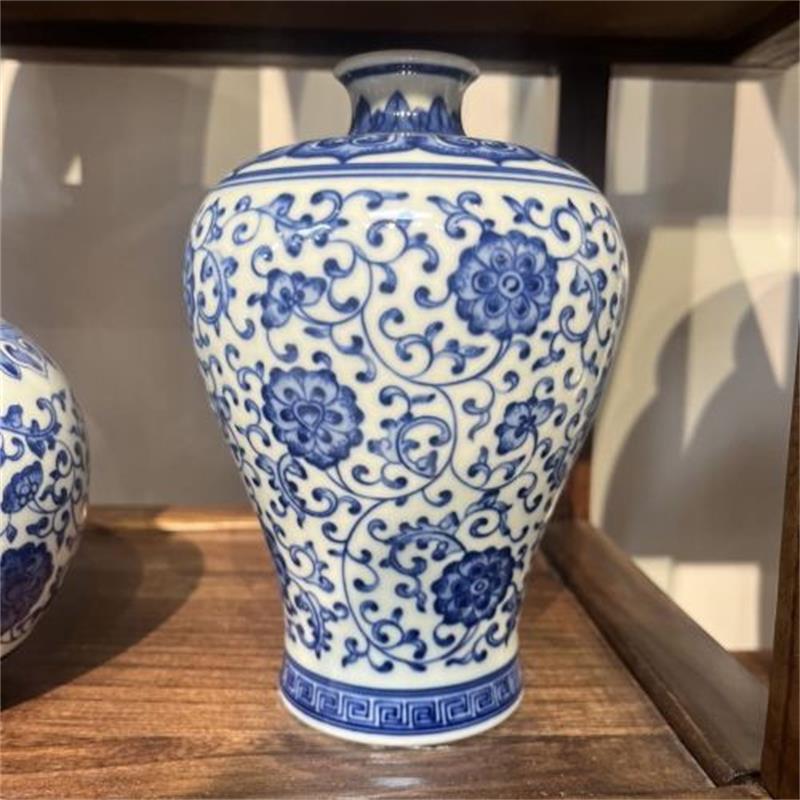
Hand-Painted Ceramic Plum Lotus Vase | Artisanal Decor
-
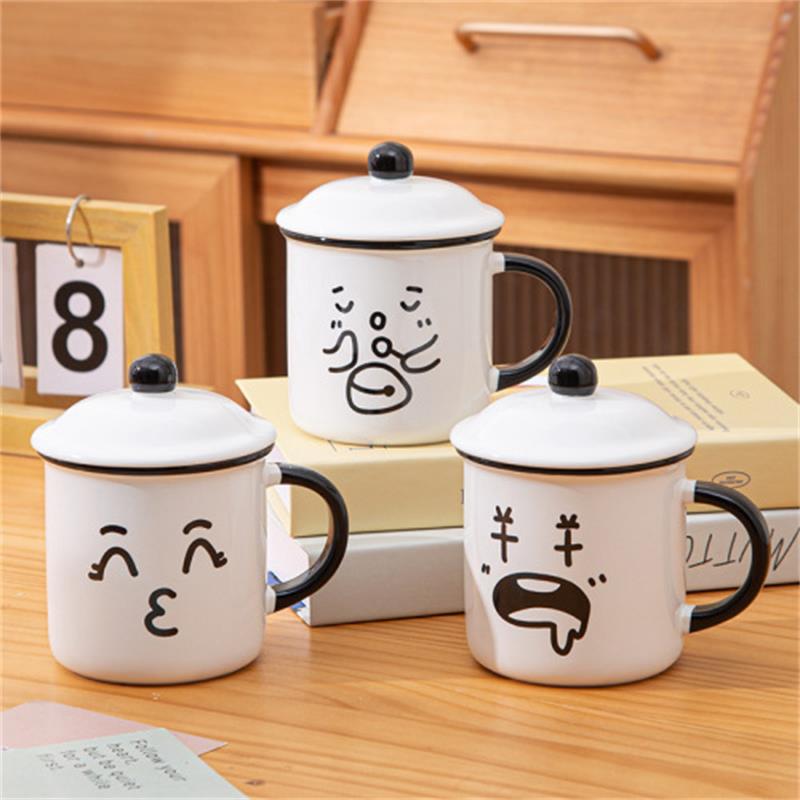
Quirky Ceramic Mug with Lid | Fun Unique Gift & Desk Decor
-
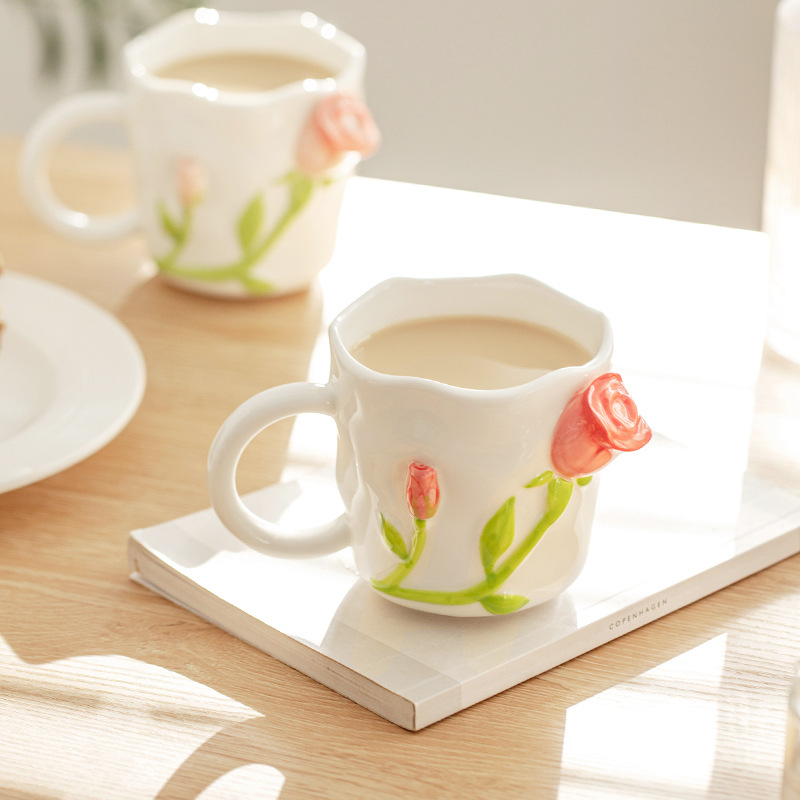
Handcrafted Rose Relief Ceramic Mug | Gift & Home Decor
-
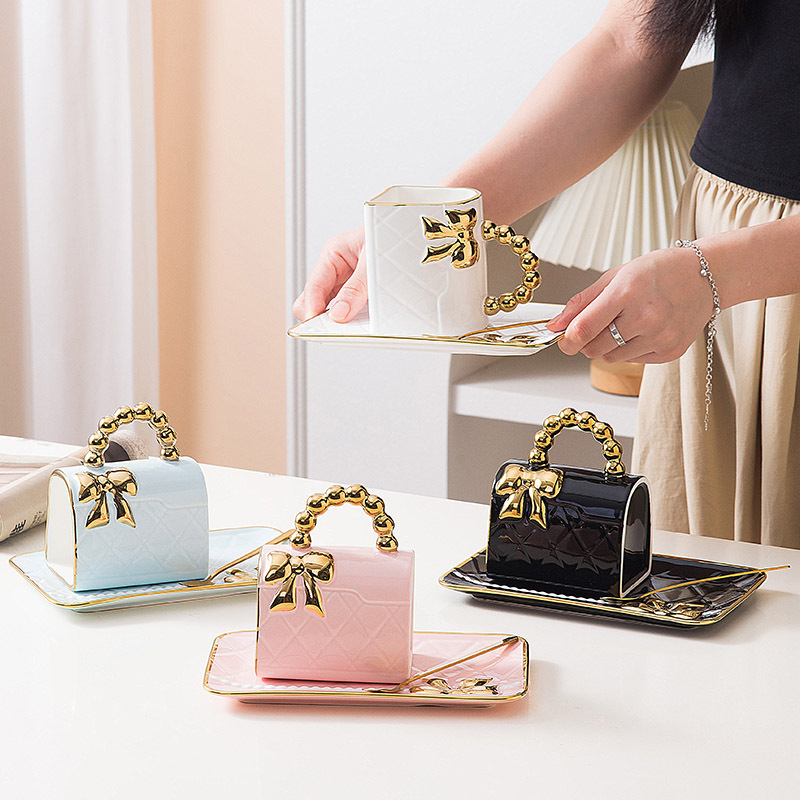
Handcrafted Ceramic Bow Bag Mug | Cozy Home Decor Gift
-
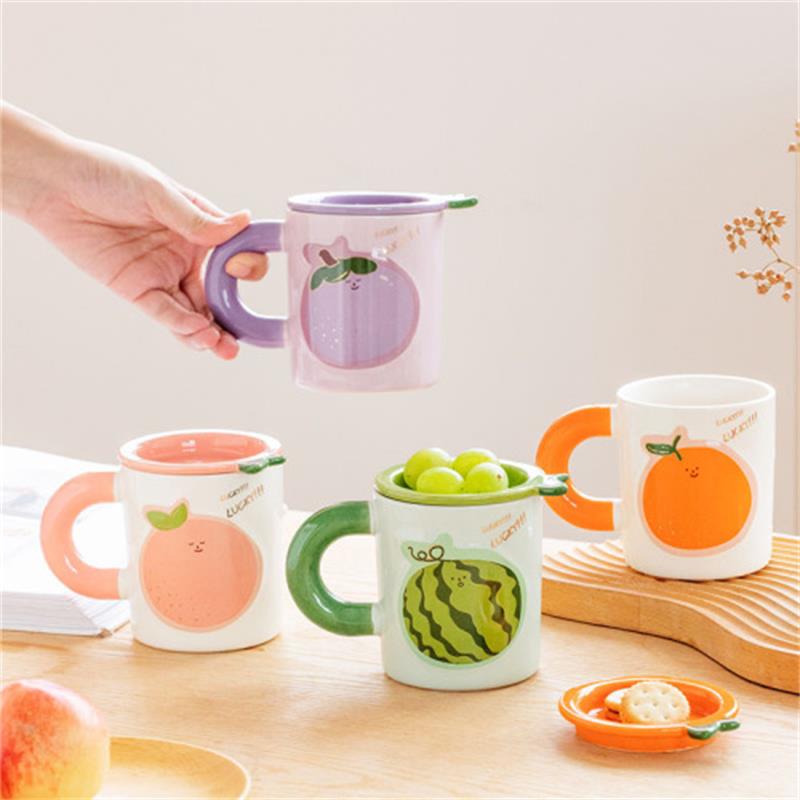
Fruit-Patterned Ceramic Mug | Handcrafted Cozy Home Decor
-
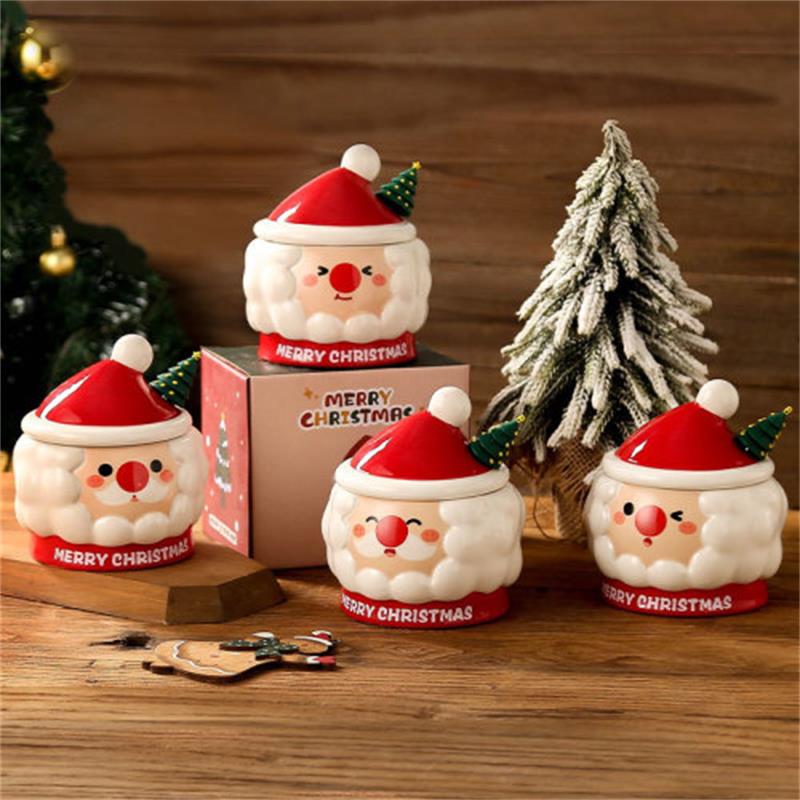
Handcrafted Santa Ceramic Mug | Cozy Home Decor & Gift