
Ceramic Bowling Pin Bank: A Quirky Shelf Decor Accent
So here’s a thing that happens more often than you’d think. You’re standing in someone’s living room, or maybe scrolling through a friend’s apartment tour, and your eye catches this one object on the shelf that doesn’t quite belong—but in the best way. It’s not trying to match the throw pillows. It’s not following the whole beige-and-boucle trend. It’s just… itself. A little odd, a little charming, and somehow exactly right.
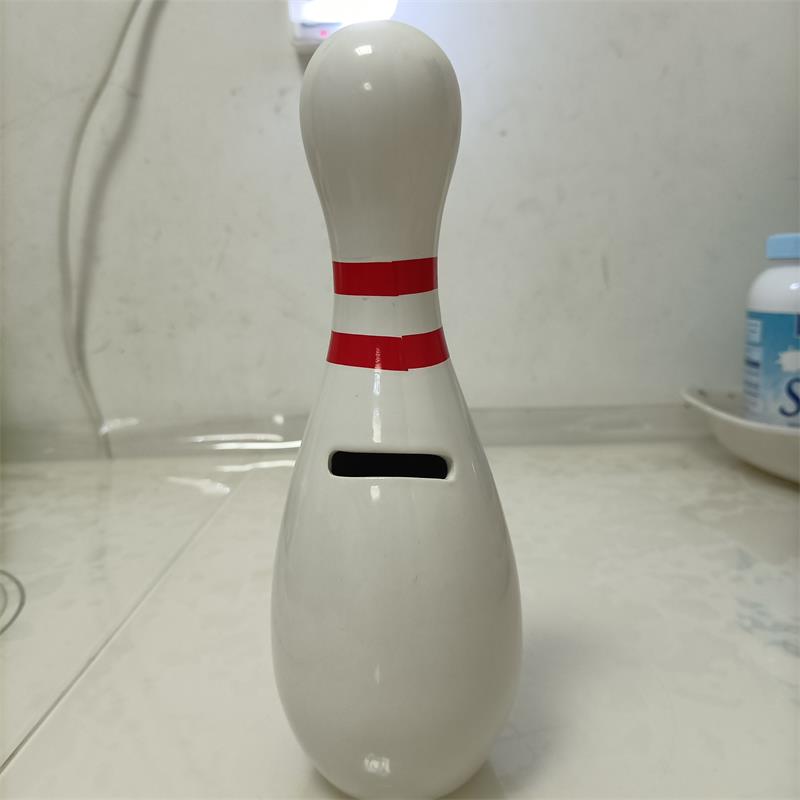
That’s the energy this ceramic bowling pin bank brings. It started, as these things often do, with a small idea: what if the thing that holds your loose change was also the thing that made you smile when you walked past it? Not a jar. Not a dish. Something with a bit of personality. A bowling pin, specifically—that tall, tapered shape that’s been a fixture of alleys and arcades and Saturday-afternoon birthday parties for generations. There’s something nostalgic about it, but also something clean and graphic. It reads instantly. You know what it is the second you see it, and that’s part of the appeal.
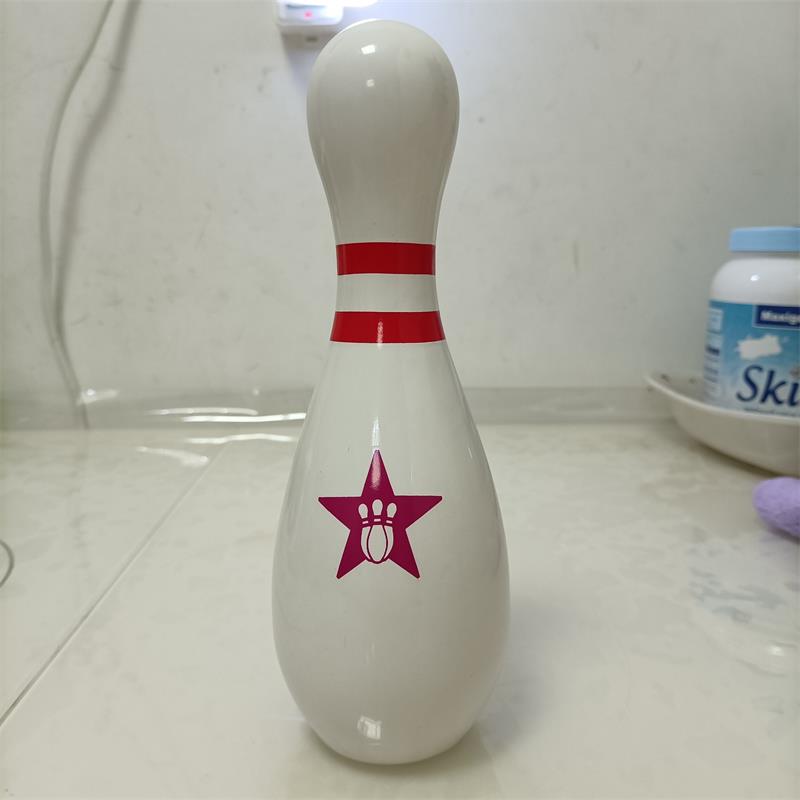
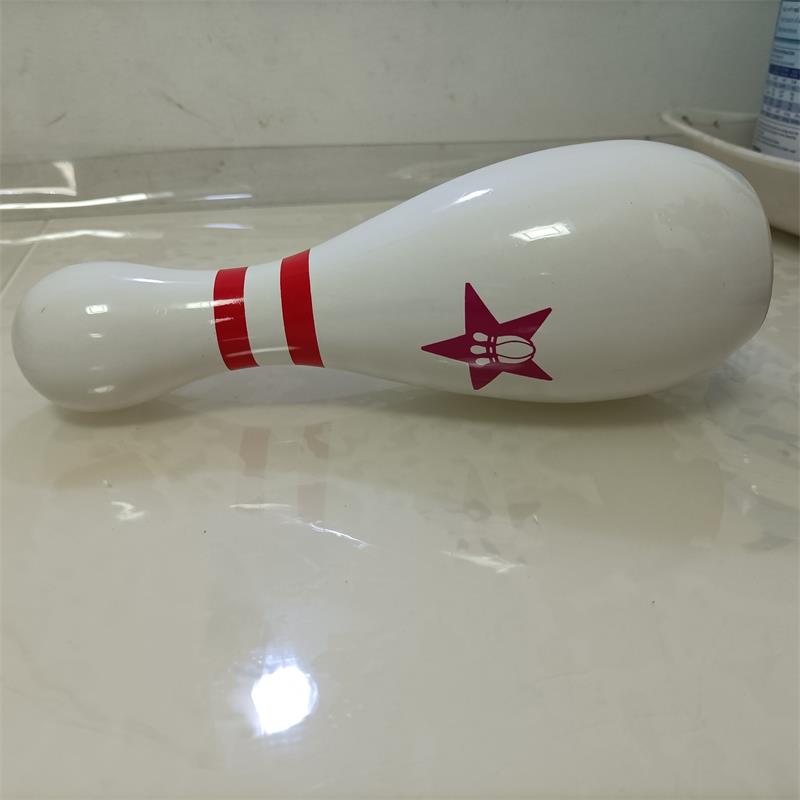
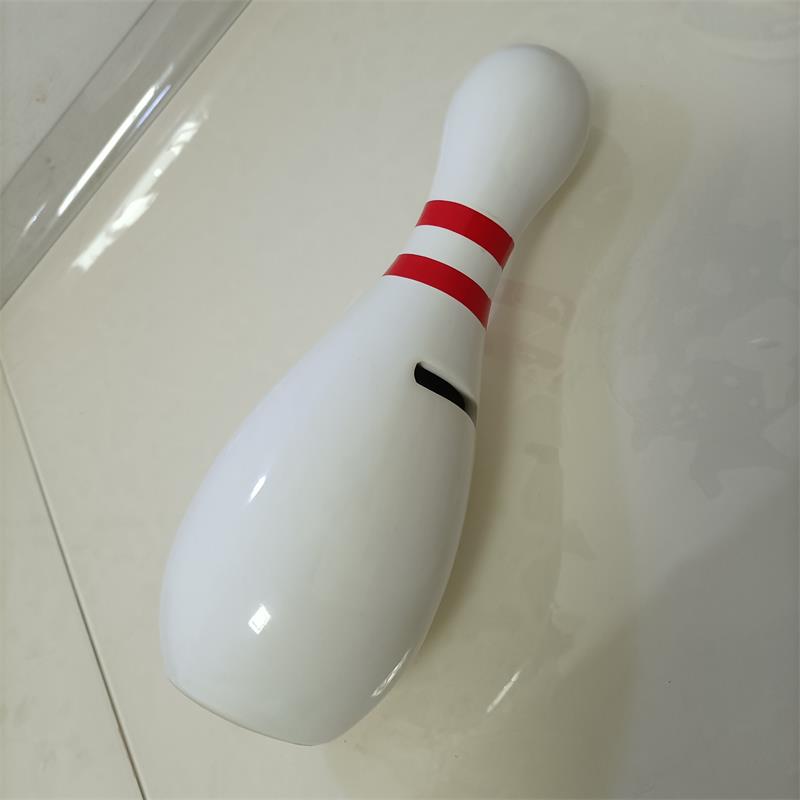
The piece itself is glazed ceramic, which matters more than it sounds like it should. Ceramic has a weight to it that plastic can’t fake—a cool, smooth surface that catches light softly rather than bouncing it around. Run your fingers along the curve and you get that satisfying, almost stone-like feel. It’s substantial without being heavy. At 22.5 centimeters tall and 8.2 centimeters wide, it sits nicely in that sweet spot on a shelf or desk: big enough to register as a real design object, small enough that it doesn’t crowd out your books or your little brass clock or whatever else is sharing the space. The proportions feel intentional, like someone actually thought about how it would look from across the room.
And here’s the thing about a bank that looks like this—it changes how you think about the coins themselves. Most change dishes are where quarters go to die, a sad little pile you ignore until it’s time to do laundry. But when the vessel is this charming, you actually notice it. You drop in a coin after a good day, or a bad one. It becomes this small ritual. Over months, the pin gets heavier. You forget what’s in there, and then one day you pick it up and realize you’ve been quietly saving for something without even trying. That’s a nice feeling. It’s the kind of thing that makes a house feel lived-in rather than staged.
Now, where does it go? Honestly, anywhere you’d otherwise have a dead patch of surface. On a desk, it works as a conversation starter that’s not aggressively weird—someone will ask about it, and you’ll have a thirty-second story ready. On a bookshelf, it breaks up rows of spines and adds a vertical beat, which is something shelf styling people talk about but rarely solve this simply. On a console table near the door, it’s the first thing guests see and the last thing they comment on. And because the finish is neutral—no loud colors, no competing patterns—it slides into just about any decor scheme, from a cozy lived-in apartment to a clean, minimal workspace. It’s a decorative table sculpture that earns its spot without demanding attention.
It also makes a genuinely good gift, and not in the vague, last-minute way. Think about who in your life would get a kick out of this. The friend who’s impossible to shop for because they already have everything. The coworker who just got a promotion and deserves something small but thoughtful. The collector who has a shelf of oddities and would love a bowling pin bank to round out the collection. Or the family member who’s hard to buy for because they insist they don’t need anything—but everyone needs a place to put their coins. It’s a funny gift without being a gag gift. It has a job. It’s useful. That combination is rarer than you’d think, and it’s exactly why this thing works as a keepsake gift too. It’s the kind of object that sticks around, gets moved from apartment to apartment, and shows up in the background of photos for years.
There’s also a quieter angle here. Some objects end up carrying more weight than their function suggests. A bank is already a little vessel of hope—you put something in, trusting it’ll be there later. Add the bowling pin shape, with all its associations of good times and friendly competition, and you’ve got something that feels almost like a talisman. A small, sturdy thing that holds your change and, if we’re being honest, a bit of your optimism. It’s not a memorial piece in the traditional sense, but it has that same quality of being a physical anchor for a feeling. People who buy it for themselves tend to keep it close—on a nightstand, a kitchen counter, a home office desk—where it does its quiet work.
The ceramics themselves have a nice presence in person. The glaze is even and soft, with just enough sheen to pick up warm lamplight in the evening and daylight in the morning. It doesn’t look mass-produced, even though it’s made to be accessible. There’s a slight variation in how the light rolls across the curve, a small reminder that you’re dealing with a fired material, not a molded shell. The size—that 22.5 by 8.2 centimeter footprint—means it works on narrow shelves and crowded desks where bulkier decor won’t fit. It’s an accommodating piece, which is a strange thing to say about a bowling pin, but there it is.
If you’re the type who likes a home that feels collected rather than decorated, this fits that philosophy perfectly. It’s not trying to complete a set. It’s not part of a seasonal theme. It’s just a well-made, slightly unexpected object that makes a space feel more like yours. And when guests ask about it—and they will—you get to tell them the truth: it’s a bank, it’s a bowling pin, and it’s been quietly holding your spare change and your good mood for months. That’s a pretty good return on a small shelf accent.
So maybe you’re the person who needs a landing spot for loose coins. Maybe you’re the gift-giver looking for something with a little more thought behind it. Or maybe you just saw a ceramic bowling pin on a shelf somewhere and thought, “huh, I like that.” Either way, it’s a small, sturdy, genuinely charming addition to the everyday landscape of your home. It doesn’t ask for much. Just a few inches of shelf and a handful of coins. And in return, it gives you a little ritual, a little nostalgia, and a place for your change to live that’s a whole lot more interesting than a jar.
Leave Your Message
Related PRODUCTS
-
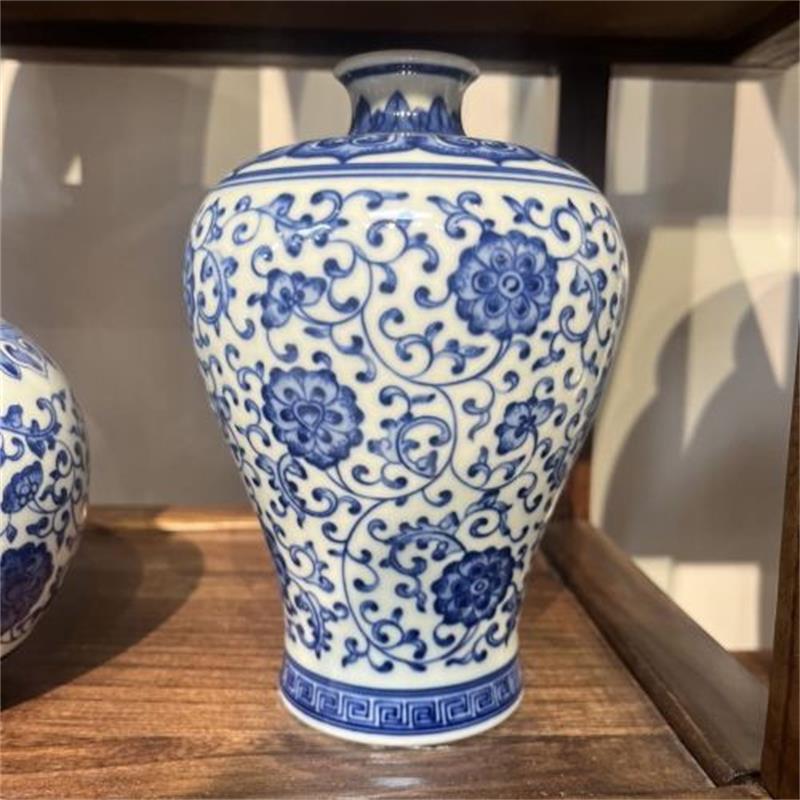
Hand-Painted Ceramic Plum Lotus Vase | Artisanal Decor
-
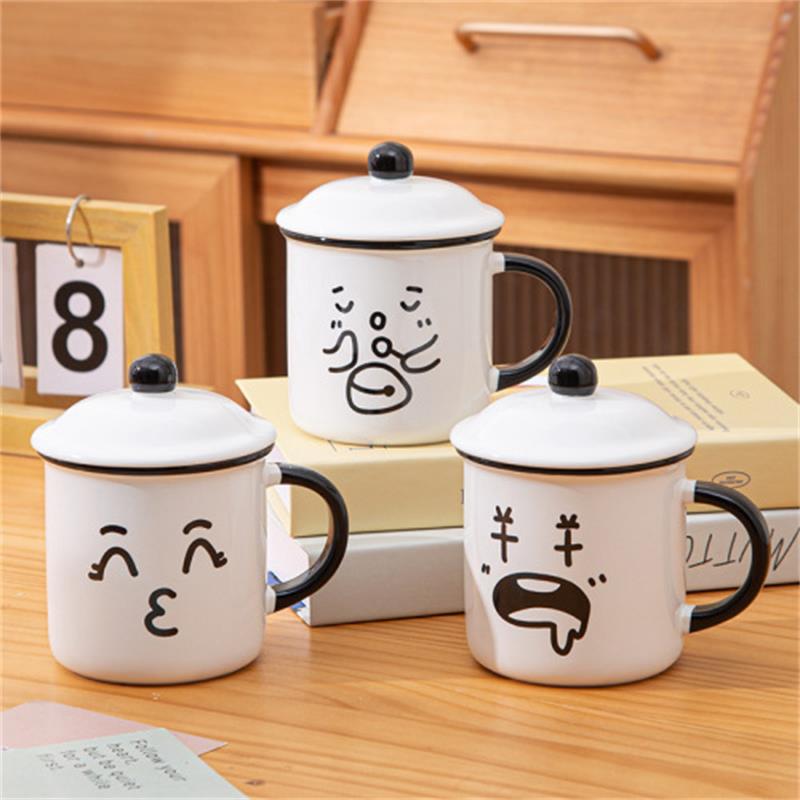
Quirky Ceramic Mug with Lid | Fun Unique Gift & Desk Decor
-
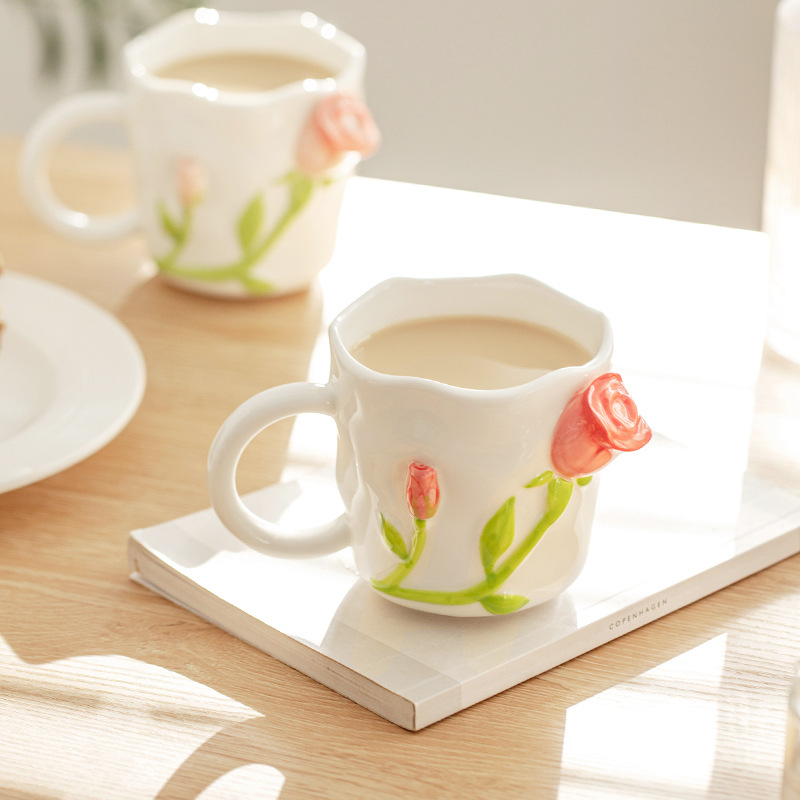
Handcrafted Rose Relief Ceramic Mug | Gift & Home Decor
-
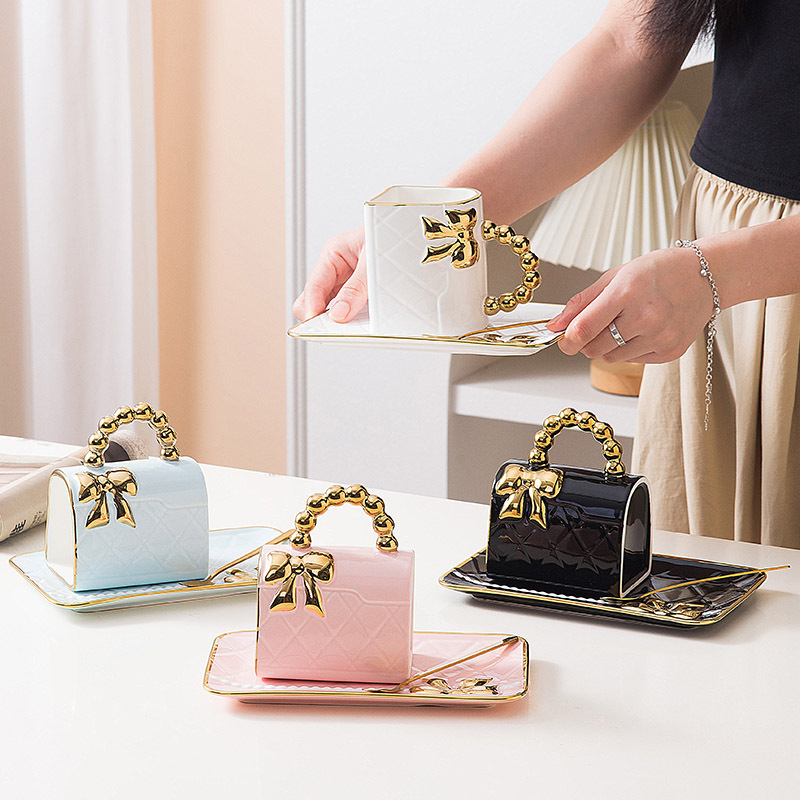
Handcrafted Ceramic Bow Bag Mug | Cozy Home Decor Gift
-
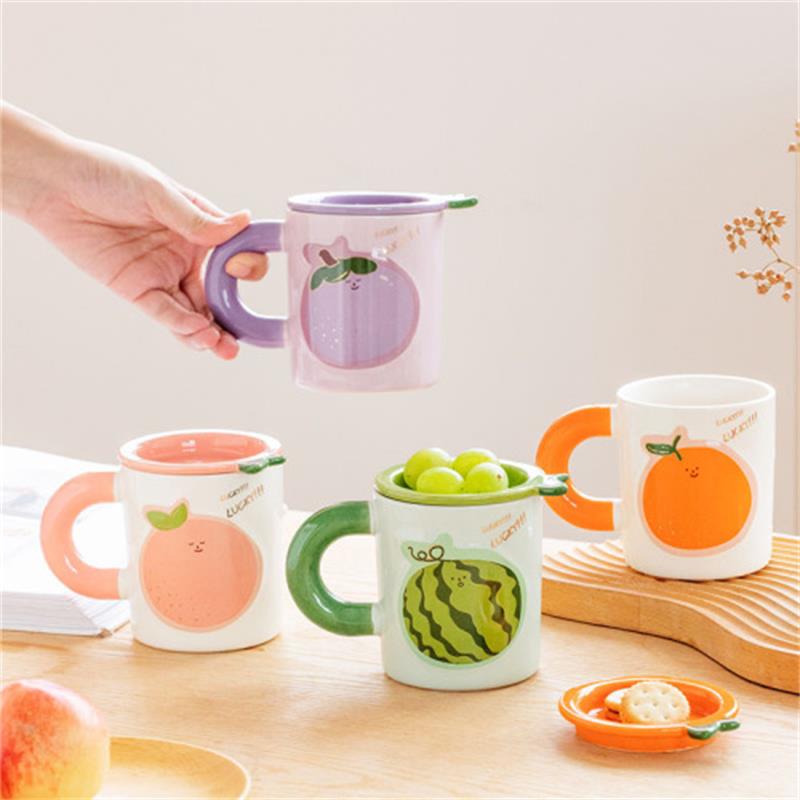
Fruit-Patterned Ceramic Mug | Handcrafted Cozy Home Decor
-
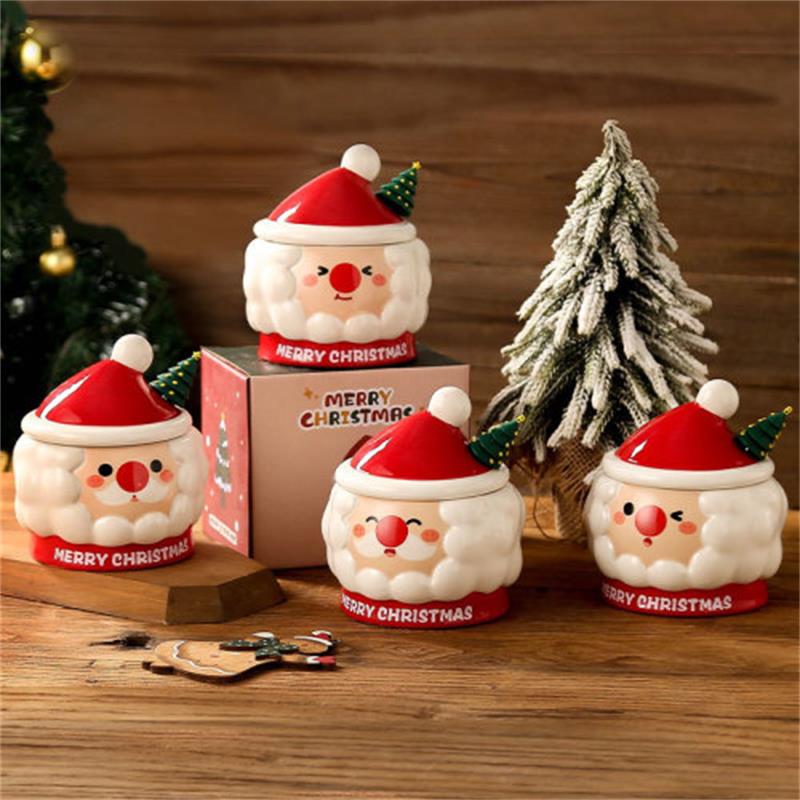
Handcrafted Santa Ceramic Mug | Cozy Home Decor & Gift