
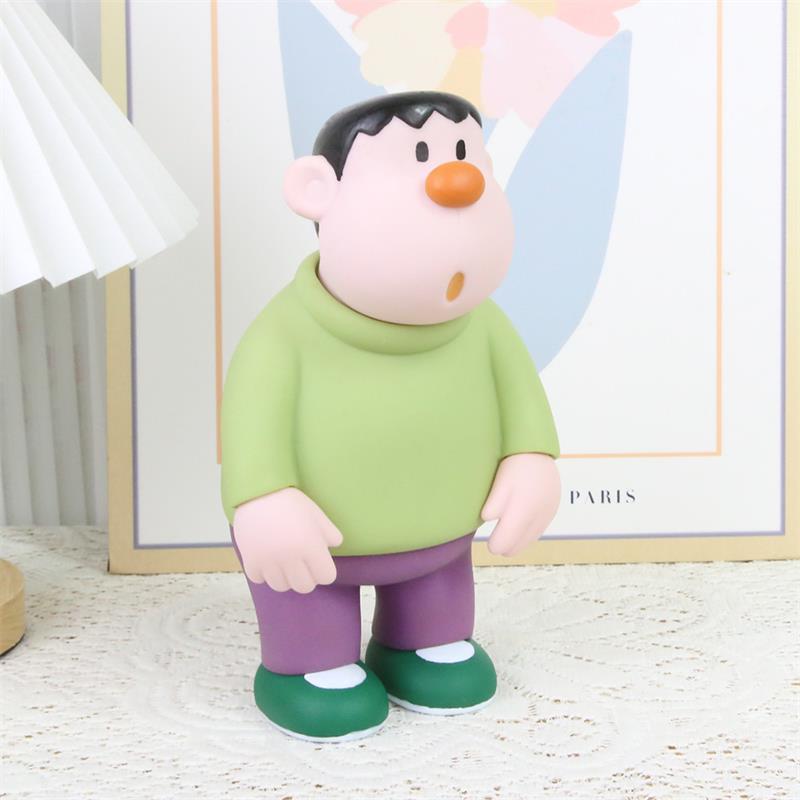
Cartoon Ceramic Figurine – Heartwarming Desk Decor & Gift
Some objects arrive in our lives without announcement. They are not the centerpiece of a room, not the thing guests mention first. They simply sit somewhere—a corner of a desk, the edge of a shelf, a windowsill that catches morning light—and slowly, without asking permission, they become part of the rhythm of home. This little ceramic figurine began that way for one family, and that is really where the story starts.
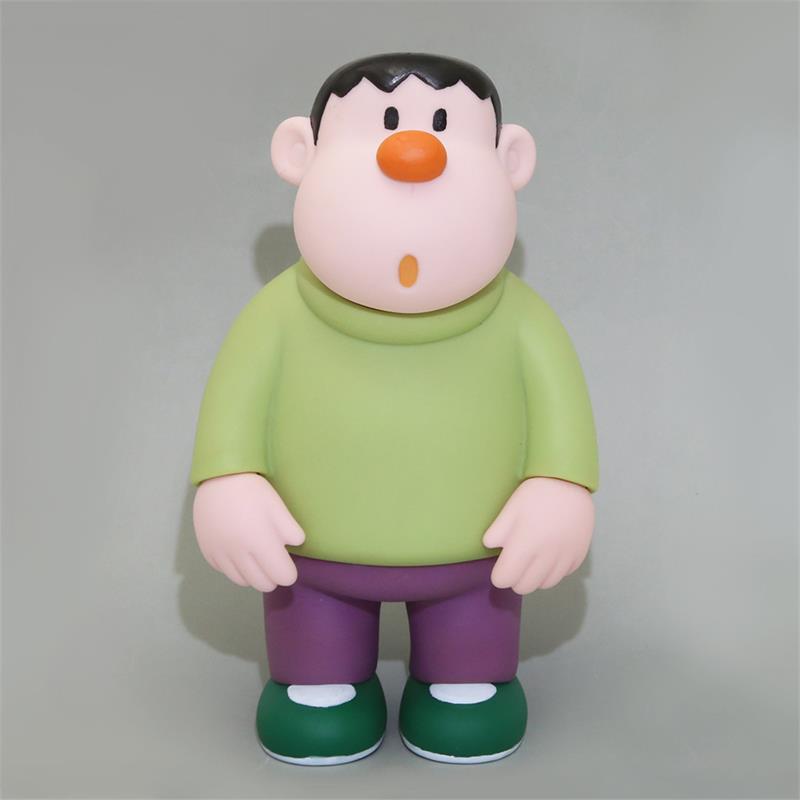
It was a small thing, no taller than a coffee mug, wide at the belly and round at the cheeks. A cartoon character with a broad, cheerful face, glazed in warm amber and cream, with tiny painted details and an expression that seemed caught somewhere between a yawn and a smile. Nobody planned to buy it. It was one of those finds—picked up on a weekend wander through a local market, tucked into a paper bag between a bag of oranges and a new tea towel. It came home, was set on the kitchen counter, and then, because the counter was cluttered, moved to the desk in the corner of the living room.
That desk belonged to a grandmother. She wrote letters there, paid bills, kept a small radio tuned to a station that played old songs. The figurine sat beside the lamp, and within a week it had a job nobody assigned it: it held the place. When she sat down in the morning with her tea, it was there. When she came back in the evening to write a birthday card, it was there. It did not do anything. It did not need to. It was simply present, and presence, as anyone who has lived alone or loved someone far away knows, is its own kind of gift.
The grandchildren noticed it before the adults did. Children see small things first. A four-year-old nephew picked it up one afternoon and turned it over in his hands, feeling the smooth glaze, the slight weight of it—about the heft of a good apple. “He’s so chubby,” the boy announced, delighted, and from that day the figurine had a name. The name stuck. It was not elegant, but it was true, and true things tend to last.
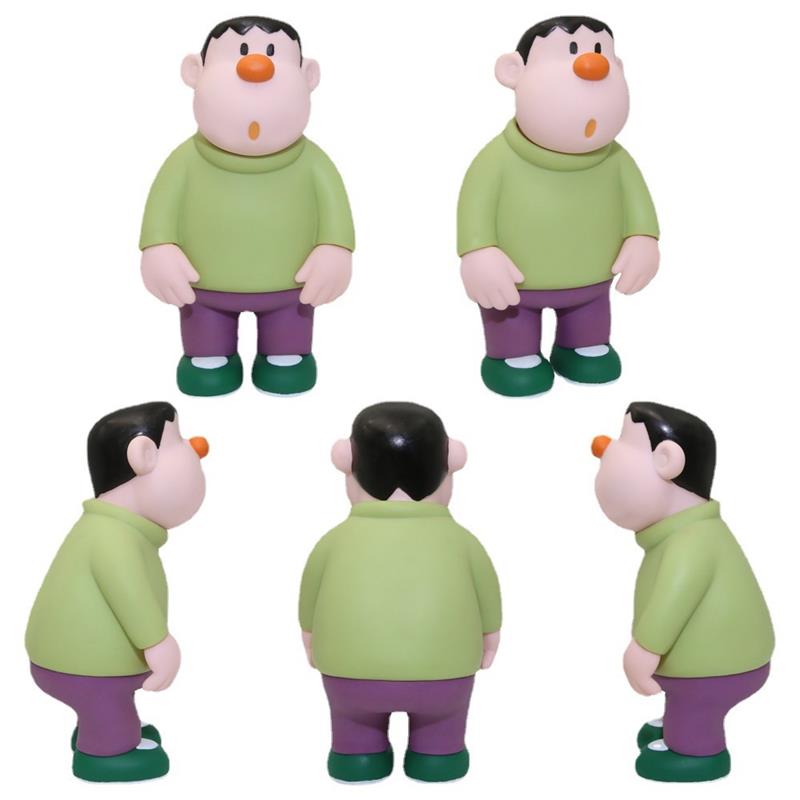
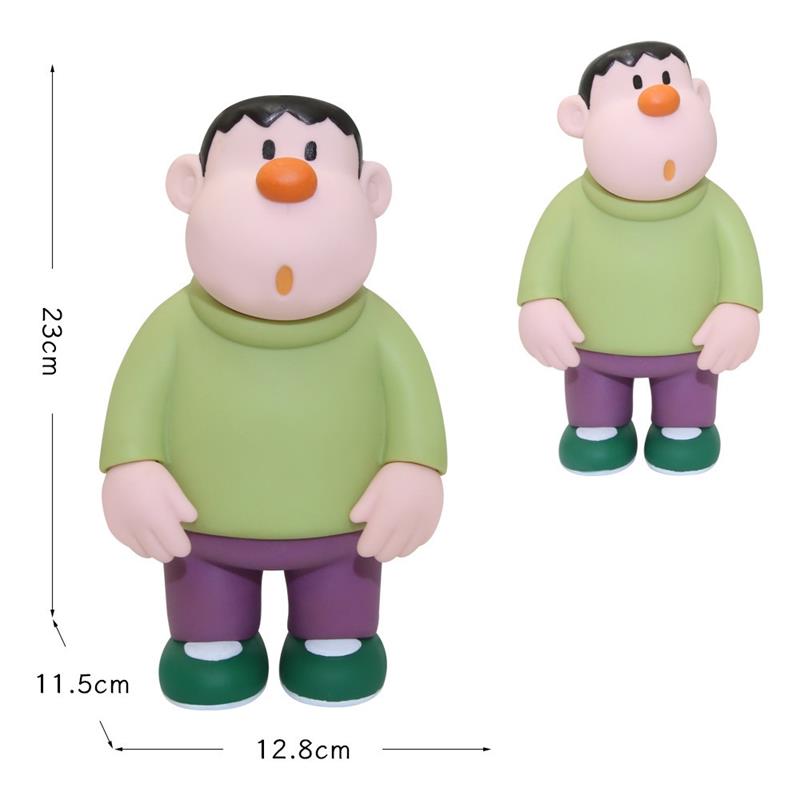
What made the little character easy to love was the way it was made. Ceramic has a particular honesty to it. Unlike plastic, which arrives shiny and stays that way, ceramic carries the mark of the fire it passed through. The glaze on this one had a soft, almost satin finish, not glassy, and if you looked closely you could see where the warm color deepened slightly at the belly and lightened toward the feet. The details were painted by hand, not printed, and no two were exactly alike. At twelve centimeters tall and six wide, it was small enough to belong anywhere and heavy enough, at a little over half a pound, to feel substantial when you picked it up. There was a larger version too, nearly thirteen centimeters tall and wider across, and some families bought both—one for the desk, one for the shelf—so the character could keep an eye on more than one room.
The grandmother never called it decor. She called it “the little one.” But decor is what it became, in the truest sense. It gave that corner of the living room a center. The lamp, the stack of letters, the radio, the figurine—together they made a small world, and the world felt warmer for it. When guests came over, they often picked it up and asked where it came from. The answer was always the same: a market, a paper bag, a Saturday. The story was part of the object now, the way stories always attach themselves to the things we keep.
Time passed. The grandmother grew older. The desk was cleared when she moved to a smaller apartment, and most things were given away or packed into boxes. But the figurine went with her, wrapped in a tea towel, and it sat on the windowsill of her new room, catching the afternoon light. When she passed, it came to the eldest granddaughter, who set it on her own desk, in her own corner, beside her own lamp. The story did not end. It moved.
This is what a keepsake really is—not a monument, but a continuation. A memorial does not have to be solemn. Sometimes it is a chubby little cartoon character, sitting where the light falls, doing nothing at all except reminding you that someone once loved it, and that love is a thing you can hold in your hand. For a family, that is enough. For a gift, it is more than enough.
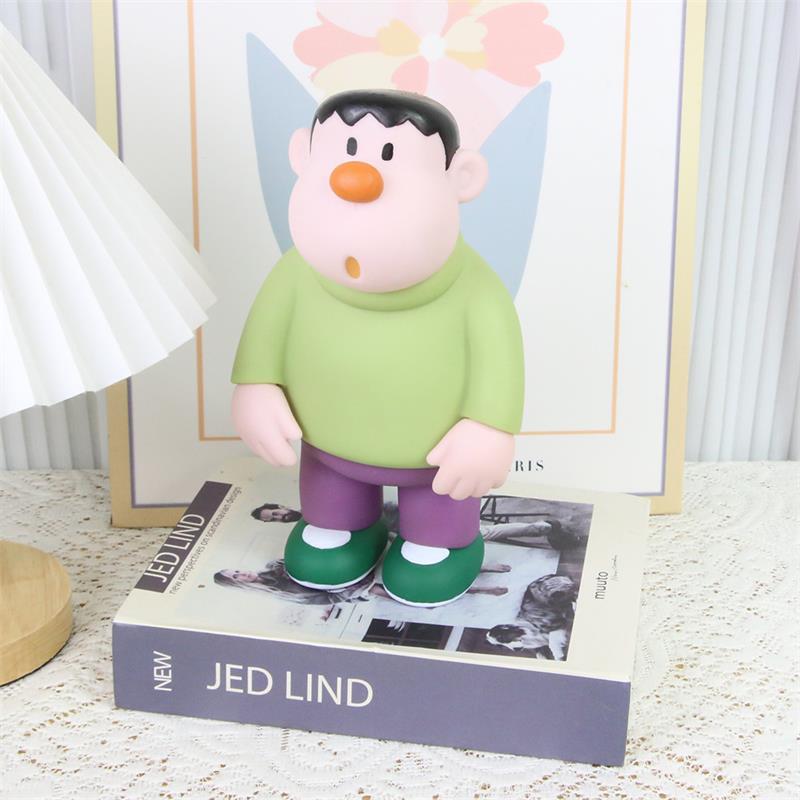
And the figurine does not only belong to one family’s story. It fits easily into others. On a home office desk, it breaks up the gray of monitors and cables, a small warm accent among the practical things. On a bookshelf, nestled between novels, it catches the eye and makes people smile—an aesthetic shelf decor piece that does not try too hard. In a child’s room, it sits on a dresser and keeps watch. For gift-givers, it is the kind of present that does not require an occasion: a housewarming, a thank-you, a just-because. It suits a gift for a collector who likes character pieces, a gift for a friend who has everything, a gift for a parent who once had a desk just like that one. It is small enough to wrap easily and meaningful enough to be kept.
Collectors tend to appreciate it for different reasons. The hand-painted detail, the solid ceramic weight, the way the glaze shifts in different light—these are the marks of a decorative table sculpture made with care rather than speed. It sits well beside other pieces, never demanding to be the center of attention, and that restraint is part of its charm. Displayed in a case or on an open shelf, it holds its own without competing.
The size matters more than it seems. Twelve by six centimeters is small enough for a crowded desk, a narrow shelf, a bedside table. The larger version, at nearly thirteen by thirteen, carries more presence for a living room or entryway console. Between the two, there is room for every kind of space and every kind of home accent need. And because it is ceramic, it asks little: a dusting now and then, a spot away from direct sun, and it will keep its color and its calm for years.
What this little figurine offers, in the end, is not utility. It is company. It is the feeling that a room has been lived in and loved. It is the small, daily reminder that warmth does not have to be loud. Some things announce themselves. Others simply sit, and wait, and become part of the story. This one has already begun its work in one family’s home. Set it on your desk, your shelf, your windowsill, and it will begin again in yours—quietly, warmly, and for as long as you need it.
Leave Your Message
Related PRODUCTS
-
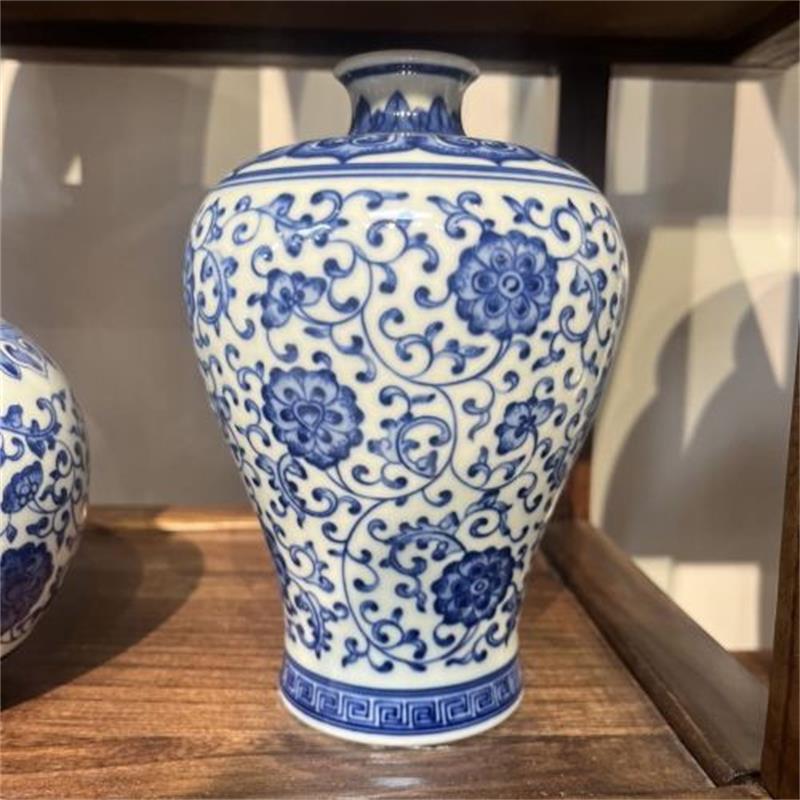
Hand-Painted Ceramic Plum Lotus Vase | Artisanal Decor
-
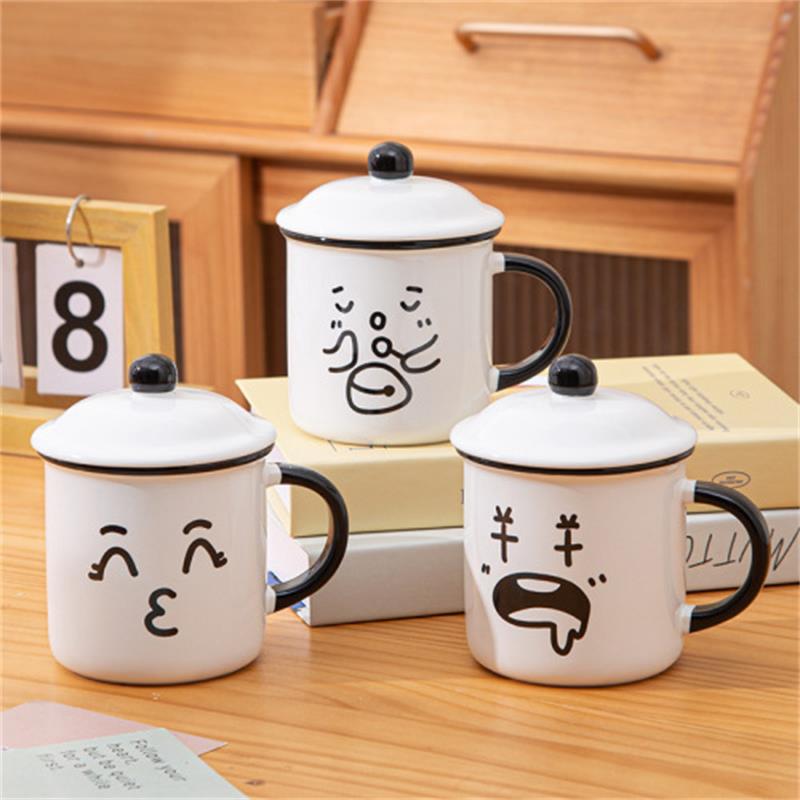
Quirky Ceramic Mug with Lid | Fun Unique Gift & Desk Decor
-
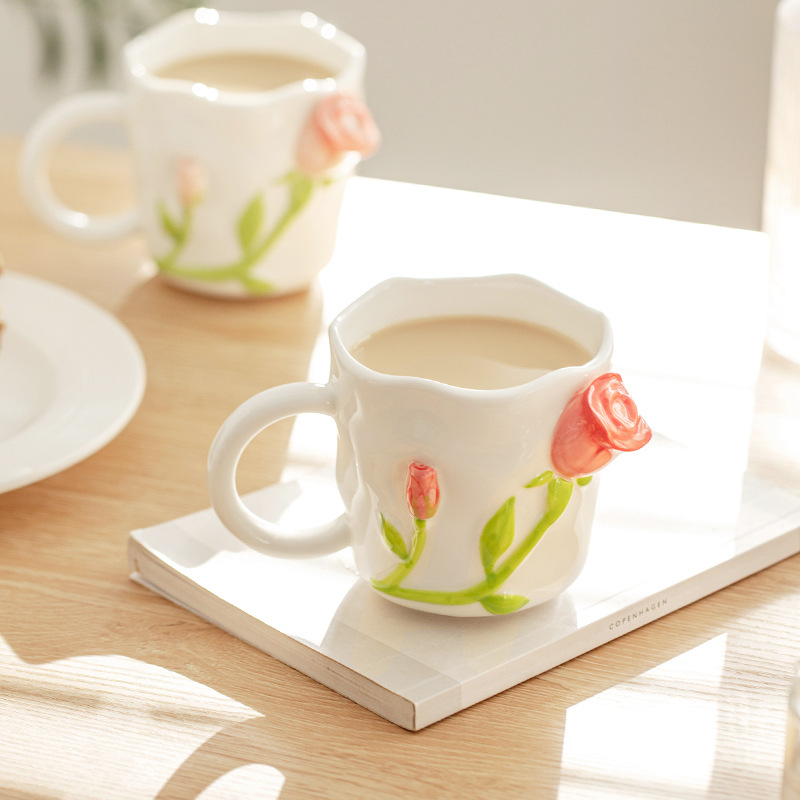
Handcrafted Rose Relief Ceramic Mug | Gift & Home Decor
-
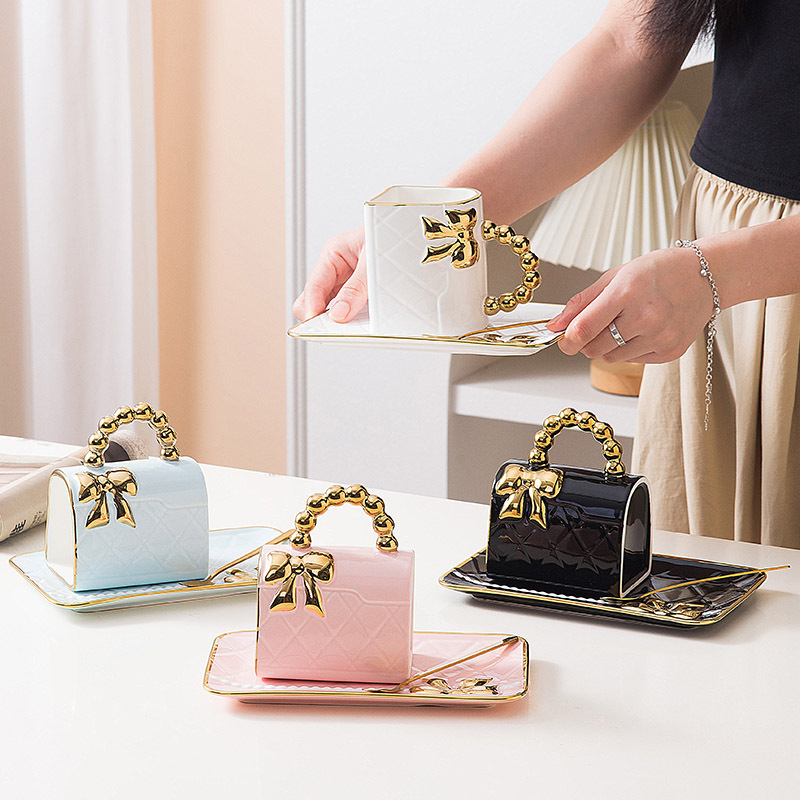
Handcrafted Ceramic Bow Bag Mug | Cozy Home Decor Gift
-
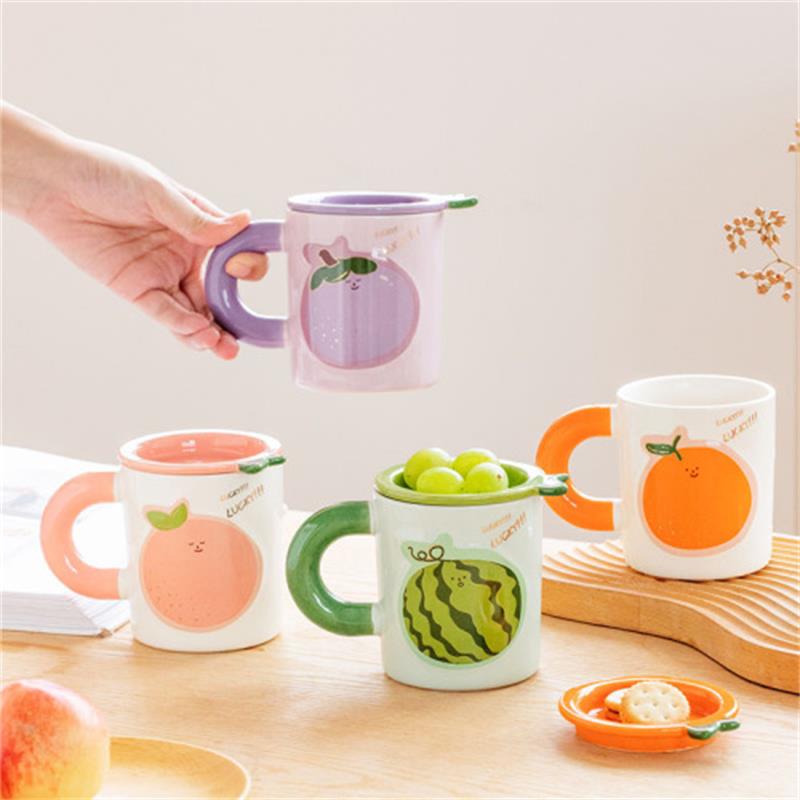
Fruit-Patterned Ceramic Mug | Handcrafted Cozy Home Decor
-
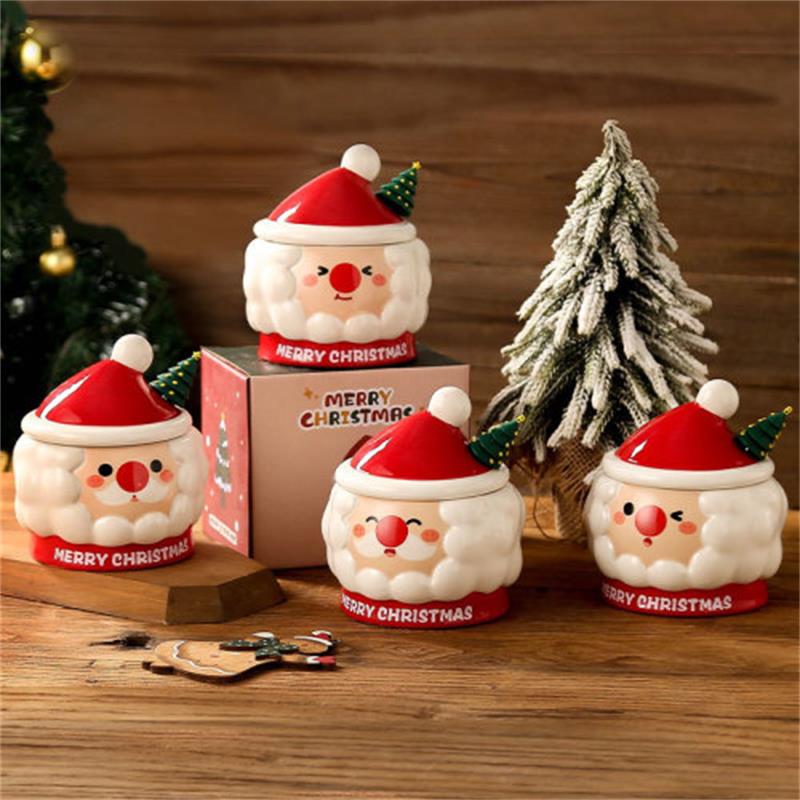
Handcrafted Santa Ceramic Mug | Cozy Home Decor & Gift