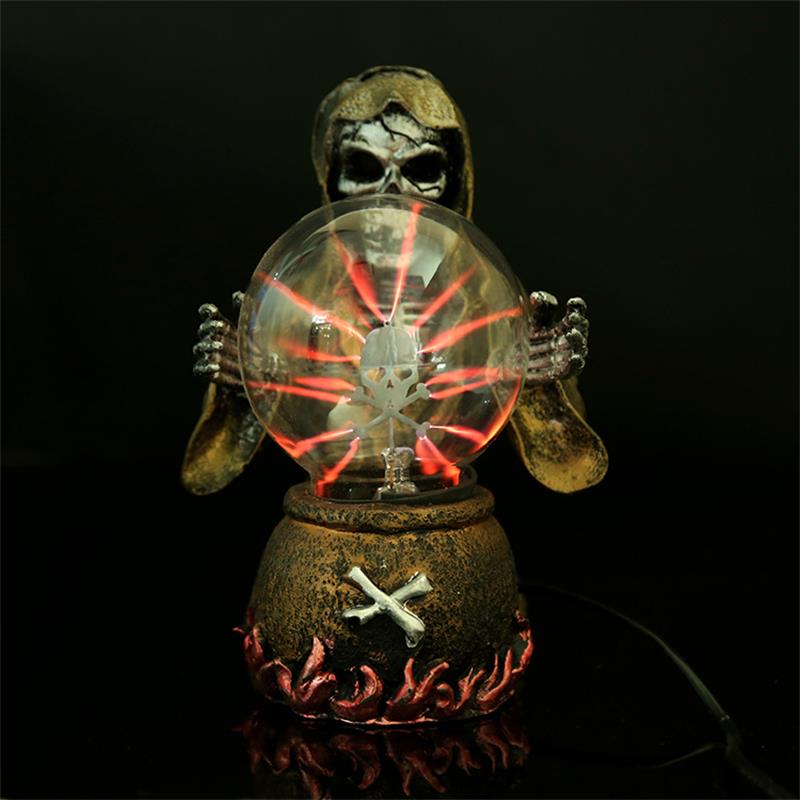
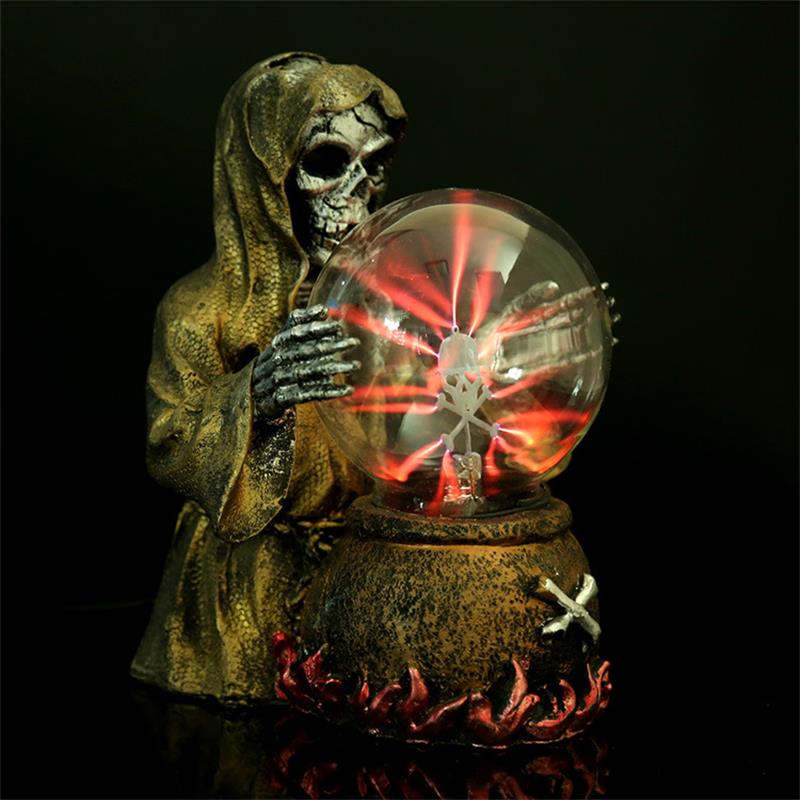
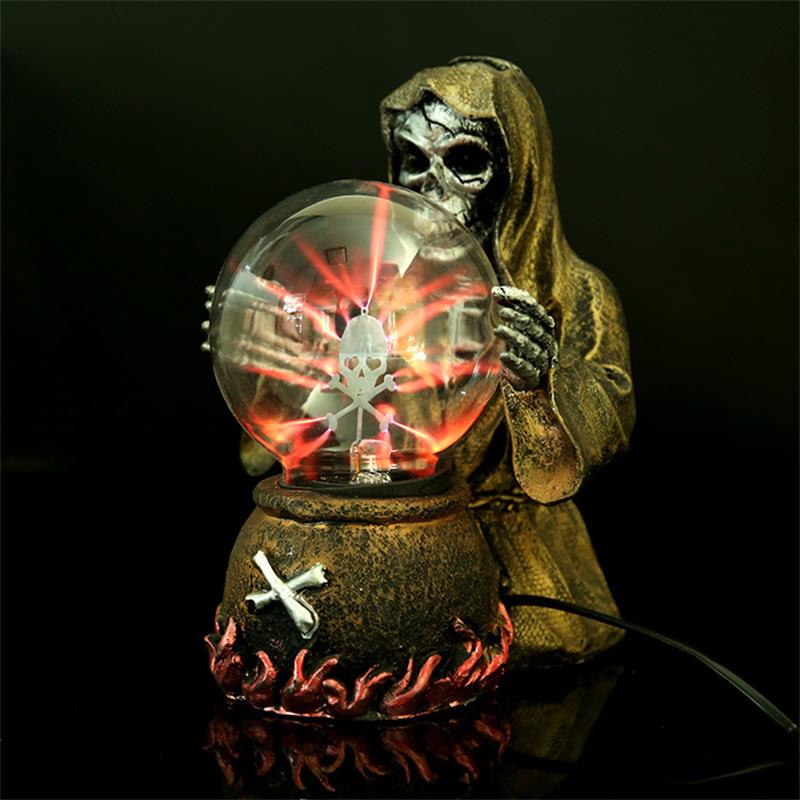
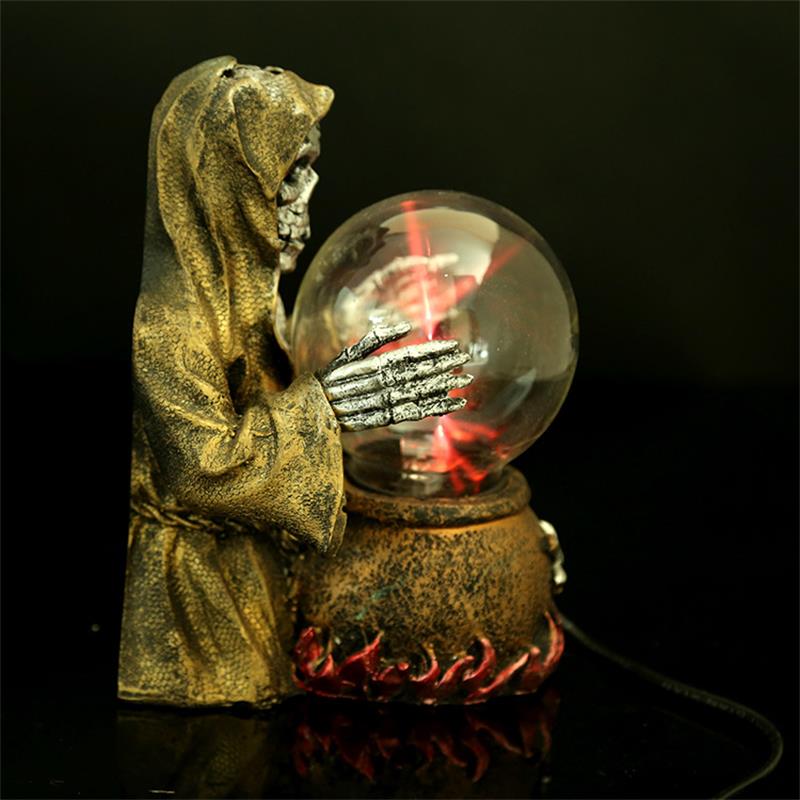
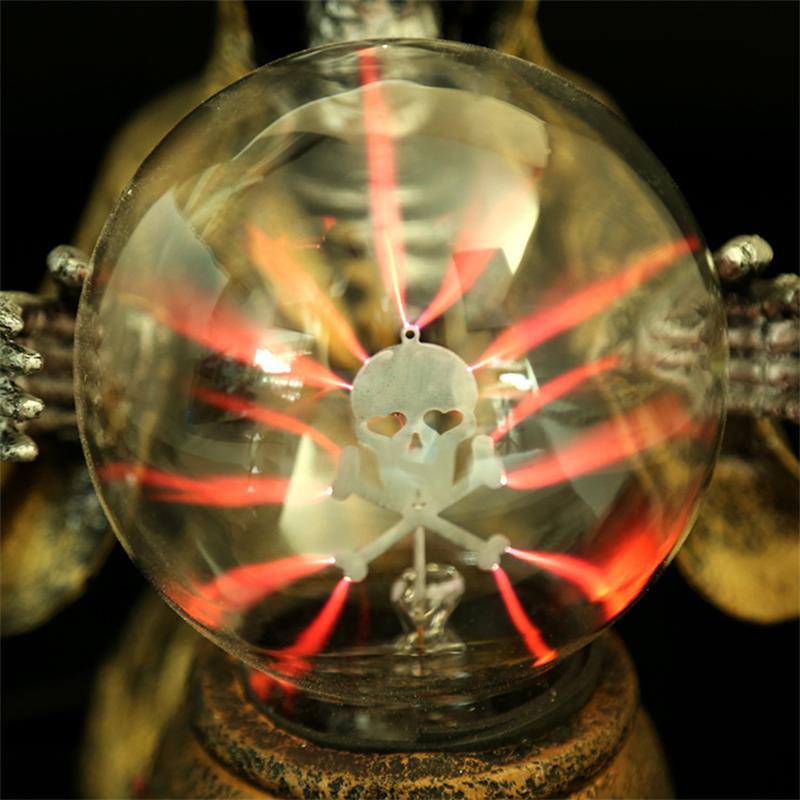
Skeleton Mage Figurine Casting Spell with Crystal Magic Orb
Some decorative objects sit quietly and wait to be noticed. This one does not wait. Skeleton mage figurine captured mid-spell, both hands raised around a crystal magic orb, brings a moment of frozen magic into a room. The pose is the point. The crystal is the focus. Together, they create a decorative piece that feels less like an object and more like a scene you have walked into.
This is not a figurine for every shelf. It is for the shelf that needs a centerpiece, the desk that needs a conversation starter, the display cabinet that needs a focal point with genuine presence. If you have been searching for a dark fantasy decoration that actually does something — visually, atmospherically — this type of piece deserves a closer look.
What Is This Product
This is a decorative figurine depicting a skeleton mage in the act of casting a spell. The defining features are twofold: the spellcasting pose, with both hands raised and positioned around a crystal magic orb, and the crystal orb itself, which serves as the visual and narrative center of the piece.
The figure is typically made from resin, the preferred material for detailed fantasy sculptures. Resin captures fine detail — bone texture, the folds of robes, the articulation of skeletal fingers — far better than plastic or ceramic. The crystal orb component may be made from clear resin, glass, acrylic, or a similar translucent material. Some versions incorporate a subtle internal glow or a faceted surface that catches light. Material specifics vary by maker; confirm details with the seller before purchasing.
The Spellcasting Pose
A mage holding an orb is one thing. A mage casting with an orb is another. The difference is in the hands. In a casting pose, both hands are active — raised, fingers spread or curved, palms oriented toward the orb as if channeling energy into it or drawing power from it. The body may lean slightly forward or backward, robes caught in a moment of motion.
This pose creates a sense of frozen action. The figure is not standing still. It is mid-spell, and the viewer has arrived at the exact moment when the magic is building. That narrative quality is what separates a spellcasting figurine from a static sculpture.
The Crystal Magic Orb
The crystal orb is the focal point the entire composition is built around. Depending on the specific piece, the orb may be:
– Clear and faceted, catching and refracting light
– Tinted or smoky, suggesting dark or ancient magic
– Internally textured, with swirls, cracks, or inclusions that mimic captured energy
– Glow-in-the-dark or LED-lit, for a more dramatic display effect
The orb‘s material and finish determine how the piece reads in a room. A clear crystal orb feels elegant and arcane. A dark or smoky orb feels more sinister. A glowing orb turns the figurine into a subtle light source.
Design Characteristics
Skeletal detail. The skull, fingers, and any exposed bone are where resin proves its value. Fine cracks, hollow eye sockets, the articulation of individual finger bones — these details reward close viewing.
Robes and drapery. The mage‘s robes add movement and texture. Look for layered fabric, tattered edges, or arcane embroidery that reinforces the scholarly undead aesthetic.
Base and stance. A stable base is essential, especially for a figure in a dynamic pose. A wide, weighted base keeps the figurine upright and secure on a shelf or desk.
Where Can It Be Used
Skeleton mage casting a spell with a crystal orb is a statement piece. It works best in spaces where a focal point is needed, or where the atmosphere already leans toward the mysterious.
Home Decoration
Living Room. On a coffee table, side table, or mantel, this figurine becomes a visual anchor. The spellcasting pose draws the eye. The crystal orb holds it. In a neutral or minimalist living room, this piece provides the contrast that keeps a space from feeling flat.
Bedroom. A nightstand or dresser placement suits bedrooms with dark academia, gothic, or witchy aesthetics. The figure becomes part of your private visual environment — the last thing you see before sleep.
Bookshelf. This is the figurine‘s natural habitat. Placed among books, it looks like it belongs — a small scene of magic tucked between spines and shelves. The crystal orb catches shelf lighting in a way that draws attention without being aggressive.
Floating Shelf. A floating shelf with a single figurine and perhaps one or two books creates a focused display. The skeleton mage becomes the star of a small, deliberate arrangement.
TV Cabinet. Placed to one side of a television, the figurine balances the visual weight of a large screen. It does not compete. It simply exists in its own pocket of atmosphere.
Entryway. An entryway console with a spellcasting skeleton mage greets guests with a clear signal: this is a home with a point of view.
Display Cabinet. For collectors, a glass-fronted cabinet protects the piece from dust and elevates it from decor to collection. The crystal orb, in particular, benefits from cabinet lighting.
Office Desk
Skeleton mage on a desk is a reminder that you have interests beyond work. The spellcasting pose — hands raised, orb glowing — suggests focus and intention. It is a small piece of atmosphere in a space that often lacks it.
Reception Area
In a creative agency, game studio, or tattoo parlor, a spellcasting figurine on the reception desk or a shelf behind it communicates the culture of the business without a word.
Retail Store & Counter Display
For shops selling fantasy-themed merchandise, curiosities, or alternative fashion, a skeleton mage figurine makes an effective counter display. The crystal orb draws the eye. The pose starts conversations.
Hotel Lobby & Restaurant
Boutique hotels and themed restaurants can use resin figurines as part of their interior styling. A skeleton mage casting a spell on a lobby shelf or bar cart adds a layer of intrigue that mass-produced decor cannot provide.
Coffee Shop
Independent coffee shops live by atmosphere. A skeleton mage on a shelf among coffee bags and brewing equipment signals that this is a place with character.
Gift Ideas
Skeleton mage figurine casting a spell with a crystal orb is a gift that requires knowing the recipient. That is what makes it meaningful.
For the fantasy reader. Someone with shelves full of fantasy novels will understand the appeal immediately. The figure is not from any particular franchise, which means it works as a general expression of the genre.
For the tabletop gamer. Painters and players of D&D, Pathfinder, or wargames appreciate the craftsmanship of resin. A display-quality spellcasting figurine can sit on a shelf alongside their miniatures.
Birthday. A memorable gift beats a practical one. A resin figurine has weight, detail, and permanence.
Housewarming. For someone moving into a new place, a distinctive decorative object helps them make the space their own.
Christmas. The dark aesthetic of a skeleton mage suits winter well. Gothic decor feels especially appropriate in the cold months.
Anniversary. For couples who share an interest in fantasy or alternative aesthetics, a figurine can mark an occasion without being conventionally sentimental.
Business & Corporate Gift. A gaming company, creative studio, or collector-friendly business might give a resin figurine as a gift that reflects the recipient’s personal interests.
Father‘s Day. Many fathers are also fantasy fans. A skeleton mage figurine acknowledges an actual interest rather than a generic category.
Commercial Applications
Beyond home decoration and gifting, resin figurines of this type find use in settings where visual identity matters.
Retail Display. On a shelf or counter, the figure draws the eye and breaks up the visual monotony of packaged products.
Hotel Decoration. Lobby shelves and suite desks benefit from objects with a story. A skeleton mage suggests a property that values atmosphere.
Restaurant Decoration. From a gastropub to a themed dining room, a resin figurine adds a focal point.
Office Reception. Creative businesses use reception areas to signal what they do. A spellcasting skeleton mage is appropriate for industries where imagination is part of the product.
Showroom & Model Room. Interior designers staging a space for a specific client demographic can use themed decor to communicate a lifestyle.
Interior Decoration Projects. Designers working on gothic revival, dark academia, eclectic, or fantasy-inspired interiors can incorporate a skeleton mage figurine as a finishing layer.
Why People Love It
The appeal of a skeleton mage casting a spell with a crystal orb is not purely visual, though the visual is where it starts.
Frozen action. The spellcasting pose captures a moment of magic in progress. It is not a static sculpture. It is a scene, and the viewer has arrived at the exact right moment.
The crystal focal point. The orb gives the eye somewhere to land. It catches light, reflects the room, and creates a natural center of attention.
Aesthetic contrast. In a world of beige interiors, a skeleton mage is a refusal. It says: this space has a point of view.
Artistic detail. Resin captures fine work. The skull‘s eye sockets, the articulation of fingers around the orb, the drape of robes — these details reward close viewing.
Atmosphere. Some objects change how a room feels. A dark fantasy figurine introduces a note of mystery.
Collection value. For collectors of fantasy art or dark aesthetic objects, each piece adds to a curated whole.
Gift value. As established above, it is a gift that requires some knowledge of the recipient. That effort is part of what makes it meaningful.
Frequently Asked Questions
What makes this figurine different from a standard skeleton mage statue?
The spellcasting pose and the crystal magic orb. A standard skeleton mage might stand with a staff or hold an orb passively. This figure is captured mid-spell, with both hands actively positioned around the crystal. That dynamic quality is what makes it a focal point rather than background decor.
Is the crystal orb actually crystal?
It depends on the maker. The orb may be made from clear resin, glass, acrylic, or another translucent material. Some versions incorporate internal textures, tinting, or glow effects. Confirm material details with the seller before purchasing if the orb‘s composition matters to you.
Can the figurine be displayed in a modern minimalist interior?
Yes, with intention. A single dark, detailed object against a neutral background can serve as the focal point a minimalist room needs. The contrast between clean lines and the intricate, dynamic form of the spellcasting skeleton mage can be visually striking.
How should I clean a resin figurine with a crystal orb?
Use a soft, dry brush (a makeup brush or clean paintbrush) to dust the surface. For the crystal orb, a microfiber cloth works well to remove fingerprints. Avoid soaking the figure or using harsh chemicals. Dry immediately if using a slightly damp cloth.
Is this a good gift for someone who is not into fantasy?
Probably not. The appeal is specific. It suits people who already enjoy fantasy, gothic aesthetics, horror, or tabletop games. For someone outside those interests, a different decorative object would likely be a better fit.
Where is the best place to display it?
Eye level is ideal. A bookshelf, console table, or desk where the figure is visible without being reached over or around. Avoid direct sunlight, which can fade painted details and damage resin over time. If the orb has a glow feature, a slightly darker display spot will make it more effective.
Can it be displayed outdoors?
No. Resin is not weatherproof. UV light, moisture, and temperature fluctuations will damage the material and finish. This is an indoor decorative object.
Does the crystal orb come pre-attached or separate?
This varies by maker. Some figurines have the orb permanently attached. Others may have it as a separate piece that rests in the mage’s hands. Check the product description before purchasing. If the orb is separate, handle both pieces carefully when cleaning or moving the figurine.
Will it match a dark academia aesthetic?
Yes. Dark academia leans into scholarship, mystery, and a slightly gothic sensibility. A skeleton mage — an undead scholar casting a spell with a crystal orb — fits that aesthetic almost too well.
Is this suitable for a child’s room?
Generally, no. Resin figurines are not toys. They can have small parts, thin points, and finishes not designed for handling. They are decorative objects for adults or older teens.