
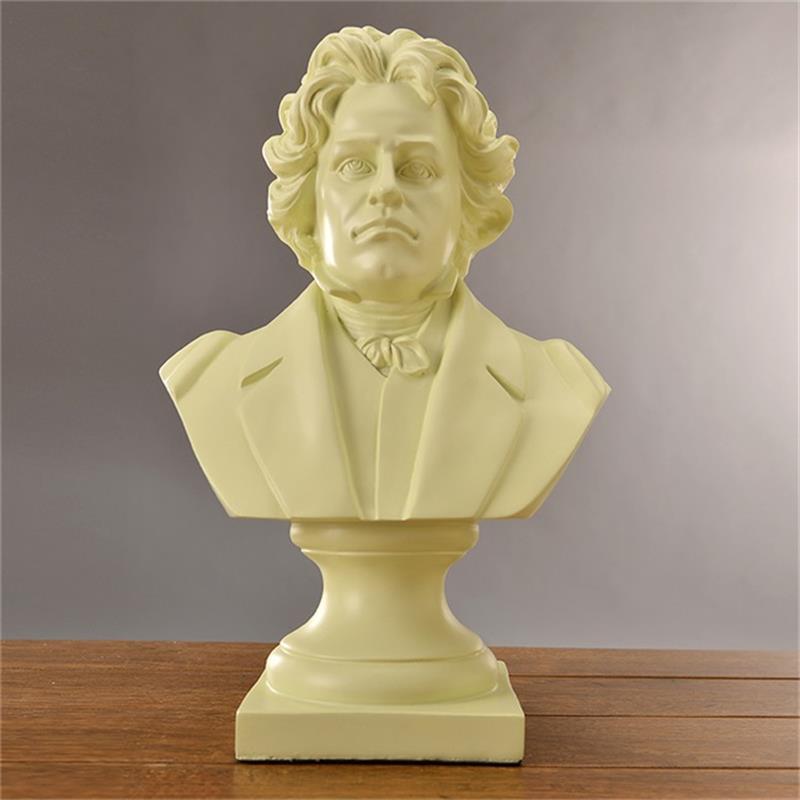
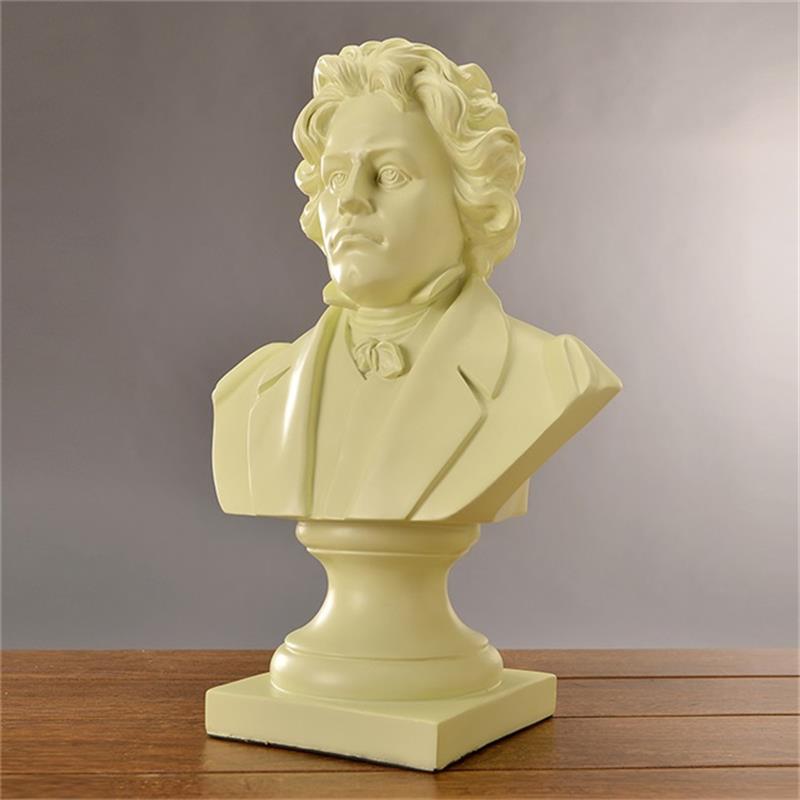
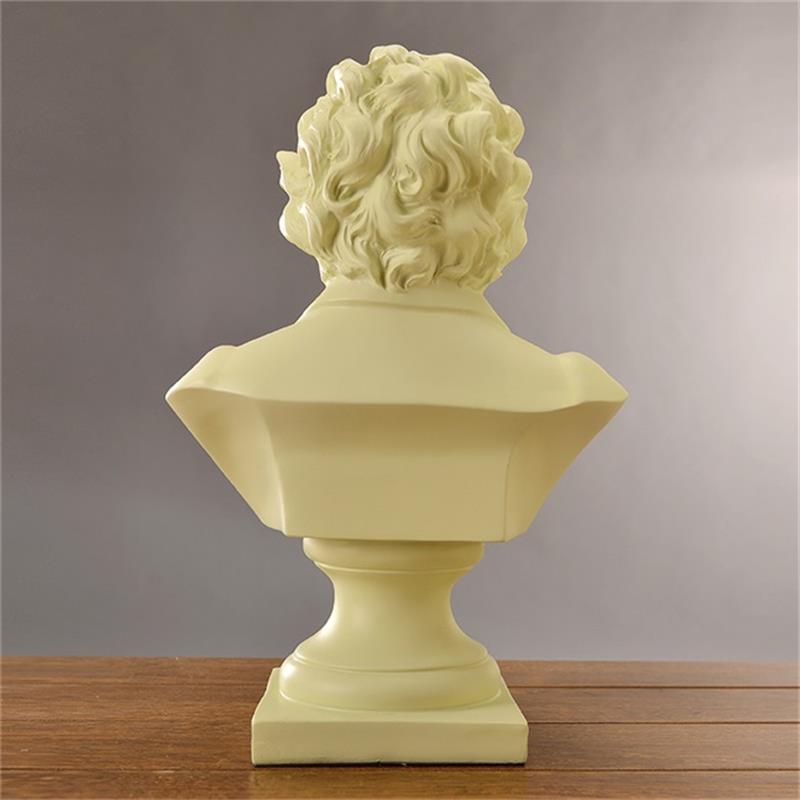
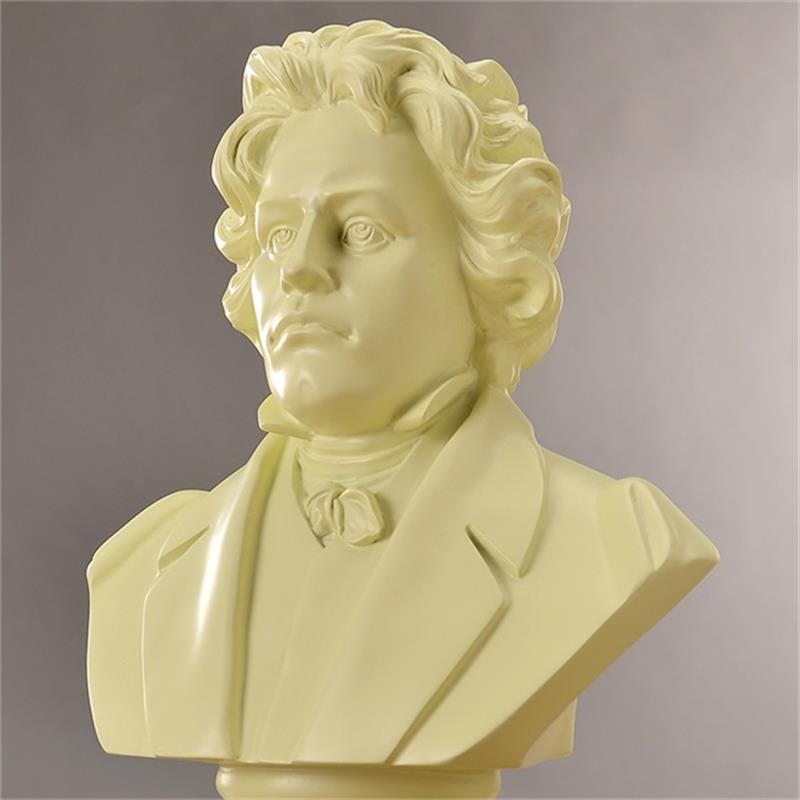
Beethoven Resin Bust – A Heartwarming Home Accent Gift
A Quiet Corner for Beethoven
Some pieces arrive in a home with a story already attached. This country-style Beethoven bust began as a small idea between a mother and her daughter—a way to keep a little music in the house after the family piano was sold. They wanted something that felt less like a statue and more like a friend who had wandered in from another century, dust on his shoes and a symphony still humming somewhere behind his eyes. That is where the idea started: not a monument, but a gentle presence for a quiet corner.
The daughter, now grown and living in a small apartment with thin walls and a neighbor who practiced scales at odd hours, found herself missing the old piano more than she expected. She didn’t miss playing it—she had never been very good—but she missed the way the house felt when someone was making music. So she went looking for something that could sit on a shelf and remind her of that feeling. What she found was this Beethoven bust: roughly shaped, a little weathered, with the kind of face that looks like it has been listening to something beautiful for a very long time.
When it arrived, she set it on the windowsill first, just to see. The afternoon light caught the resin in a way that made the surface look almost like carved stone that had spent years outdoors—softened at the edges, warm in the hollows. It stands about 44cm tall, with a base roughly 28cm wide and 16cm deep, so it has a real presence without crowding a room. At a glance, it reads as a decorative table sculpture, the sort of thing you might find in a country inn or a bookshop that sells old sheet music. But up close, the texture tells a different story: the resin is finished to feel slightly rough in places, smooth in others, with a patina that shifts between grey and warm brown depending on the light. It doesn’t pretend to be marble. It pretends to be something better—something that has lived.
She moved it three times in the first week. On the desk, it felt like a quiet companion during long work calls. On the shelf display in the living room, it became a conversation piece when her mother visited. Finally, it landed on a small side table near the window, where the morning sun hits it first. That’s where it stayed. Her mother, who had been skeptical of “another thing to dust,” admitted that it made the room feel different—less empty, somehow. Like the piano had never really left.
That is the thing about a piece like this. It doesn’t demand attention. It sits, it listens, it holds a little space for whatever you bring to it. For the daughter, it holds the sound of her mother playing badly but happily on Sunday afternoons. For her mother, it holds the memory of teaching a stubborn child to find middle C. For a collector, it might hold something else entirely—a love of classical music, a fondness for country-style home accents, or simply an appreciation for a decorative table sculpture that doesn’t look like everything else on the shelf.
The sizing makes it flexible in a way that matters for real homes. At 28cm wide and 16cm deep, it fits on a bookshelf without hanging over the edge, on a console table without blocking the hallway, on a desk without stealing the whole workspace. The 44cm height gives it enough scale to anchor a small arrangement—a stack of books, a dried flower stem, a candle—without needing a whole shelf to itself. It is the kind of home accent that works in a living room, a study, a bedroom corner, or even a small entryway where you want something to greet you when you walk in.
As a gift, it carries a certain weight that a scented candle or a picture frame doesn’t. It says something specific: I know you love music, or I remember your old piano, or I thought this looked like the kind of thing you’d keep. For a family member, it can mark a transition—a move, a retirement, a new chapter in a smaller place. For a friend who collects, it adds a piece to a shelf without competing with what’s already there. For a corporate client looking for a thoughtful gift for a music lover or a long-time employee, it strikes a balance between personal and professional, decorative and meaningful.
The finish on the resin is worth mentioning for anyone who cares about texture. It isn’t glossy. It doesn’t reflect the room like a mirror. Instead, it absorbs light gently, with a matte quality that makes the shadows around the eyes and the collar of the coat feel deeper than they are. In the evening, under a warm lamp, the bust looks almost like it’s made of old wood—soft, settled, patient. In daylight, the grey tones come forward, and it reads more like stone. That shift is part of its charm. It doesn’t stay the same all day, and that keeps it interesting.
There is no maintenance ritual required beyond a light dusting, no special cloth or solution. It doesn’t need to be kept away from windows or handled with gloves. It is, in the practical sense, an easy piece to live with—which matters for a keepsake gift that you hope will stay out on display rather than get packed away for safekeeping. The resin construction gives it a solid, grounded feel without the weight of actual stone, so it can be moved from room to room without worry, and it can sit on a shelf that isn’t reinforced for heavy loads.
For collectors, the appeal is in the details: the way the hair is shaped in loose, country-style waves rather than a formal wig; the slightly uneven base that suggests hand-finishing; the expression that lands somewhere between concentration and calm. It isn’t a formal portrait bust. It’s the kind of decorative table sculpture that fits into a collection of old books, brass instruments, vintage sheet music, or handmade ceramics. It plays well with others. It doesn’t need to be the centerpiece, though it can be.
In the end, the daughter kept the bust on the side table by the window. Her mother, visiting one afternoon, reached out and touched the top of the head—the way you might pat a familiar dog—and said, “It’s nice to have him here.” That is probably the best way to describe what this piece does. It makes a room feel like someone is there. Not in a loud way. Not in a way that demands conversation. Just a quiet presence, a little music in the corner, a home accent that holds a story and waits for yours.
Leave Your Message
Related PRODUCTS
-
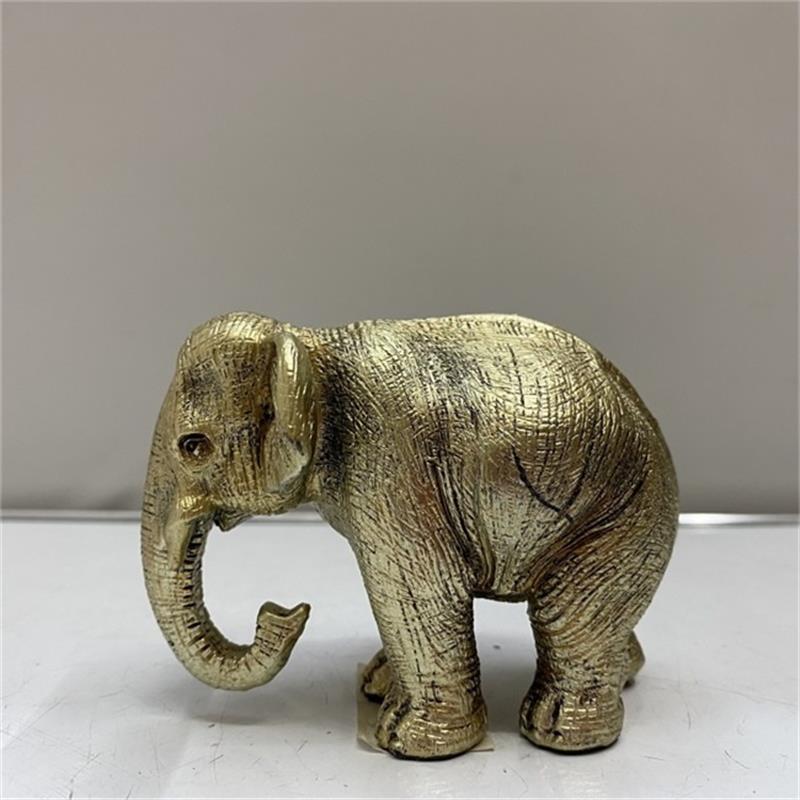
Minimalist Elephant Resin Sculpture | Artisanal Home Decor
-
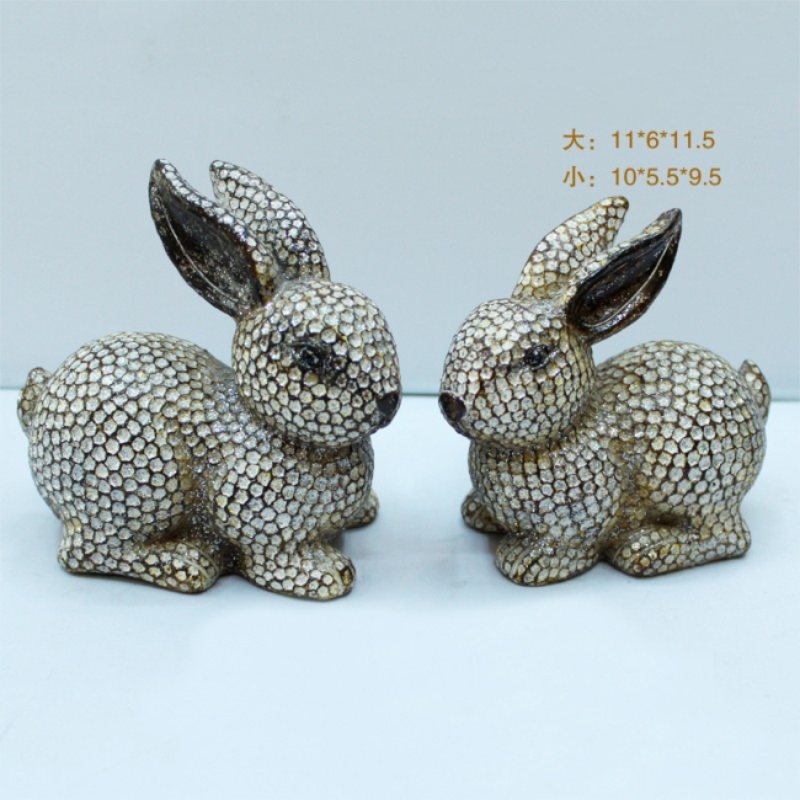
Pair of Rabbit Resin Ornament | Warm Handcrafted Home Decor Gift
-
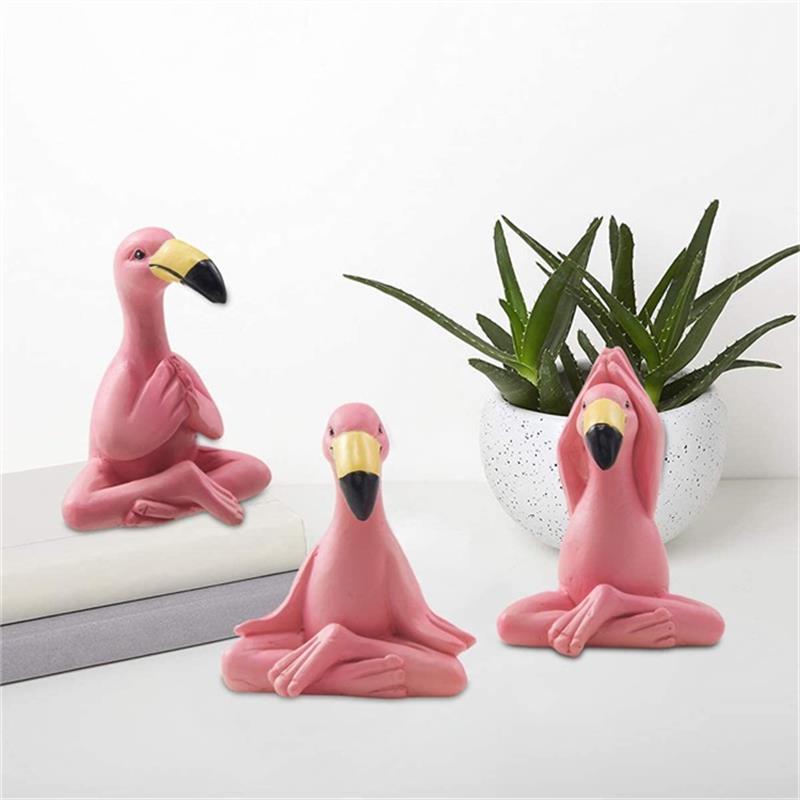
Mini Flamingo Yoga Statue | Calming Resin Desk Decor
-
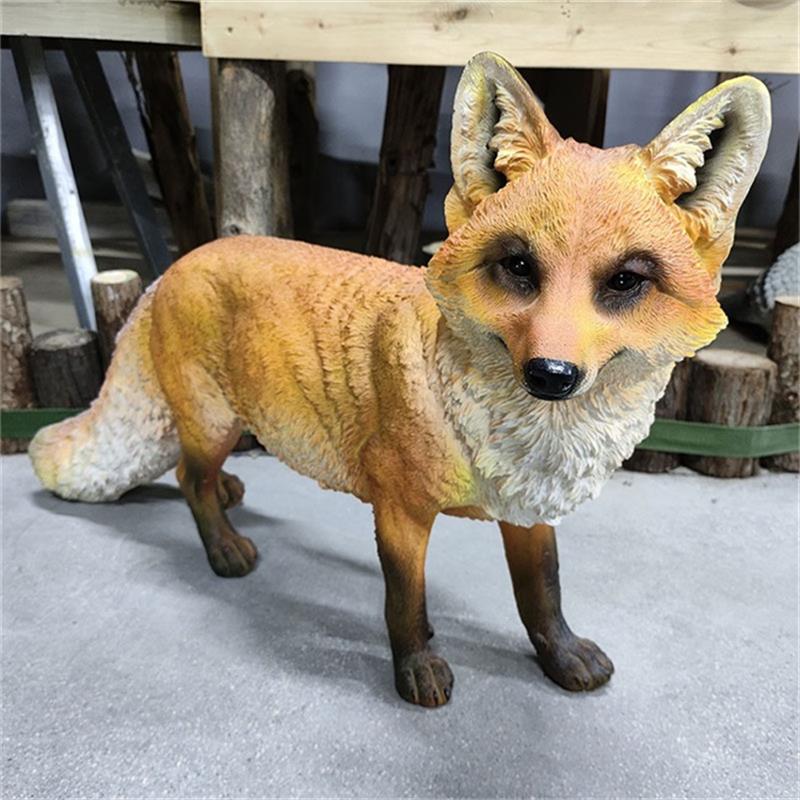
Resin Fox Garden Sculpture – A Story-Driven Home Accent
-
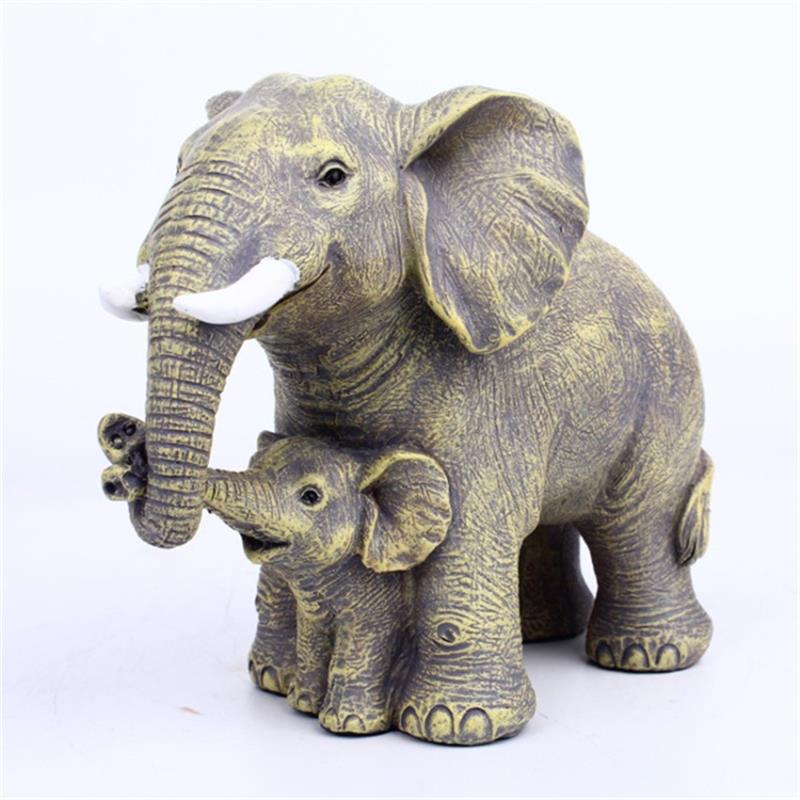
Mother & Child Elephant Sculpture | Minimalist Resin Decor
-

Banana Resin Figurine – A Sweet Little Home Gift