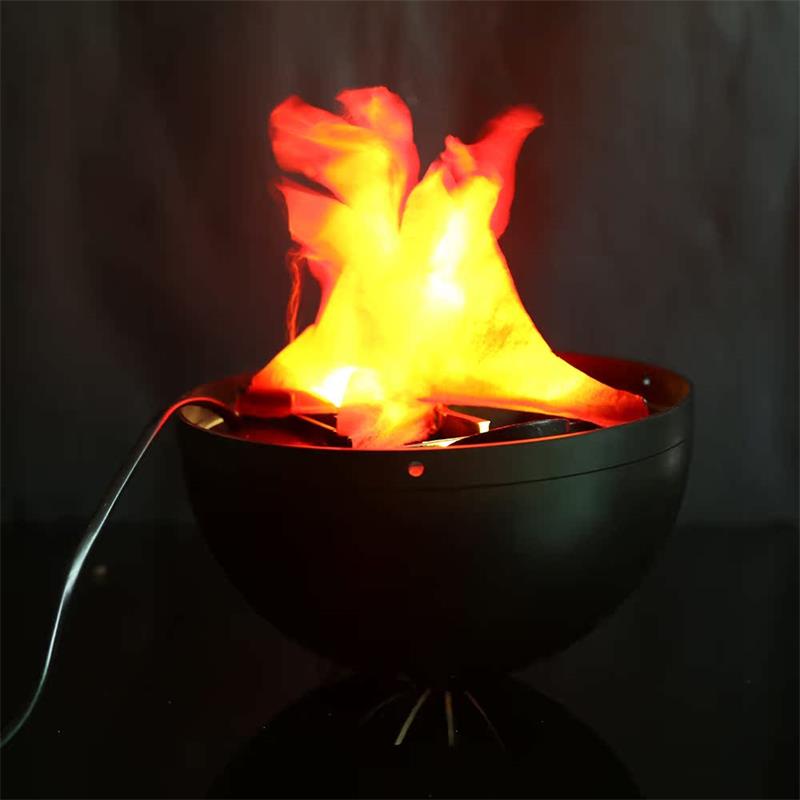
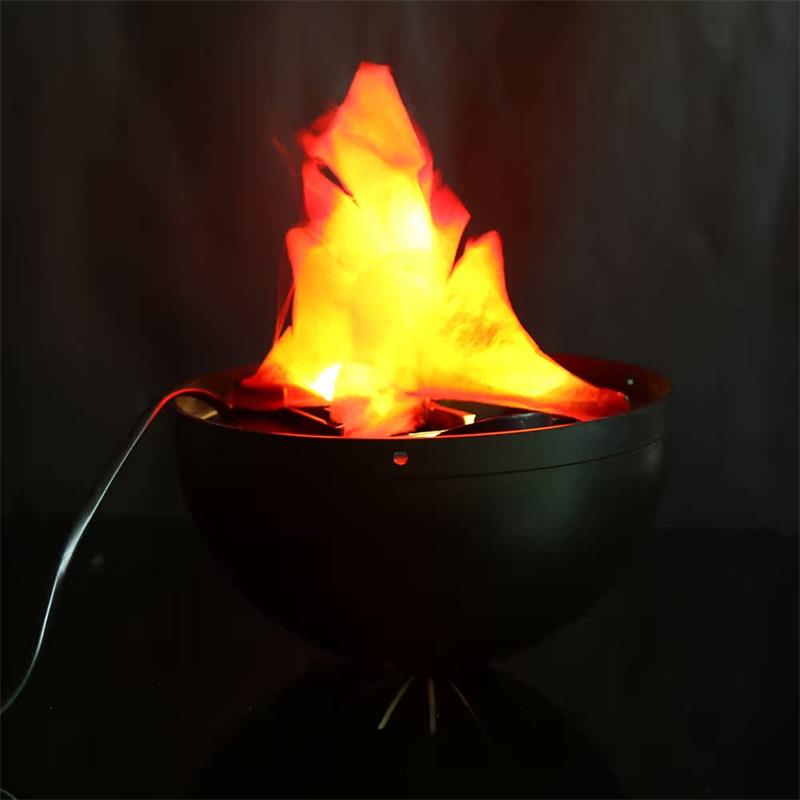
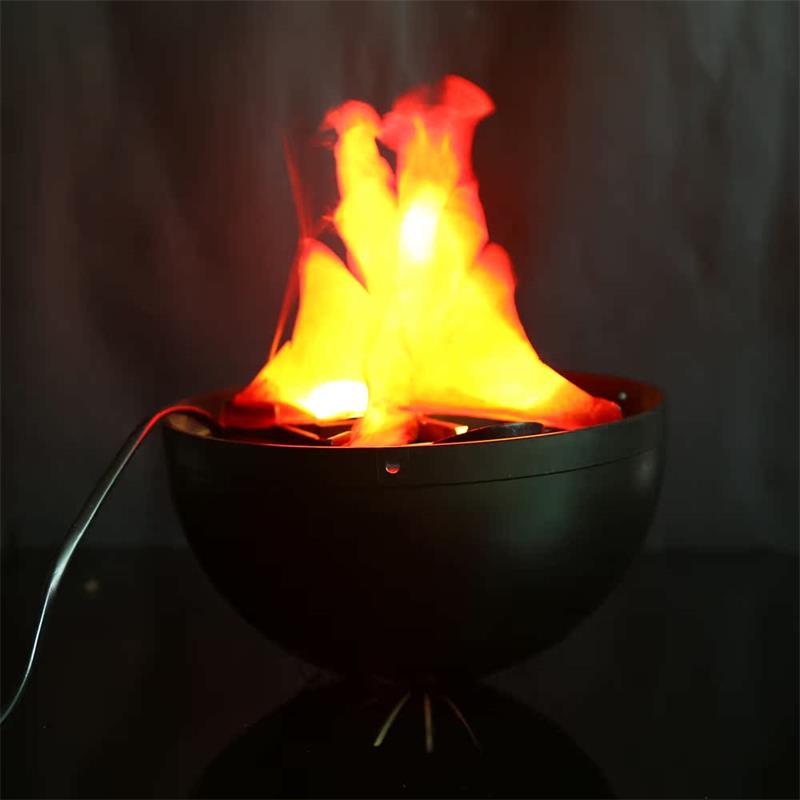
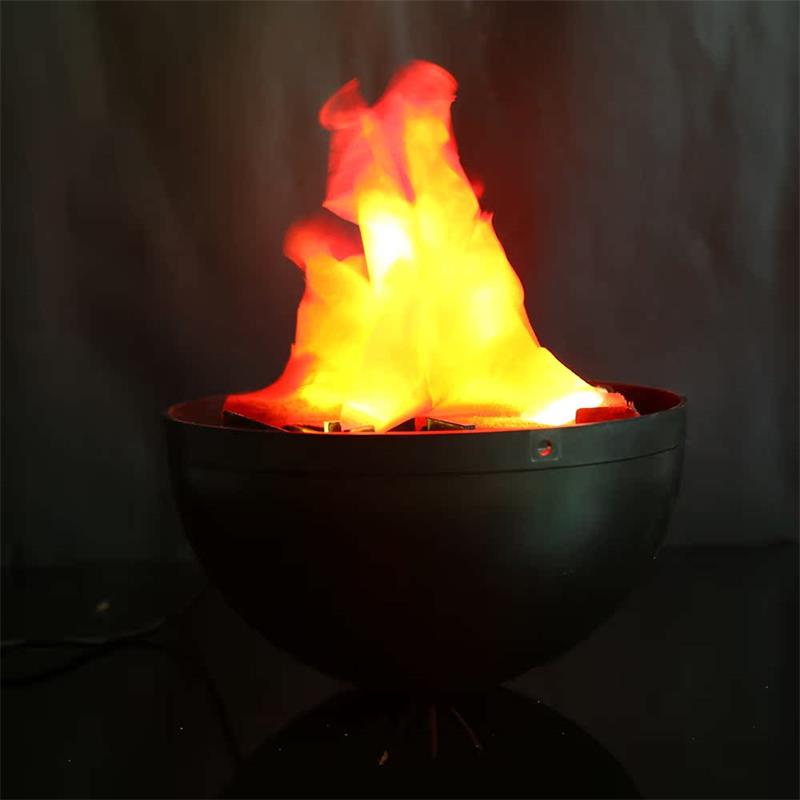
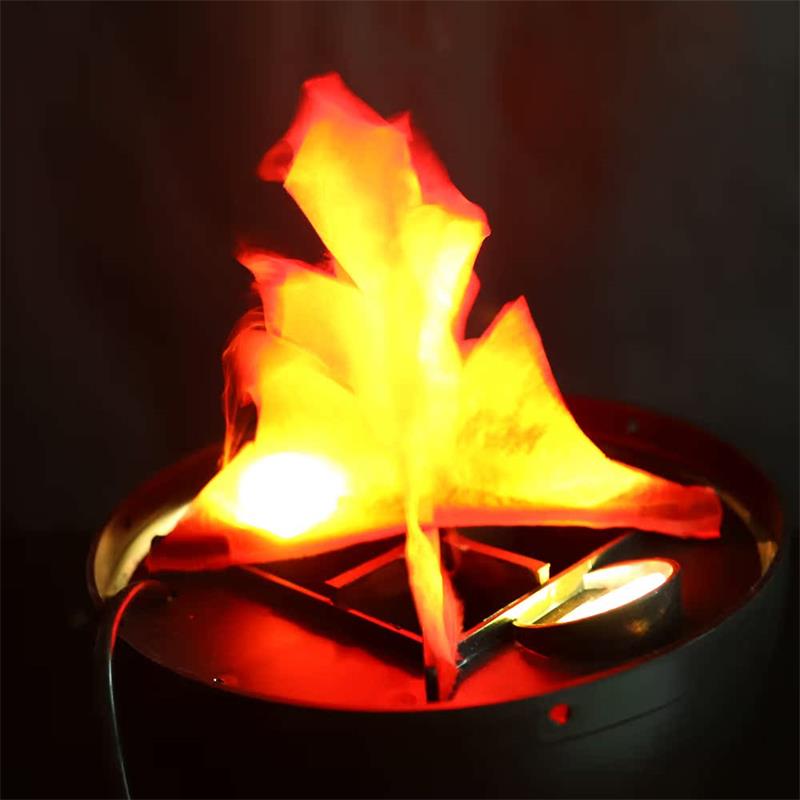
Simulated Hanging Flame Resin Artware
Some decorative pieces fill a space. Others transform it. Simulated hanging flame resin art piece belongs to the latter category—a wall-mounted sculpture that captures the hypnotic quality of a flickering flame without a single spark, wick, or open fire.
These pieces have grown increasingly popular among homeowners, interior designers, and commercial space planners who want the visual and emotional warmth of fire without the practical constraints. Real fireplaces require chimneys, venting, regular maintenance, and constant supervision. Candles demand attention and carry obvious risks. A simulated flame resin artwork offers a third path: the ambiance of fire, rendered as a permanent, safe, and maintenance-free decorative object.
The appeal extends across a surprisingly broad audience. Homeowners looking for a statement piece for a living room or entryway. Office managers wanting reception-area decor that feels warm and inviting without being generic. Restaurant and coffee shop owners seeking ambiance that survives health inspections and busy service hours. Gift buyers hunting for something more memorable than a candle or a picture frame. Collectors drawn to sculptural, three-dimensional wall art that stands apart from flat prints and photographs.
This guide explores what these pieces are, where they work best, how to style them, and why they have earned a place in contemporary interior design—both in residential and commercial settings.
What Is a Simulated Hanging Flame Resin Art Piece
Simulated hanging flame resin art piece is, at its core, a wall-mounted sculpture. The “simulated flame” element typically refers to a molded or cast resin form shaped to evoke the movement and silhouette of fire—curving tongues, tapering tips, layered depths. The resin itself allows for remarkable detail and a translucent quality that catches and diffuses light in ways that ceramic, metal, or wood cannot.
The “hanging” aspect describes the mounting style. Unlike framed art that sits flat against the wall, these pieces often project outward to varying degrees, creating shadow play and a sculptural presence. Some designs incorporate multiple cascading flame forms; others present a single, concentrated burst of fire imagery.
Design Characteristics
The most compelling examples share several qualities. First, dimensionality: the piece reads as a sculptural object rather than a printed image. Second, material honesty: resin offers a smooth, slightly glossy finish that mimics the fluid quality of molten glass or flowing wax without the fragility of either. Third, visual weight: flame motifs inherently draw the eye because the human brain is wired to notice movement and light. A well-executed resin flame captures that attention even when static.
Material Notes
Resin is a remarkably versatile material for decorative objects. It can be cast with varying degrees of translucency, tinted to achieve specific hues (from deep amber to pale gold to abstract colorations), and finished with matte, satin, or high-gloss surfaces. It resists moisture and is generally durable in indoor environments. It does not rust, warp, or degrade with normal humidity fluctuations. Like any decorative object, resin art benefits from gentle cleaning and protection from prolonged direct sunlight, which can affect color over time. Specific care instructions should always come from the manufacturer or retailer, as formulations vary.
Who Is This For
The audience is broader than one might expect. At home, it suits anyone drawn to the emotional quality of firelight—warmth, intimacy, contemplation—but who prefers a permanent, safe installation. Interior designers use these pieces when a client wants something unexpected: a wall accent that provokes conversation rather than fading into the background. In commercial contexts, they appeal to business owners who understand that ambiance affects how customers feel, linger, and return.
Where Can It Be Used
One of the most practical questions about any decorative object is simply: where does it actually go? A simulated hanging flame resin artwork is more flexible than many buyers initially assume. Its sculptural nature means it functions as a focal point, but its size and mounting method allow it to work in spaces both grand and intimate.
Home Decoration
Living Room. This is the most natural placement. A flame-themed piece above a sofa, beside a media console, or on a large blank wall anchors the room with warmth. It pairs especially well with neutral palettes—whites, greys, warm woods—where the resin flame becomes the single point of visual heat. If the room already has a fireplace, the artwork can echo that motif in a secondary zone.
Bedroom. Bedrooms benefit from decor that feels calming and cocooning. A flame sculpture in amber or muted gold tones adds warmth without visual noise. Placed opposite the bed or above a dresser, it serves as a quiet, contemplative piece. Avoid overwhelming the space—one well-placed piece is sufficient.
Entryway. The entryway sets the tone for everything that follows. A hanging flame resin piece mounted above a console table or in a niche creates an immediate sense of warmth and welcome. The reflective quality of resin catches ambient light, so even a dim hallway can benefit. Entryway placement also gives the piece maximum visibility—everyone who enters the home sees it .
Bookshelf or Floating Shelf. Not every placement needs to be wall-mounted in the traditional sense. A smaller resin flame form can rest on a shelf, styled between books, ceramics, and other objects. The key is height variation and visual breathing room . A flame piece nestled among other decor adds a layer of dimension that flat objects cannot.
TV Cabinet. Media consoles often suffer from a visual problem: the television dominates, and the surrounding wall feels empty or awkward. A simulated flame resin artwork placed on or beside the TV cabinet can balance the composition, drawing the eye outward from the screen and softening the technology’s coldness .
Display Cabinet or Collection Showcase. For collectors, a flame resin piece can function as a centerpiece within a curated display. It interacts with light in ways that flat art cannot—catching reflections, casting subtle shadows—and provides a three-dimensional counterpoint to smaller objects.
Office Desk. On a desk, a smaller flame resin object (whether wall-mounted above the desk or resting on the surface) offers a moment of visual interest during work hours. It is the kind of object that draws the eye in moments of pause—a quality that many knowledge workers find grounding rather than distracting.
Commercial Applications
Office Reception. Reception areas need decor that communicates a brand’s personality without demanding attention. A simulated flame resin artwork signals warmth, creativity, and sophistication. It works equally well in creative agencies, professional services firms, and tech offices seeking to soften their aesthetic.
Hotel Lobby. Hospitality spaces live or die by atmosphere. A hanging flame resin piece in a hotel lobby or corridor adds a layer of intimacy and theatricality that generic abstract art cannot match. It gives guests something to notice and remember.
Restaurant and Coffee Shop. Dining and café environments benefit from lighting and decor that encourage lingering. A faux flame sculpture—especially one that catches the glow of pendant lights or candlelight—reinforces the emotional experience of the space. It is also permanently safer than candles or open flames in a food-service environment.
Retail Store. Retail displays need objects that stop the eye and signal taste. A resin flame piece can anchor a seasonal display, serve as a countertop focal point, or draw customers deeper into the store.
Showroom and Model Room. Property developers and interior showrooms use decorative objects to help buyers imagine the lifestyle a space offers. A simulated flame resin artwork suggests warmth, comfort, and thoughtful design—qualities that resonate with residential buyers.
Interior Decoration Projects. Designers specify these pieces when a project needs a distinctive wall moment that is not a painting or a mirror. The sculptural quality of resin flame art adds a layer of material and light play that flat decor cannot replicate .
Gift Ideas
Decorative objects occupy a special place in gift-giving because they are simultaneously personal and lasting. A candle burns out. Flowers fade. A resin flame sculpture remains on the recipient’s wall or shelf—a permanent reminder of the gesture.
Birthday. For someone who has refined taste and an appreciation for unusual objects, a simulated flame resin piece is a memorable birthday gift. It signals that the giver put thought into selecting something distinctive rather than defaulting to a gift card or generic home accessory.
Wedding. Wedding gifts typically lean toward practical registry items, but a curated decorative piece can be a welcome exception—especially for couples who have already established a home and value art and ambiance. A flame resin sculpture is the kind of object that becomes part of a couple’s shared space.
Housewarming. The housewarming occasion is practically designed for decorative objects. A new homeowner is in the process of shaping their space, and a distinctive wall piece offers both a gift and a suggestion—a starting point for a room’s visual identity.
Christmas. Holiday gifting often revolves around warmth and light. A simulated flame resin artwork aligns perfectly with that theme, offering a permanent version of the seasonal glow that fills homes in December.
Mother’s Day. For mothers who appreciate home aesthetics and meaningful decor, a flame resin piece offers a gift that is both beautiful and functional—it contributes to the atmosphere of the home rather than adding to clutter.
Father’s Day. Flame motifs and sculptural objects appeal to many fathers who enjoy distinctive home decor, particularly those with an interest in industrial design, fireplaces, or masculine-leaning interior styles. It is a departure from the standard tie-and-gadget gift script.
Anniversary. Anniversary gifts benefit from symbolism and permanence. A decorative object that will remain in the couple’s home for years—catching light, prompting memories—carries meaning beyond the moment of giving.
Business Gift and Corporate Gift. A simulated flame resin artwork can serve as a sophisticated corporate gift for clients, partners, or executives. It occupies a middle ground between impersonal branded merchandise and overly personal gifts. It says: we chose something with aesthetic merit, not just a logo.
Festival Gift. Beyond Christmas, various cultural festivals involve gift-giving and home decoration. A flame-themed piece can complement seasonal decor while remaining relevant year-round.
Commercial Applications in Detail
The commercial market for decorative objects is distinct from residential in several important ways. Commercial buyers need pieces that perform across multiple criteria: aesthetic impact, durability, consistency, and alignment with brand identity .
Retail Display. In retail, every object on the floor contributes to the story a brand tells. A simulated flame resin artwork can serve as a display anchor—a piece that draws customers toward a particular zone and signals the taste level of the merchandise. Its reflective surface and sculptural profile work well in boutique environments where lighting is carefully controlled.
Hotel Decoration. Hotels use decorative objects to differentiate rooms and public spaces from competitors. A hanging flame resin piece in a lobby, corridor, or guest room adds a layer of intentionality—the sense that someone designed this space with care. It also photographs well, which matters for hotels that rely on visual marketing.
Restaurant Decoration. Ambiance is a core product in hospitality. A flame-themed sculpture reinforces the emotional experience of dining—warmth, intimacy, indulgence—without the practical and regulatory complications of actual flames. It works in dining rooms, bars, waiting areas, and private dining spaces.
Office Reception. As noted earlier, reception-area decor communicates brand personality. A simulated flame piece suggests creativity, warmth, and a willingness to depart from convention. It is particularly effective in offices that want to feel human rather than corporate.
Showroom. Showrooms function as physical arguments for a product or lifestyle. A decorative flame sculpture can support that argument by demonstrating how a space might feel—what kind of ambiance is possible when design choices are made with intention.
Model Room. In real estate, model rooms help buyers project themselves into a future home. Decorative objects are part of that projection. A simulated flame resin artwork contributes to a sense of warmth and livability that empty rooms cannot convey.
Interior Decoration Project. For designers and decorators, these pieces solve a specific problem: how to fill a wall or shelf with something that reads as art but is not a painting or print. The sculptural, dimensional quality of resin flame art adds material diversity to a scheme—a different texture, a different interaction with light .
Why People Love It
The reasons people gravitate toward simulated hanging flame resin art are not purely aesthetic. They are emotional, practical, and social—a combination that explains the category’s staying power.
Aesthetic Appeal. The visual language of flame is universal. It evokes warmth, energy, transformation, and life. Rendered in resin, the flame motif gains a material quality that feels simultaneously organic and refined. The translucency of resin allows light to pass through or catch on the surface, creating subtle variations that change with the time of day and the lighting in the room.
Artistic Value. These pieces sit at the intersection of sculpture and decorative art. They are not paintings, not prints, not photographs. They are objects—things with dimension, shadow, and material presence. That quality appeals to people who want their walls to feel curated rather than decorated.
Space Ambiance. The most immediate effect of a flame-themed object is the way it changes the feeling of a room. It introduces warmth—not literal heat, but the psychological warmth that comes from associations with firelight, candlelight, and hearth. In spaces that feel cold, sterile, or overly modern, this emotional shift can be transformative.
Collectible Potential. Resin decorative objects are increasingly collected, particularly pieces with distinctive designs, limited production, or recognizable artistic voices. A simulated flame sculpture can be the beginning of a collection or a notable addition to an existing one. Collectors appreciate the material quality and the sculptural presence that distinguishes resin art from mass-produced wall decor.
Gift Value. As explored above, these pieces make unusually effective gifts. They are memorable, distinctive, and durable. They say something about the giver’s taste and consideration.
Display Value. Finally, these pieces are simply satisfying to display. They reward placement. They look different in morning light versus evening light. They interact with the objects around them. For people who enjoy the act of styling and rearranging their spaces, a sculptural wall object offers ongoing engagement—a quality that flat art rarely matches .
Frequently Asked Questions
What makes a simulated hanging flame resin art piece unique?
The combination of the flame motif with resin as a material. Flame is inherently dynamic and emotional; resin allows that emotion to be captured in a permanent, sculptural form. The hanging or wall-mounted presentation adds dimensionality that flat art cannot offer. It is simultaneously a decorative object, a sculptural piece, and an ambiance generator.
Is it suitable for modern interiors?
Yes, with the right styling. The key is allowing the piece breathing room. In a minimalist space, a single flame resin artwork can serve as the focal point—the one object of visual heat in an otherwise calm palette. In more eclectic interiors, it can layer with other objects. The piece works best when its surroundings do not compete with it.
Can it be displayed in an office?
Absolutely. Offices benefit from decor that softens the environment and provides visual interest during long work sessions. A simulated flame piece above a desk or in a reception area adds warmth and personality. It is particularly effective in offices that want to avoid a sterile, corporate aesthetic.
Is it a good gift idea?
It is an excellent gift for the right recipient—someone who appreciates distinctive decor, values ambiance, or is in the process of shaping their home or workspace. It is less suitable for someone with very traditional tastes or minimal interest in home decoration. But for the right person, it is far more memorable than a candle or a picture frame.
How should it be cleaned?
Resin surfaces are generally easy to maintain. Dust with a soft, dry cloth or a soft brush. For deeper cleaning, a slightly damp cloth with mild soap can be used, followed by drying with a soft cloth. Avoid abrasive cleaners, harsh chemicals, and prolonged soaking. Specific care instructions should come from the manufacturer, as resin formulations vary .
Where is the best place to display it?
The best placement depends on the piece’s size and the room’s composition. Common placements include above a console table in an entryway, on a focal wall in a living room, in a reception area, or styled on a shelf with other objects. The key is ensuring the piece has enough space around it to read clearly .
Can it be used for commercial decoration?
Yes. Commercial applications include office receptions, hotel lobbies, restaurant dining rooms, retail displays, showrooms, and model rooms. The piece should be selected with the space’s scale, lighting, and brand identity in mind. For commercial projects, durability and consistency across multiple units are important considerations .
Does it match minimalist home decor?
It can, if styled intentionally. Minimalism is not about emptiness—it is about intention. A single simulated flame resin artwork on a clean wall can be profoundly minimalist: one object, carefully chosen, given space to be seen. The mistake would be surrounding it with clutter. In a minimalist context, the piece becomes the statement.