
Minimalist Missile Resin Sculpture for Modern Decor
The room had almost nothing in it.
A low oak bench. A single linen curtain. One ceramic cup, still warm. The walls were bare, not because they were unfinished, but because everything unnecessary had been removed. What remained was chosen.
On the shelf sat a missile.
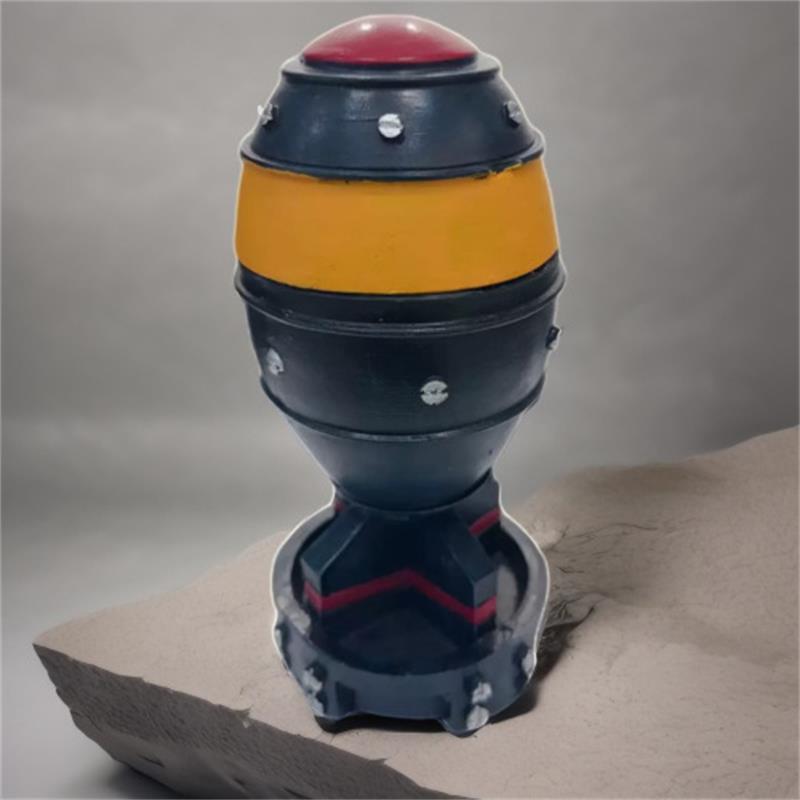
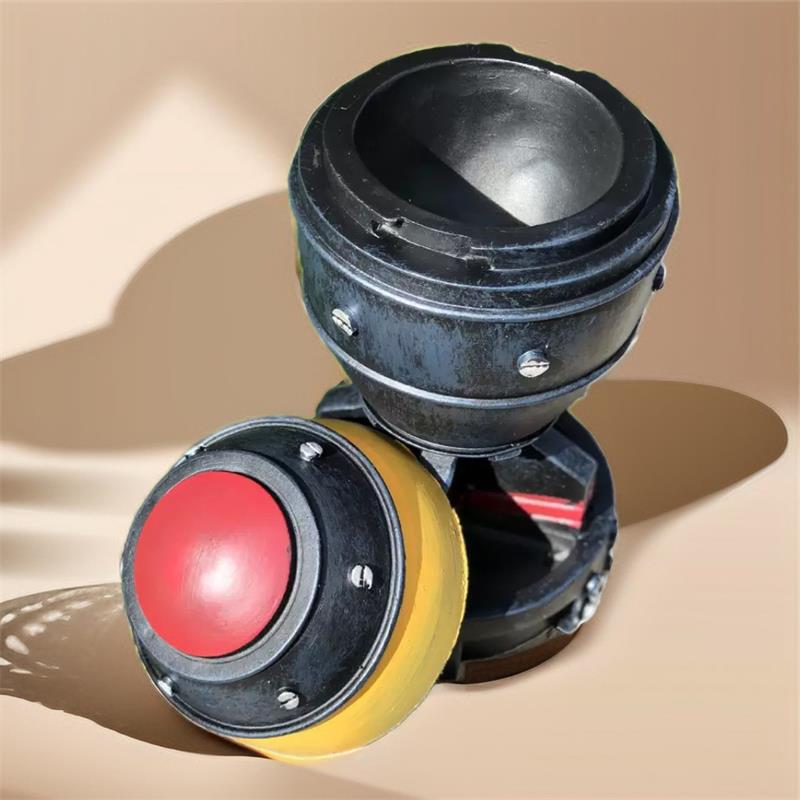
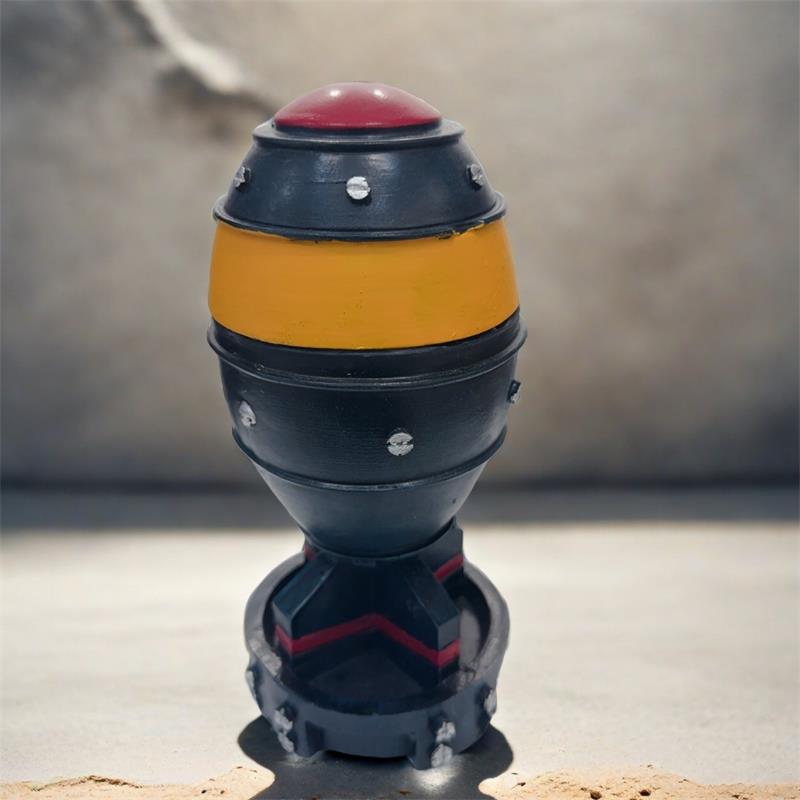
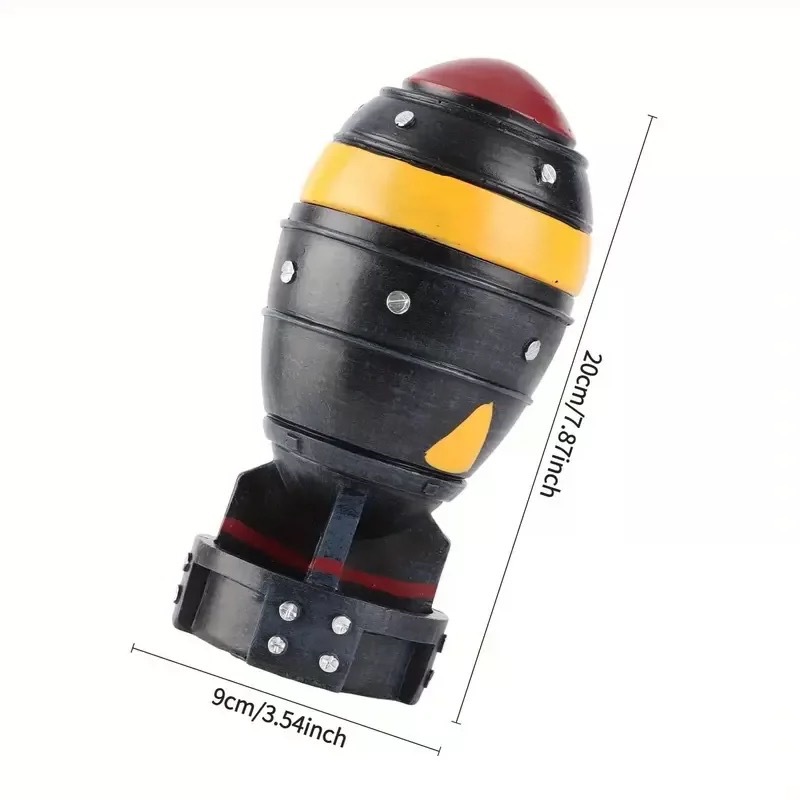
It was not loud. It was not political. It was not even ironic, though a few guests assumed it was. It was a resin sculpture, 24cm tall, 16cm wide, 12cm long, with a smooth matte surface that caught the afternoon light without shining. The shape was familiar, but the scale was domestic. It belonged on a shelf the way a stone belongs in a riverbed.
The owner had bought it on a quiet Tuesday. No occasion. No gift wrap. Just a simple decision: the room needed one object that held tension and calm at the same time.
Minimalism is often misunderstood as emptiness. In practice, it is about editing. A minimalist home is not a room without story. It is a room where every object has a reason to stay. The missile sculpture earned its place because it did not compete. It did not ask for attention. It simply stood there, a small contradiction in resin, reminding anyone who noticed that peace is not the absence of power, but the control of it.
Visitors often paused in front of it. Some laughed. Some frowned. Most grew quiet. The sculpture had a way of slowing a conversation. It was aesthetic, but not decorative in the usual sense. It did not match the sofa. It did not follow a color palette. It created its own atmosphere.
For collectors, it was a curious piece. For gift givers, it was unexpected. For anyone furnishing a modern apartment, it was a solution to the problem of the empty shelf. Not every space needs a plant. Not every corner needs a lamp. Sometimes a single resin form, weighted and deliberate, does more than a gallery wall.
The material mattered. Resin is dense, smooth, and durable. It does not chip like ceramic or rust like metal. It holds detail without feeling fragile. At 24x16x12cm, the sculpture is large enough to register as a presence, small enough to move without effort. It weighs enough to feel solid, light enough to place on a floating shelf.
Weeks passed. The room stayed minimal. The missile stayed.
One evening, a friend asked, “Why that?”
The owner thought for a moment. “Because it’s the only thing here that isn’t trying to be beautiful.”
That was the point. In a minimalist interior, beauty often arrives through restraint. The missile resin sculpture is not a statement of war. It is a statement of edit. It sits in the gap between decoration and meaning. It is a keepsake for some, a conversation piece for others, a gift for the person who already has everything and wants nothing loud.
For offices, it works on a desk beside a notebook. For living rooms, it anchors a shelf without clutter. For memorial spaces, it holds quiet memory without explanation. For corporate gifting, it is unusual but not absurd. It fits in a box, survives shipping, and does not require instructions.
The room remained sparse. The missile remained still. And somehow, the space felt more complete.
Leave Your Message
Related PRODUCTS
-
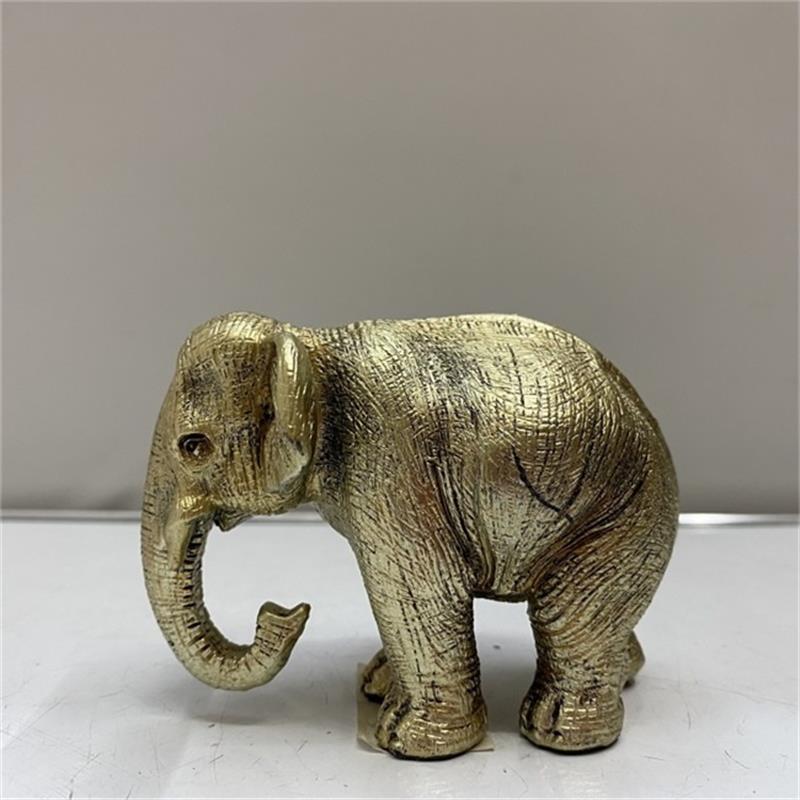
Minimalist Elephant Resin Sculpture | Artisanal Home Decor
-
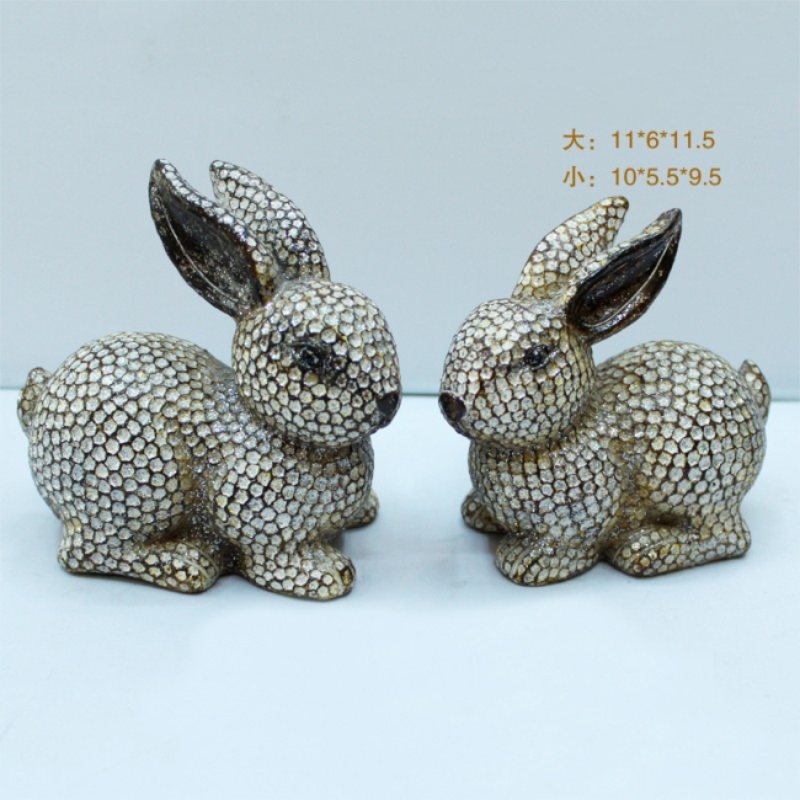
Pair of Rabbit Resin Ornament | Warm Handcrafted Home Decor Gift
-
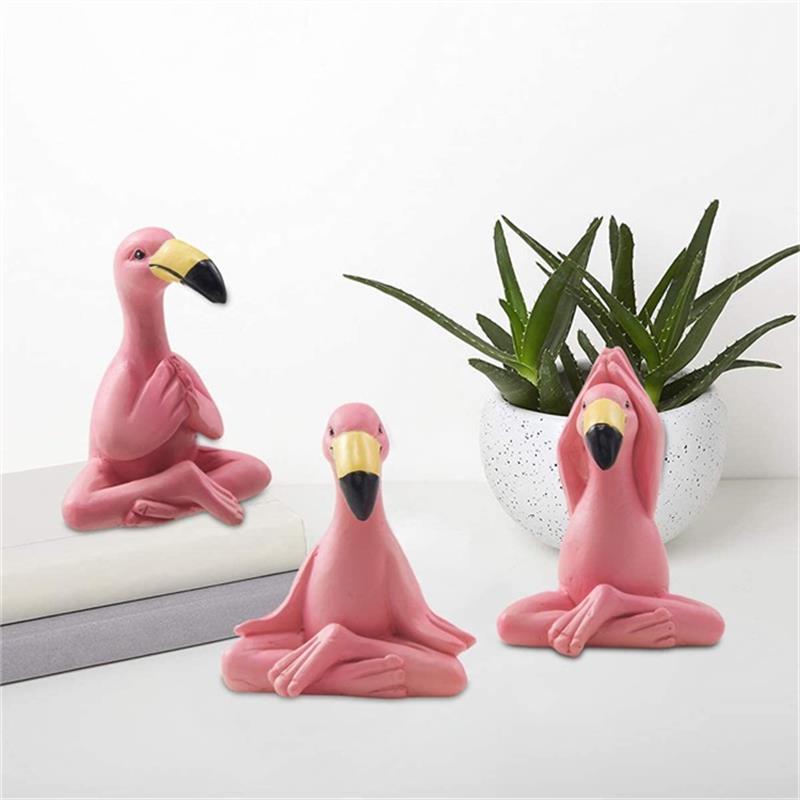
Mini Flamingo Yoga Statue | Calming Resin Desk Decor
-
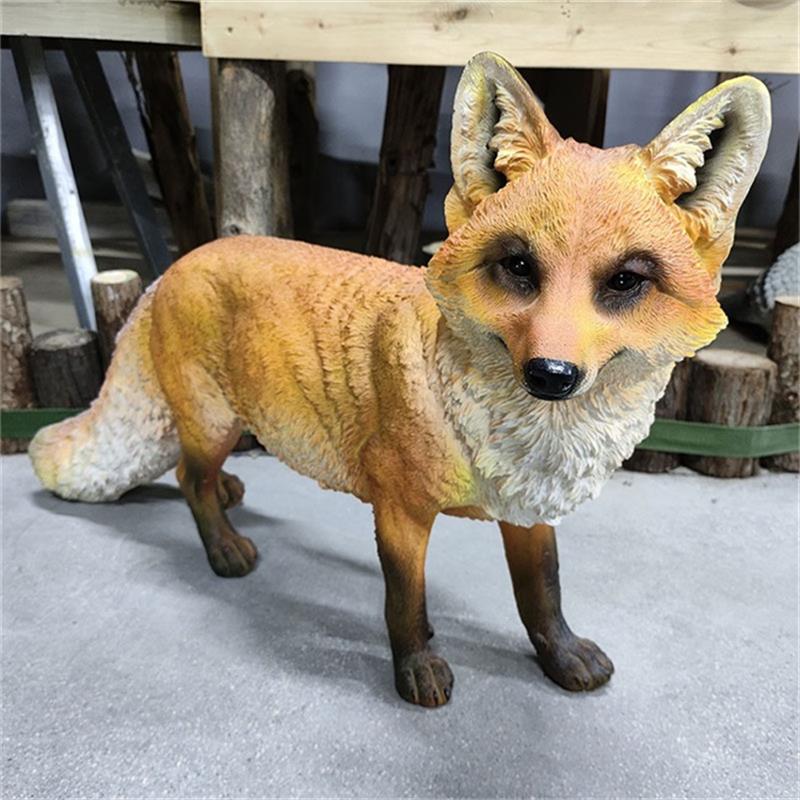
Resin Fox Garden Sculpture – A Story-Driven Home Accent
-
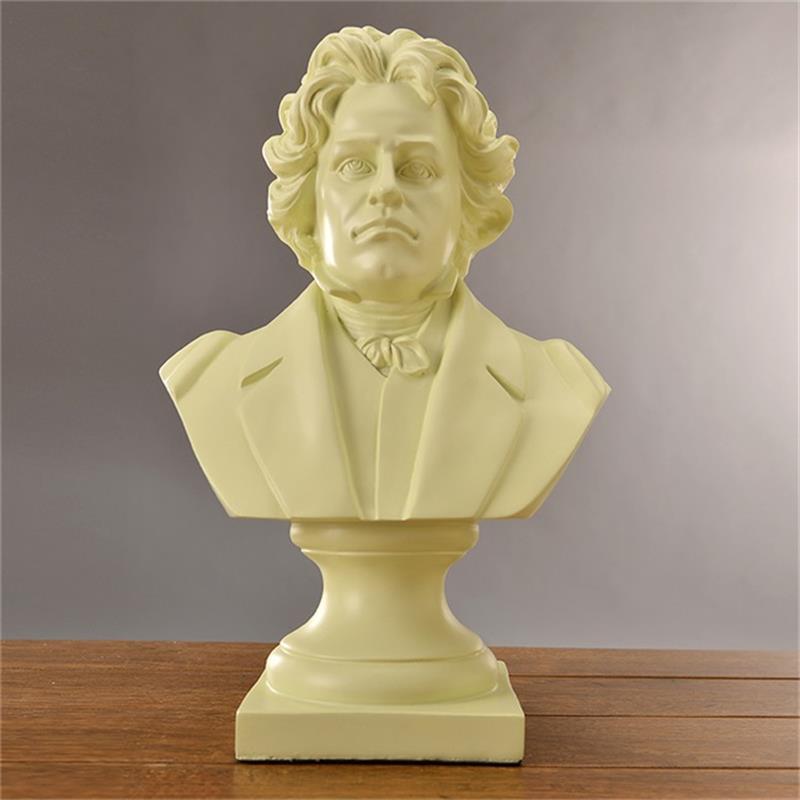
Beethoven Resin Bust – A Heartwarming Home Accent Gift
-
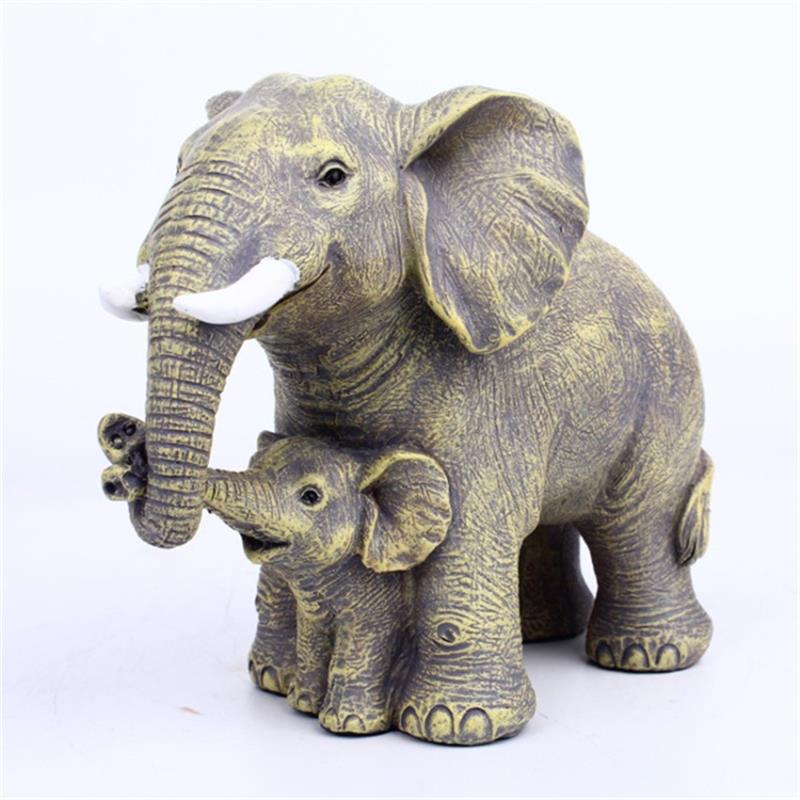
Mother & Child Elephant Sculpture | Minimalist Resin Decor