
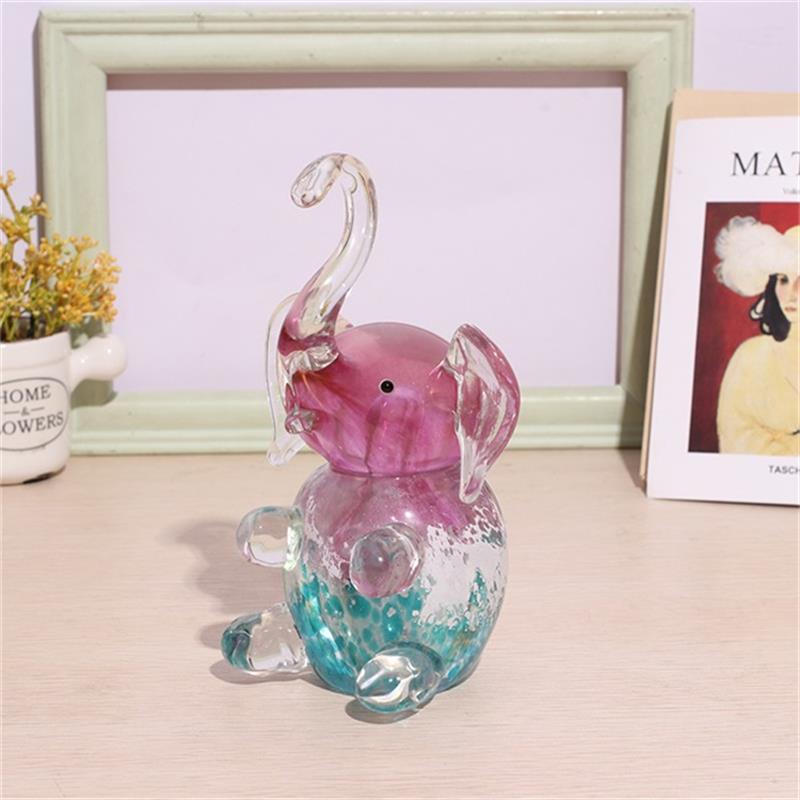
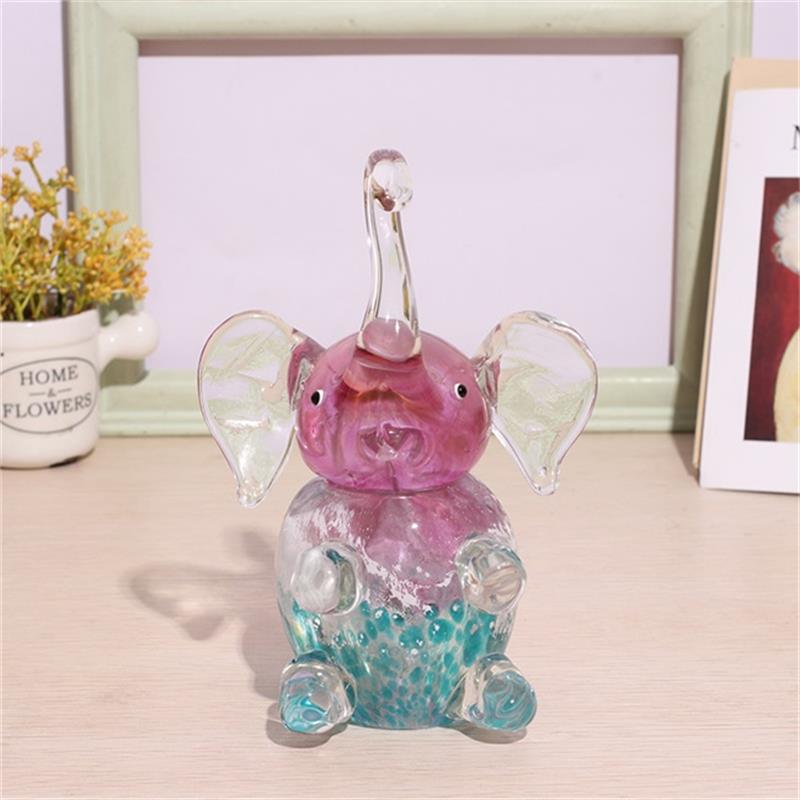
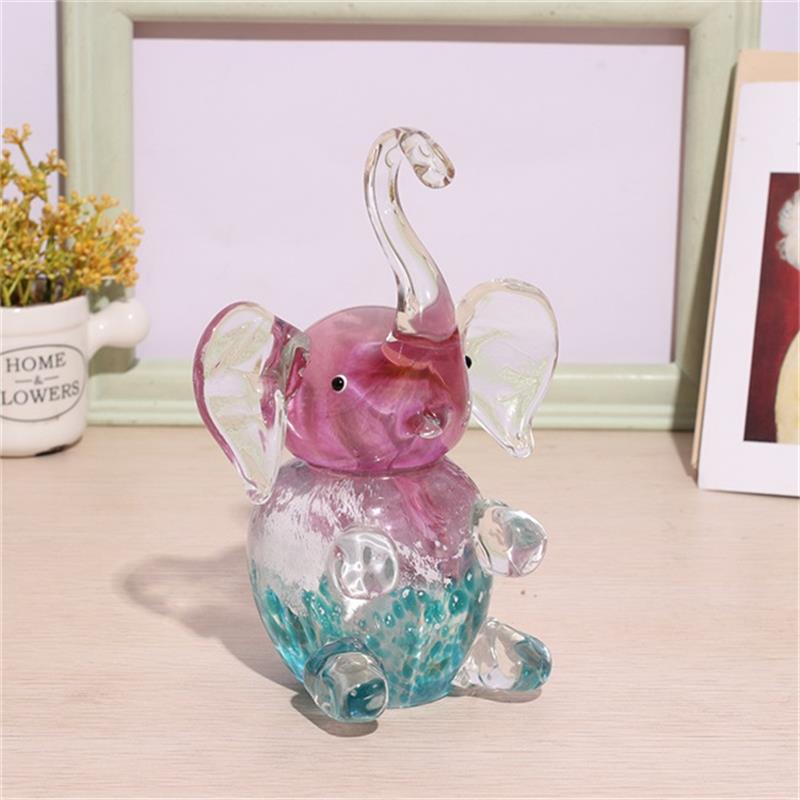
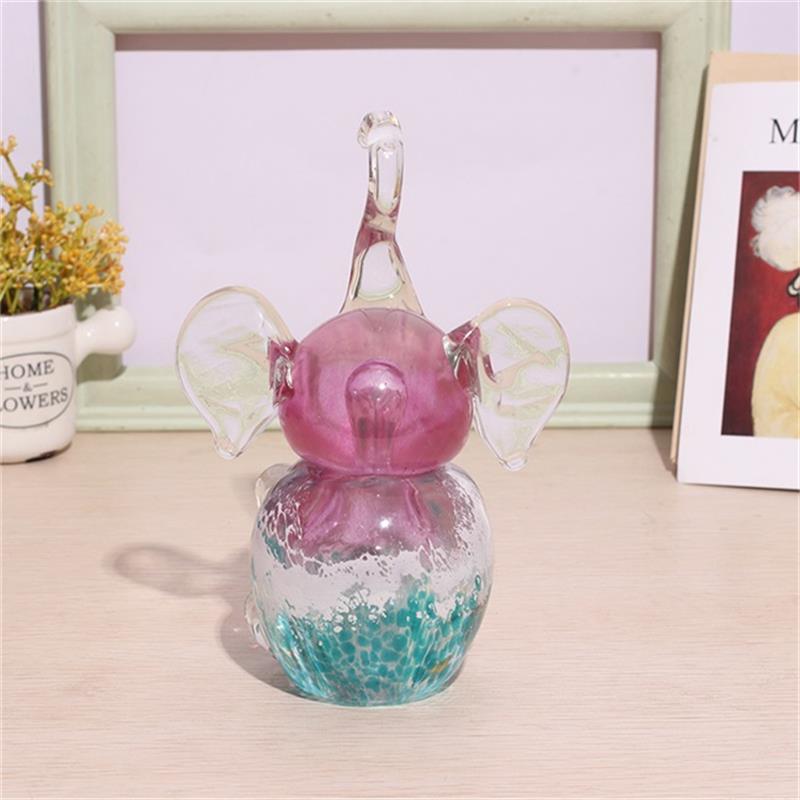
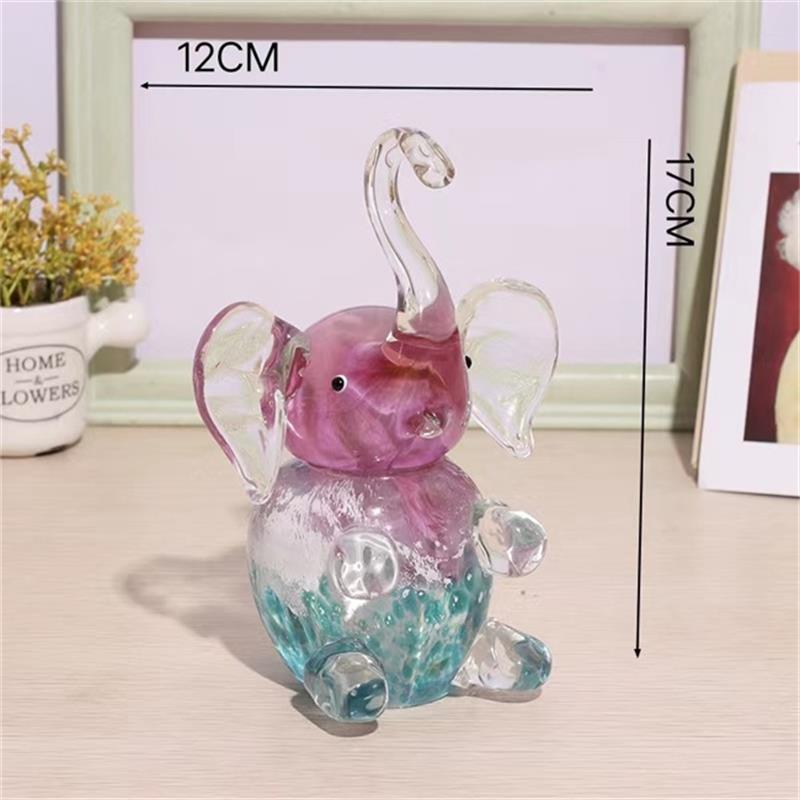
Glass Elephant Figurine – A Heartwarming Home Gift
The Little Glass Elephant That Found Its Way Home
Some objects arrive in our lives quietly, almost by accident. They sit on a shelf, catch the afternoon light, and before we know it, they have become part of the family.
That is exactly what happened with the little glass elephant.
It was a Tuesday in late autumn when Maya found it at a small weekend market near her mother’s house. She had not planned to buy anything. She was only there to keep her mother company, holding a paper cup of cider while her mother browsed through boxes of old buttons and mismatched teacups. But then she saw it, tucked between a chipped vase and a stack of faded postcards.
A small glass elephant, no bigger than her palm. Its body was clear and smooth, with soft curves and a tiny raised trunk. The light passed through it in a way that made it look almost alive, as if it were breathing quietly in the morning sun.
Maya picked it up. It was heavier than it looked, solid and cool against her fingers. The seller, an older man with kind eyes, told her it was handmade, shaped from glass at a small studio. She bought it without thinking twice. It cost less than lunch, but it felt like something more.
She brought it home and placed it on the windowsill in her kitchen, next to a small pot of basil and a candle she rarely lit. That first evening, the setting sun moved across the room and hit the elephant just right. A tiny rainbow appeared on the wall, soft and shifting. Her daughter, who was six, stopped in the doorway and stared.
“Mom, it’s making colors,” she whispered.
From that day on, the glass elephant became a small but steady presence in their home. It watched over breakfast conversations and homework struggles. It sat quietly during late-night talks and early-morning coffee. When Maya’s mother visited, she would touch its smooth back and smile, remembering the market and the cider and the way the leaves crunched under their feet.
It was not just decoration. It was a reminder of a slow afternoon, of family, of small joys that do not announce themselves.
When the holidays came, Maya wrapped the elephant in soft tissue paper and gave it to her mother as a gift. “So you remember that day,” she said. “And so you have something small and bright on your shelf.”
Her mother placed it on her bedside table, where it caught the morning light through lace curtains. She said it made her room feel less empty. She said it made her think of her granddaughter’s wide eyes and the rainbow on the wall.
That is the thing about a simple glass figurine. It does not claim to change your life. It does not promise anything grand. It simply sits there, quietly beautiful, and becomes part of your story.
The glass elephant measures 17 by 12 centimeters, a size that fits easily on a shelf, a desk, a windowsill, or a bedside table. It is made of smooth glass, carefully shaped and polished, with a weight that feels satisfying in the hand. It does not need batteries or instructions. It does not take up space or demand attention. It simply waits to be noticed.
For families, it becomes a small shared treasure. For gift-givers, it is a thoughtful choice that says more than a card. For collectors, it is a gentle addition to a display of glass animals and handmade objects. For businesses, it is a warm, elegant piece that adds character to a reception desk or a client waiting area.
But mostly, it is a story waiting to happen.
Maybe you will buy it for a friend who has just moved into her first apartment. Maybe you will place it on your own desk, where it will catch the light during a long workday. Maybe you will give it to a parent or grandparent, a small token that says, “I was thinking of you.”
The little glass elephant does not need to know why it was chosen. It only needs a place to sit, a bit of light, and someone to notice the quiet rainbow it makes on the wall.
And that, in its own small way, is enough.
Leave Your Message
Related PRODUCTS
-
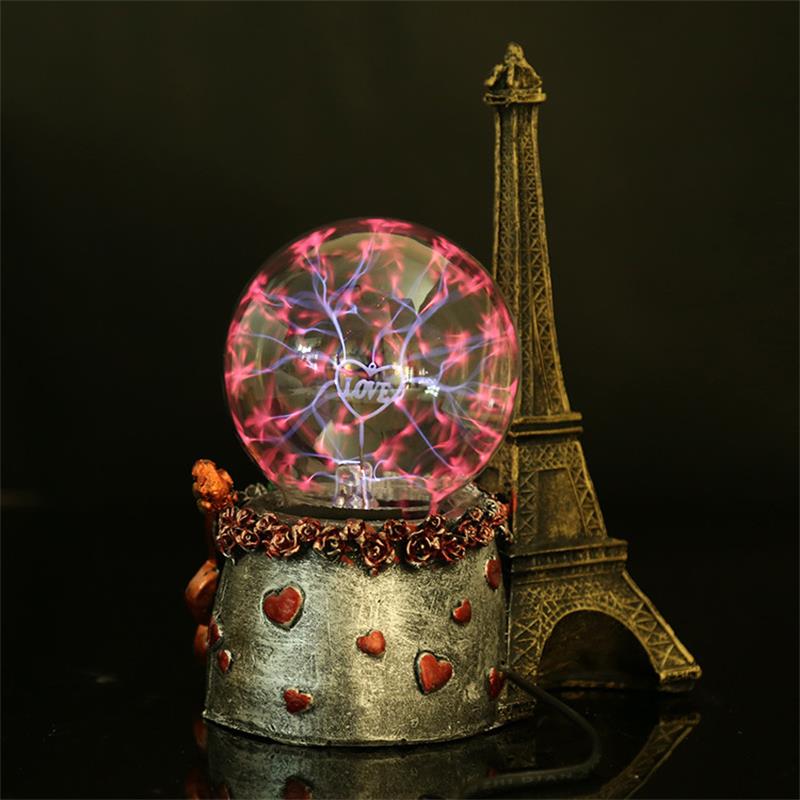
Enchanted Iron Tower Magic Ball | Handcrafted Resin Home Decor & Keepsake Gift
-
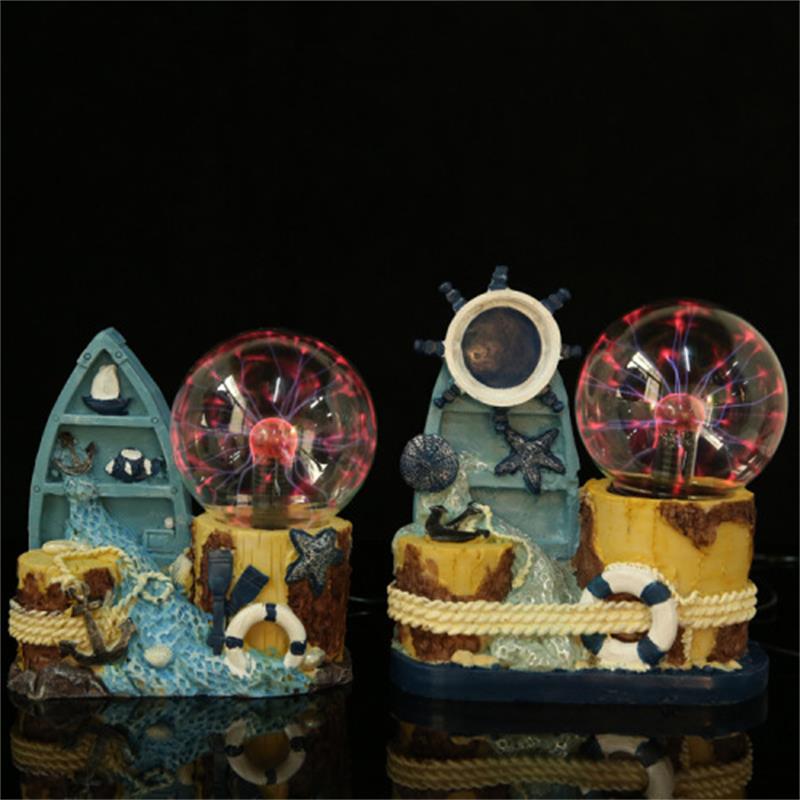
Handcrafted Windmill Crystal Sphere | Minimalist Home Decor Ornament
-
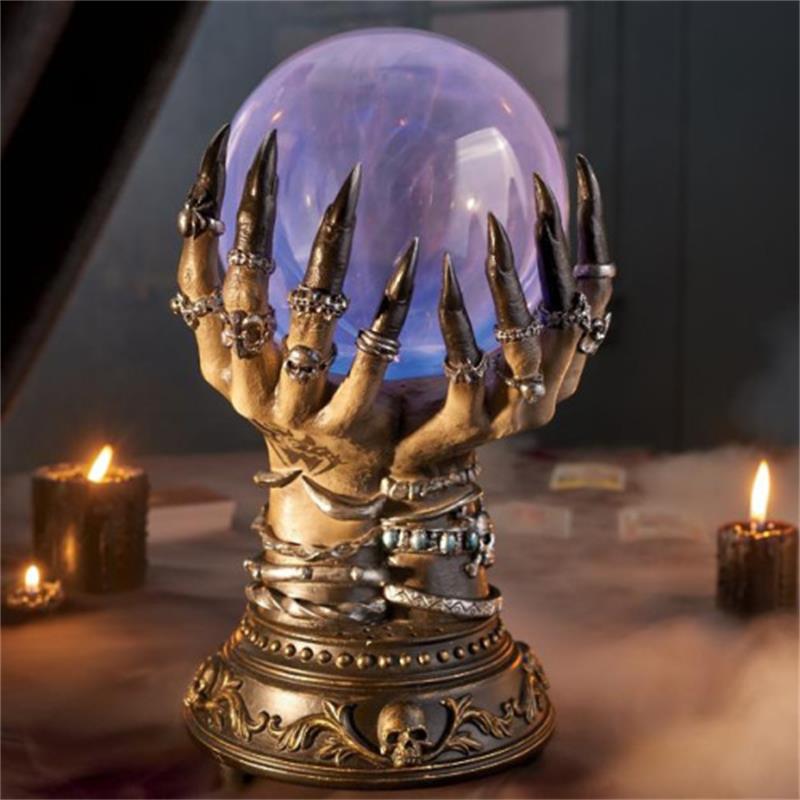
Magic Hand Plasma Orb — Unique Crystal Table Decor & Gift
-
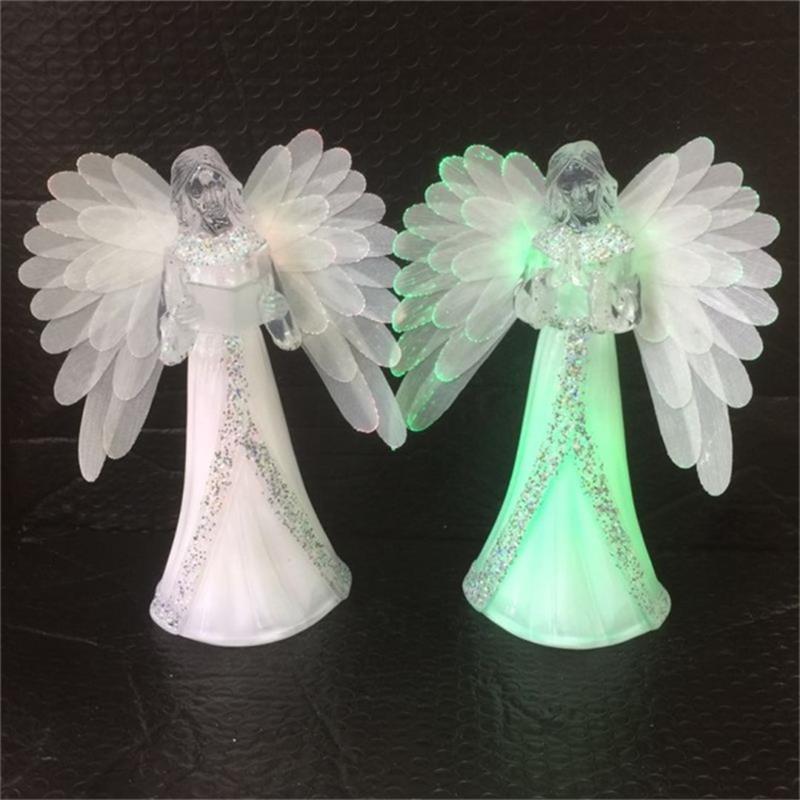
Handcrafted Fiber-Optic Angel Figurine Set
-
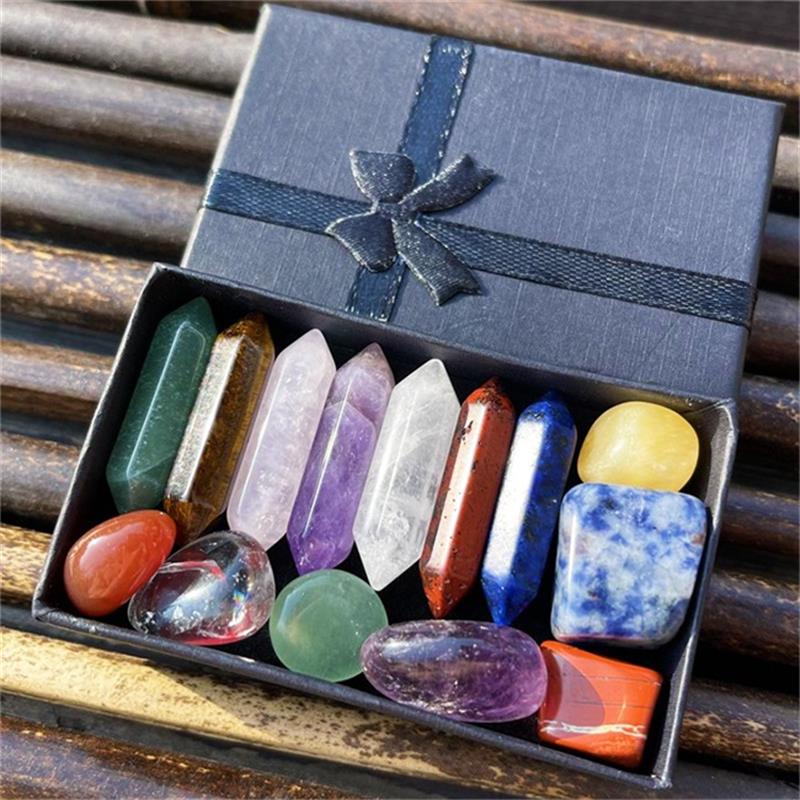
Handcrafted Amethyst Rose Quartz Point | Shelf Decor Gift
-
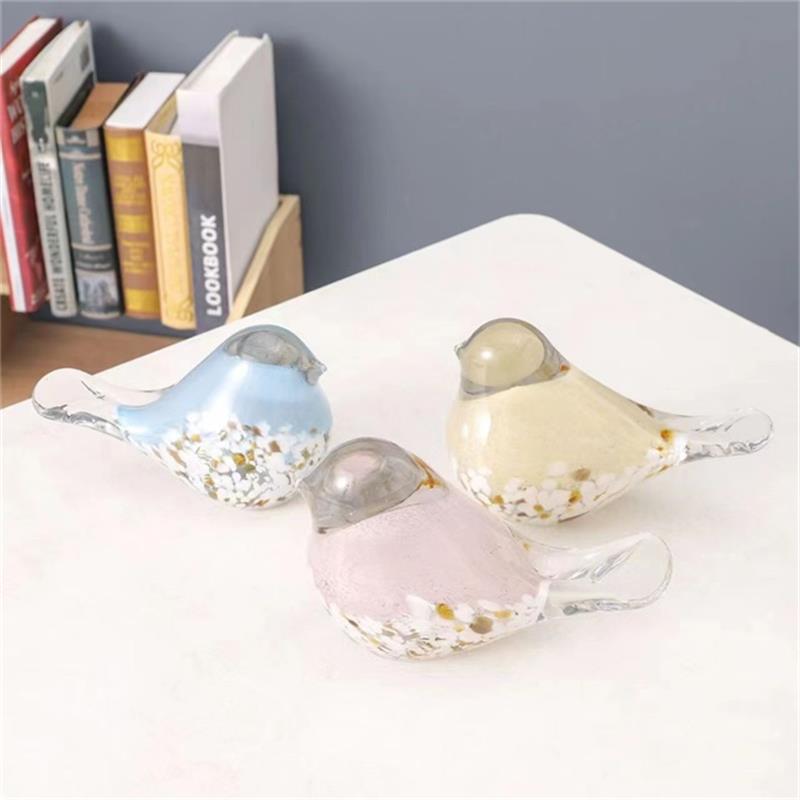
Colorful Glass Bird Figurines – Story Keepsake Gift for Home