
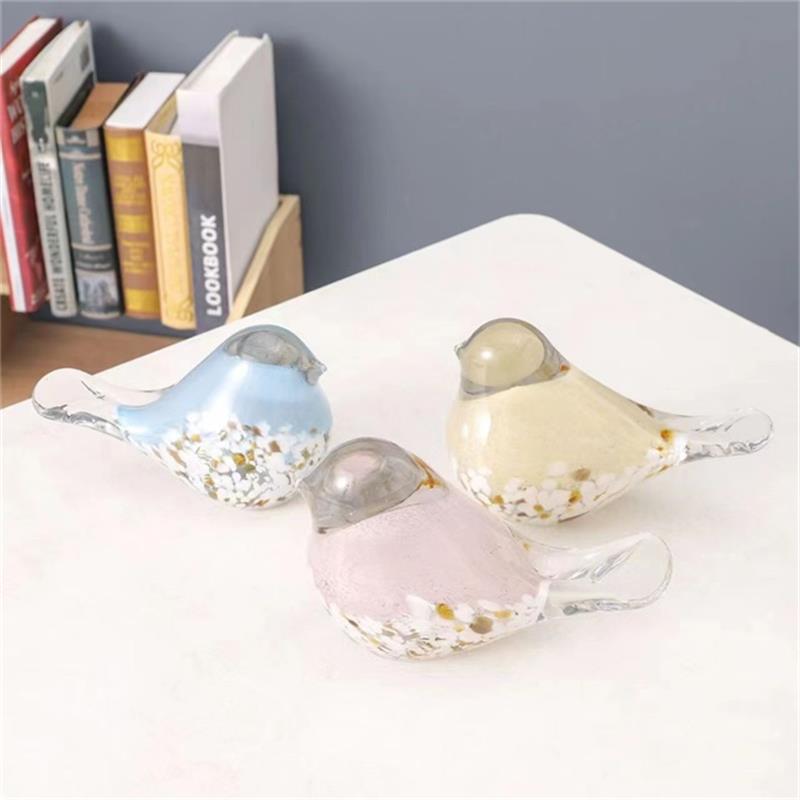
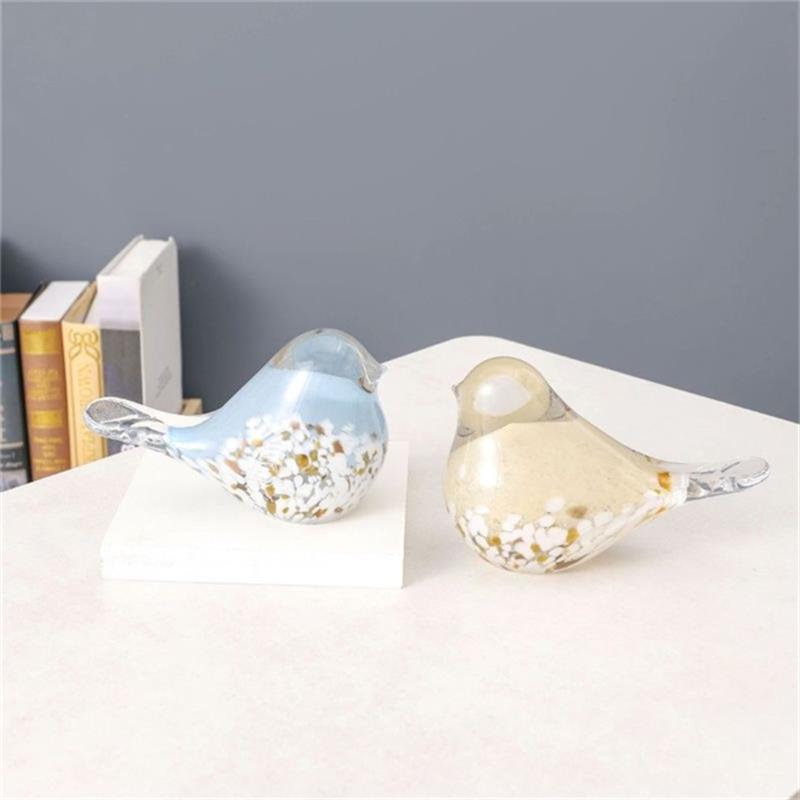
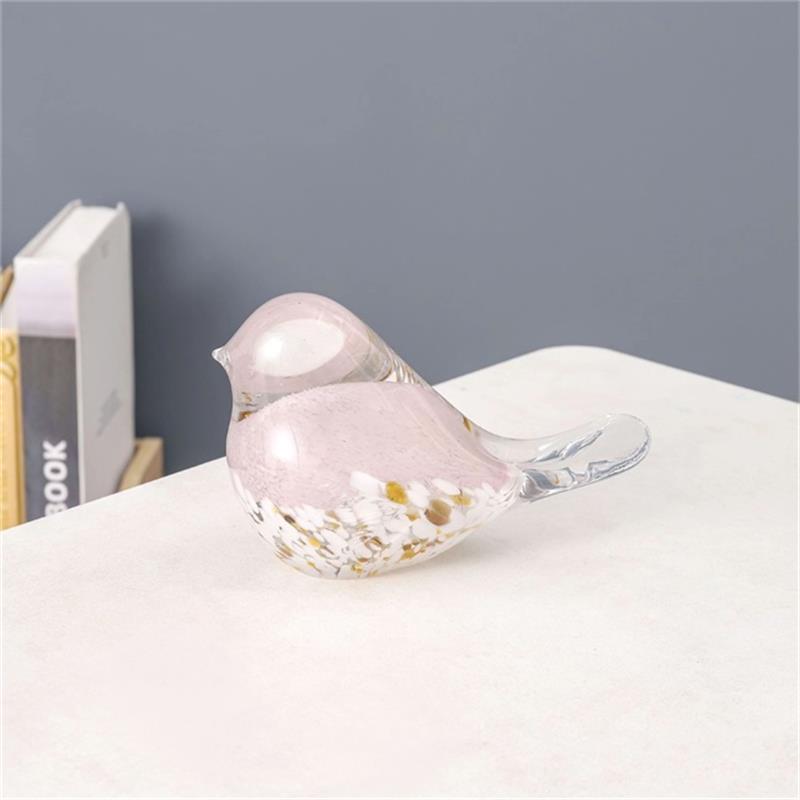
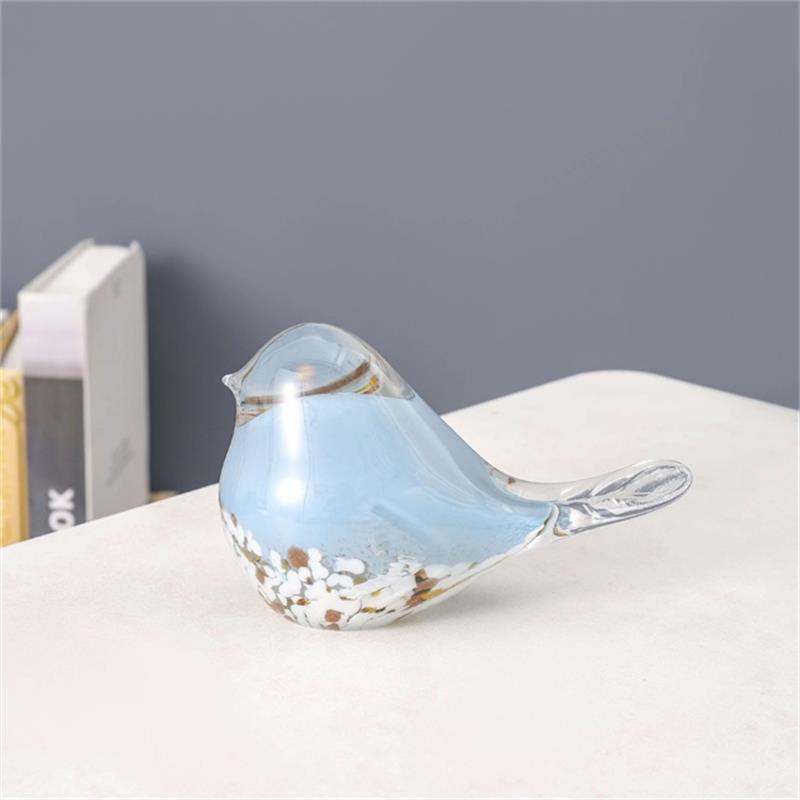
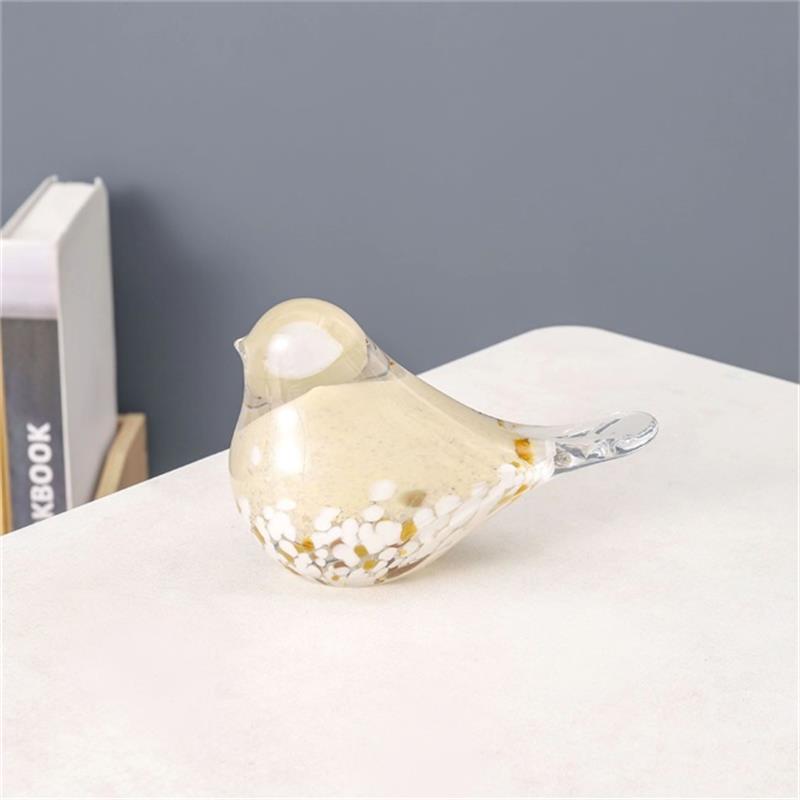
Colorful Glass Bird Figurines – Story Keepsake Gift for Home
Three Little Birds of Colored Glass: A Gentle Story for Your Shelf
Some objects arrive in our homes without a grand entrance. They simply appear one afternoon, set down on a windowsill or a shelf, and quietly become part of the family rhythm. That is how the three little glass birds came to live with the Alvarez family — not as a purchase, but as a small, bright answer to a question no one had quite known how to ask.
It started with a grandmother named Rosa, who had spent forty years in a house where the morning light came through the kitchen window at a very particular angle. Every day at seven, she made coffee, and every day at seven-fifteen, the light landed on the same empty spot on the sill. She never mentioned it. But her granddaughter, Elena, had noticed. Elena was the kind of person who watched for the small empty places in other people’s lives — the chair no one sat in, the shelf with a gap, the sill waiting for something.
So when Elena found the three glass birds — one pink, one blue, one yellow — she did not think of them as decoration. She thought of them as company. She wrapped them in soft paper, drove four hours, and placed them on Rosa’s windowsill before the coffee was even poured. Rosa looked at them for a long moment. Then she laughed, a low, warm sound, and said, “Well. Now the light has somewhere to land.”
That was years ago. The birds have moved with Rosa twice since then. They have survived two kitchen remodels, one cross-country move, and a great-grandchild who once tried to feed the yellow bird a cracker. They sit on the sill still, and the morning light still finds them, though now it scatters through their colored glass and paints small pink and blue and yellow shapes on the counter below. Rosa calls it her “little stained-glass morning.” No one has ever corrected her, because she is right.
What makes these birds feel like company rather than clutter is the way they are made. Each one is shaped from colored glass — not painted, not coated, but colored through and through, so the hue shifts gently when the light changes. The pink bird softens toward rose in the afternoon. The blue one turns almost sea-glass green near a window. The yellow one glows like a small held sun when the evening lamp is switched on. They are smooth to the touch, with that cool, clean weight that real glass carries — a weight that feels honest in the hand, not hollow or fragile-feeling. At roughly 17 by 10 centimeters, they are substantial enough to hold their own on a shelf, yet light enough to move from room to room whenever the mood shifts.
And they do move. That is part of their quiet charm. In Rosa’s house, they started on the kitchen sill, migrated to the dining table for the holidays, spent one summer on the back porch, and now live on a low bookshelf in the living room where the great-grandchild can see them at eye level. They have been a centerpiece, a bookshelf companion, and — during a particularly gray February — a small burst of color on a desk where Rosa paid bills and wrote letters. They are, in the most practical sense, home accents that earn their place: small enough not to crowd, bright enough to matter.
Elena has since bought a set for herself. Hers sit on the windowsill of a small apartment in a city far from Rosa’s kitchen, and on hard days she finds herself glancing at them the way her grandmother once did — not really looking, just checking that the light still has somewhere to land. It is a small thing. But small things, placed with care, have a way of holding a room together.
This is why the birds make such a natural gift. Not a loud gift, not a gift that demands attention, but a keepsake gift — the kind you give to someone who has just moved into a first apartment, or someone who has just lost a beloved pet and needs a gentle bright thing on the shelf, or someone who has everything and wants nothing except to be thought of. They suit a housewarming, a birthday, a quiet thank-you, a memorial corner where a small bit of color feels like a kind word. For collectors of glass animal figurines, the trio offers that pleasing combination of simplicity and character — minimal in form, warm in presence, easy to display and easy to love. For corporate gift buyers looking for something tasteful and unpretentious, they are the rare desk decor that does not look like desk decor at all; they look like a small story someone chose to share.
Place them together and they read as a family. Separate them — pink on a nightstand, blue on a kitchen shelf, yellow on a home office desk — and each becomes its own tiny narrative, a decorative table sculpture with a personality of its own. That flexibility is part of what makes them feel less like a set and more like three friends who happen to travel well together.
Rosa is eighty-six now. The coffee is decaf, and the light comes through the window a little differently than it used to. But the birds are still there, and on good mornings, when the sun hits the pink one just right, she still calls out to whoever is in the kitchen: “Look — the light found them again.”
It is a small moment. It is also the whole point. A home accent is not really about filling a space. It is about giving the light, and the memories, and the quiet daily rituals somewhere beautiful to land. These three little birds do exactly that — no more, no less. And sometimes, that is everything.
Leave Your Message
Related PRODUCTS
-
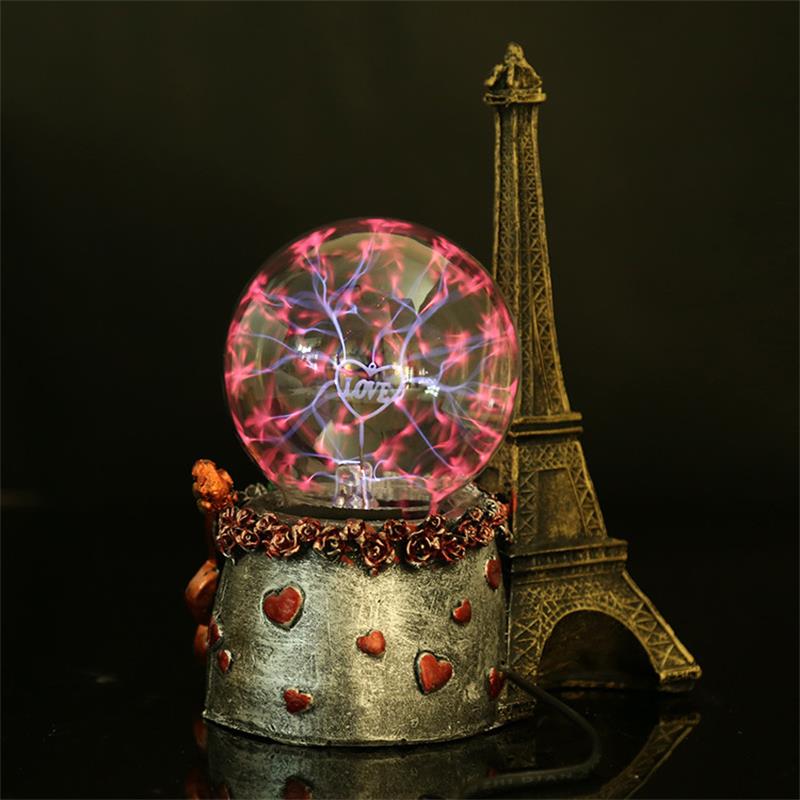
Enchanted Iron Tower Magic Ball | Handcrafted Resin Home Decor & Keepsake Gift
-
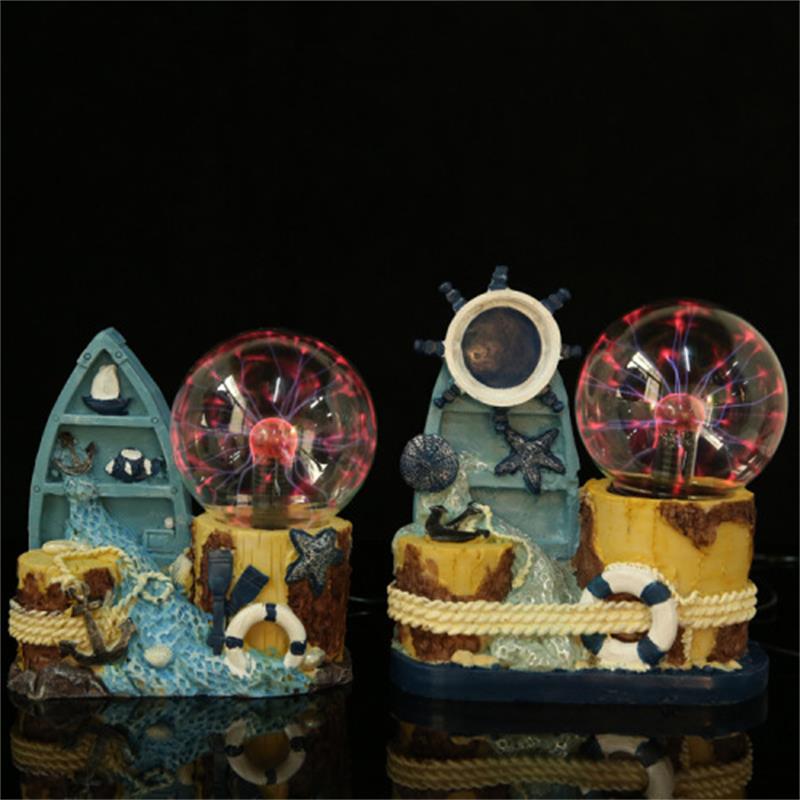
Handcrafted Windmill Crystal Sphere | Minimalist Home Decor Ornament
-
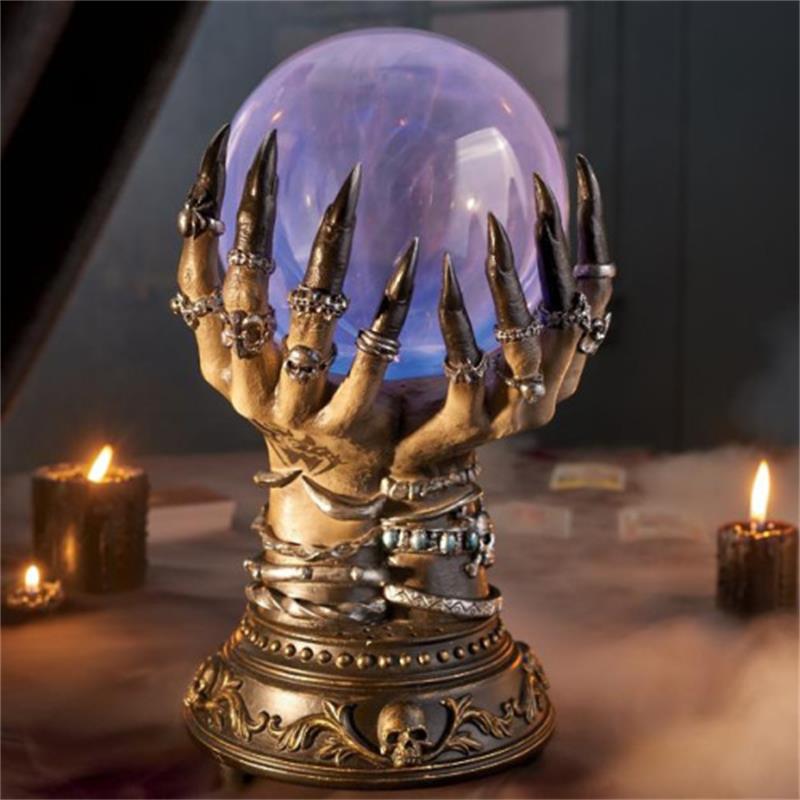
Magic Hand Plasma Orb — Unique Crystal Table Decor & Gift
-
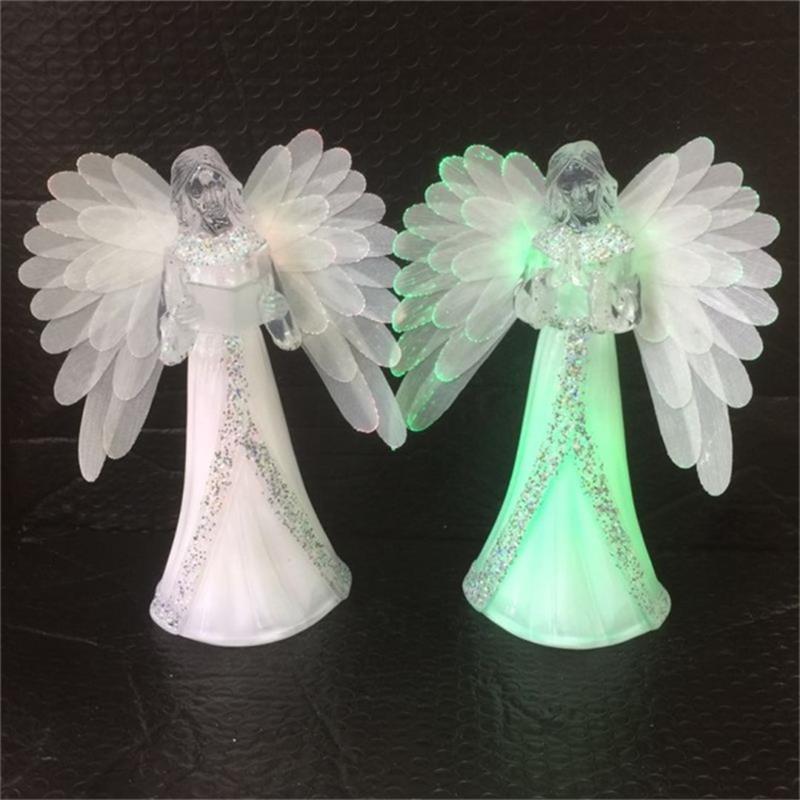
Handcrafted Fiber-Optic Angel Figurine Set
-
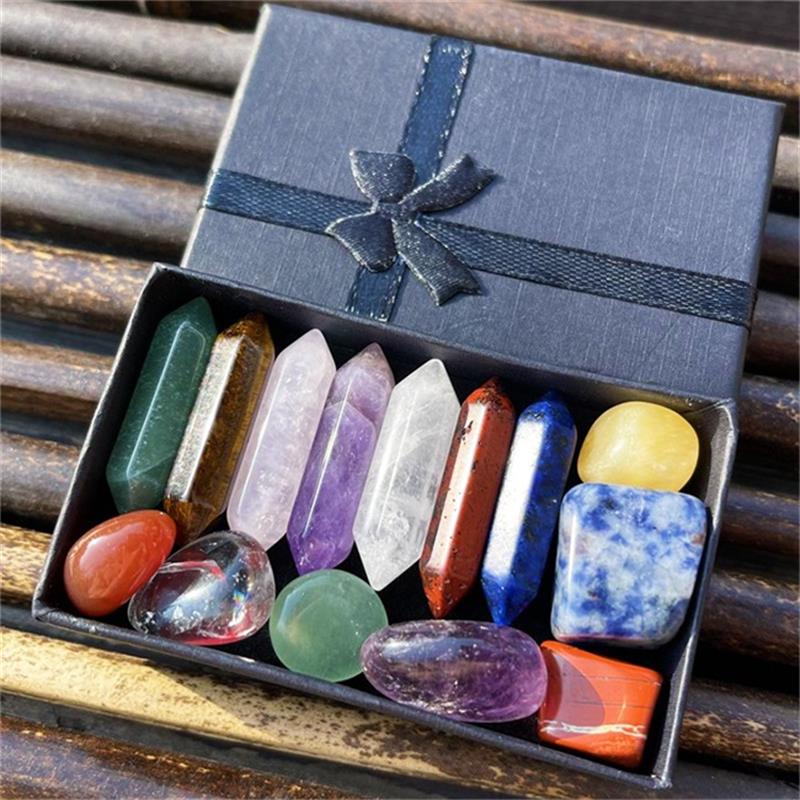
Handcrafted Amethyst Rose Quartz Point | Shelf Decor Gift
-
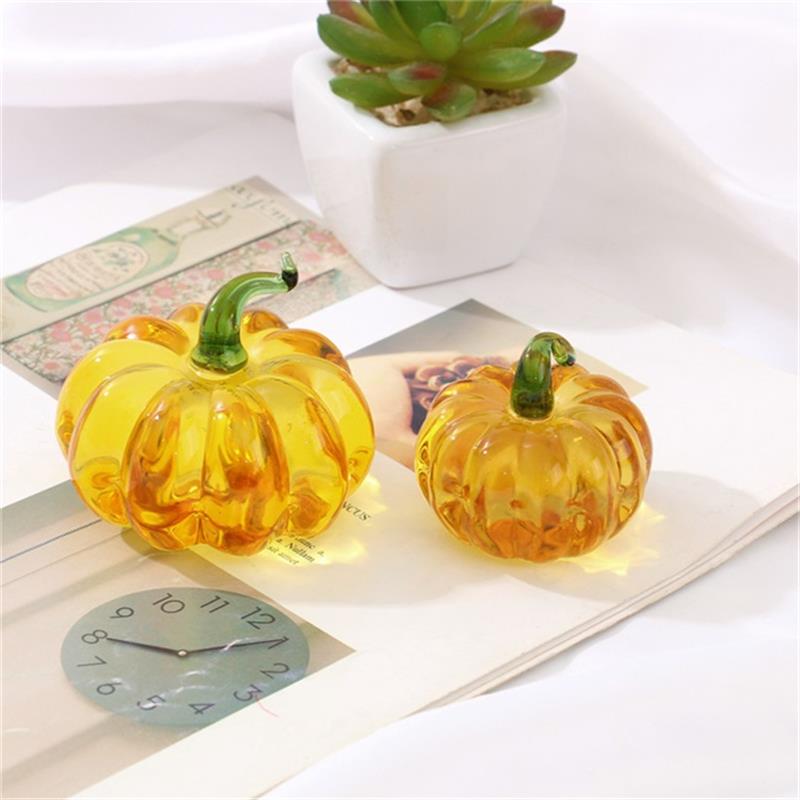
Crystal Pumpkin Figurine: A Heartwarming Home Gift