
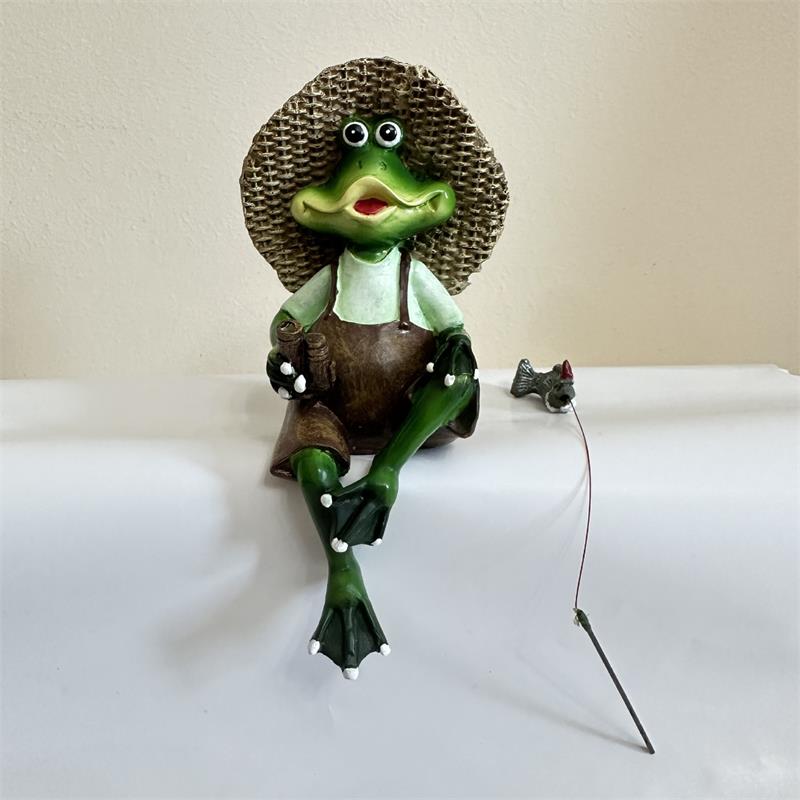
Frog Fishing Resin Keepsake | Memorial Decor Gift
There is a small pond at the edge of a garden that no longer belongs to anyone in particular. The house changed hands twice. The fence was repainted. The old wooden bench was replaced with a metal one. But the pond stayed. And so did the frog.
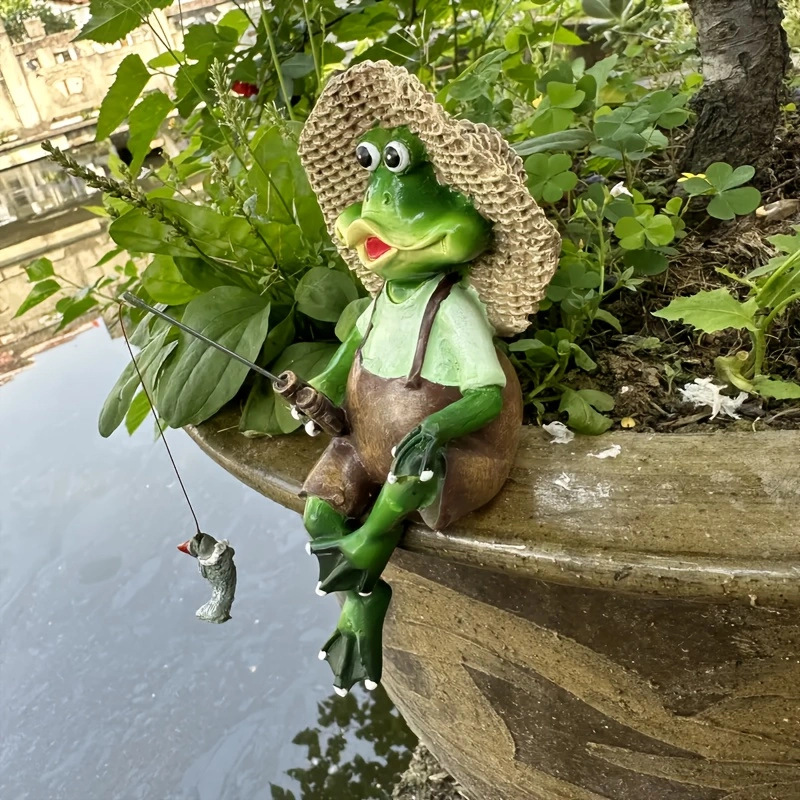
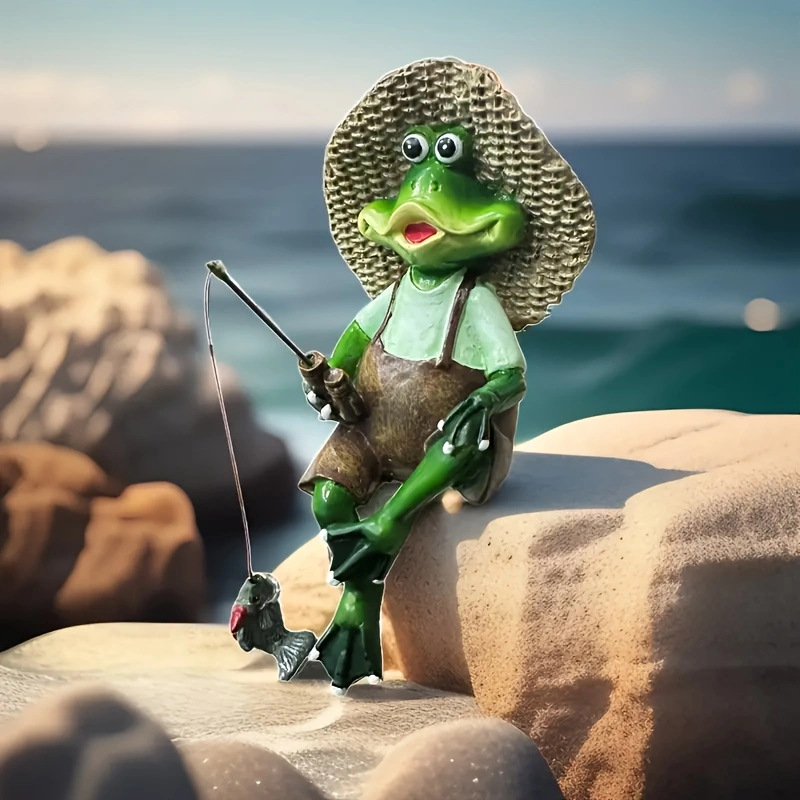
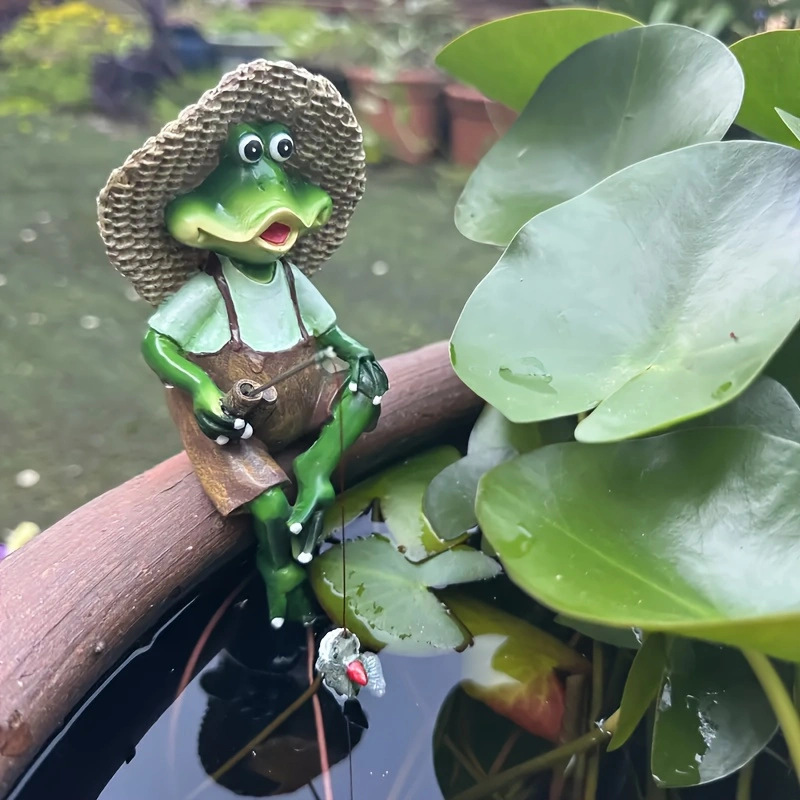
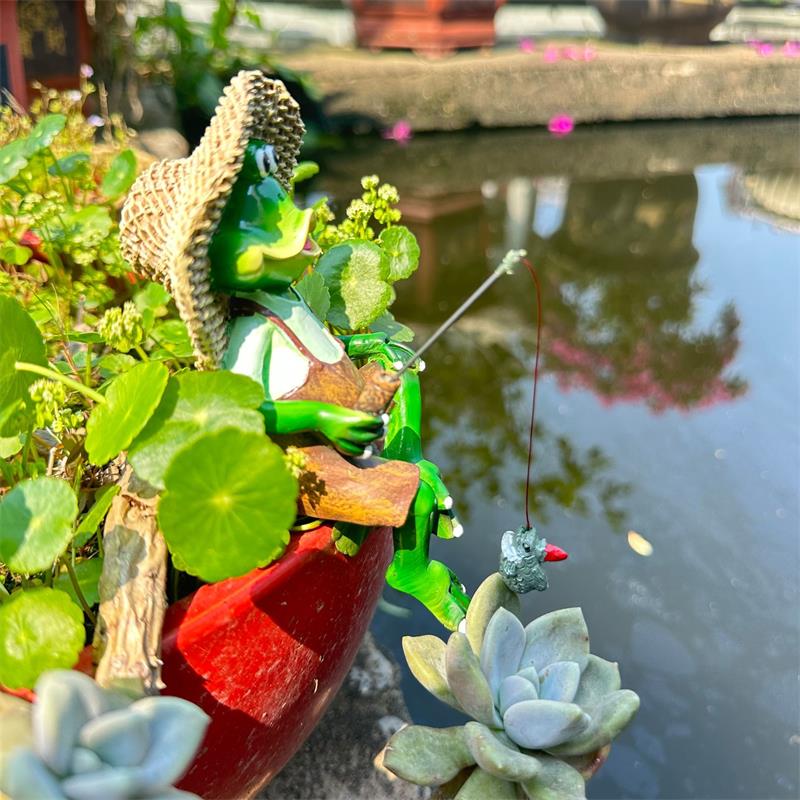
He sits at the water’s edge, a fishing rod resting lightly in his hands, the line cast into a stillness that never ripples. He is not waiting for a fish. Anyone who looks closely understands that. He is waiting for a moment that has already passed, and somehow, by waiting, he keeps it alive.
The frog fishing resin keepsake began as a gift for a woman named Eleanor, who bought it three weeks after her father passed away. Her father had been a fisherman—not a professional, not even particularly skilled, but a man who found his peace at the water’s edge. Every Sunday morning, he would take his old rod, a dented tin of bait, and a folding chair, and he would sit by the pond behind their house for hours. He rarely caught anything. He always came back smiling.
After the funeral, Eleanor could not bring herself to visit the pond. It felt too quiet, too empty, too much like a place where someone was missing. But she also could not let go of the image of her father there—his worn hat, his patient silence, the way he hummed softly to himself when he thought no one was listening.
The frog arrived in a simple box. She unwrapped it slowly, expecting nothing more than a decorative object. Instead, she found a small, quiet scene that felt impossibly familiar. The frog’s posture was patient. His gaze was steady. The fishing rod was held with a kind of gentle hope. It was not a sad object. It was a waiting object. And waiting, Eleanor realized, was what she had been doing too.
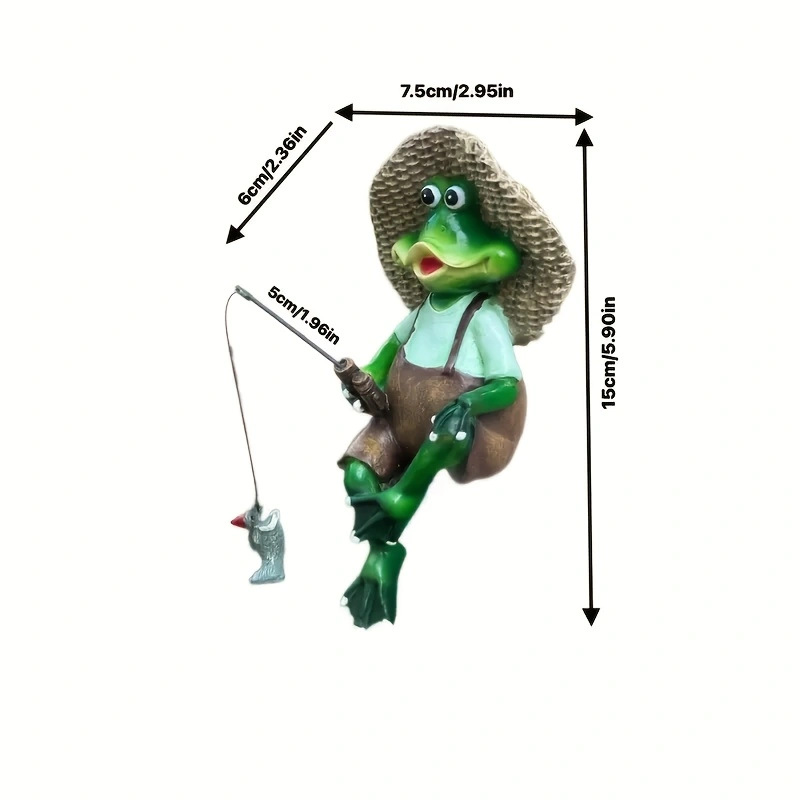
She placed it on the windowsill overlooking the garden. Not the pond—that was still too much—but close enough. The resin figure caught the morning light and held it softly, the way a memory holds a feeling. It was 19 centimeters wide and 12 centimeters tall, small enough to belong on a shelf, heavy enough to feel substantial in the hand. The resin had a smooth, matte finish that made it look carved from stone rather than molded, and the details—the curve of the frog’s back, the thin line of the fishing rod, the small ripples at the base—were quiet but precise.
Eleanor did not cry when she placed it there. She had done enough crying. Instead, she made a cup of tea and sat beside the window, and for the first time in weeks, she felt her father’s presence without the sharp edge of grief. He was not gone. He was waiting. And so was she.
The frog fishing resin keepsake is not a memorial in the traditional sense. It does not announce itself. It does not say “in loving memory” or bear a name or a date. It is simply a small, quiet figure of a frog who sits by the water and waits. But for the people who have lost someone who loved the water, who loved the quiet, who loved the simple act of sitting and hoping, it becomes something else entirely. It becomes a place to put the feelings that have nowhere else to go.
A man named Thomas bought one for his brother, who had lost his wife of forty-two years. She had been the fisherman in the family—the one who baited the hooks, who knew the names of the flies, who could sit in silence for hours and call it a good day. After she died, the brother stopped fishing. He stopped doing much of anything. Thomas did not know what to say. He still doesn’t. But he gave him the frog, and his brother placed it on the mantelpiece next to a photograph of the two of them on a boat, years ago, squinting into the sun.
He has not said much about it. But he touches it sometimes when he walks past. Just a small touch, a brief acknowledgment. A way of saying, I remember. A way of saying, I am still here. A way of saying, I am still waiting.
The resin material matters more than it might seem. It is durable, water-resistant, and heavy enough to stay put on a shelf or a windowsill. It does not fade in sunlight. It does not chip easily. It is made to last, because the memories it holds are meant to last too. At 19x12x12 centimeters, it is sized for real homes—not so large that it dominates a room, not so small that it disappears. It sits comfortably on a bookshelf, a bedside table, a garden window. It fits into the quiet corners of a life.
The frog fishing resin keepsake is also, in its own way, a gift for the living. It is a way to say, I know this is hard. I know there are no right words. But here is something small and quiet and patient, something that will sit with you and wait with you. It is a gift for the person who is grieving, but also for the person who wants to offer comfort and does not know how.
Eleanor still has hers. It has moved with her twice—once to a smaller apartment after the house was sold, and once to a new home with a garden that has a small pond at the edge. She did not plan it that way. It simply happened. The pond was there when she moved in, and she stood at the edge of it for a long time before she realized she was smiling. Not because she was happy, exactly. Because she was remembering. Because the frog was on the windowsill behind her, and her father was somewhere in the quiet, still waiting, still patient, still holding his fishing rod with gentle hope.
The frog does not catch anything. He is not supposed to. He is there to remind us that waiting is not empty. That memory is not loss. That the quiet places in our lives are not empty either—they are full of the people who taught us how to sit still and hope.
Leave Your Message
Related PRODUCTS
-
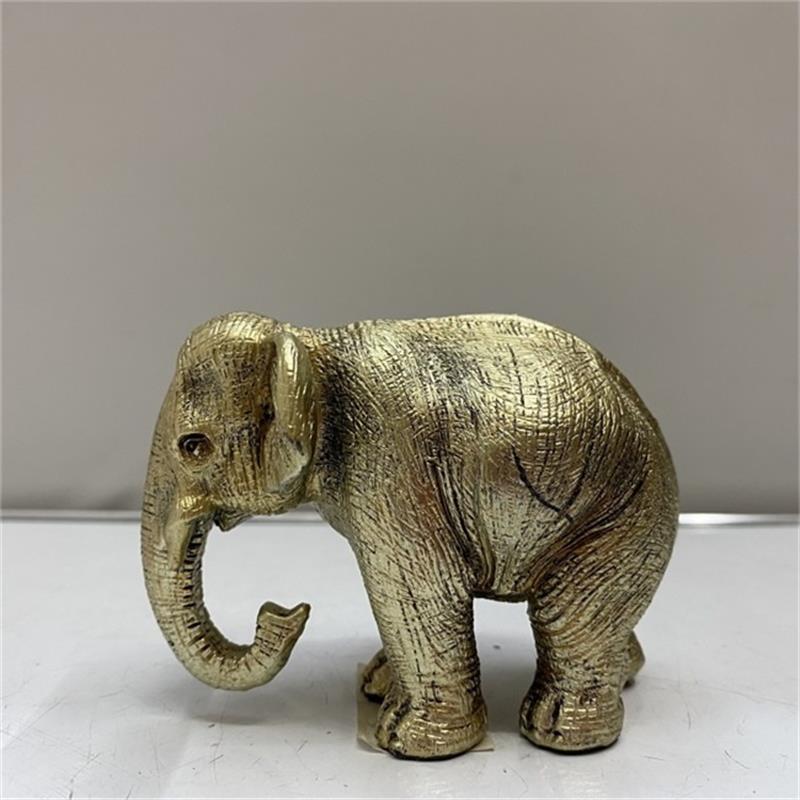
Minimalist Elephant Resin Sculpture | Artisanal Home Decor
-
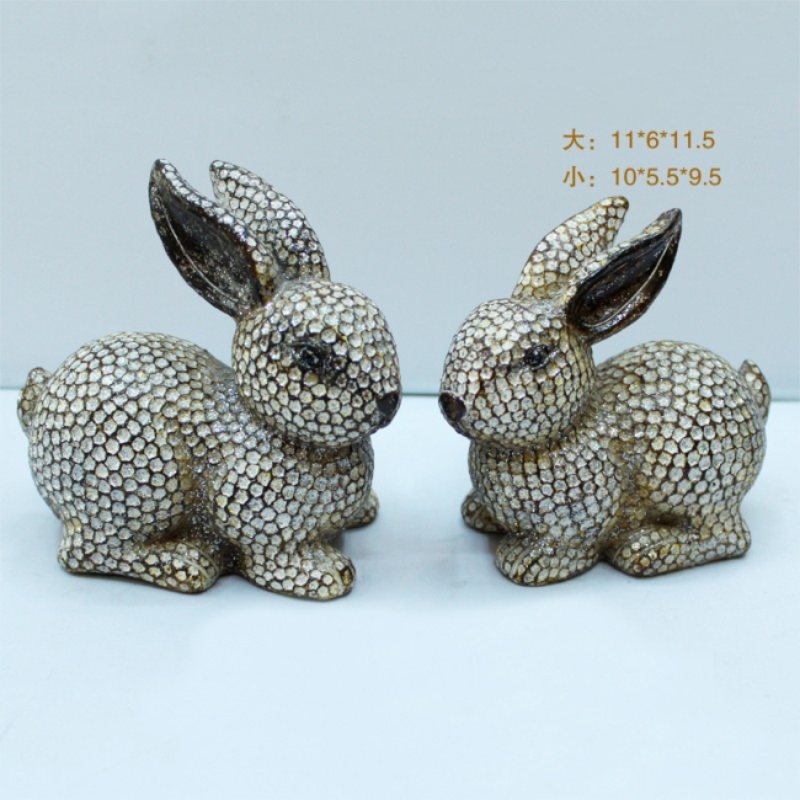
Pair of Rabbit Resin Ornament | Warm Handcrafted Home Decor Gift
-
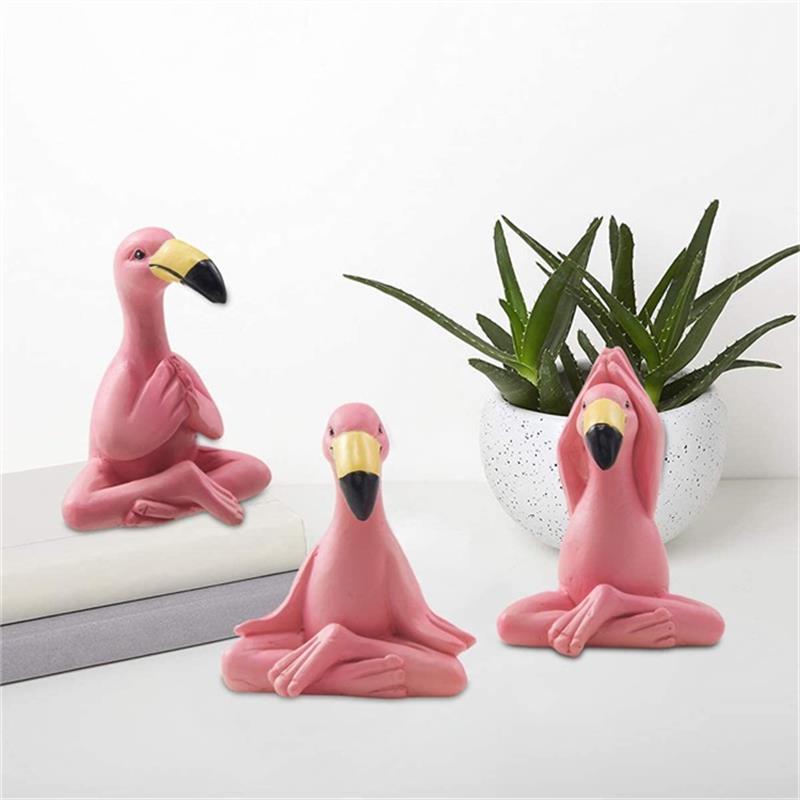
Mini Flamingo Yoga Statue | Calming Resin Desk Decor
-
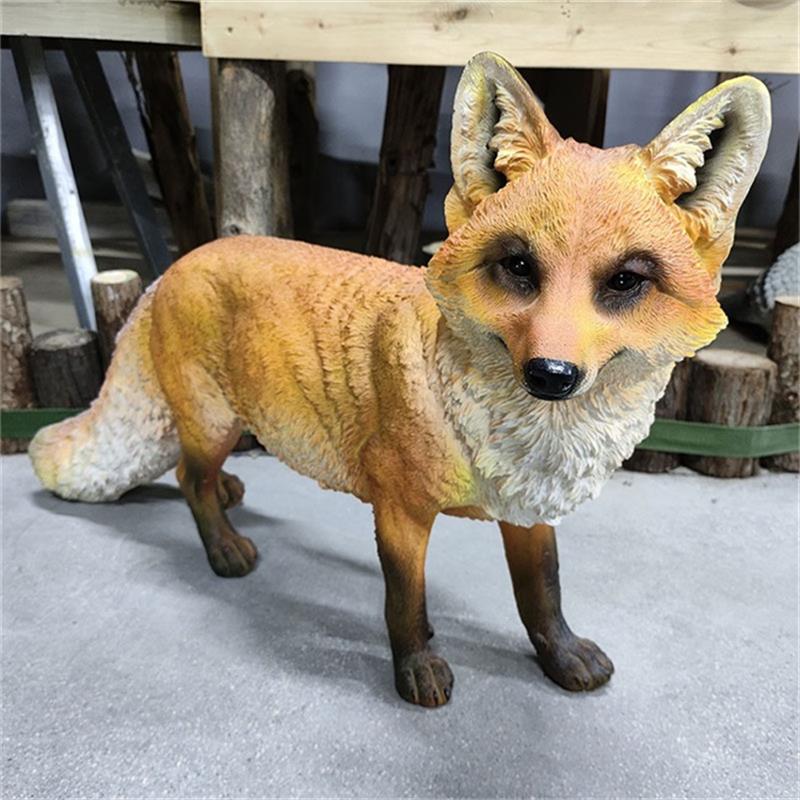
Resin Fox Garden Sculpture – A Story-Driven Home Accent
-
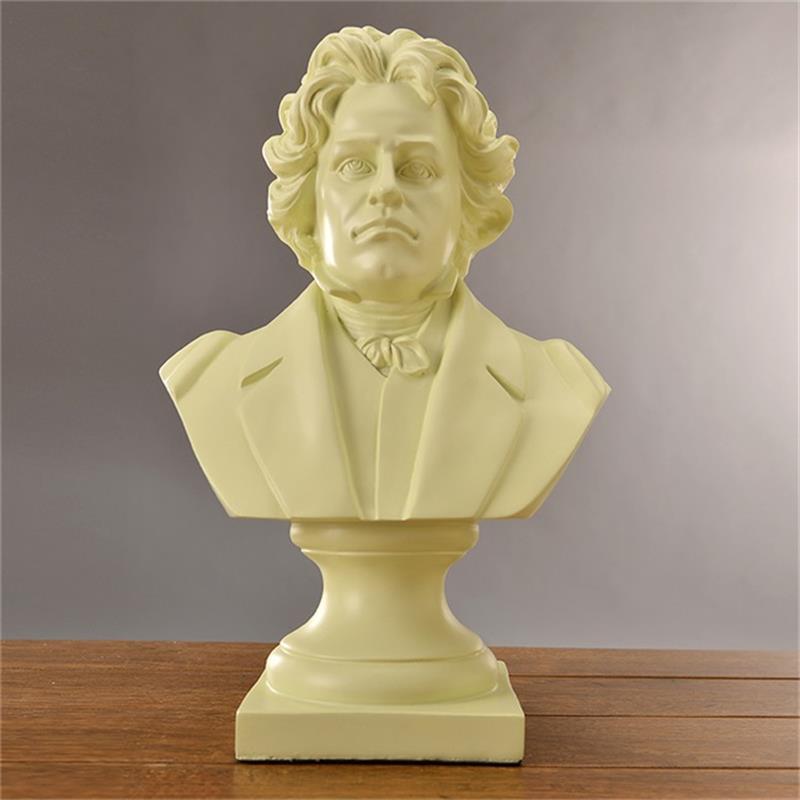
Beethoven Resin Bust – A Heartwarming Home Accent Gift
-
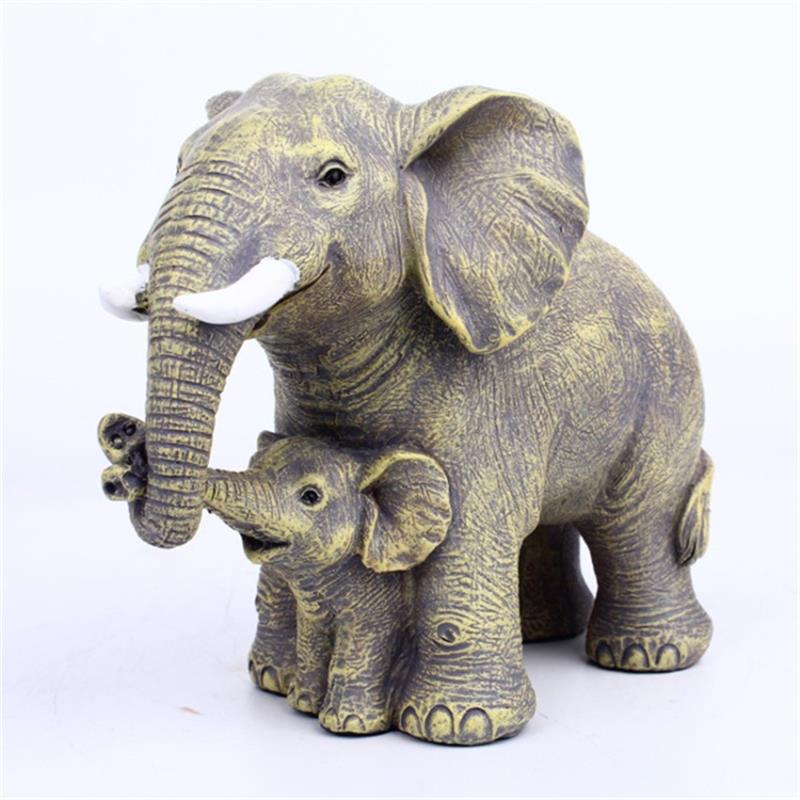
Mother & Child Elephant Sculpture | Minimalist Resin Decor