
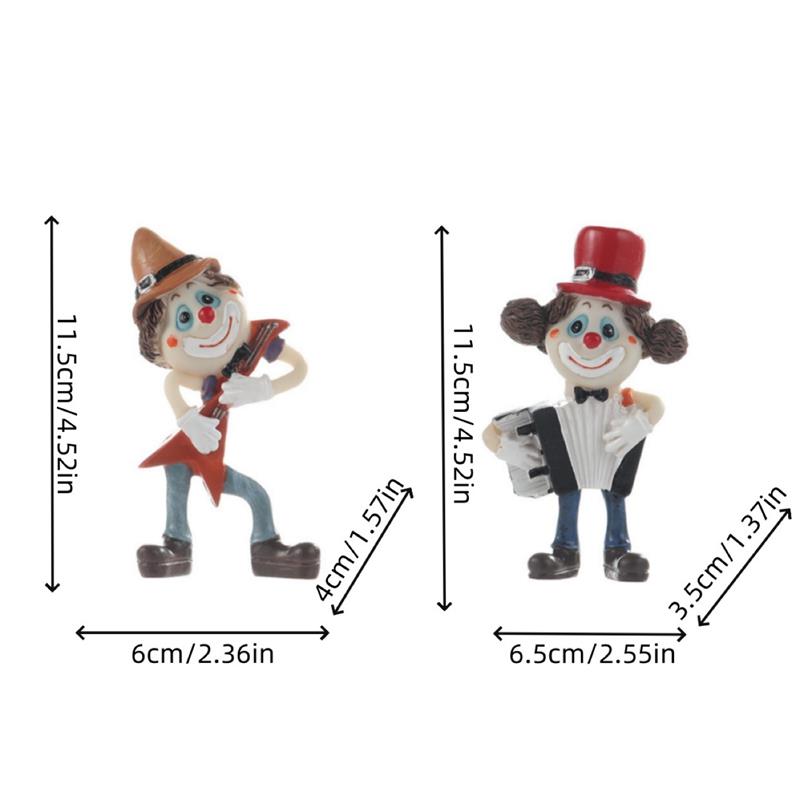
Clown Couple Piano Figurine: Heartwarming Home Gift
The Clown Couple Piano Figurine That Found Its Way Home
Some things arrive in a house quietly. They don’t announce themselves. They simply appear on a shelf one afternoon, and then, somehow, they belong.
That is how the little clown couple piano figurine came into our family.
It was a Tuesday in late autumn. My grandmother had been clearing out the corner cabinet in the living room — the one with the cloudy glass doors and the faint smell of old wood. She was not a sentimental woman in the obvious way. She never kept much. But she kept this.
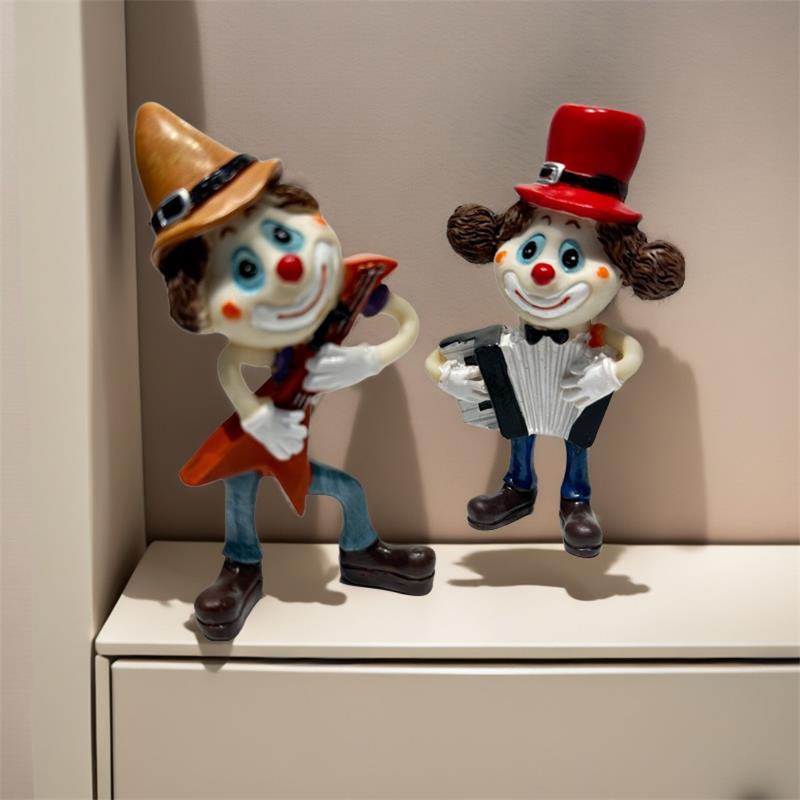
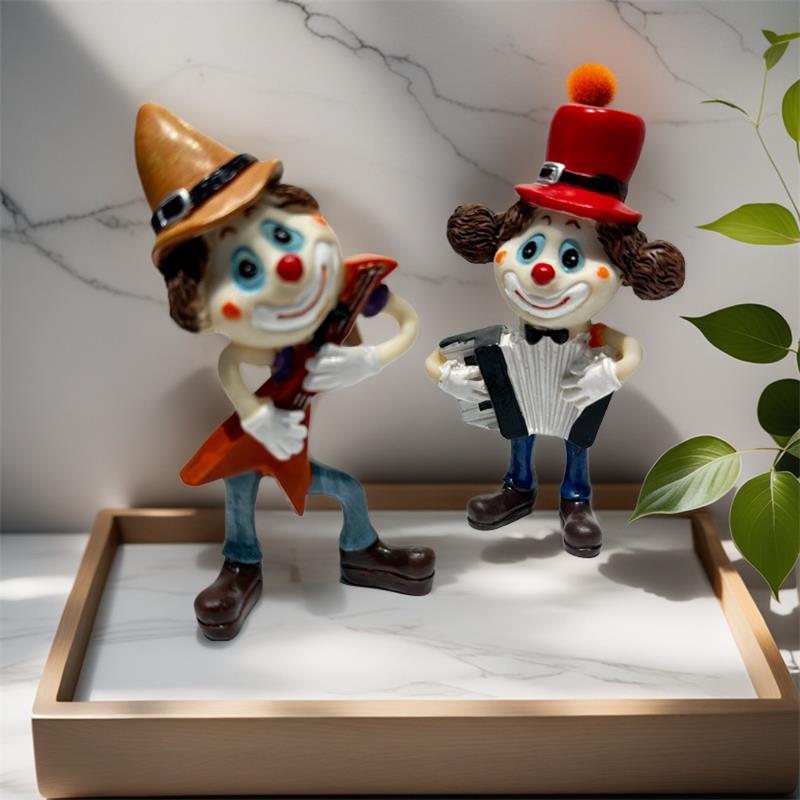
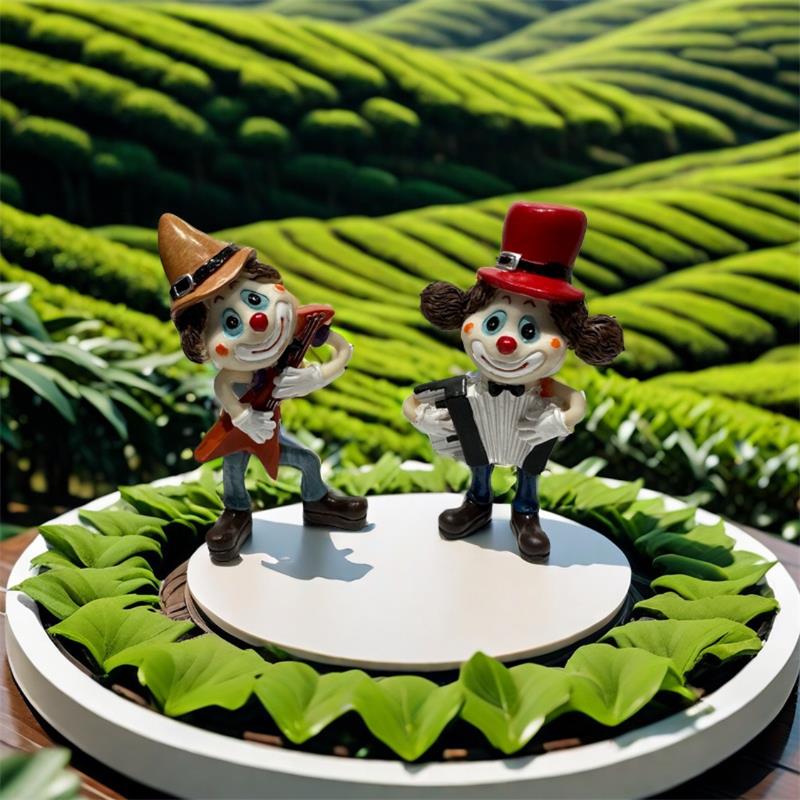
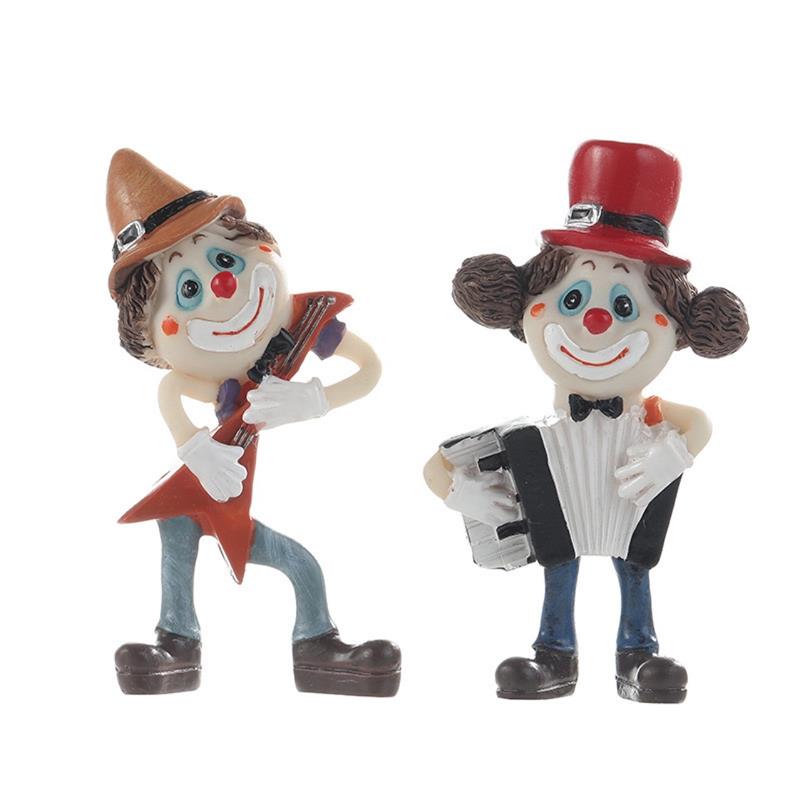
A small resin figurine, no taller than a coffee mug. Two clowns, seated side by side at a tiny piano. The woman clown leans in slightly, as if listening. The man clown’s hands rest on the keys. Their painted faces are gentle, a little wistful, and completely at ease with one another. The whole piece measures just thirteen by eight by seven centimeters, light enough to lift with two fingers, but it has the kind of weight that makes you set it down carefully.
“Your grandfather gave this to me,” she said, not looking up. “Before we had much of anything.”
She told me the story the way she told all her stories — plainly, without decoration, letting the small details do the work.
They were young. They had a rented room with a radiator that clanked all night. He worked long hours and came home tired. One evening, he walked in with a paper bag and set this figurine on the windowsill. He said it reminded him of the two of them — two people who didn’t have a stage, but who played anyway.
She laughed when she said that. “We weren’t musicians. We weren’t clowns. We were just two people trying to make a life. But that little piano made us feel like we were performing something worth watching.”
The figurine stayed on the windowsill through three moves, two children, one dog, and a great many ordinary evenings. It collected dust. It got knocked over once and survived. When my grandfather passed, my grandmother moved it to the corner cabinet, where it sat quietly among the good plates and the old photographs.
I had forgotten about it until that Tuesday. And then, holding it in my hands, I understood something about the kind of gift that lasts. It isn’t the expensive thing. It isn’t the grand gesture. It’s the small object that says, I see us. I see what we are building, even when it doesn’t look like much yet.
I asked her if I could borrow it for my new apartment. She said no — and then, a week later, she handed me a small box wrapped in newspaper. Inside was an identical figurine. She had ordered another one. “You should have your own,” she said. “Start your own shelf.”
That is the thing about this clown couple piano figurine. It is a home decor piece, yes. The resin finish is smooth and matte, the colors are warm without being loud, and it fits on a bookshelf, a windowsill, a desk, or an entryway table without asking for attention. At thirteen by eight by seven centimeters, it does not crowd a space. It simply settles into it.
But it is also a gift that carries a story. People buy it for anniversaries and weddings, for housewarmings and quiet birthdays. They buy it for parents who have been married for decades and for friends who are just starting out. They buy it because it says something that is hard to say out loud: We are in this together, and even the ordinary evenings count.
In our house, it sits on the shelf by the window now. My grandmother’s is still in the corner cabinet. Sometimes, when I visit her, I see hers and then I come home and see mine, and it feels like a small, private conversation between two generations — a conversation held in resin and paint, in the shape of two clowns at a piano.
If you are looking for a gift for someone who values home, family, and the quiet moments that hold a life together, this figurine is a gentle choice. It does not promise anything grand. It simply sits there, playing its silent song, reminding anyone who looks at it that love is often a small, everyday performance — and that it is worth keeping on the shelf.
Leave Your Message
Related PRODUCTS
-
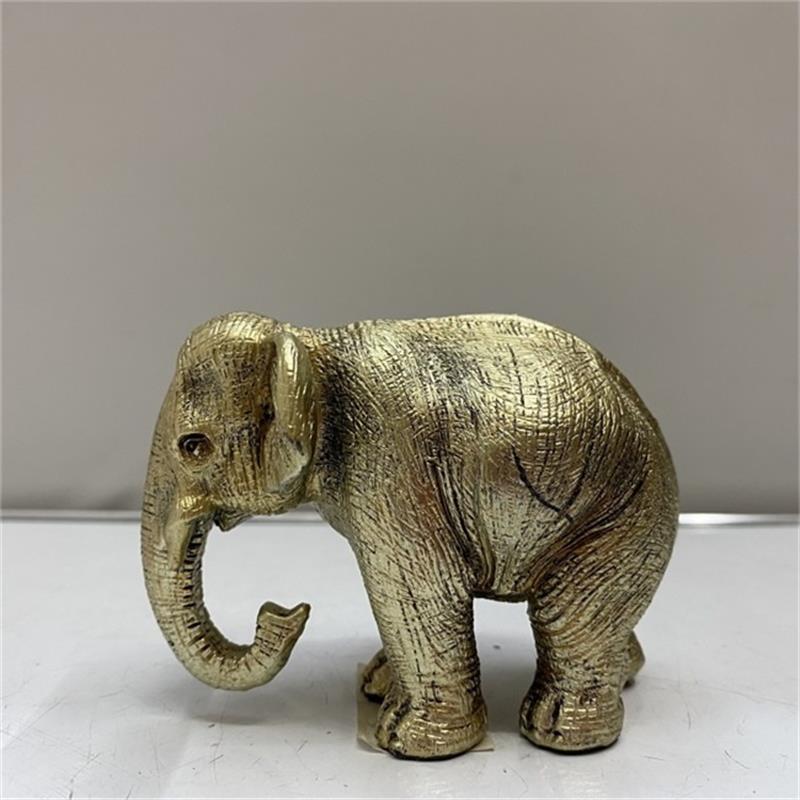
Minimalist Elephant Resin Sculpture | Artisanal Home Decor
-
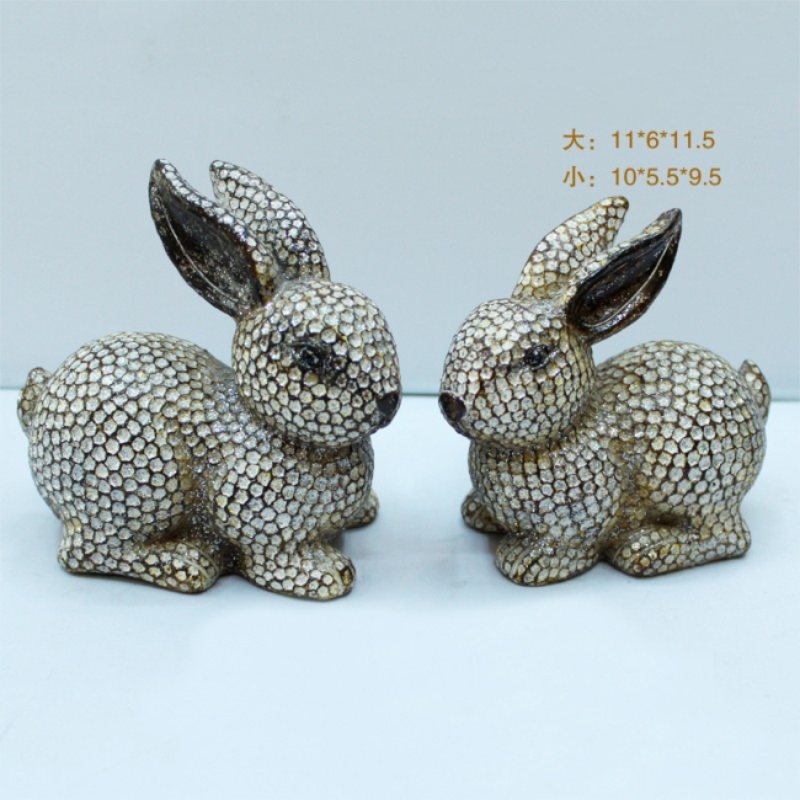
Pair of Rabbit Resin Ornament | Warm Handcrafted Home Decor Gift
-
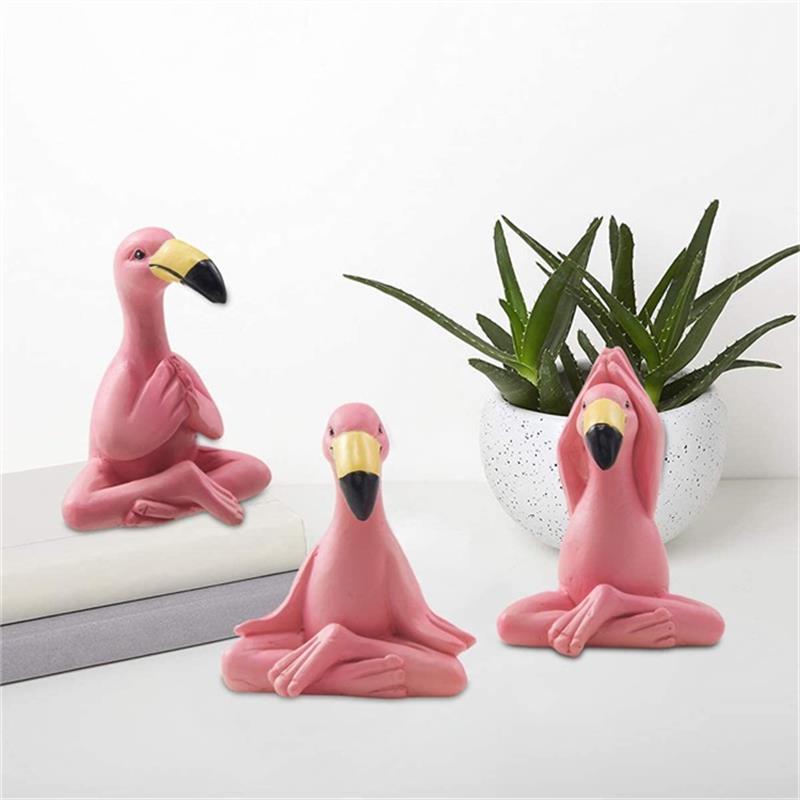
Mini Flamingo Yoga Statue | Calming Resin Desk Decor
-
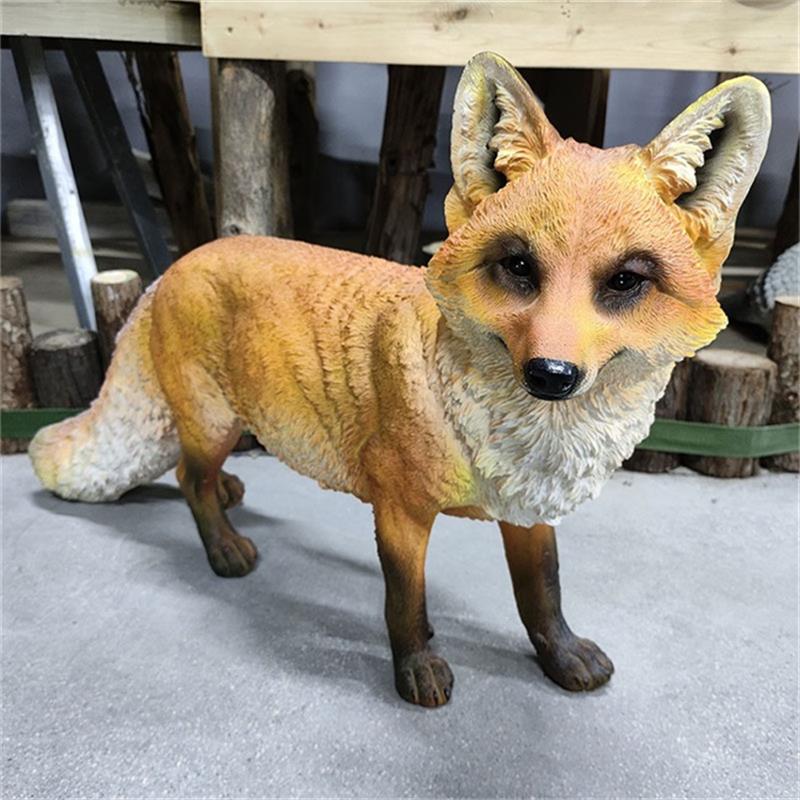
Resin Fox Garden Sculpture – A Story-Driven Home Accent
-
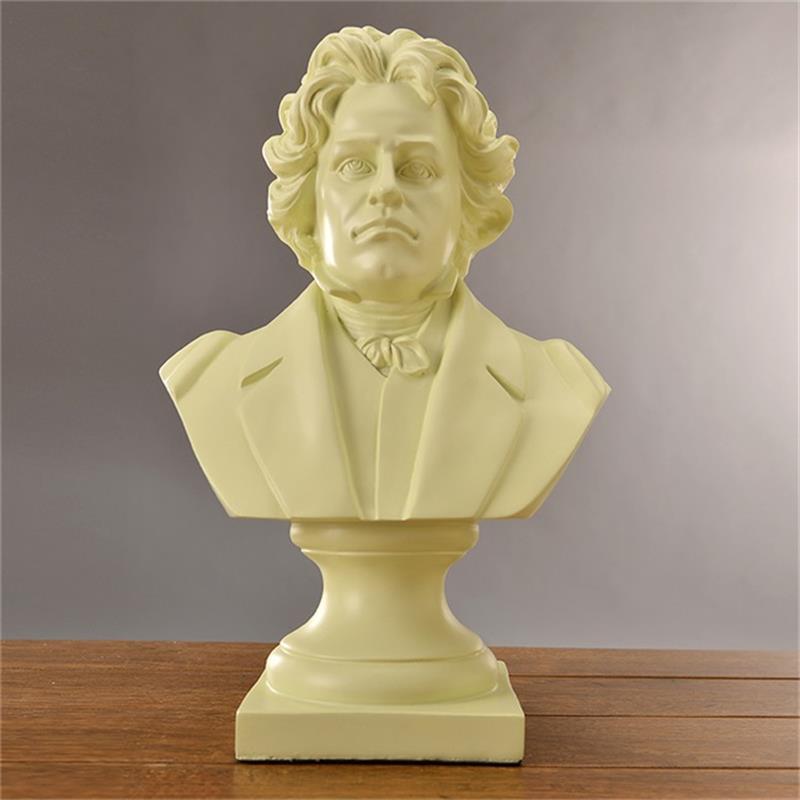
Beethoven Resin Bust – A Heartwarming Home Accent Gift
-
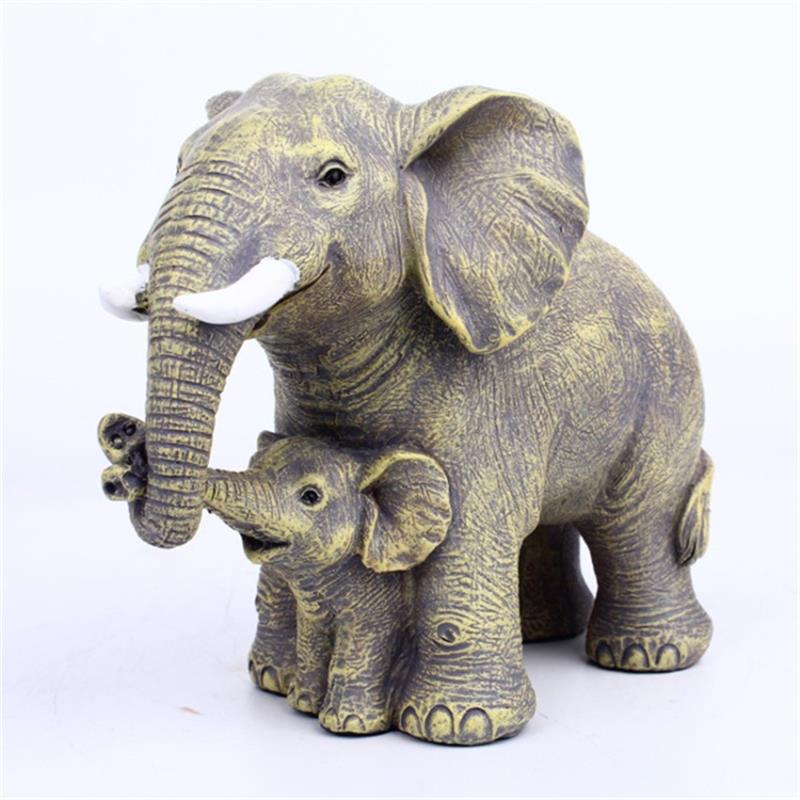
Mother & Child Elephant Sculpture | Minimalist Resin Decor