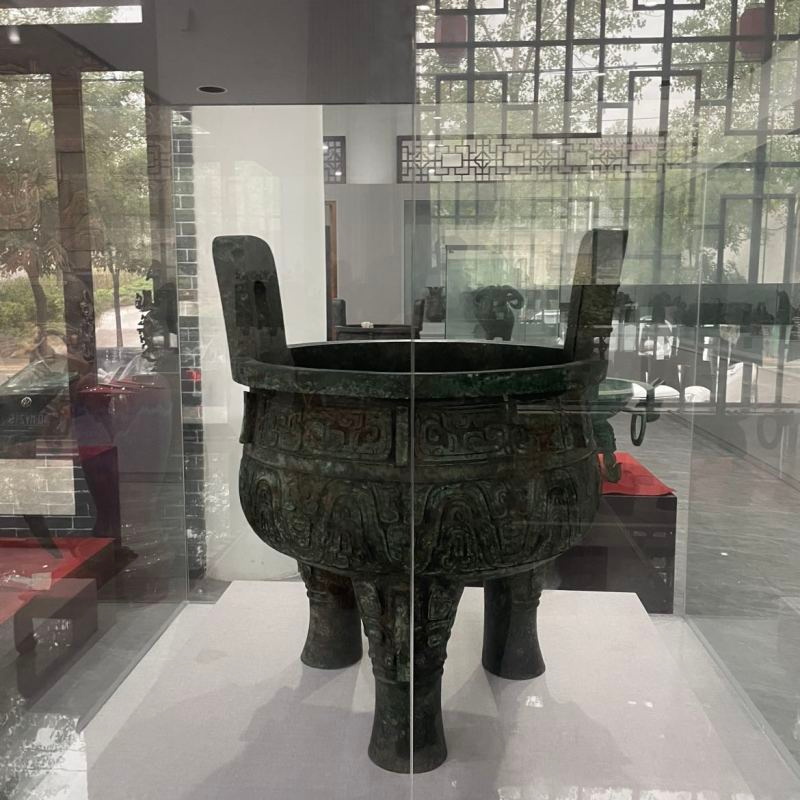
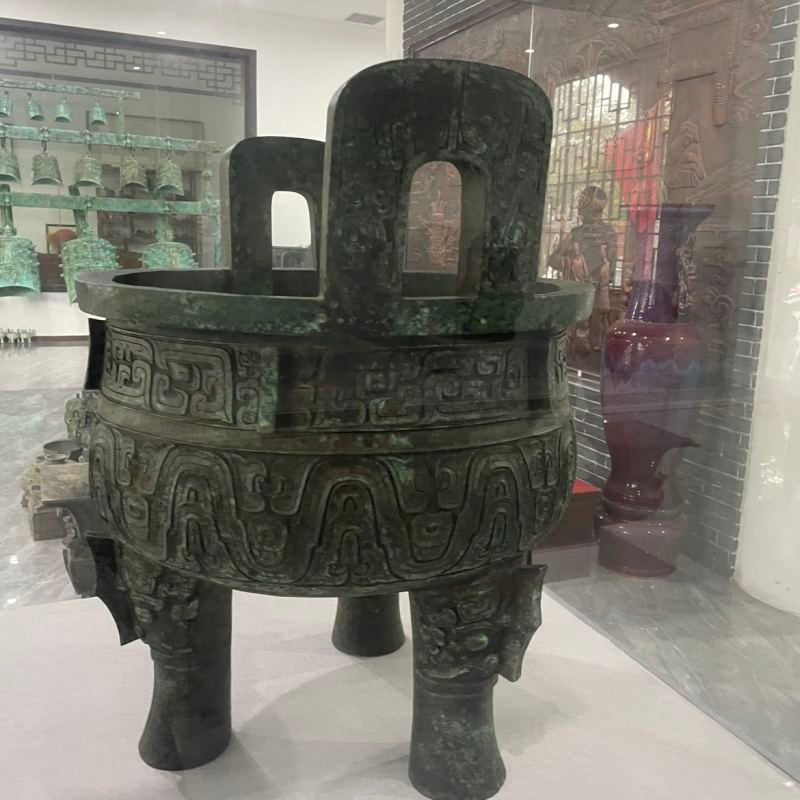
Antique Bronze Tripod Ding: Timeless Elegance for Modern Spaces
The bronze tripod ding is not merely a decorative object; it is a direct link to one of the world’s most sophisticated ancient civilizations. Originating as early as the Shang Dynasty (c. 1600–1046 BC), these three-legged vessels were originally used for ritual offerings and as powerful symbols of authority and status.
Today, an antique bronze tripod ding has transcended its ancient origins to become a highly sought-after collectible and a statement piece in contemporary design. Whether placed in a serene garden, a stately office, or a modern home, it commands attention and respect.
This piece is perfect for:
– Homeowners looking for a unique conversation starter.
– Interior Designers seeking to add a touch of history and grandeur to a project.
– Collectors of Asian art and cultural antiquities.
– Business Owners wanting to imbue their lobby or reception area with a sense of stability and success.
It offers a timeless aesthetic that bridges the gap between historical reverence and modern-day decorative sensibility.
What Is This Product?
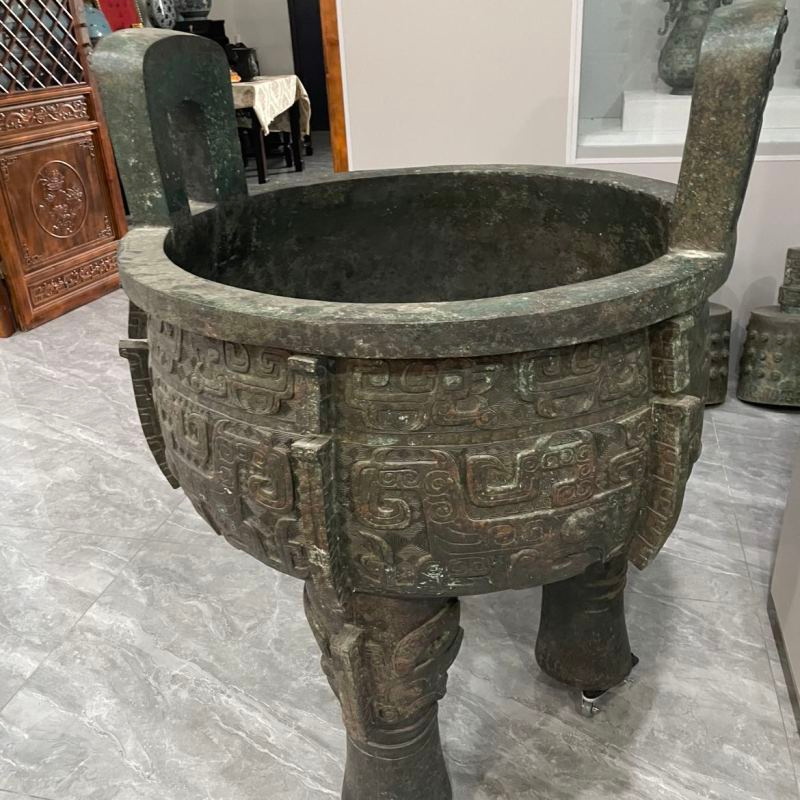
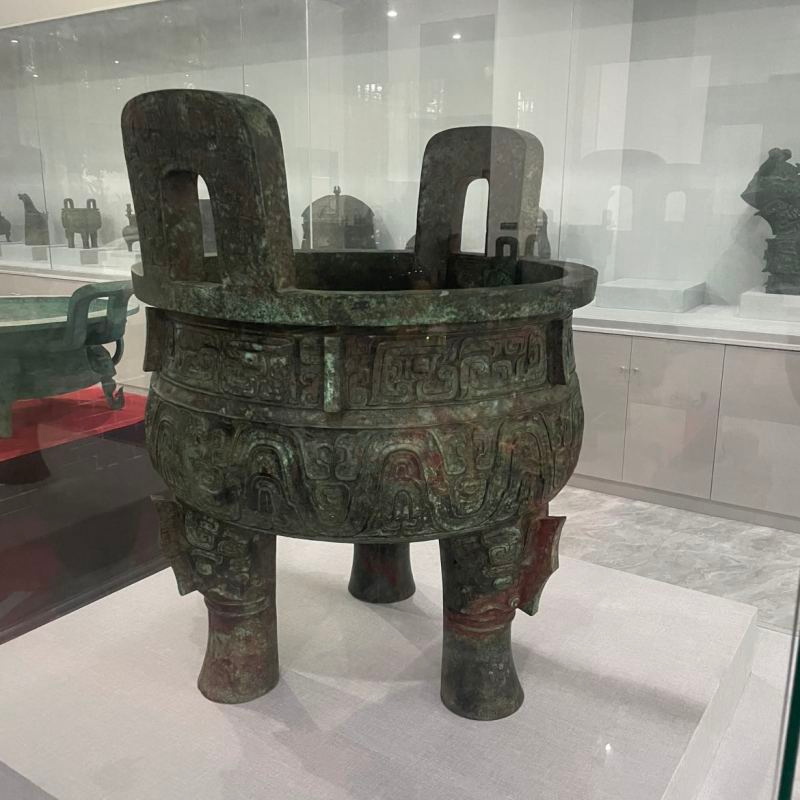
Tripod ding is a type of ancient Chinese bronze vessel, traditionally used for holding cooked food during rituals honoring ancestors and deities. The design is iconic: a deep, rounded bowl supported by three distinctive legs, with two looped handles rising from the rim.
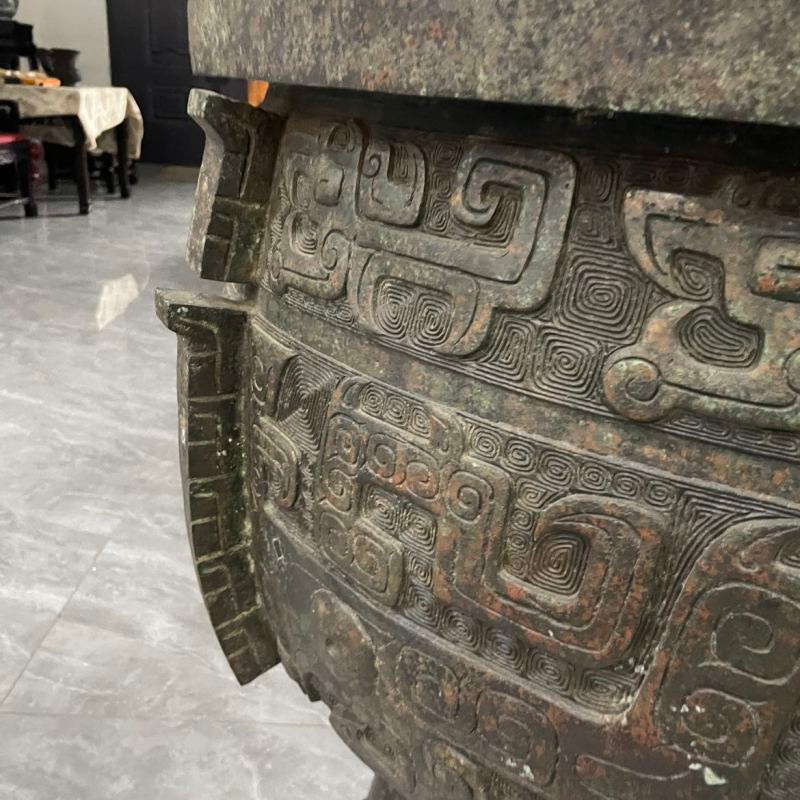
The design characteristics vary depending on the historical period and intended purpose. Many feature intricate decorative motifs. The most famous is the taotie, a highly stylized animal mask featuring two bulging eyes, prominent horns, and a fierce, symmetrical expression. These motifs were not merely decorative; they held significant religious and cultural meaning, believed to ward off evil or invoke protective spirits.
Typical Material:
As the name suggests, these sculptures are crafted from bronze, an alloy of copper and tin. High-quality reproductions often use the traditional lost-wax casting method, which allows for the creation of incredibly fine details, identical to the techniques used thousands of years ago.
Who is it for?
– The Connoisseur: An owner who appreciates the fine craftsmanship and historical depth of the piece.
– The Interior Stylist: Someone who knows that the best interiors are not “decorated” but “curated” with meaningful objects.
– The Discerning Gift Giver: A person looking for a gift that conveys immense respect, longevity, and cultural awareness.
Where Can It Be Used?
The versatility of the bronze ding is one of its greatest strengths. It is a chameleon in the world of décor, able to elevate both traditional and avant-garde settings.
– Home Decoration
– Living Room: Place a smaller ding (around 8–12 inches) on a coffee table or a prominent bookshelf to add an artifact-like presence.
– Entryway/Foyer: A medium-sized ding on a console table creates an immediate focal point and a sense of welcome and stability for visitors.
– Garden & Courtyard: Large, monumental-sized dings (up to 1.2 meters tall) are majestic additions to gardens, courtyards, or the exterior of a home. The bronze develops a beautiful natural patina over time when exposed to the elements.
– Floating Shelf: A small, carefully lit ding on a floating shelf can act as an artistic accent in a hallway or bedroom.
– Office & Commercial Spaces
– Office Desk: A small ding (approx. 10 cm tall) can serve as a unique paperweight or an inspiring desk sculpture.
– Reception Area: A large ding in a corporate lobby signals strength, longevity, and a global perspective. It makes a powerful first impression.
– Retail Store: Used as a decorative prop in a high-end boutique, it adds texture and historical weight to the store’s aesthetic.
– Restaurant & Hotel Lobby: The ding adds an air of elegance and cultural richness to the entrances of luxury hotels and fine dining establishments.
Gift Ideas
An antique bronze ding is a “forever gift”—one that won’t be forgotten or discarded. It is a symbol of permanence and value.
– Birthday (Milestone): A fantastic gift for a 50th or 60th birthday. The “tripod” (three legs) can also be interpreted as a wish for health, wealth, and longevity.
– Wedding & Anniversary: The bronze material represents the strength and longevity of the marriage bond.
– Housewarming: The ding is an ideal housewarming gift, offering a blessing of stability and good fortune to the new home.
– Corporate Gift: For an executive or a valued business partner, this is a top-tier corporate gift that demonstrates immense respect and appreciation.
– Business Opening / Expansion: As the ding is a symbol of power and success, presenting one for a business opening is a beautiful gesture.
Commercial Applications
Beyond individual use, the bronze ding is a powerful tool for commercial interior designers. It helps create a specific mood and reinforces brand identity.
– Retail Display: A bronze ding can serve as a visual anchor in a window display or as a platform for showcasing other smaller luxury items.
– Showroom / Model Room: In real estate model homes, these sculptures add a layer of sophistication and prestige, helping potential buyers envision a high-end lifestyle.
– Interior Decoration Projects: Designers often use a single, high-quality bronze piece to create a “design moment” in a space. It provides visual weight, a point of contrast against soft textiles, and a warm metallic hue.
Why People Love It
The appeal of the bronze tripod ding lies in its profound combination of beauty, history, and symbolism.
– Aesthetic & Artistic Value: The vessel’s form is timeless. Its sturdy legs, rounded body, and beautifully cast decorative bands exhibit a mastery of design and metallurgy. The patina—the greenish or blackish surface layer that develops on aged bronze—adds to its aesthetic and organic beauty.
– Spatial Atmosphere: A ding doesn’t just fill space; it transforms it. It brings a sense of history, depth, and gravitas to any room. It anchors a space and provides a visual point of focus for the eye.
– Collectible Value: For collectors, owning a ding is like owning a piece of art history. It connects the modern collector to an ancient world. Even well-made reproductions can hold significant value and are considered fine art objects.
– Symbolism: The tripod design symbolizes support and stability. In some contexts, it is seen as a representation of the “three worlds” (heaven, earth, and the underworld). The ding itself is a symbol of power, nobility, and prosperity. This rich symbolism adds layers of meaning that modern art often lacks.
Frequently Asked Questions (FAQs)
What makes the bronze tripod ding unique?
The ding is one of the most iconic forms in Chinese history, with a history spanning over 3,000 years. Its unique tripod shape and connection to royal and ritual power distinguish it from standard decorative sculptures.
Is it suitable for modern minimalist interiors?
Absolutely. The simple, geometric lines of the ding often work surprisingly well in modern and minimalist spaces. Its clean silhouette and metallic texture can serve as a focal point in an otherwise sparse room, adding warmth and historical contrast.
Can it be displayed in a garden or outdoors?
Yes, large-scale bronze dings are excellent for outdoor display. Bronze is a durable metal. However, over time, it will develop a natural patina. If you wish to preserve the original polished finish, apply a protective wax coating, but many find the natural aging process adds to its beauty.
Is this product an authentic antique or a reproduction?
Most pieces available commercially are high-quality reproductions. Authentic Shang or Zhou dynasty dings are considered national treasures and are sold primarily at major auction houses like Sotheby’s for hundreds of thousands of dollars. A well-made reproduction offers incredible aesthetic and historical value without the price tag or legal restrictions.
How should I clean and maintain a bronze sculpture?
Dust it regularly with a soft cloth. For a more thorough clean, use a soft brush and soapy water, then dry it completely. Do not use abrasive cleaners or aggressive chemicals. For outdoor pieces, check for water accumulation inside the bowl after heavy rain.
Where is the best place to display a bronze ding?
The best location is a prominent spot where it can be viewed from multiple angles. This includes a central position in a garden, the center of a long dining table, on a well-lit pedestal, or a prominent shelf in a library or office.
Can it be used for commercial decoration in hotels or restaurants?
Yes, many interior designers use large bronze sculptures to add sophistication to commercial spaces like hotel lobbies and high-end restaurants. It conveys a sense of luxury, history, and a globally-inspired aesthetic.
Does it match traditional or classical home décor?
The bronze ding is a natural fit for classical, traditional, or eclectic interiors. It pairs beautifully with dark woods, velvet, leather, and other rich textures. It is a piece that looks like it has been collected over time, perfectly fitting into a well-curated traditional home.
What do the animal mask (taotie) designs represent?
The taotie is a zoomorphic mask with large, protruding eyes and no lower jaw. It is one of the most iconic designs from the Shang Dynasty. It is believed to be a protective spirit or a symbol of the power of the ruling class, often representing authority and the connection to the divine.