Abstract Figurine Sandstone Resin Craft
The abstract figurine crafted from sandstone resin has quietly become one of the most versatile decorative objects in contemporary interior design. These sculptural pieces—often depicting simplified human forms in contemplative poses—offer something that purely functional decor cannot: they invite interpretation, spark conversation, and bring an unmistakable sense of artistic intention to a space.
What makes these pieces particularly compelling is their accessibility. Unlike original fine art sculptures that command gallery prices, sandstone resin figurines make artistic expression attainable for everyday interiors. Whether placed on a minimalist desk, a styled bookshelf, or a welcoming entryway console, these figurines serve as small but significant statements about the inhabitant’s aesthetic sensibilities.
This guide explores everything you need to know about abstract figurine sandstone resin crafts—from understanding their material composition and design characteristics to discovering where they work best, who they suit, and why they’ve become such a beloved element of modern decor.
What Is This Product
An abstract figurine sandstone resin craft is a decorative sculpture that combines two materials to achieve a distinctive look and feel: natural sandstone and high-quality resin. This combination creates pieces that have the organic texture and earthy appearance of stone while benefiting from resin’s durability, lightweight nature, and ability to capture fine detail.
Design Characteristics
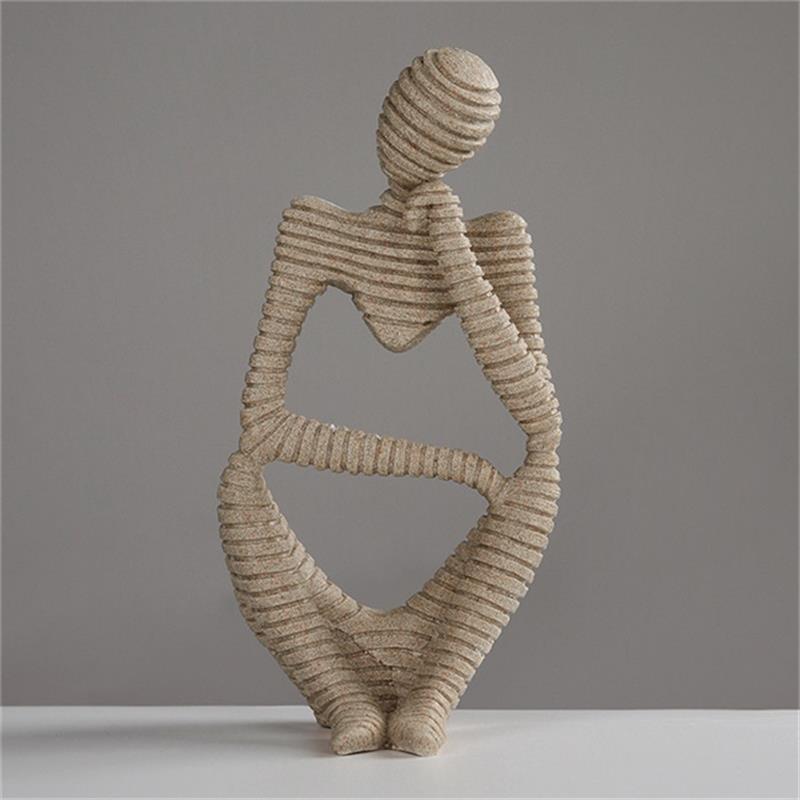
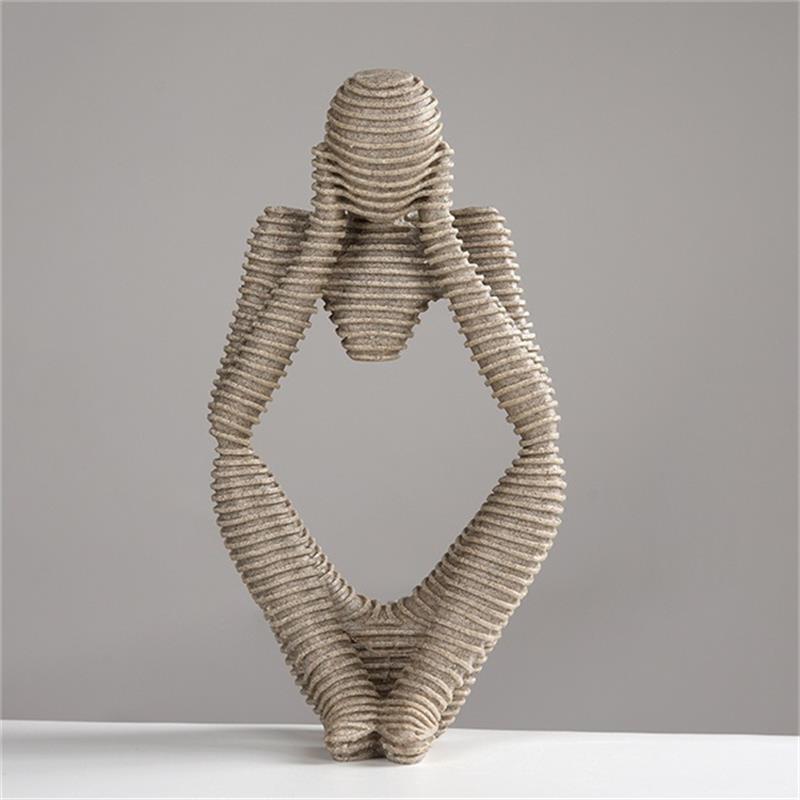
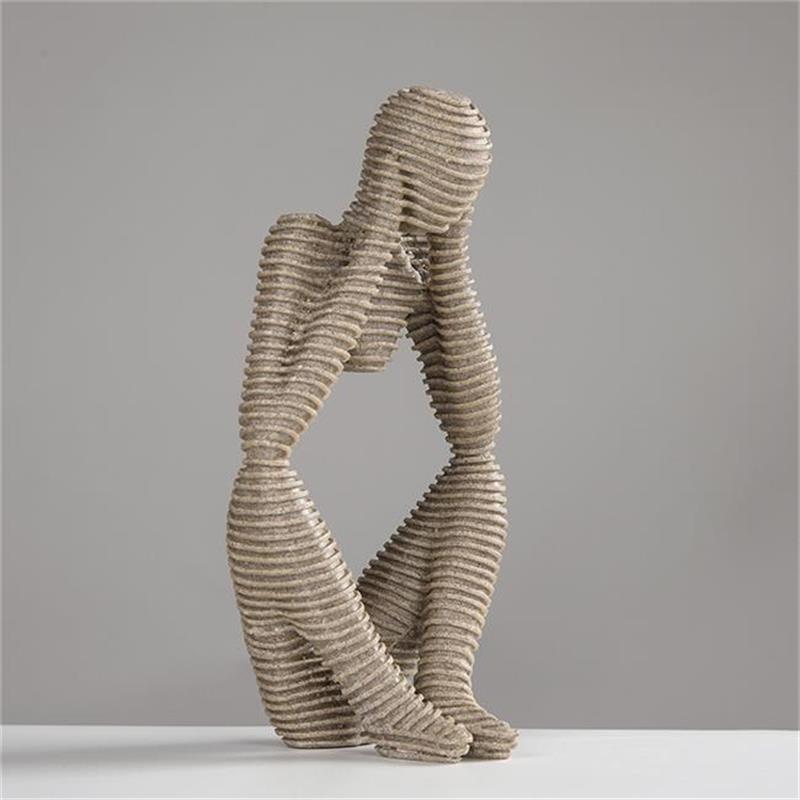
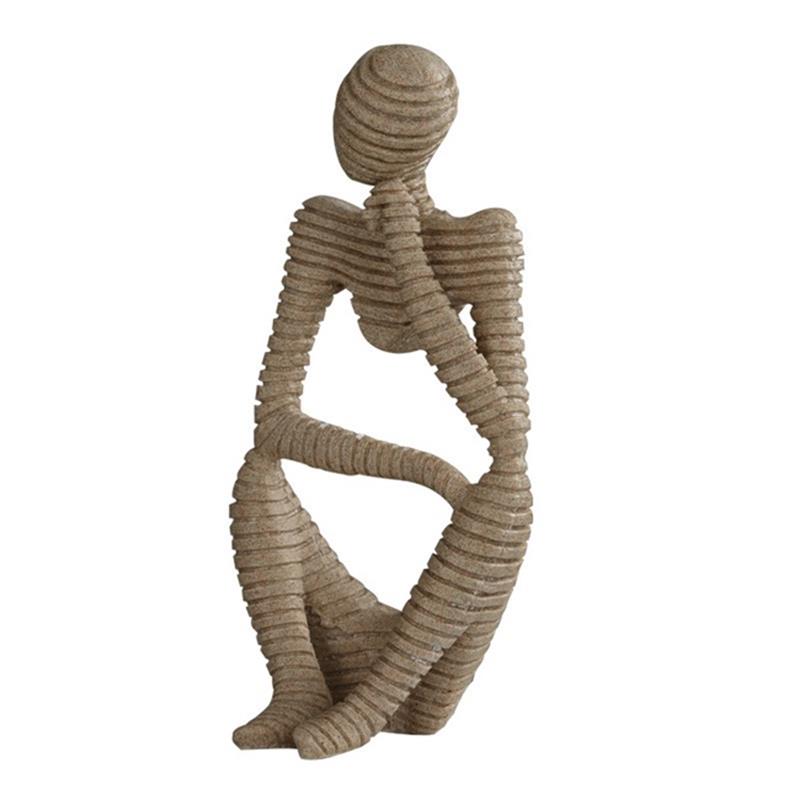
These figurines typically depict human figures in abstract, simplified forms. The “thinker” pose—a seated figure with head resting on hand—is among the most popular motifs, though you’ll also find standing figures, embracing couples, and meditative postures. What distinguishes them as abstract rather than realistic is the deliberate simplification of form: features may be suggested rather than detailed, proportions may be elongated or compressed, and surfaces often feature interesting textural contrasts.
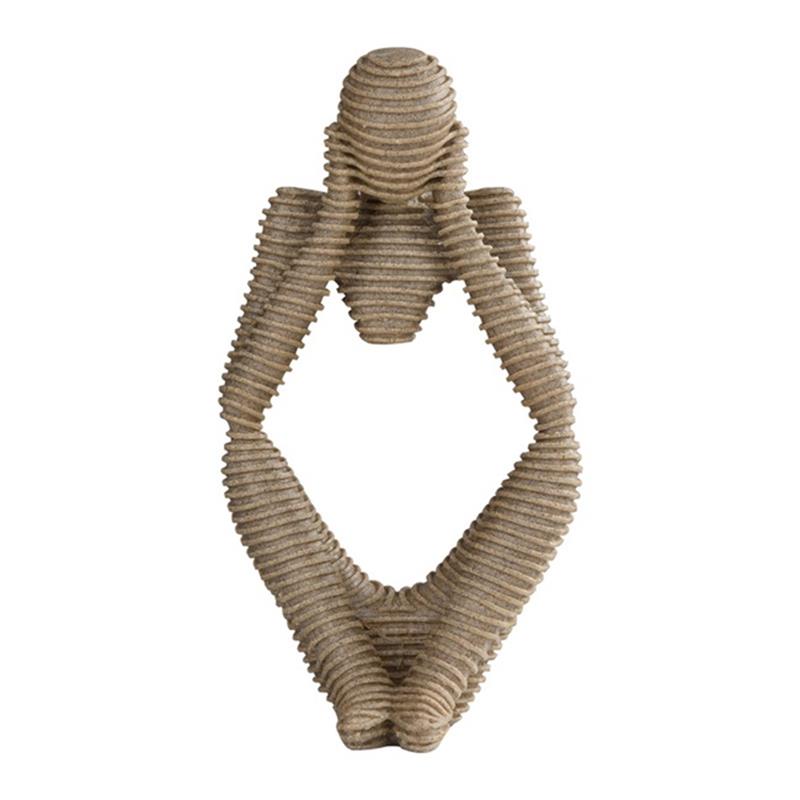
A notable design feature found in many pieces is the hollow structure or spiral element that wraps around the figure. This isn’t merely decorative—it creates visual interest through negative space, making the sculpture engaging from every angle and allowing light to interact with the piece in interesting ways.
Material Properties
The sandstone resin blend offers several practical advantages. The material is solid and resistant to everyday wear, making it suitable for frequent handling and long-term display. Pieces are heavy enough to stay firmly in place yet light enough to move easily when rearranging. The natural sandstone content creates an organic, slightly granular surface that feels pleasant to touch and adds visual warmth. Many pieces receive a polished finish that enhances the material’s natural beauty without appearing artificial.
Important Notes About Craftsmanship
Because these are handmade items, each piece has subtle variations that contribute to its uniqueness. Production processes often involve cold mold casting followed by hand polishing. You may notice faint mold lines on edges or slight color variations across the surface—these are characteristic of the material and process rather than flaws. Some pieces may also feature deliberate fingerprint textures created during the polishing stage to enhance tactile interest.
Who It Suits
This product appeals to a wide range of users. Homeowners value it as an affordable way to add artistic character to everyday spaces. Interior designers appreciate it as a versatile accent that complements multiple styles. Office managers use it to add personality to professional environments without being distracting. Gift buyers find it a meaningful present for housewarmings, birthdays, and more. Collectors see it as an accessible entry point to sculptural art collecting.
Where Can It Be Used
Home Decoration
In the living room, a sideboard or console table provides an ideal stage for an abstract figurine. Position it among books, candles, or a small vase for a curated vignette. The sculpture becomes a focal point that draws the eye without overwhelming the space.
In the bedroom, place a figurine on a nightstand or dresser to introduce a contemplative, calming element. The abstract human form can feel comforting and grounding—a subtle reminder of presence and stillness in a room dedicated to rest.
Bookshelves often become catch-alls for miscellaneous items. A thoughtfully placed sculpture brings intentionality to the arrangement, creating rhythm and visual rest between books and other objects. The smaller dimensions, ranging from about 2.5 to 10 inches tall, make them particularly shelf-friendly.
The entryway is your home’s first impression. An abstract figurine here signals that you value art and thoughtful design. It also provides a moment of visual interest that can set the tone for the entire home. Modern TV cabinets often have open shelving that needs curation, and a figurine can balance the mass of the television while adding an organic counterpoint to technology.
Office Desk
The office desk deserves decoration that enhances focus rather than distracts. An abstract figurine serves this purpose well—it’s visually engaging enough to rest the eyes on during a mental break but doesn’t demand attention. The “thinker” motif, in particular, resonates in workspaces, subtly reminding us of the value of reflection before action.
Reception Area
In professional settings, reception areas communicate volumes about the company. An abstract sculpture signals sophistication and attention to detail. It creates a welcoming, contemplative atmosphere that puts visitors at ease while demonstrating that the organization values aesthetics.
Retail Display
Retail environments—especially those selling home goods, fashion, or luxury items—can use abstract figurines as props to enhance product displays. They elevate the perceived value of merchandise and create aspirational lifestyle vignettes that encourage purchase.
Commercial Spaces
Hotels increasingly incorporate art to differentiate themselves. An abstract figurine collection in a lobby creates a gallery-like feel and enhances the guest experience. Restaurants and coffee shops benefit from decorative objects that reinforce brand identity. A minimalist sculpture aligns with modern or Nordic-inspired interiors and can become part of the establishment’s visual signature. In real estate and interior design showrooms, abstract figurines are essential styling tools that make spaces feel lived-in and aspirational while remaining neutral enough to not distract from the architecture.
Gift Ideas
The abstract figurine works beautifully for nearly any gifting occasion. For birthdays, it offers a personal, artistic gift that shows you understand the recipient’s taste. For weddings, a figurine depicting embracing figures serves as a lasting symbol of partnership. As a housewarming present, it provides a meaningful addition to a new home that doesn’t duplicate kitchenware. During Christmas, it makes a warm, artistic present that offers enduring value beyond seasonal novelty. For Mother’s Day and Father’s Day, it’s a thoughtful gesture that acknowledges their space and taste. Anniversaries call for a sophisticated present that doesn’t follow predictable milestone gift conventions. As a corporate gift, it offers a professional yet personal gesture for clients or employees. It also works for festival celebrations like Diwali, Lunar New Year, Eid, and other cultural holidays.
When giving as a gift, consider the recipient’s existing decor style. The figurine’s neutral tones—sandstone, gray, beige, brown—make it compatible with most interiors, but matching the finish to their color palette demonstrates extra thoughtfulness.
Commercial Applications
Beyond residential use, abstract figurines find extensive application in commercial interior design. Hospitality designers use them in hotels and boutique accommodations to create distinctive guest experiences, placing them in guest rooms, lobbies, and common areas to add artistic credibility to the environment. Modern offices increasingly blur the line between work and lifestyle spaces, and abstract figurines help humanize corporate environments, making them feel more creative and less institutional.
In retail visual merchandising, from department stores to boutique shops, abstract sculptures enhance display windows and in-store presentations. They create visual interest that draws customers in and elevates the brand’s perceived value. The hospitality industry also recognizes that atmosphere is as important as cuisine. Abstract figurines contribute to a restaurant’s overall ambiance, helping create Instagram-worthy interiors that encourage social sharing.
Real estate stagers rely on accessories like abstract figurines to make properties feel desirable. They’re neutral enough to appeal to diverse buyers yet distinctive enough to create memorable impressions.
Why People Love It
Aesthetic Appeal
The abstract figurine succeeds because it offers beauty without demanding interpretation. You don’t need to “understand” the sculpture to appreciate it—its visual appeal is immediate. The simplified forms, organic textures, and thoughtful proportions create an object that’s simply pleasant to look at, regardless of your art background.
Artistic Value
Bringing art into everyday spaces enriches daily life. These figurines function as miniature sculptures, making art accessible and approachable. They democratize the experience of living with art, proving that you don’t need a gallery budget to appreciate sculptural beauty.
Spatial Effect
A well-placed abstract figurine does something remarkable: it anchors a space. A single sculpture on a shelf or table creates a point of focus that helps other elements organize around it. It brings a sense of intention to a room, communicating that the space was designed rather than merely furnished.
Collectible Appeal
For those drawn to collecting, abstract figurines offer an accessible entry point. They’re affordable enough to begin collecting without significant investment, yet varied enough in design to allow for themed or curated collections. Different sizes, poses, and finishes create opportunities for interesting groupings.
Gift Value
Few decorative items work as universally well as gifts. The abstract figurine is neutral enough for anyone yet personal enough to feel thoughtful. It’s a gift that doesn’t assume anything about the recipient’s taste while still demonstrating care in selection.
Display Versatility
One of the most appreciated qualities is how effortlessly these pieces integrate into existing decor. They work with minimalism, modernism, Scandinavian design, industrial aesthetics, and even traditional interiors when chosen thoughtfully. This versatility means they don’t become obsolete with a room refresh.
Frequently Asked Questions
What makes this decorative piece unique?
The combination of sandstone and resin creates a distinctive material quality that resembles natural stone while remaining lightweight and durable. The abstract design—particularly the thinker motif with its hollow or spiral elements—adds visual interest from every angle, making each piece a conversation starter.
Is it suitable for modern interiors?
Absolutely. Abstract figurines with clean, minimalist lines and neutral finishes are practically tailor-made for contemporary spaces. They complement modern furniture, neutral color palettes, and curated, uncluttered aesthetics.
Can it be displayed in an office?
Yes, and it’s an increasingly popular choice. The contemplative pose of thinker figurines resonates in professional environments, while the abstract design adds personality without being distracting.
Is it a good gift idea?
It’s an excellent gift for numerous occasions. It’s thoughtful without being overly personal, artistic without being intimidating, and practical without being dull. It works for birthdays, housewarmings, corporate gifts, and holidays.
How should it be cleaned?
Dust with a soft, dry cloth regularly. For more thorough cleaning, use a slightly damp cloth followed by immediate drying. Avoid harsh chemical cleaners, abrasive sponges, or soaking, as these can damage the surface finish.
Where is the best place to display it?
Bookshelves, desks, side tables, and entryway consoles are all excellent options. Choose a location where it can be seen from multiple angles to appreciate its three-dimensional design. Ensure the surface is stable and consider the height of surrounding objects for proper scale.
Can it be used for commercial decoration?
Yes. Hotels, restaurants, cafes, retail stores, and office receptions frequently incorporate these figurines into their decor. They add sophistication without being high-maintenance—an important consideration for commercial environments.
Does it match minimalist home decor?
It complements minimalist interiors beautifully. The simplified forms and neutral materials align with minimalism’s emphasis on essential forms and natural materials. The abstract rather than representational quality also suits minimalism’s preference for open interpretation.
What sizes are available?
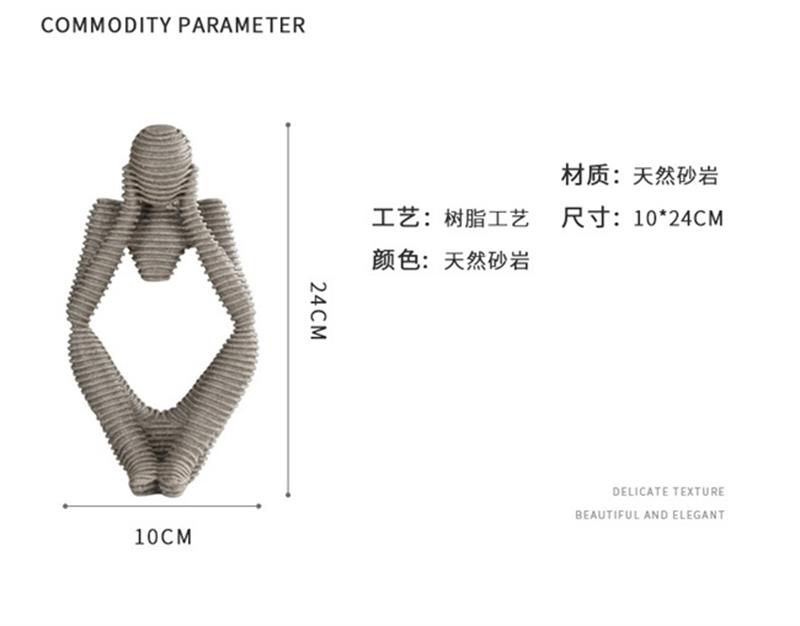
Sizes vary significantly, from compact 2.5-inch pieces perfect for bookshelves to 10-inch statement pieces for sideboards and consoles. Some designers even use multiple sizes in deliberate arrangements.
How durable is the sandstone resin material?
The material is quite durable for a decorative object. It resists chipping and fading under normal indoor conditions. However, prolonged direct sunlight should be avoided, and pieces should be handled with reasonable care as with any sculpture.
Can I use it outdoors?
These figurines are generally designed for indoor use. While the material is robust, prolonged exposure to moisture, temperature extremes, or direct UV light will degrade it over time. Keep them in protected interior spaces for longevity.
Are there different color options?
Yes. Common finishes include natural sandstone, gray, beige, brown, and sometimes gold or black accents. The variety makes it easier to find a piece that coordinates with your specific interior palette.