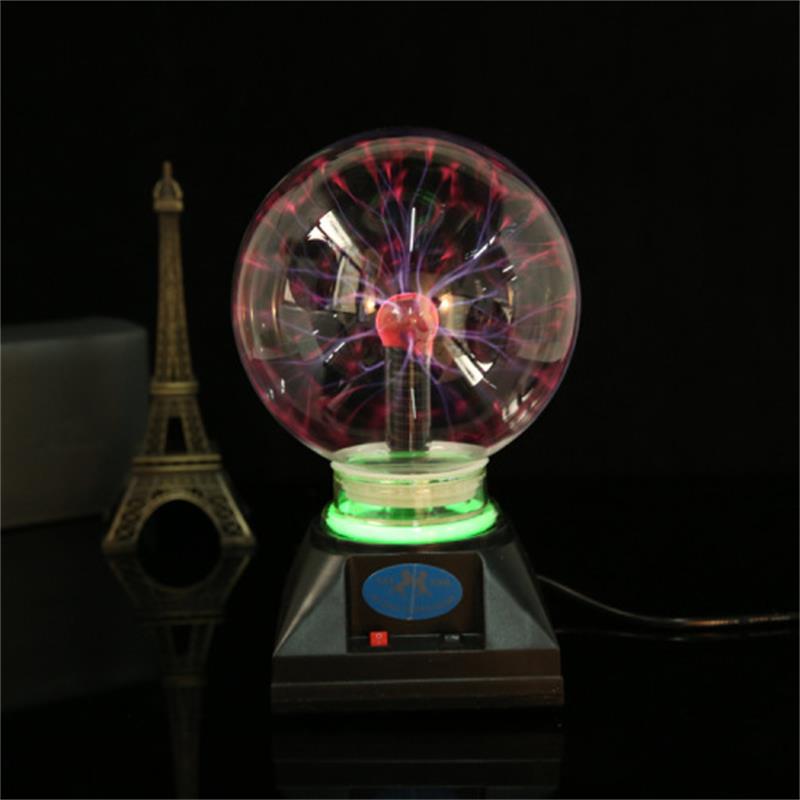
6 Inch Plasma Ball with Plastic Base
Some decorative objects sit quietly on a shelf and ask nothing of you. Others invite you to reach out, touch them, and watch what happens. The 6 inch plasma ball with plastic base belongs firmly to the second category. At roughly 15 centimeters in diameter, it’s a size that commands attention without overwhelming a space—large enough to be a genuine focal point, compact enough to sit comfortably on a desk or floating shelf.
What makes this particular decorative object so compelling isn’t just what it looks like when it’s off. It’s what happens when you turn it on. Thin threads of light leap from the center toward the glass surface, following your fingertips as you move them across the sphere. It responds to sound, too—music, a clap, even a raised voice can send the plasma tendrils dancing. In a world of passive decor, this is something you interact with.
The appeal extends across a surprisingly wide range of people. Science enthusiasts appreciate the physics on display—the plasma ball is a direct descendant of Nikola Tesla’s experiments with high-frequency currents. Interior designers use it as a conversation piece in modern and eclectic spaces. Gift buyers looking for something more memorable than a candle or a picture frame often land here. And anyone who grew up in the 1990s will recognize it as a piece of nostalgia that never really went out of style.
What Is This Product
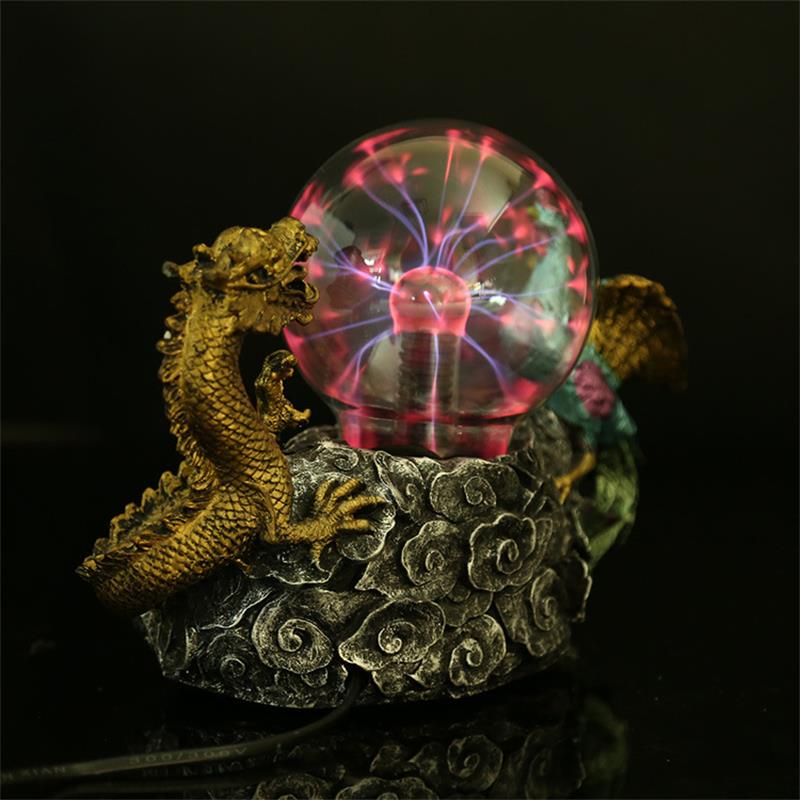
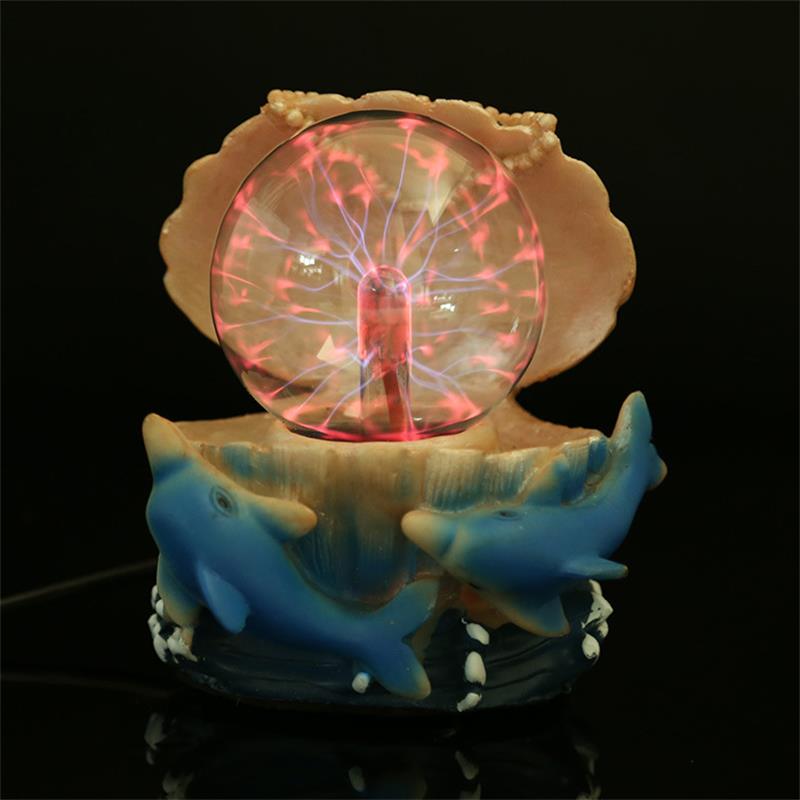
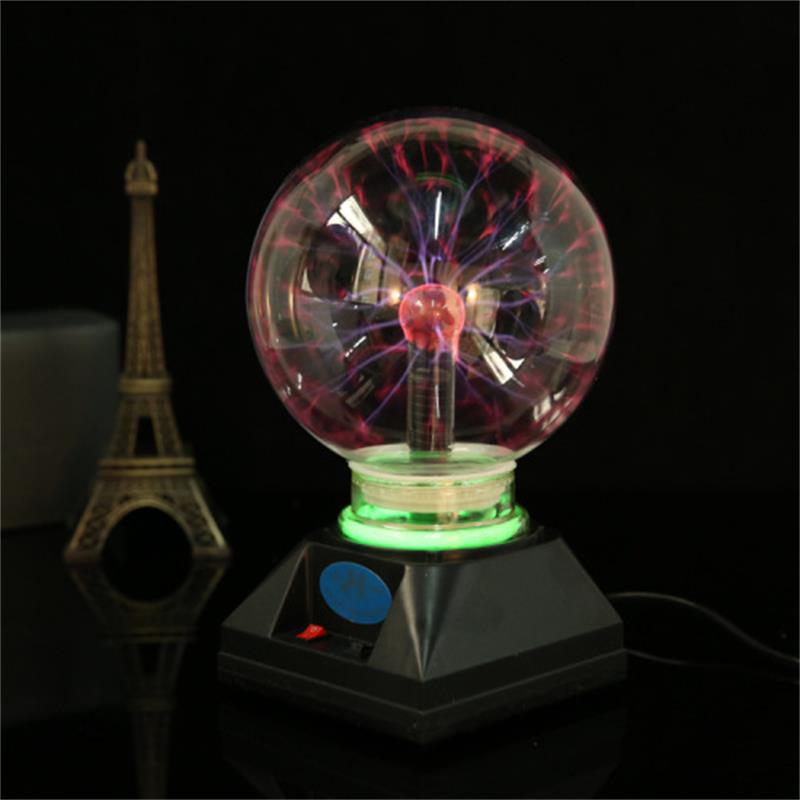
A 6 inch plasma ball is, at its core, a glass sphere filled with low-pressure noble gases—typically argon or neon—surrounding a central electrode. When powered on, the electrode emits high-frequency voltage, ionizing the gas inside and creating the visible “lightning” effect. This is plasma, often called the fourth state of matter, and it’s the same phenomenon that makes stars glow.
The “6 inch” designation refers to the diameter of the glass globe itself. The complete unit with its plastic base typically stands around 25 to 26 centimeters tall, making it a tabletop-sized object rather than a floor-standing one. The plastic base houses the electronics and provides stability. Materials vary by manufacturer—the globe is glass, the base is ABS plastic—but the fundamental design has remained consistent for decades for good reason. It works.
One detail worth noting: the surface of the glass warms up during operation. This is normal and expected for plasma balls. Manufacturers generally recommend limiting continuous use to one or two hours at a time to prevent excessive heat buildup. This isn’t a defect; it’s simply how the technology behaves.
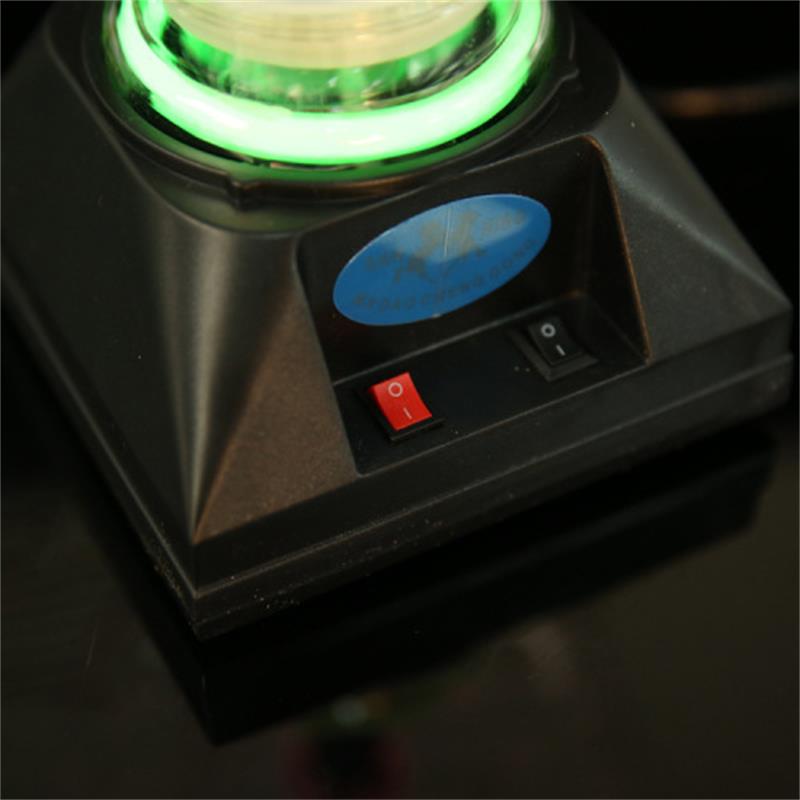
The touch sensitivity is the headline feature, but the sound reactivity runs a close second. When you flip the switch to sound mode, the plasma responds to ambient noise and music, creating a visual rhythm that syncs with whatever’s playing. It’s the kind of feature that seems like a gimmick until you actually try it.
Where Can It Be Used
Home Decoration
Living Room. On a side table or console, a plasma ball adds a dimension of movement and light that static decor can’t match. It works especially well in rooms with low ambient lighting, where the plasma streams become the visual anchor.
Bedroom. As an alternative to a traditional night light, the plasma ball provides just enough illumination to be functional while being far more interesting to look at. The gentle warmth of the glass surface and the soft glow make it a surprisingly soothing presence.
Bookshelf and Floating Shelf. A single plasma ball can break up the monotony of a bookshelf or floating shelf arrangement. Place it at eye level for maximum effect, ideally with some space around it so the light can breathe.
Entryway. A console table in the entryway is often an afterthought. A plasma ball gives that space a purpose—a small, intriguing object that catches the eye as soon as you walk in.
TV Cabinet. Media consoles tend to be visually dominated by screens and cables. A plasma ball introduces a different kind of visual interest, one that doesn’t depend on content or channels.
Display Cabinet and Collection Showcase. For collectors, a plasma ball can serve as both a display piece in its own right and a thematic anchor for a science or retro technology collection.
Office and Commercial Spaces
Office Desk. A plasma ball on a desk does something a plant or a framed photo can’t: it invites interaction. Colleagues and clients who sit nearby will inevitably touch it. It becomes a conversation starter without any effort on your part.
Reception Area. In a waiting room or reception desk, a plasma ball provides a point of focus that eases the awkwardness of waiting. It’s visually engaging in a way that doesn’t demand attention but rewards it.
Retail Store Counter. For shop owners, a plasma ball on the counter serves double duty as decoration and entertainment. Customers waiting for a transaction to complete will often reach out to touch it, turning a momentary pause into a small pleasant experience.
Hotel Lobby. Larger spaces need objects with presence. A plasma ball in a hotel lobby—particularly in a modern or boutique property—adds a touch of interactive intrigue that guests remember.
Restaurant and Coffee Shop. On a bar top or a table in the corner, a plasma ball creates a small pocket of visual interest. It’s subtle enough not to interfere with conversation, but distinctive enough to make the space feel considered.
Gift Ideas
Birthday. For a science-loving teenager or an adult who appreciates interesting objects, a plasma ball is a gift that feels personal and thoughtful rather than generic.
Christmas. The glow and warmth of a plasma ball align naturally with winter evenings. It’s the kind of gift that gets used immediately, not stored away until the batteries run out.
Housewarming. For someone who has just moved into a new space, a plasma ball is a small, meaningful addition that doesn’t require knowing their exact taste in furniture or art.
Mother‘s Day and Father’s Day. Not every parent wants another tie or scented candle. A plasma ball appeals to parents who enjoy gadgets, science, or simply things that are a little bit different.
Anniversary and Wedding. For couples who have chosen a modern or eclectic aesthetic for their home, a plasma ball fits naturally into that vision. It’s a gift that becomes part of the space rather than ending up in a drawer.
Business and Corporate Gift. A plasma ball on a client’s desk is a memorable gesture. It’s distinctive enough to be noticed, useful enough to be kept, and neutral enough to suit almost any professional environment.
Festival Gift. Beyond Christmas, plasma balls work as gifts for birthdays, graduations, or just because. The appeal crosses age groups in a way that few decorative objects manage.
Commercial Applications
Beyond homes and personal gifts, the plasma ball has a genuine role in commercial and professional settings.
Retail Display. In a shop window or on a display counter, a plasma ball draws the eye. It creates movement and light in a way that static products don‘t, which can translate directly into foot traffic and engagement.
Hotel Decoration. Boutique hotels and design-focused properties use objects like plasma balls to signal that they’ve thought about the guest experience down to the details.
Restaurant and Bar Decoration. A plasma ball on a bar top or a side table adds a focal point that doesn‘t compete with the food or the company.
Office Reception. Companies that host clients or visitors benefit from having objects in their reception areas that invite interaction. A plasma ball is a low-effort way to make a space feel more human.
Showroom and Model Room. In a showroom or a staged model home, a plasma ball adds personality. It suggests that the space is meant to be lived in, not just looked at.
Interior Decoration Projects. For designers working on residential or commercial projects, the plasma ball can serve as a specific, intentional accent piece rather than a generic filler object.
Why People Love It
The plasma ball occupies a rare position in the world of decorative objects: it’s both beautiful and participatory.
From an aesthetic standpoint, the visible plasma streams are genuinely striking. There’s a reason these objects have persisted for decades—they create a visual effect that doesn‘t get old. The light is organic, almost alive, and it changes depending on where you touch and how you move.
The interactive quality is what separates it from other decor. You don’t just look at it; you engage with it. This makes it a natural conversation piece, whether it’s on a desk at work or a shelf at home.
There’s also the science angle. The plasma ball is a tangible demonstration of physics that most people never encounter outside of a classroom or a museum. Having one in your home or office is a small way of keeping curiosity present in daily life.
And then there’s the nostalgia factor. For anyone who grew up in the 1980s or 1990s, the plasma ball is a recognizable artifact from childhood bedrooms and science museums. Bringing one into an adult space is a way of carrying that sense of wonder forward.
Finally, as a gift, it works. It’s distinctive, it’s memorable, and it doesn’t require knowing the recipient’s exact taste in art or furniture. A plasma ball says “I thought this was interesting and I thought you might too”—and that’s a hard message to get wrong.
Frequently Asked Questions
Is a plasma ball safe to touch?
Yes. The glass surface insulates the electrical current inside, so you won‘t feel a shock when you touch it normally. However, you should avoid touching it with wet hands or with metal objects like rings, as these can create a small shock or a spark. People with pacemakers should keep a reasonable distance, as the plasma ball generates a small amount of electromagnetic interference.
Can a plasma ball be left on all night?
Manufacturers generally recommend against continuous operation for more than one to two hours at a time. The glass surface builds up heat during use, and extended operation can wear out the internal components more quickly. It’s best treated as a session object—turn it on when you’re there to enjoy it, turn it off when you leave the room.
How does a plasma ball actually work?
Inside the glass globe, there’s a central electrode and a low-pressure mixture of noble gases. When powered, the electrode emits high-frequency voltage that ionizes the gas, creating the visible plasma streams. Your finger, when placed on the glass, provides a path for the current and attracts the plasma toward that point.
Will a plasma ball work with any power outlet?
Plasma balls typically come with a power adapter designed for the region where they’re sold. If you’re buying internationally, check the voltage compatibility. The units themselves usually convert standard mains voltage down to a lower operating voltage internally.
Is this a good gift for a child?
It can be, but with caveats. The glass globe is fragile, and the product is generally not recommended for children under 14 without adult supervision. That said, it’s a fantastic gift for teenagers and adults who appreciate science or interesting objects. For younger children, a plasma ball can be a wonderful supervised learning tool—it teaches basic concepts about electricity and conductivity in a way that’s hands-on and memorable.
Does the plasma ball really purify the air?
Some manufacturers claim that plasma balls generate negative ions that can help precipitate dust and smoke from the air. While the basic physics of ion generation is real, the practical air-purifying effect of a small tabletop plasma ball is minimal. It’s best enjoyed as a decorative and interactive object rather than a functional air purifier.
How should I clean a plasma ball?
Unplug the unit and let it cool completely before cleaning. Use a soft, dry microfiber cloth to wipe the glass surface. Avoid spraying liquid directly onto the globe or base. If necessary, lightly dampen the cloth with water—never use solvents or abrasive cleaners, which can damage the plastic base or the glass finish.
Can I use a plasma ball in a commercial space like a restaurant or shop?
Absolutely. Plasma balls work particularly well in commercial settings because they attract attention and invite interaction. A plasma ball on a reception desk, a shop counter, or a bar top gives customers something to engage with, which can extend the time they spend in your space and make the experience more memorable. Just ensure it’s placed where it won‘t be knocked over, and that staff know to turn it off during closing hours.