
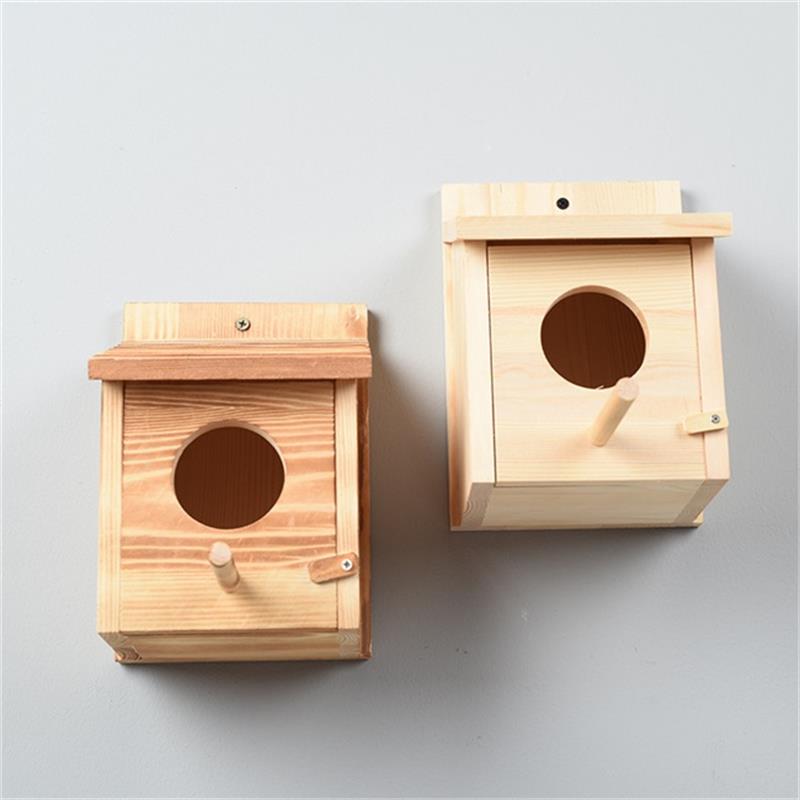
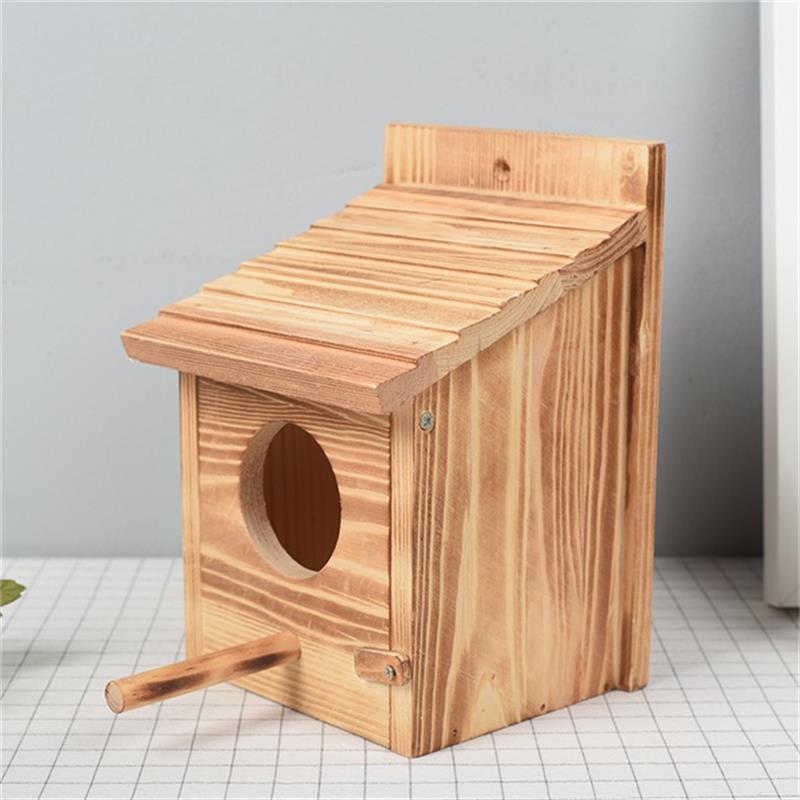
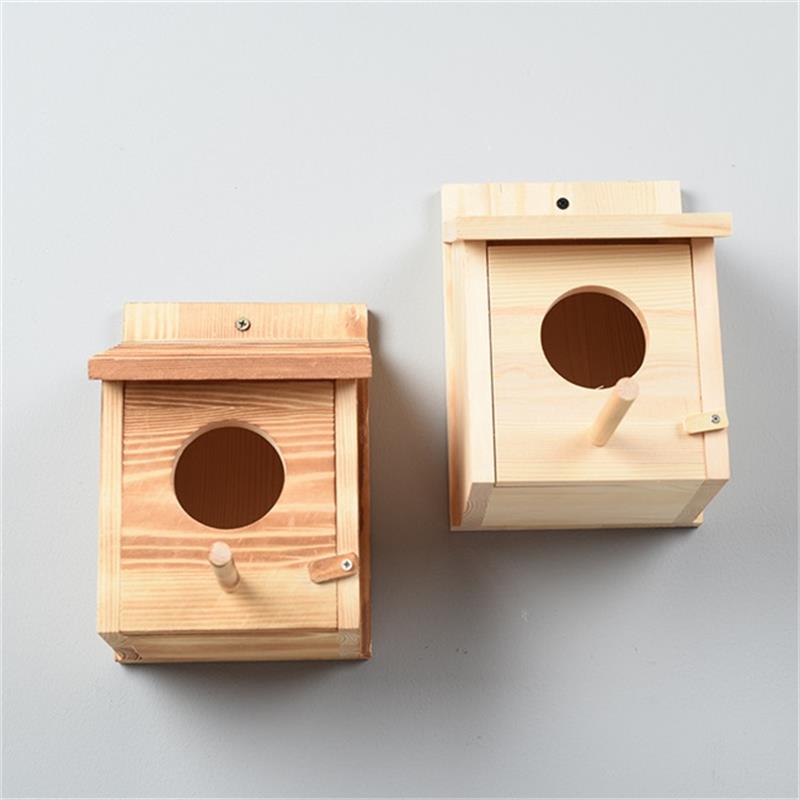
Outdoor Wooden Bird Nest: Decorative Garden Nesting Shelters
The outdoor wooden bird nest has become a popular decorative piece for gardens and natural-themed interiors. When choosing between decorative bird nesting boxes and garden ornaments, many homeowners are drawn to the visual appeal of these rustic wooden structures. These functional decorative objects serve a dual purpose: they support local wildlife while adding a natural aesthetic to residential and commercial spaces. Unlike purely ornamental garden decorations, these wooden pieces offer a distinctive combination of ecological value and rustic charm.
This comprehensive guide examines the outdoor wooden bird nest from multiple perspectives—as a garden decoration, a functional bird habitat, a thoughtful gift, and a versatile design element for various settings. Whether you are a homeowner looking to attract birds to your yard, a designer seeking authentic natural elements, or a gift buyer searching for something unique, this guide will help you understand the full potential of this versatile decorative product.
What Is an Outdoor Wooden Bird Nest
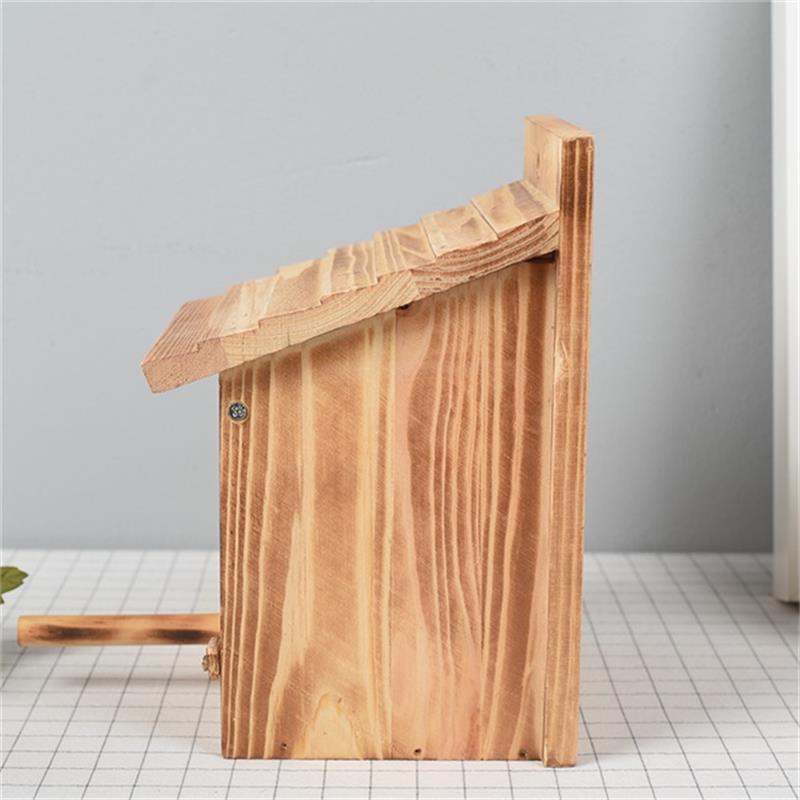
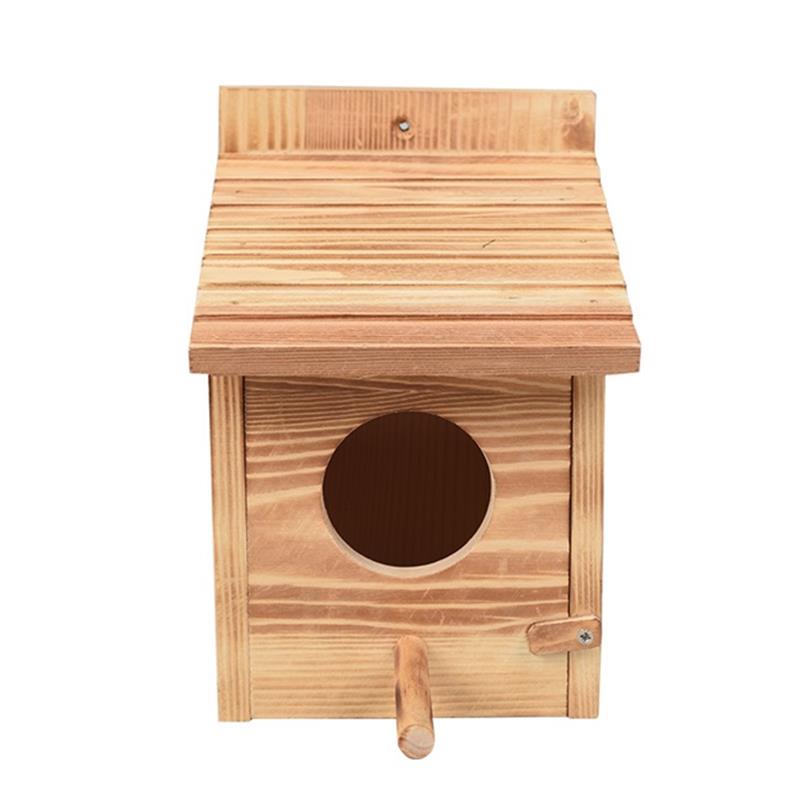
An outdoor wooden bird nest is a handcrafted wooden structure designed to provide shelter for small birds while serving as a decorative garden accent. These pieces typically range from small rustic boxes to more elaborate structures that resemble natural nests.
Design Characteristics
Most outdoor wooden bird nests are crafted from natural wood such as paulownia, cedar, or pine. Some feature natural bark roofs that create an authentic woodland aesthetic, with each piece displaying a unique grain and texture pattern. Designs often incorporate several thoughtful elements. Natural wood construction with visible wood grain is a primary feature, allowing the beauty of the material to shine through. Protective roofs are included to shield birds from rain and wind, extending the life of the nest and keeping inhabitants dry. Small entrance holes are sized for specific bird species, which helps attract the right kinds of birds while deterring unwanted visitors. Ventilation features promote airflow, preventing overheating in summer months. Finally, hanging or mounting options provide flexible placement, so you can position the nest wherever it works best in your garden or on your property.
Material Considerations
Quality outdoor bird nests are typically constructed from weather-resistant wood with moisture-proof properties and protection against insects. Some designs are left unfinished, allowing owners to paint or customize them to match their personal style or garden color scheme. Higher-end products use solid wood panels that are naturally durable, avoiding chemical treatments that could harm birds. This commitment to natural materials not only benefits the birds but also ensures the nest ages gracefully, developing a charming patina over time.
Important Distinction: Decorative vs. Functional
Not all outdoor wooden bird nests are intended for actual bird habitation. Some mini versions are purely decorative and too small for birds to use as shelter. When selecting a piece, it is important to consider whether you want a functional birdhouse that will attract nesting birds or a purely ornamental accent piece. Authentic birdhouses should be built to species-specific specifications regarding floor size, cavity depth, and entrance hole diameter. If your primary goal is to support local bird populations, look for designs that prioritize bird safety and comfort over purely aesthetic considerations. If your goal is simply to add a charming rustic touch to your space, then smaller decorative versions will serve your needs perfectly.
Where Can It Be Used
The outdoor wooden bird nest’s versatility makes it suitable for a wide variety of settings—from private gardens to commercial spaces. Its natural charm adapts to almost any environment.
Residential Gardens and Outdoor Spaces
In residential gardens, these bird nests find many natural homes. As garden decoration, they blend seamlessly into flower beds, shrubbery, and woodland-style gardens. They work particularly well in cottage-style or naturalistic garden designs where the rustic aesthetic complements the surrounding plants. On patios and balconies, hanging bird nests can add vertical interest, making them ideal for urban dwellers with limited outdoor areas. The compact size of many designs allows for flexible placement even in small spaces. When suspended from tree branches, portable designs can be easily hung, adding a whimsical element to the tree canopy and creating a magical feeling in the garden.
Living Spaces: Bringing the Outdoors In
Indoors, wooden bird nests serve as beautiful reminders of nature. Placing one near the entryway creates a welcoming, nature-inspired first impression for guests. Sunrooms and conservatories naturally bridge indoor and outdoor living, making them ideal for displaying garden-inspired decorative items. On bookshelves and floating shelves, smaller, purely decorative bird nests can serve as conversation-starting display pieces that add warmth and character to any room.
Office Environments
The professional setting also benefits from these natural accents. In reception areas, a tasteful bird nest decoration can soften corporate environments with a touch of nature, making visitors feel more at ease. As desk decor, miniature wooden bird nests can add organic elements to desk settings, particularly in creative industries like design and architecture where inspiration often comes from the natural world. In waiting areas, placing decorative bird nests can create a calming, welcoming atmosphere that reduces visitor anxiety.
Commercial Spaces
Businesses across various sectors have embraced the outdoor wooden bird nest as a design element. Boutique retail stores find that natural wood bird nests align with current trends toward biophilic design and sustainable aesthetics. They can be displayed on shelves or counters as part of a curated product display, suggesting a lifestyle rather than just selling products. Coffee shops and cafés benefit from the rustic charm of a wooden bird nest, which fits perfectly with farmhouse-style or nature-themed interiors, creating cozy corners for customers to enjoy. Boutique hotels and bed and breakfasts can enhance guestroom decor or lobby displays, particularly in properties emphasizing nature, relaxation, and authentic experiences. Restaurants with outdoor dining spaces benefit from garden decorations that attract birds and contribute to the overall atmosphere, making al fresco dining more enjoyable.
Decorative Applications
Beyond specific rooms, these pieces serve broader decorative purposes. In display cabinets, collectors can include miniature bird nests in curated displays of garden-inspired objects, creating miniature vignettes. On gallery walls, bird nests can be mounted as three-dimensional wall art, adding texture and depth to what might otherwise be flat arrangements. These pieces also work wonderfully for seasonal decorations, particularly during spring and summer, though they can be incorporated into year-round decorative schemes without looking out of place.
Gift Ideas
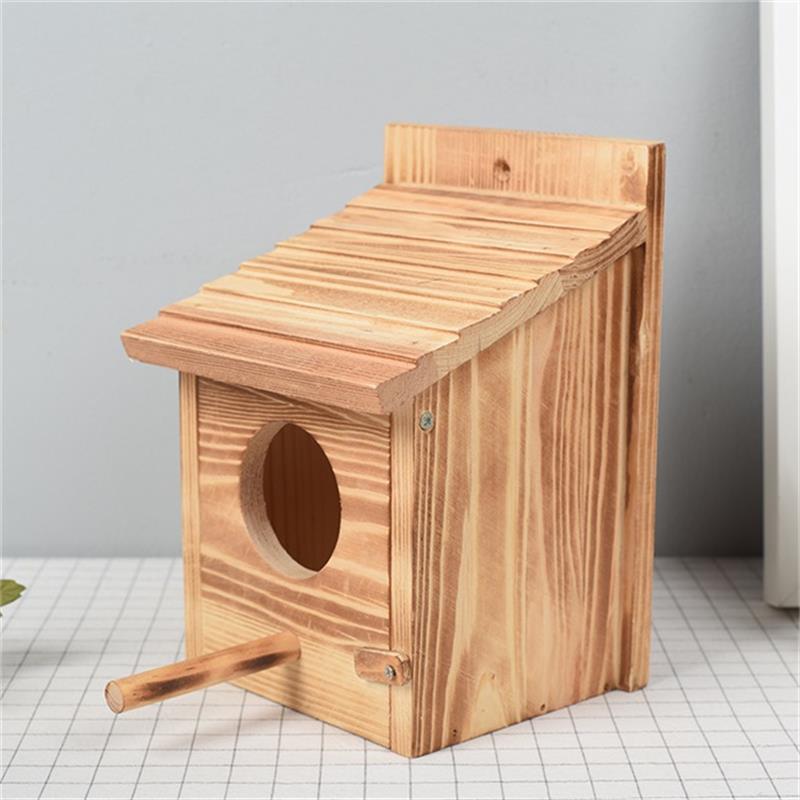
The outdoor wooden bird nest makes a thoughtful gift for various occasions and recipients. Its combination of beauty and functionality appeals to a wide range of people, making it a versatile present choice.
For housewarming celebrations, a wooden bird nest is an ideal gift that symbolizes creating a new home and nurturing new beginnings. It works well for first-time homeowners establishing their garden spaces and carries a warm sentiment that generic gifts often lack.
For birthdays, it is suitable for nature lovers, garden enthusiasts, and birdwatchers. The natural wood design makes it appropriate for recipients of any age who appreciate outdoor aesthetics, from children learning about nature to grandparents who enjoy watching birds from their window.
For weddings, a bird nest symbolizes building a home together, making it a meaningful wedding gift. It also works well as a rustic garden wedding decor element, serving double duty as both a gift and a decoration for the special day.
For Christmas, a bird nest can be a unique alternative to traditional holiday decorations, especially for recipients who prefer natural decor over plastic or mass-produced items. Some designs can be painted to match festive color schemes, making them adaptable to holiday themes.
For Mother’s Day and Father’s Day, these gifts show appreciation while aligning with the interests of parents who enjoy gardening and wildlife observation. They demonstrate thoughtfulness by connecting to the recipient’s hobbies and passions.
For corporate gifts, a high-quality, sustainably sourced wooden bird nest presents a professional yet personal business gift, particularly for clients in real estate, hospitality, or design industries. It conveys attention to detail and appreciation for craftsmanship.
For anniversary gifts, the symbolism of home and family makes bird nests a thoughtful choice for couples celebrating their relationship. It serves as a reminder of the home they have built together and the life they continue to nurture.
Commercial Applications
Businesses across multiple industries can incorporate outdoor wooden bird nests into their commercial spaces or product offerings, leveraging their natural appeal to enhance customer experiences.
In the realm of retail display inspiration, stores selling home goods, garden supplies, or decor items can use bird nests as decorative merchandise or as display props in store windows. A home decor boutique could feature a bird nest on a rustic shelf to suggest a curated, organic aesthetic that customers aspire to recreate in their own homes. These pieces work particularly well in stores emphasizing natural materials, handmade craftsmanship, or eco-friendly products, as they visually communicate these values.
In the hospitality industry, applications are abundant. Hotel lobby decor benefits from a collection of bird nests arranged on a console table or built into a feature wall, creating a striking visual element that reinforces a nature-inspired brand identity. Restaurant decor can be enhanced both indoors and outdoors—outdoor dining areas benefit from bird nests that enhance the garden setting and create a more immersive dining experience, while indoor restaurants can use them as decorative elements on shelves, mantels, or in waiting areas. Coffee shop decor increasingly embraces “third place” concepts, and unique decorative elements like bird nests contribute to memorable, Instagram-worthy spaces that encourage customers to linger and share their experience.
In office reception and showroom design, reception areas in corporate offices, design showrooms, and model homes can benefit from nature-inspired decor. A wooden bird nest offers a subtle, professional way to introduce warmth and organic elements into otherwise polished spaces. In design showrooms, they serve as accent pieces that demonstrate a design philosophy centered on natural materials and craftsmanship, helping clients visualize how similar elements might work in their own projects.
Why People Love It
The outdoor wooden bird nest resonates with people for a variety of reasons, combining practical, aesthetic, and emotional appeal into a single object.
The aesthetic appeal is perhaps the most immediate reason people are drawn to these pieces. The natural beauty of wooden bird nests enhances both indoor and outdoor spaces. The visible wood grain and organic forms bring a sense of warmth and authenticity to any setting. The rustic, handmade appearance fits perfectly with modern interior design trends emphasizing natural materials and connections to nature. Some designs feature genuine bark roofs that provide unique textures and colors, making each piece one-of-a-kind and adding to its collectible value.
The connection to nature is another powerful draw. In an increasingly digital world, people crave connections to the natural environment. Bird nests serve as daily reminders of the wildlife that shares our spaces. They invite birds to visit, allowing people to observe their behaviors throughout the seasons. This provides opportunities for nature watching, educational activities for children, and a sense of participation in local ecosystem support. Simply seeing a bird investigate or occupy a nest you have provided can be deeply satisfying.
The emotional resonance of these objects should not be underestimated. Symbolically, nests represent home, family, safety, and nurturing—values that carry deep emotional significance. This makes bird nests more than decorative objects; they become meaningful symbols of domestic life and human connection to the natural world. The act of providing shelter for birds can create a sense of stewardship and connection to the local environment, fostering a feeling of being part of something larger than oneself.
The collectibility of bird nests appeals to those who appreciate uniqueness and craftsmanship. Bird nest designs vary widely, appealing to collectors who appreciate craftsmanship and uniqueness. Each piece has its own character due to natural variations in wood, creating a collectible quality that encourages thoughtful curation. Some collectors seek out particular styles, sizes, or regional craftsmanship, treating bird nests as art objects that showcase traditional woodworking skills passed down through generations.
Finally, the versatility of these pieces ensures their lasting appeal. As discussed throughout this guide, the outdoor wooden bird nest can be adapted to countless uses and settings—from functional bird habitat to purely decorative accent, from personal garden to commercial display. This versatility ensures that a single piece can serve multiple purposes over its lifetime, making it a practical as well as beautiful addition to any space.
Frequently Asked Questions
What makes an outdoor wooden bird nest unique?
Each piece is distinct due to natural wood variations in grain, color, and texture. Some designs feature bark roofs that make every nest visually one-of-a-kind. Additionally, the combination of functional habitat and decorative appeal sets these pieces apart from ordinary garden ornaments, offering both beauty and purpose.
Is it suitable for modern interiors?
Yes. The emphasis on natural materials in contemporary design makes wood bird nests versatile accent pieces. They work particularly well in minimalist spaces where they provide warmth and organic contrast. However, they also suit rustic, farmhouse, and traditional interiors, making them genuinely adaptable to various design styles.
Can it be displayed in an office?
Absolutely. Office settings benefit from natural decorative elements that reduce stress and enhance well-being. A bird nest can be placed on a desk, on a shelf, in a reception area, or as part of a larger display. It adds a touch of warmth to what can often be sterile corporate environments.
Is it a good gift idea?
Yes. The outdoor wooden bird nest makes an excellent gift for nature lovers, gardeners, birdwatchers, and homeowners. It works for numerous occasions including housewarmings, birthdays, weddings, and corporate gifts. Its symbolic meaning of home and family adds emotional value to the gift that goes beyond its material worth.
How should it be cleaned?
For functional birdhouses, clean the box about seven to ten days after each nesting season to provide a fresh home for birds. Remove old nesting materials and inspect for damage or parasites. For purely decorative pieces, dust regularly with a soft cloth. Avoid using chemicals that could harm birds or damage the wood finish.
Where is the best place to display it?
Outdoor placement should consider bird safety and nesting preferences. Most experts recommend positions that receive morning sun and afternoon shade, with a clear flight path for approaching birds. Avoid locations where predators can easily access the nest. Indoors, place on shelves, counters, or walls where it can be appreciated but not disturbed by daily activity.
Can it be used for commercial decoration?
Yes. Bird nests are increasingly used in retail displays, hotel lobbies, restaurant decor, and showrooms. Their natural aesthetic aligns with current trends in biophilic design—the practice of incorporating natural elements into built environments to enhance well-being and create more pleasant spaces for people.
Does it match minimalist home decor?
Yes. In minimalist spaces, natural wood bird nests provide welcome warmth, texture, and visual interest. Their organic forms create a subtle contrast with clean lines and smooth surfaces, adding depth without clutter. They serve as the perfect accent piece in a room that might otherwise feel too stark.
Will birds actually use an outdoor wooden bird nest?
It depends on several factors. For birds to use a birdhouse, the design must be species-appropriate regarding cavity size, depth, and entrance hole diameter. Boxes should be constructed from appropriately thick wood, feature drainage and ventilation, and include predator guards. Some mini designs are purely decorative and too small for birds to use as shelter.
What types of birds use these nests?
Different species have different requirements. Bluebirds, chickadees, titmice, nuthatches, tree swallows, and wrens commonly use nest boxes. The entrance hole diameter is especially critical in determining which species can use the box. Hummingbirds use specially designed barrel-shaped nests with small entrances. Researching the birds in your area will help you choose the right design.
How should I protect the nest from predators?
Position the box at least six feet high, avoid including perches which help predators gain access, install predator guards around the entrance, and consider adding metal flashing on the roof to prevent squirrels and raccoons from chewing through. Also remove vegetation beneath the box to discourage climbing predators from approaching unnoticed.
Does the wood need weather treatment?
Natural, untreated wood is best for functional birdhouses to protect birds from chemical exposure. Cedar and other naturally weather-resistant woods perform well outdoors without additional treatment. For decorative pieces kept indoors, treatment is unnecessary. Outdoor decorative pieces may benefit from non-toxic wood sealants, but these should be thoroughly dried and aired out before birds use the nest to ensure no harmful fumes remain.
Leave Your Message
Related PRODUCTS
-
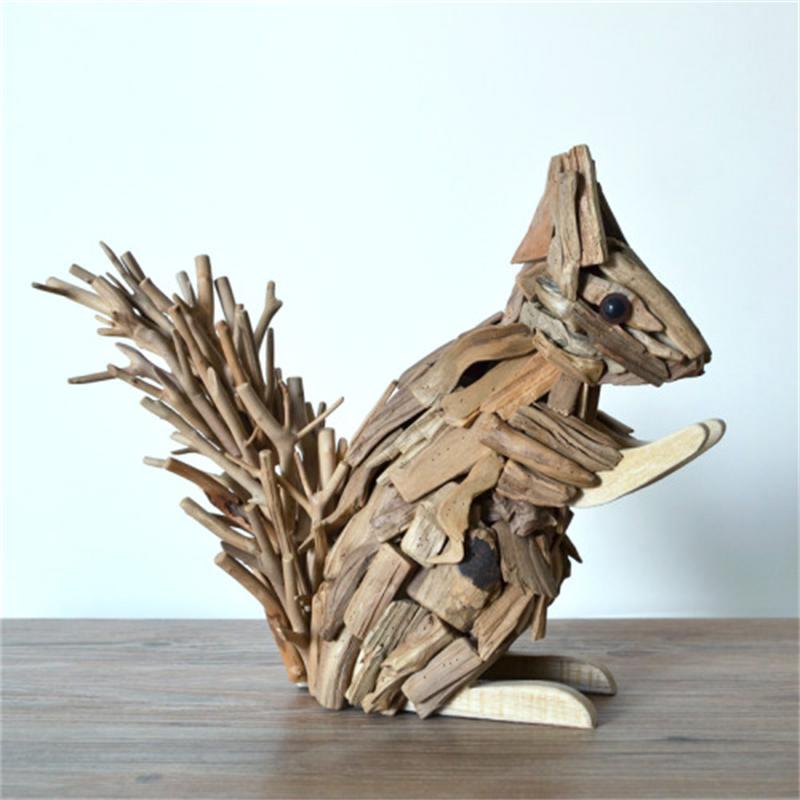
Wooden Squirrel Figurine:Decorative Accent for Modern Interiors
-
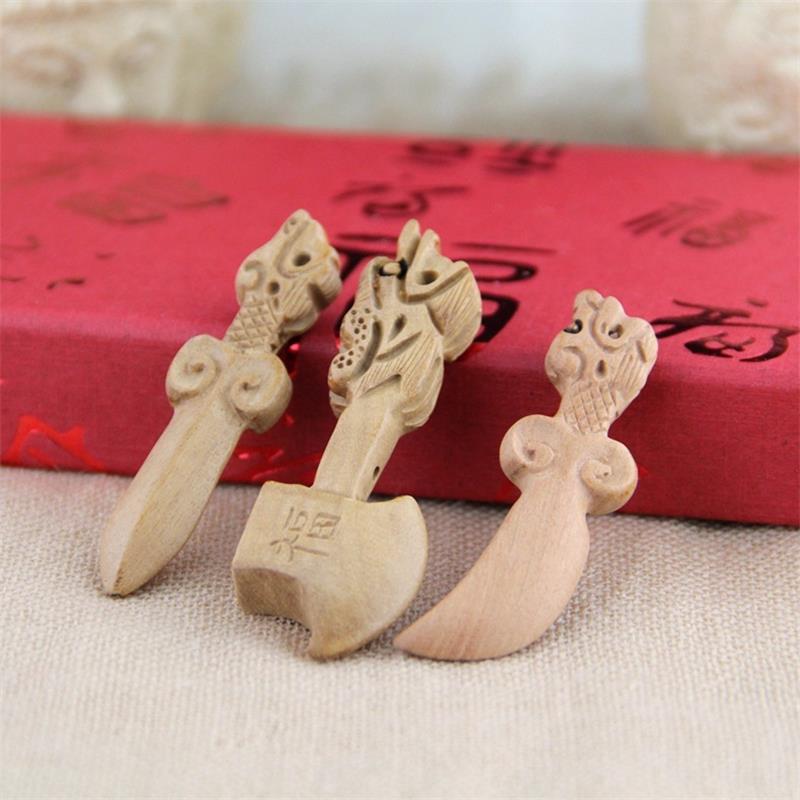
Peach Wood Sword, Dragon Head Sword, and Axe
-

Enchanting World of Hand Painted Nutcracker Rotating Music Wooden Box
-
Floral Decorative Paintings: Art That Brings Life to Any Space
-
Children’s Toy Colorful Bamboo Basket: Decorative & Functional Storage
-
Fruit & Landscape Wall Art for Restaurants and Living Rooms