
Handheld Cartoon Compact Mirror | Artisanal Gift Decor
The Mirror That Started With a Grandmother’s Vanity
There is a particular kind of morning light that falls across an old wooden vanity in a house where someone has lived a long, full life. It is soft, a little dusted with powder, and it catches the edge of things — a hairpin, a folded note, the rim of a small round mirror. That light is where this piece began. Not in a factory, not in a trend report, but in the memory of a grandmother’s dressing table, where a handheld mirror was never just a tool. It was the last thing she picked up before leaving the house, and the first thing she reached for when she came home.
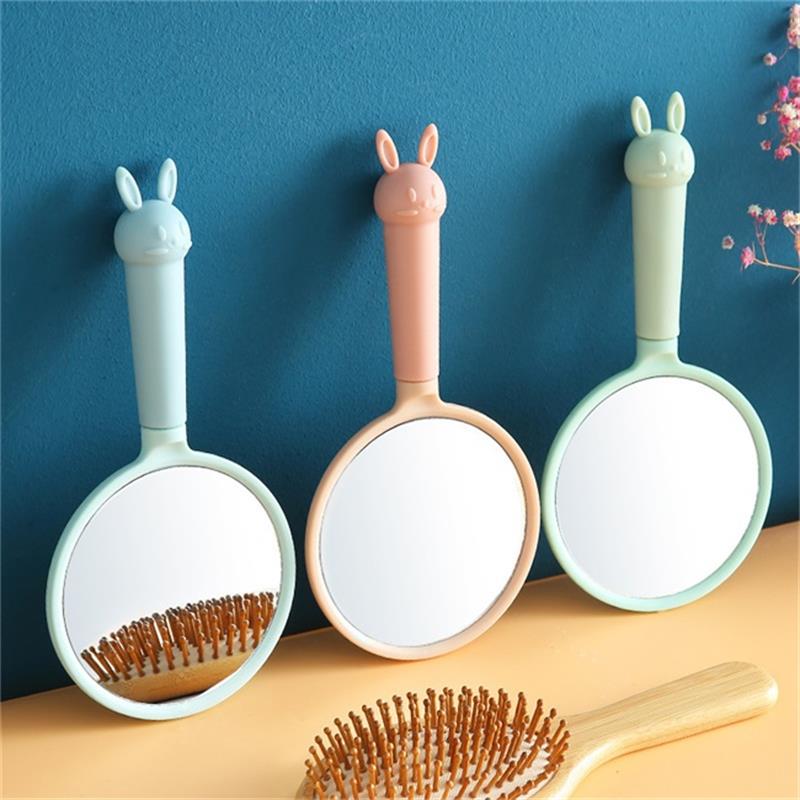
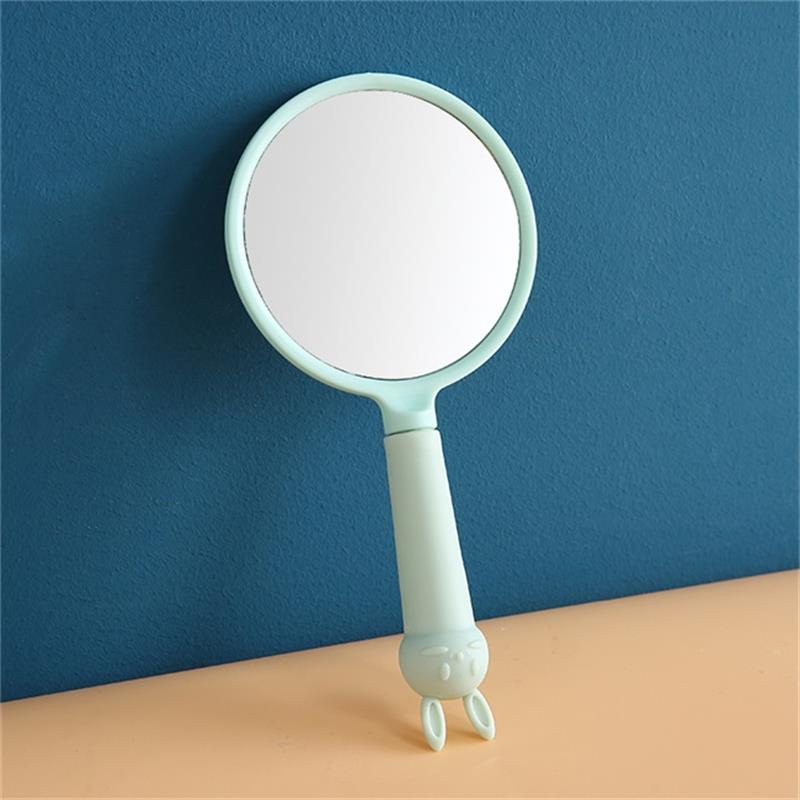
We kept coming back to that image. A small round mirror, easy in the hand, with a handle shaped like something from a storybook — a little cartoon flourish, a curve that feels almost like a smile. The kind of object that makes a person pause. So we set out to make a handheld compact mirror that carried that same quiet weight, the feeling of a small ritual rather than a quick glance.
What It Feels Like in the Hand
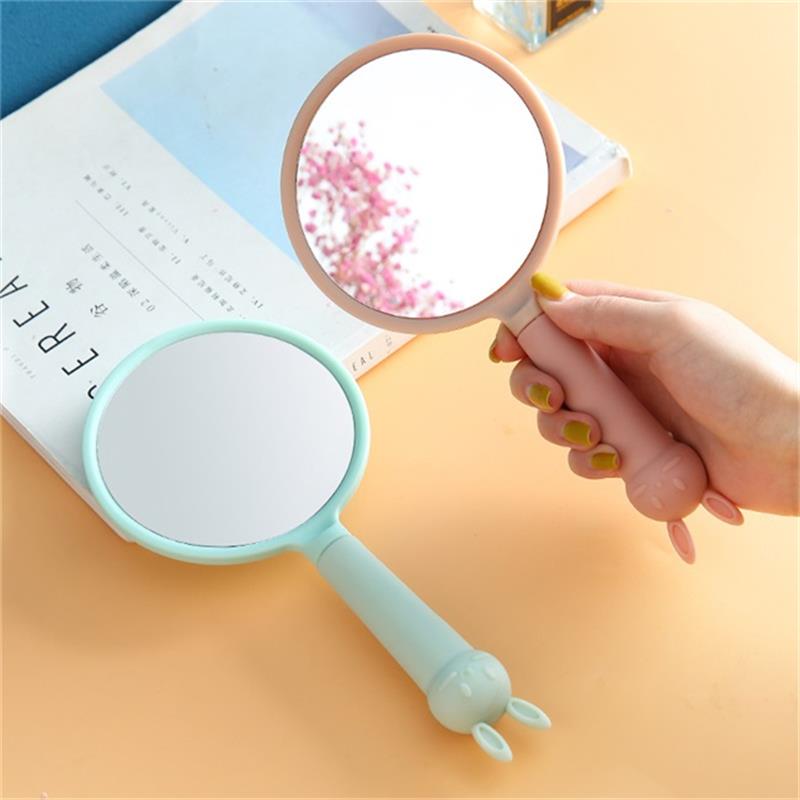
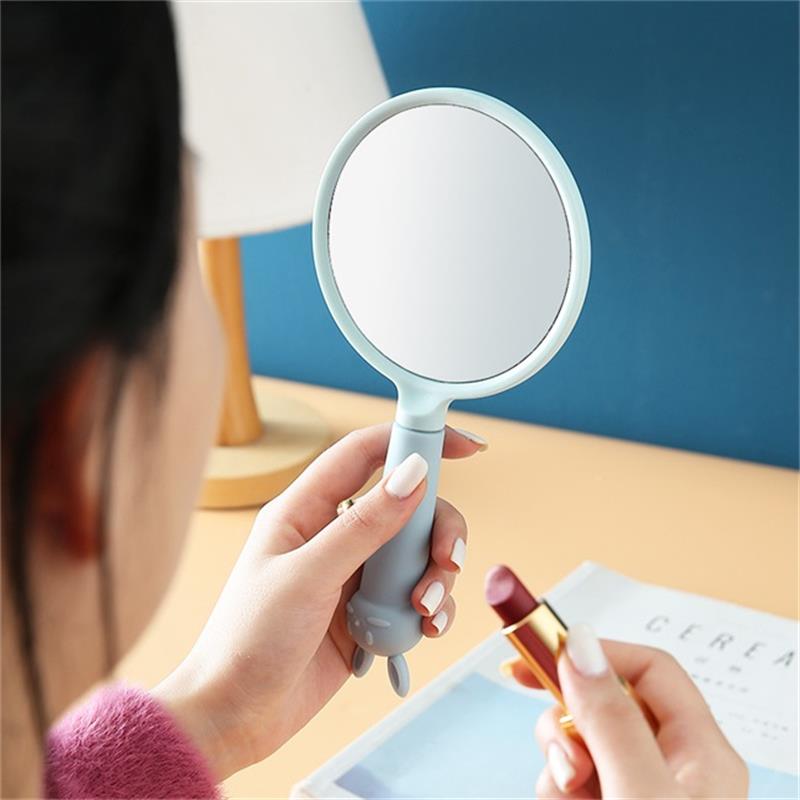
The first thing people notice is the weight. It is light enough to disappear into a purse, but there is a satisfying solidity when you close your fingers around the handle — the sense that this is an object made to be held, not just stored. The frame is finished with a smooth, warm surface that catches the light without glare, and the round glass sits flush, clean and clear, with just enough bevel at the edge to feel considered.
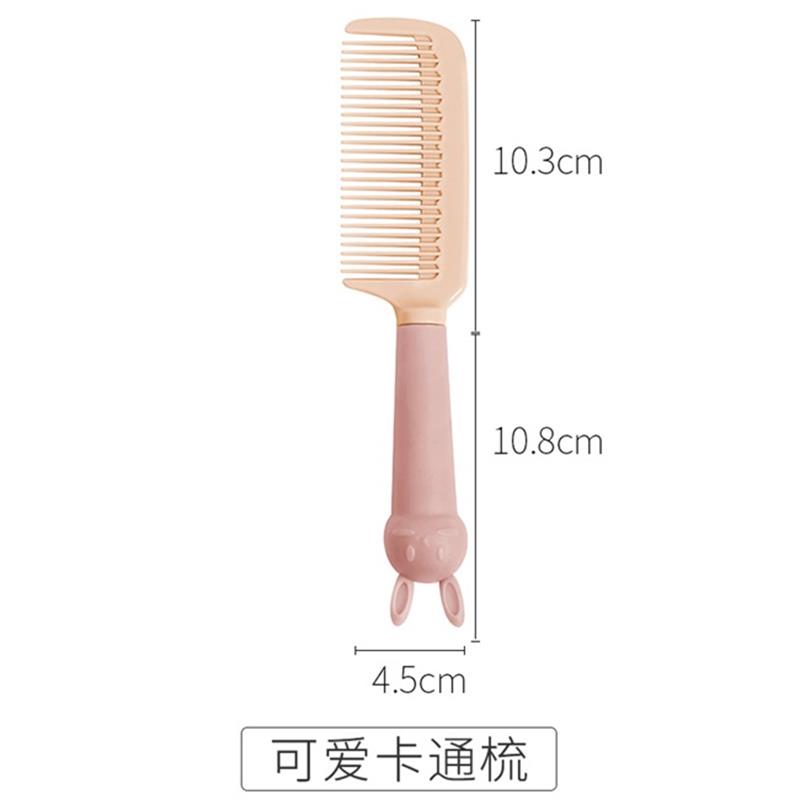
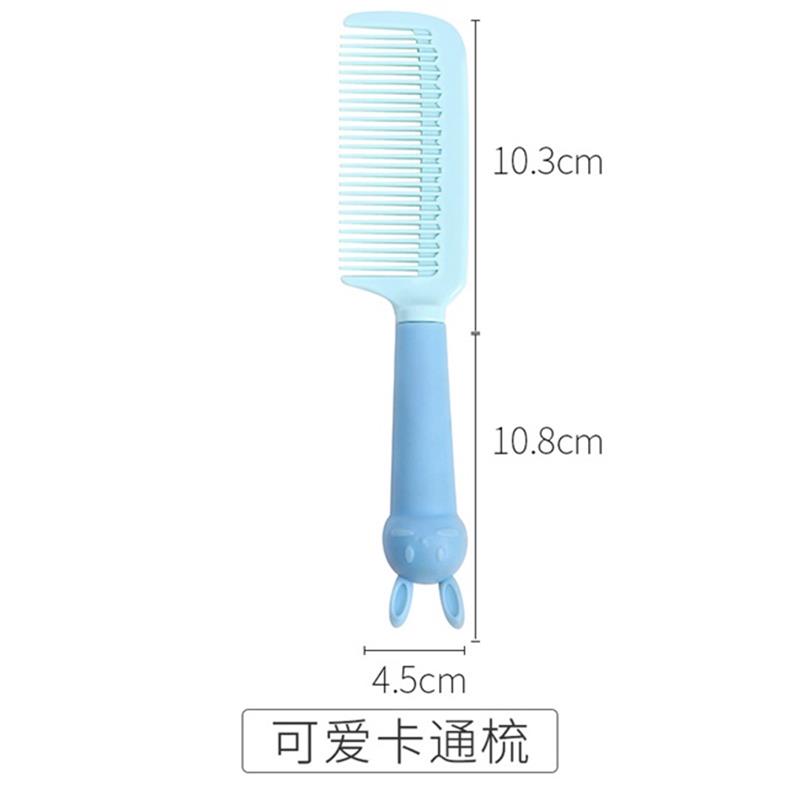
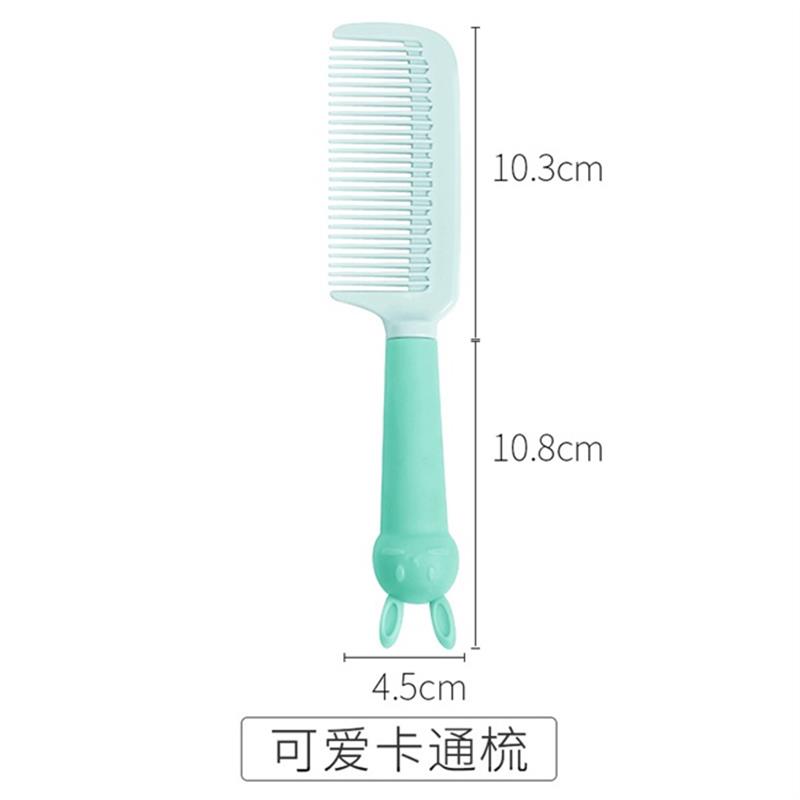
The cartoon handle is the detail that does the most work. It is playful without being childish, European in its proportions — a little whimsical, a little old-world, the kind of shape you might find on a porcelain figurine in a quiet antique shop. Held up to the window, the mirror throws a small circle of light across the wall, and for a second the room feels softer. That is the whole point. This is not a mirror you use in a hurry. It is a mirror you use on purpose.
At roughly the size of a palm and light enough to carry all day, it slips into a handbag pocket, a desk drawer, a glove compartment. It does not demand space. It simply waits, and then it is there when you need it — before a meeting, after a long commute, in the car before walking into a dinner you are a little nervous about.
The Small Moments It Belongs To
In a home, it finds its place almost on its own. On a bedside table next to a lamp and a stack of books, it becomes part of the evening wind-down. On a dressing table, it sits beside a jewelry dish and a candle, and suddenly the corner looks intentional — like someone cared about the small things. On a shelf, angled just so, it reads as a decorative ornament rather than a utility object, which is exactly the trick of a well-made compact: it earns its display space.
As a gift, it carries a warmth that is hard to explain until you hand it over. It is a natural housewarming present, small enough to wrap beautifully and useful enough to avoid the fate of the decorative object that gets politely stored away. It works as a keepsake gift for a daughter heading off to college, a friend who just moved into her first apartment, a sister who keeps everything in a tiny purse. It is the sort of gift that says I noticed you rather than I bought you something.
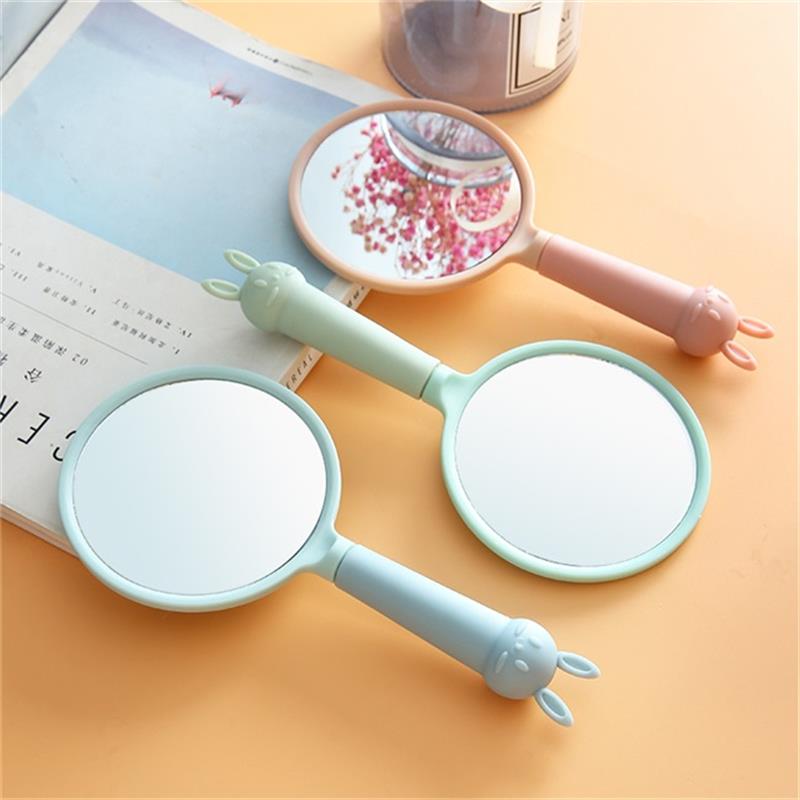
For collectors, there is a quiet pleasure in the series itself — the way the cartoon handle varies, the way a group of them lined up on a shelf becomes a small collection of moods. For gift shops and small wholesale buyers, it is an easy add: a compact mirror is one of those rare items that sells across ages, fits a countertop display, and photographs well for an online listing. Corporate gift buyers have started to notice it too, because a small, well-finished personal object with a story behind it does more for a brand than another branded notebook.
Why It Lasts
There is a reason this kind of object survives trends. It is not trying to be a statement piece. It is trying to be the thing you reach for every day, and the thing you still have years later. The materials are chosen for that life — a frame that resists the wear of daily handling, glass that stays clear, a finish that does not flake or fade with use. Nothing about it is precious in a way that makes you afraid to use it. It is made to be carried, dropped into a bag, pulled out in a parking lot, and put back without ceremony.
That is also why it works as a decorative ornament in its own right. Placed on a desk, it catches the light from a window and throws it back across the room. On a table centerpiece arrangement, it adds a small bright note among candles and greenery. On a collector’s display shelf, it holds its own next to larger pieces because it has a shape worth looking at. The best home accents are the ones that do double duty — useful when needed, beautiful when not.
A Quiet Invitation
If you are choosing a housewarming gift and want something that will actually be used, this is a good place to start. If you are furnishing a shelf or a dressing table and want a small piece that makes the space feel finished, it belongs there. If you are sourcing for a gift shop, a boutique, or a corporate gifting program, it is the kind of item that rewards a closer look — small, shippable, and easy to explain to a customer in one sentence. And if you are simply someone who likes a well-made object with a story, you already understand why a handheld mirror can be more than a mirror.
It began with a grandmother’s vanity and a shaft of morning light. It ends up in your purse, on your shelf, in someone’s hands on a day they needed a small moment to themselves. That is a good life for a small object. It is the kind of thing worth keeping — and worth giving.
Leave Your Message
Related PRODUCTS
-
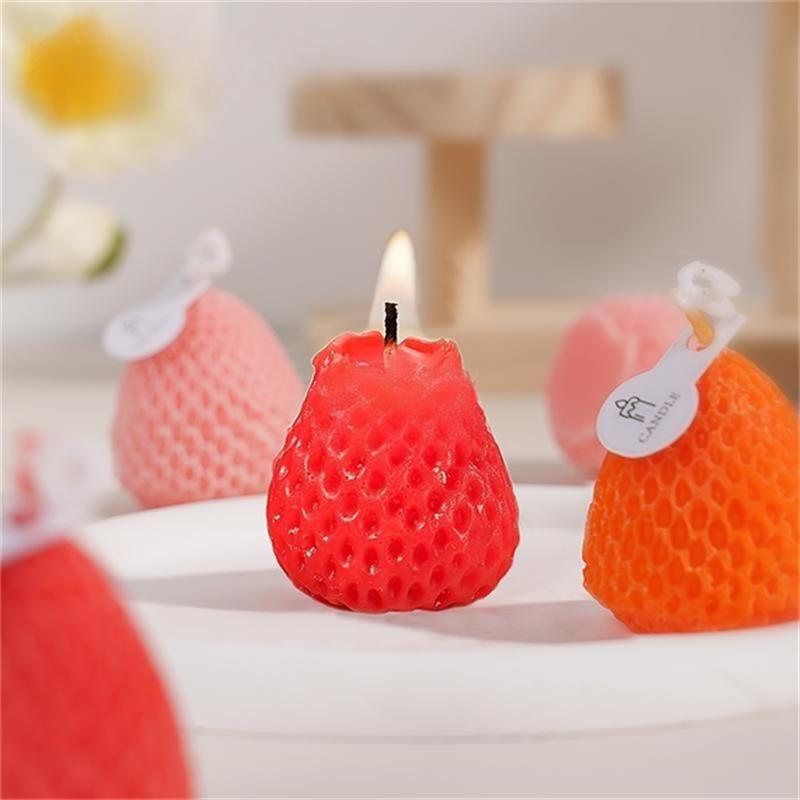
Handcrafted Strawberry Soy Wax Candle for Cute Home Decor
-
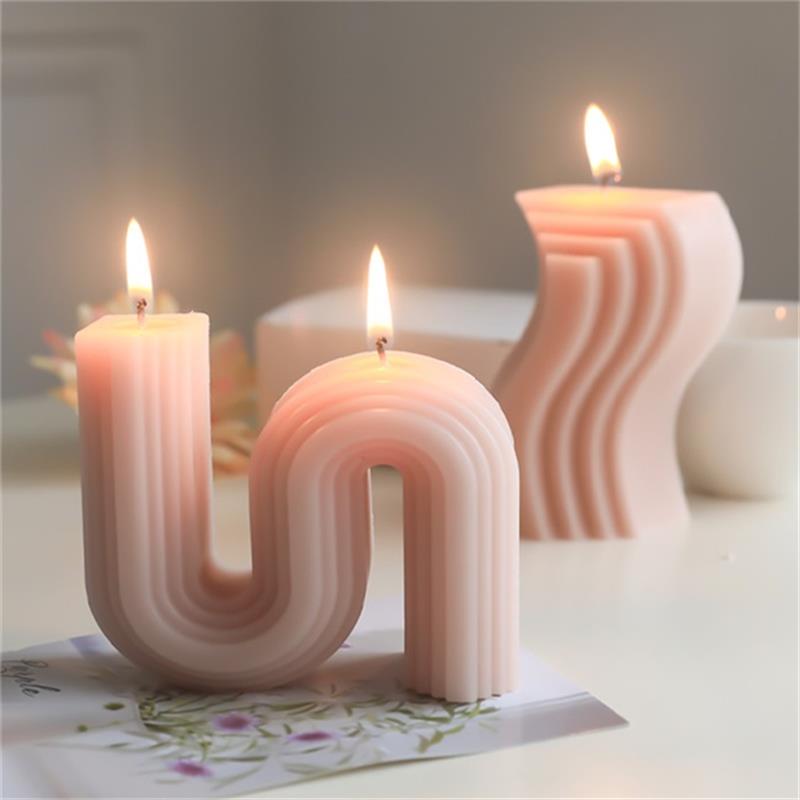
S-Shaped Soy Wax Candle: A Sculptural Home Accent
-
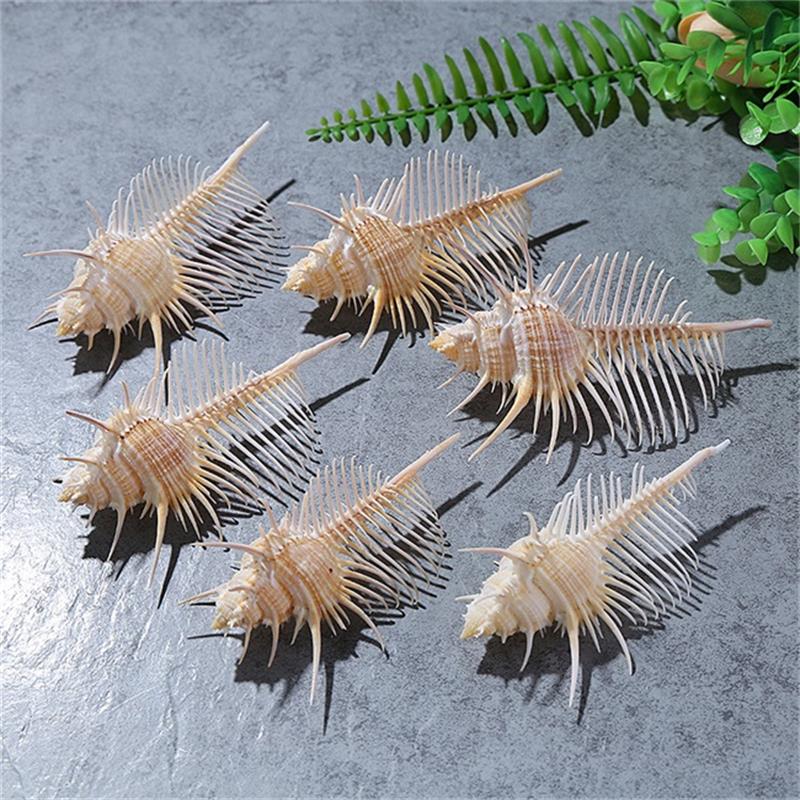
Spiky Conch Shell Decor for Shelves & Gifts
-
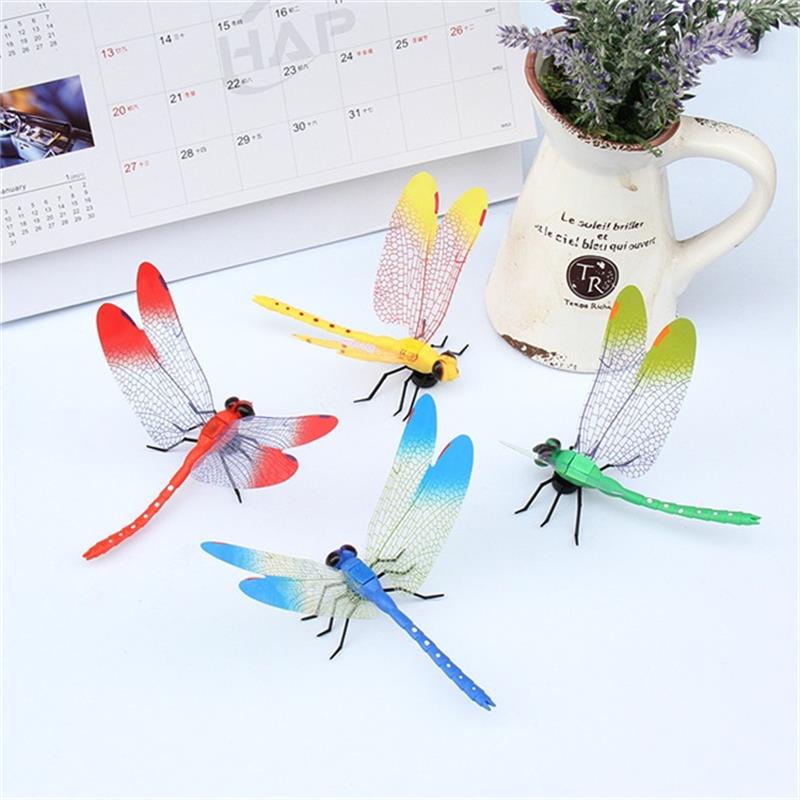
Colorful Dragonfly Garden Decor & Fridge Magnet
-
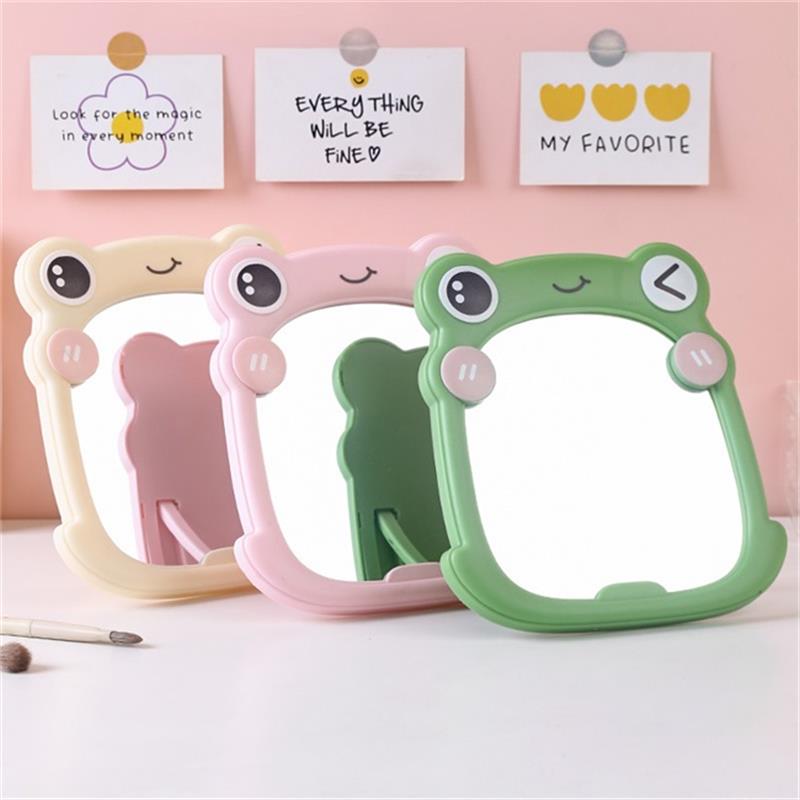
Cute Frog Desk Mirror: A Heartwarming Gift for Her Space
-
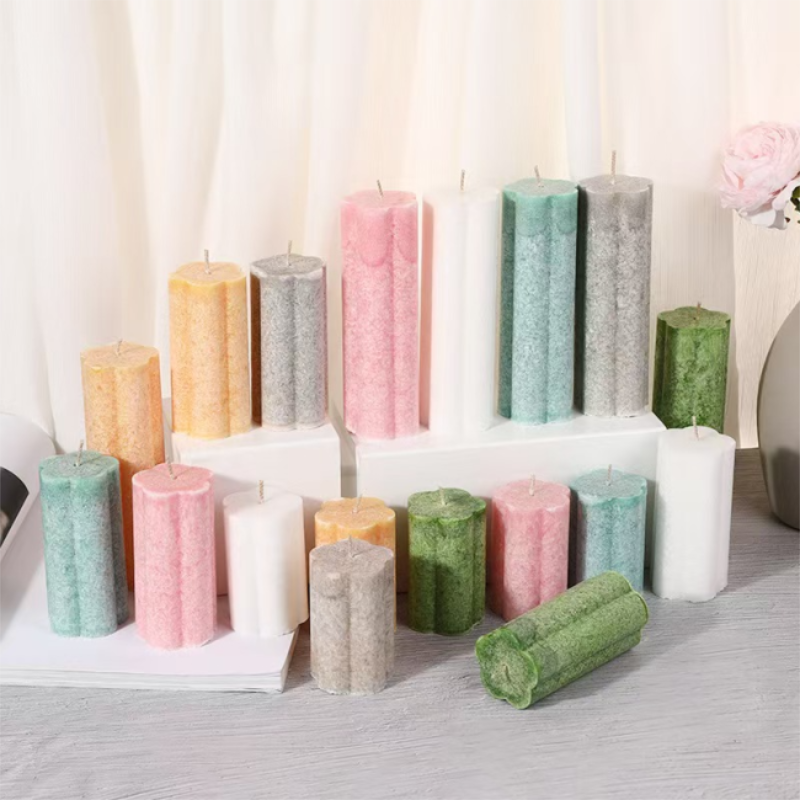
Handcrafted Ice Blossom Candle – Cozy Home Accent Gift